In For Review: The Latest Audio and Home Cinema Hardware Arriving at Our Test Benches as 2026 Draws to a Close

As the final quarter of 2026 accelerates, the consumer electronics industry remains remarkably active, defying the traditional seasonal slowdown often associated with the year’s end. With the dust settled on the prestigious What Hi-Fi? Awards 2026, the focus in our test rooms has shifted from celebration to evaluation. While digital streaming services continue to dominate the market share, a surprising resurgence in physical media and a drive toward high-end home cinema immersion have prompted manufacturers to release significant new hardware. This month’s testing lineup is defined by a dichotomy of approaches: some manufacturers are focusing on accessibility for entry-level enthusiasts, while others are pushing the boundaries of high-fidelity performance for the uncompromising audiophile.
The current landscape of the audio market is characterized by a "two-speed" evolution. On one hand, there is a clear push to simplify the user experience for the next generation of vinyl listeners. On the other, the premium segment is seeing a renewed commitment to specialized components like high-end CD players, suggesting that the industry views physical discs not as relics, but as a stable, premium format for music distribution.
The Return to Analog: Rega’s Strategic Play
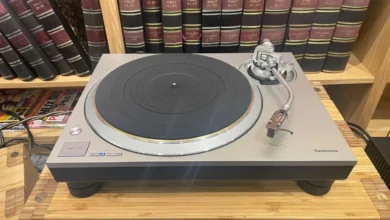
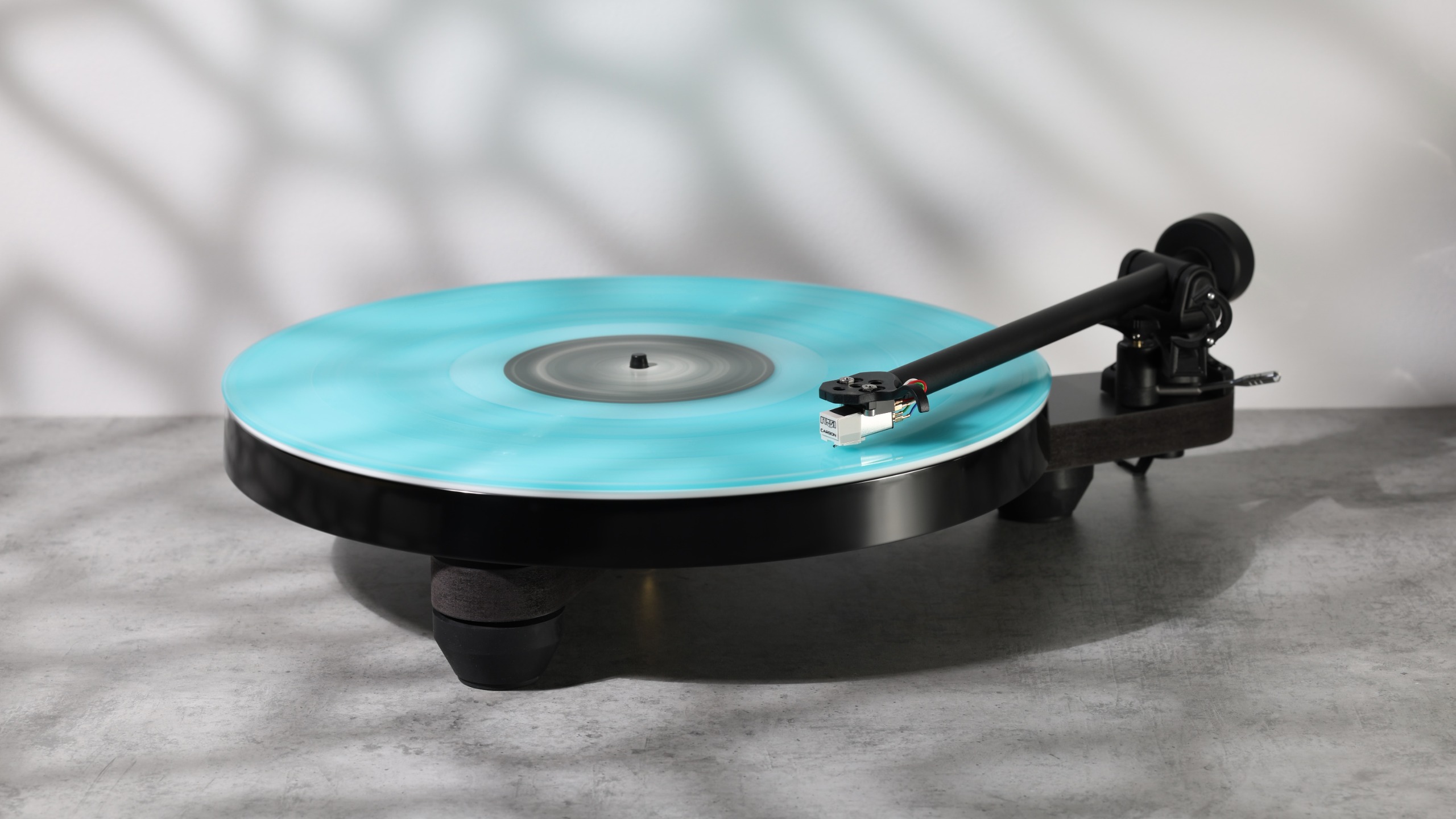
Rega has long been a bellwether for the vinyl industry, and its latest release, the Replay, marks a pivot toward the entry-level demographic. Priced at £259, the Replay is designed to address the "setup anxiety" that often deters newcomers from adopting vinyl. By streamlining the assembly process into a "plug-and-play" experience, Rega is attempting to capture the market currently dominated by Pro-Ject’s long-standing success with the Primary E.
The technical specifications of the Replay draw heavily from the established Planar 1, utilizing the well-regarded RB110 tonearm and the Carbon moving-magnet cartridge. However, the departure lies in its construction—specifically the skeletal MDF-core plinth. This design choice aims to minimize resonance while maintaining a lightweight footprint. Industry analysts suggest that by keeping the price point under £300, Rega is positioning the Replay as a gateway product, hoping to build brand loyalty early in a consumer’s journey. The success of this unit will be measured not just by its sound quality, but by how effectively it converts digital-native listeners into physical media collectors.
High-Fidelity Refinement: The Rotel Michi Prestige Q430
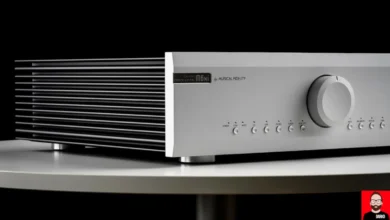
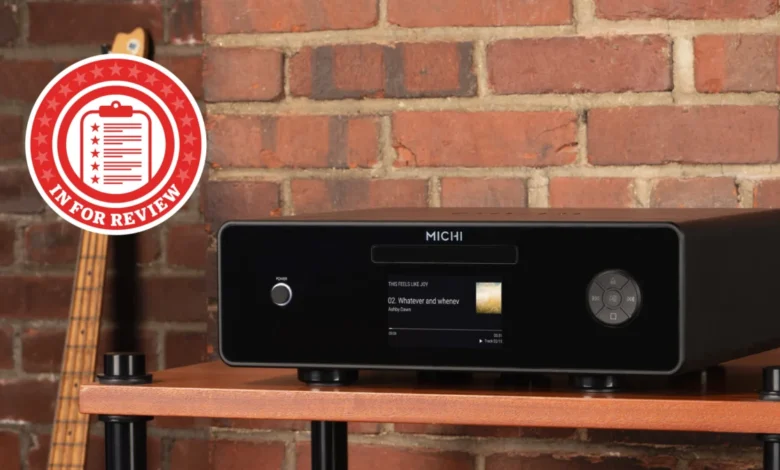
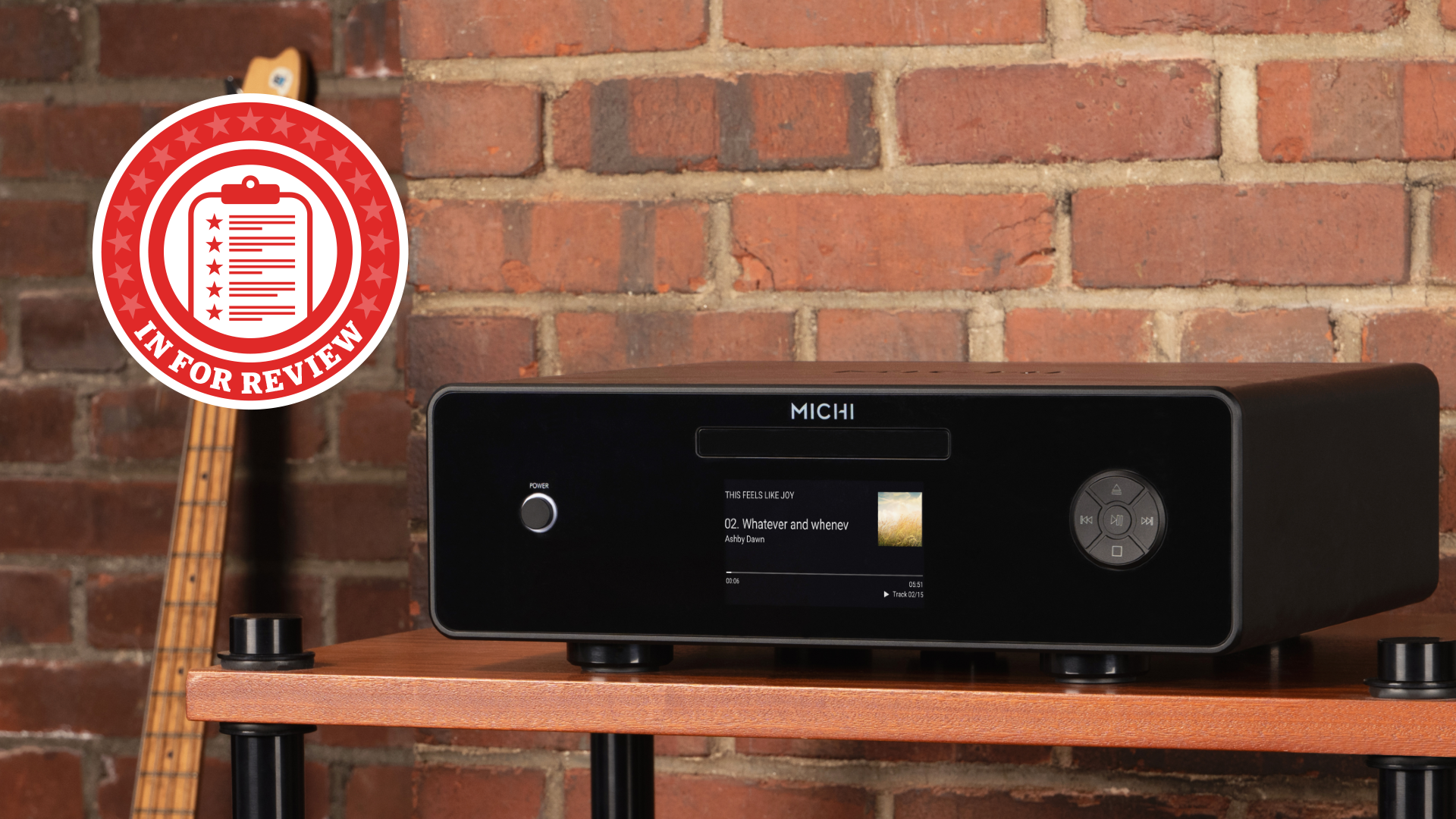
If the Rega Replay represents the entry point, the Rotel Michi Prestige Q430 represents the summit. Priced at £3599, this CD player is a direct response to the luxury market’s continued demand for high-resolution physical playback. The Q430 is part of the broader Michi Prestige range, a collection that has already garnered critical acclaim, including a 2026 Award for the X430 integrated amplifier.
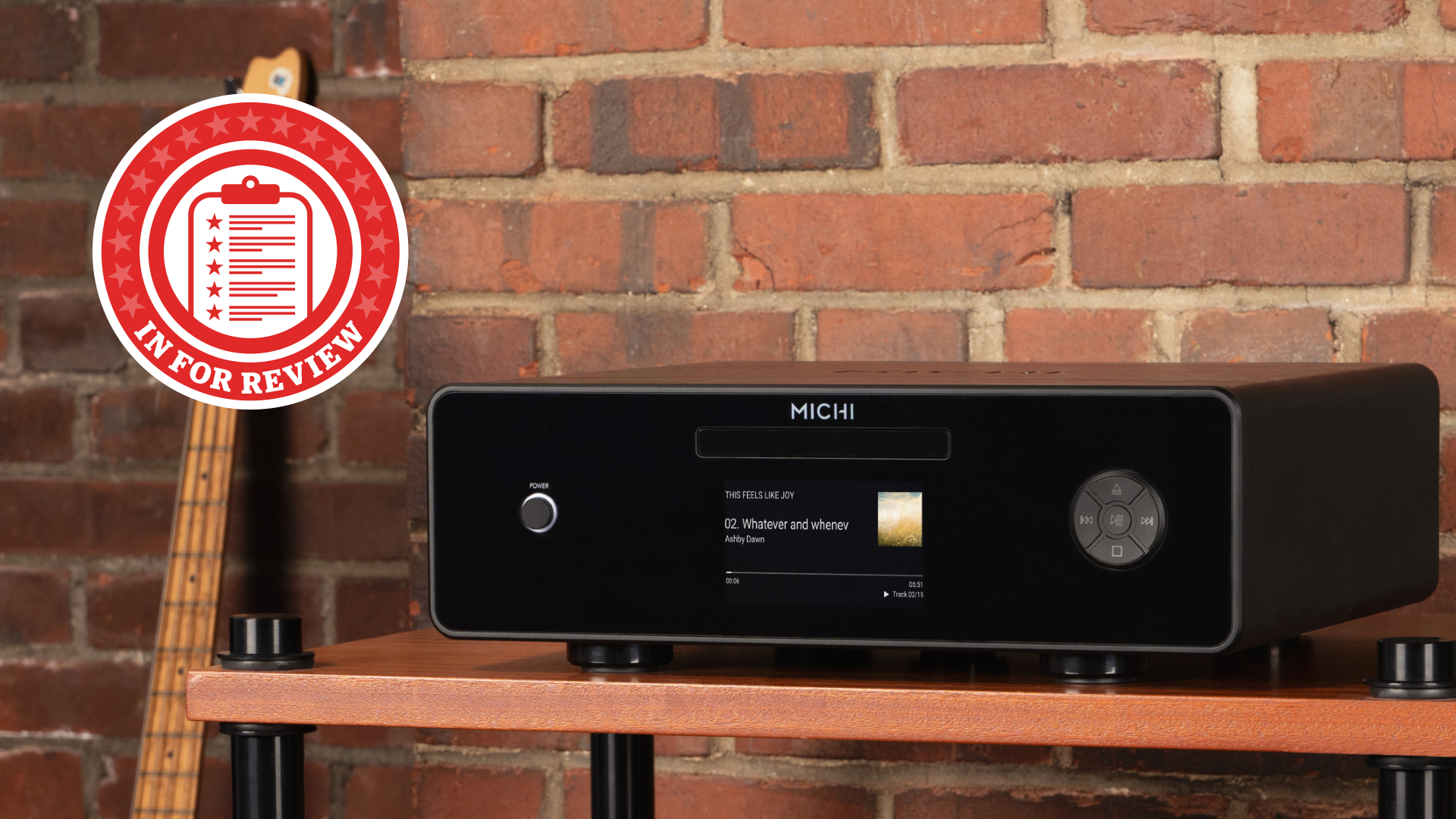
Technically, the Q430 is an engineering statement. It incorporates an eight-channel 32-bit ESS Sabre ES9028PRO DAC, a component known for its exceptional dynamic range and low noise floor. The chassis design, featuring a signature glass-fronted display and a precision-engineered front-loading mechanism, aligns with the aesthetic language of the Michi line. Rotel’s engineering team has emphasized the importance of isolation in this unit, with internal shielding designed to prevent electrical interference—a common challenge in high-end audio playback. The release of the Q430 suggests that Rotel believes the "CD boom" is not merely a nostalgia-driven trend, but a sustainable niche for users who prioritize physical fidelity over the convenience of compressed streaming.
The Home Cinema Evolution: JBL’s 11.1.4 Surround System
The home cinema market has reached a point of saturation where manufacturers must offer unique value propositions to stand out. JBL has taken a modular approach with the Bar 1300MK2. The core of this system is its 11.1.4-channel configuration, delivering an immense 2470W of total system power.
What distinguishes the Bar 1300MK2 is its battery-powered, detachable surround speakers. This design addresses a fundamental problem for many households: the desire for an immersive, object-based audio experience (Dolby Atmos) without the permanent installation of cables or wall-mounted speakers. By allowing users to dock the speakers for charging and integrate them into the main bar when not in use, JBL is attempting to bridge the gap between "lifestyle" audio and true home theater performance. At a price point of £1400, the system is positioned as a premium, all-in-one solution that aims to challenge established leaders like Samsung’s Q990 series.
Lifestyle Integration: The Samsung Music Studio 7
Wireless audio has evolved far beyond simple Bluetooth connectivity, and Samsung’s Music Studio 7 (£449) is a case study in modern versatility. The speaker is built on a 3.1.1-channel driver configuration, capable of handling Dolby Atmos—a feature increasingly common in compact home audio units.
The device is designed for a multi-functional role: it is equally suited as a standalone wireless speaker for high-resolution streaming via Tidal or Spotify Connect, or as a soundbar replacement when paired with a television via HDMI eARC. Its integration with Samsung’s Q-Symphony technology allows it to synchronize with compatible Samsung TVs to create a wider soundstage. This "lifestyle-friendly" approach is a direct challenge to the Sonos Era 300 and the Apple HomePod 2. The key question for our reviewers will be whether the acoustic performance can match the convenience of its feature-rich ecosystem.
Projecting the Future: The Hisense L9Q
The ultra-short-throw (UST) projector market has seen a rapid increase in brightness and color accuracy, and the Hisense L9Q (£3499) is the latest flagship intended to disrupt the status quo. With a claimed output of 5000 ANSI lumens, the L9Q is clearly engineered to perform in ambient lighting conditions, moving projectors away from the "dark room only" requirement of the past.

Hisense has partnered with Devialet for the sound tuning of the unit, an indication that they are targeting the "all-in-one" home cinema enthusiast. With 4K resolution and comprehensive HDR format support, the L9Q is positioned as a direct competitor to the high-end AWOL Vision Aetherion Max. The competition in this segment is fierce, as projector manufacturers attempt to convince consumers that a laser-powered UST system is a viable, superior alternative to large-format LED televisions.
Market Context and Future Implications
The variety of products currently in our test rooms reflects a broader trend in consumer electronics. Manufacturers are no longer content to produce "general purpose" hardware. Instead, we are seeing a high degree of specialization.
- Physical Media Resurgence: The investment in the Rotel Q430 proves that manufacturers are banking on the longevity of the CD. While streaming remains the volume leader, the profit margins and consumer loyalty associated with premium physical playback continue to justify high-end R&D.
- Modular Convenience: The JBL Bar 1300MK2 highlights a consumer demand for "hidden" technology. Users want the power of a full surround system but are increasingly unwilling to accept the physical clutter that comes with it.
- Smart Ecosystems: Samsung’s approach with the Music Studio 7 underscores the importance of software. A hardware product is now only as good as its compatibility with platforms like AirPlay 2, Google Cast, and manufacturer-specific protocols like Q-Symphony.
As we continue our testing of these units throughout November, our focus will remain on the objective measurement of performance versus the manufacturer’s claims. Each of these products will be subjected to our standard rigorous testing protocols, including frequency response analysis, distortion metrics, and real-world usage simulations.

For the average consumer, these launches represent a moment of choice. Whether you are a newcomer to the hobby looking at the Rega Replay, or a dedicated home cinema enthusiast evaluating the Hisense L9Q, the current market offers a level of sophistication that was unavailable even five years ago. As the year draws to a close, it is clear that the industry is not resting on its laurels, but rather doubling down on the pursuit of higher fidelity and greater convenience.
We encourage our readers to reach out with specific queries regarding these products. Whether you are curious about the technical specifications of the Michi DAC or the ease of installation for the JBL soundbar, our team is committed to providing data-driven insights. In the coming weeks, our full reviews will detail the results of our testing, providing the definitive verdict on whether these promising new entrants deserve a place in your home. The transition from the 2026 award cycle to the new year has rarely looked as promising for the audio and home cinema enthusiast.
Related posts: