Oasis Ticket Frenzy Ignites Political Urgency in Westminster as Government Accelerates Crackdown on For-Profit Secondary Ticketing Platforms

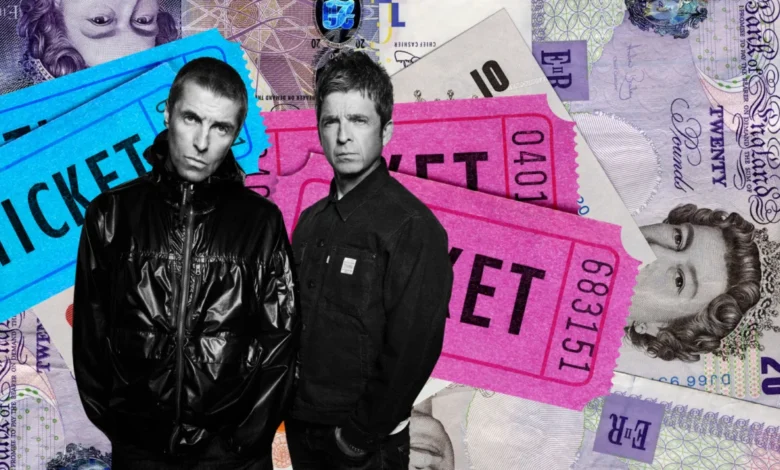
The perennial and contentious issue of ticket touting has been thrust back to the forefront of British political discourse following the chaotic and rapid sell-out of tickets for the much-anticipated Oasis reunion tour. As millions of devoted fans flooded primary ticketing platforms this past weekend, only to find themselves locked out within minutes, secondary resale sites quickly populated with exorbitant listings—some reaching nearly £3,000 per pass. This latest surge in opportunistic exploitation has triggered an immediate and aggressive response from the highest levels of the British government, with reports indicating that Downing Street is fast-tracking comprehensive legislation designed to once and for all outlaw for-profit ticket resale in the United Kingdom.
The political momentum behind the proposed ban has notably intensified under the administration of Prime Minister Andy Burnham. Known for his vocal support of Manchester’s rich musical heritage, Burnham has made the eradication of predatory ticket touting a personal crusade. Culture Secretary Lisa Nandy addressed Parliament earlier this month, explicitly stating that the Prime Minister regards the issue with profound personal conviction and that the legislative framework required to stamp it out will be afforded absolute priority. Behind the scenes, the Department for Digital, Culture, Media and Sport (DCMS) has transitioned from preliminary discussions to concrete action, assembling a sizable dedicated "bill team" of civil servants tasked with drafting robust legislation and securely shepherding it through Parliament.
The Evolution of the UK Ticketing Crisis and Legislative Background
For years, the secondary ticketing market has operated in a legal gray area, frustrating artists, promoters, and grassroots music venues alike. While primary ticket sales through platforms like Ticketmaster offer regulated transactions, unregulated secondary marketplaces have historically enabled algorithmic hoarding and speculative listing, where software bots buy up massive blocks of tickets only to flip them at punishing mark-ups.
The UK government first signaled its intention to confront the multi-million-pound touting industry during policy announcements late last November. However, the subsequent King’s Speech—which outlines the legislative agenda for the parliamentary session—offered only a cautious promise of "draft legislation," leaving consumer advocacy groups and the live music sector anxious about the timeline for implementation. The primary concern among legal experts and policy analysts has always been the enforcement challenge: ensuring that any domestic ban on for-profit reselling cannot be easily circumvented by unscrupulous platforms simply relocating their servers and corporate entities offshore. Sources close to the DCMS bill team indicate that civil servants are actively studying international frameworks to close these jurisdictional loopholes, aiming to construct an airtight statute capable of holding international resale giants legally accountable.
The Oasis Ticket Chaos: Primary Sells Out, Secondary Steps In
The catalyst for this renewed political urgency arrived this weekend when tickets for the 2027 Oasis dates officially went on sale. Within moments, primary allocations vanished, leaving a vast demographic of disappointed fans. Swiftly reacting to the market vacuum, the band’s management and primary platforms issued strict warnings that any tickets identified on unauthorized secondary websites would be aggressively targeted for cancellation without refund.
Despite these explicit warnings, major secondary platform Viagogo aggressively courted disenfranchised ticket-seekers. Launching an official advisory campaign, Viagogo insisted to consumers that "the initial on-sale isn’t your only opportunity to buy." The platform encouraged fans to continue monitoring its listings as the event approaches, projecting that the current speculative prices—such as the £3,000 listings flagged by the Manchester Evening News for Manchester-based concerts—would naturally deflate as the tour dates approached in May.
Furthermore, Viagogo defended its business model in official statements, asserting that secondary ticketing remains entirely legal under current UK law. A company spokesperson emphasized that Viagogo operates as a "safe, secure and regulated marketplace and is fully compliant in the UK," while launching a broader critique against what it characterized as anti-competitive measures by event organizers. The company argued that restricting sales strictly to approved primary platforms ultimately harms consumers by limiting market flexibility, choice, and access.
Artist Backlash and the Economic Impact on Grassroots Music
The defiant stance taken by secondary platforms has only served to galvanize the coalition of artists, industry advocates, and regional stakeholders fighting for reform. Among the most prominent voices joining the chorus against ticket touting is Mike Joyce, legendary drummer of The Smiths, who publicly threw his support behind the ongoing FanFair Alliance campaign last week.
Releasing stark new data detailing the disproportionate economic damage inflicted on Manchester’s local economy by speculative ticket flipping, Joyce did not mince words. "Seeing tickets for shows being resold for thousands of pounds is outrageous," Joyce stated. "Fans pay more, artists gain nothing, and venues see none of the benefit. That’s not supporting live music, it’s taking money away from the scene that made Manchester what it is." Joyce’s endorsement underscores a broader industry consensus: that rampant price-gouging starves the broader cultural ecosystem of vital capital, preventing grassroots venues and emerging artists from receiving sustainable financial support.
The FanFair Alliance, which has spent years cataloging the predatory practices of unauthorized ticket brokers, has similarly pointed out that the current market dynamics create a lose-lose scenario for the British public. When tickets are artificially inflated by thousands of pounds, the surplus value benefits neither the performers who create the art nor the venues that host the experiences, instead lining the pockets of faceless brokers and digital middlemen.
Navigating Legitimate Resale Alternatives
Amid conflicting advice from commercial brokers and the band itself, consumer rights organizations have worked to clarify the distinction between illegal touting and legitimate, consumer-friendly face-value exchanges. Oasis management has directed fans who purchased tickets but can no longer attend to utilize strictly regulated, face-value resale channels such as Ticketmaster’s official exchange or Twickets. These platforms strictly prohibit profit-making, ensuring that transferred tickets are sold exclusively at their original purchase price.
Industry analysts emphasize that these authorized face-value platforms represent the only guaranteed method for fans to secure secondary tickets without risking absolute denial of entry at the venue gates. Promoters have repeatedly affirmed their intention to enforce strict identification and ticket-validation protocols, meaning that fans who gamble on inflated third-party sites like Viagogo face a very real financial hazard should those tickets be voided by organizers ahead of the May tour kick-off.
Anticipation Builds Ahead of the Labour Party Conference
As the political spotlight intensifies, speculation is mounting that the ongoing Labour Party Conference will serve as the stage for a major policy announcement regarding the exact timeline for the anti-touting legislation. With Prime Minister Burnham intimately connected to the cultural pulse of Manchester and the wider British music community, political commentators suggest that an explicit calendar commitment could be unveiled in the coming days.
Whether the legislative wheels can spin quickly enough to outlaw for-profit resale before the Oasis tour commences next spring remains the central question for Westminster insiders. However, the convergence of high-profile political will, vocal artist mobilization, and an enraged consumer base has created an unprecedented alignment of forces. For the millions of fans hoping to catch the historic reunion, and for the broader British live entertainment industry fighting for financial equity, the days of the unregulated ticket tout may finally be drawing to a definitive close.