Platten der Woche: A Comprehensive Overview of Current Electronic Music Releases

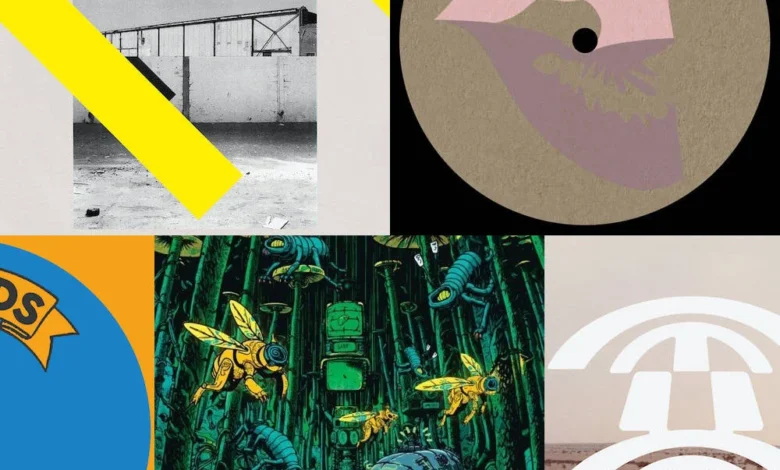
The electronic music landscape continues to evolve through a diverse array of global releases, reflecting a tension between traditional genre foundations and experimental sound design. This week’s selection of EPs and tracks highlights a significant shift in production dynamics, ranging from the introspective, atmospheric textures of the Dutch techno scene to the visceral, industrial-leaning output defining the contemporary UK experimental circuit. By examining these releases, we can identify broader industry trends, including the move toward solitary production paradigms and the integration of organic, non-Western instrumentation within synthetic frameworks.
Artefakt and the Evolution of the Delsin Sound
Artefakt, the project initially conceived as a collaborative duo in 2012, marks a pivotal moment in its history with the release of Flow Tide on the Dutch imprint Delsin. Following a tenure characterized by collaborative synergy, this EP represents a solo endeavor by Nick Lapien. The release signifies more than a mere addition to the label’s catalog; it serves as a case study in the maturation of "desert techno" and melancholic electronica.
Delsin, a label historically instrumental in shaping the European techno identity, has long championed a non-rigid approach to the genre. Flow Tide adheres to this philosophy by prioritizing textural depth over percussive dominance. The five-track EP functions as a fluid sequence rather than a collection of disparate club tracks. Lapien’s production exhibits a patient, detail-oriented methodology, utilizing wide, cinematic soundscapes that challenge the traditional, high-tempo expectations of the genre.
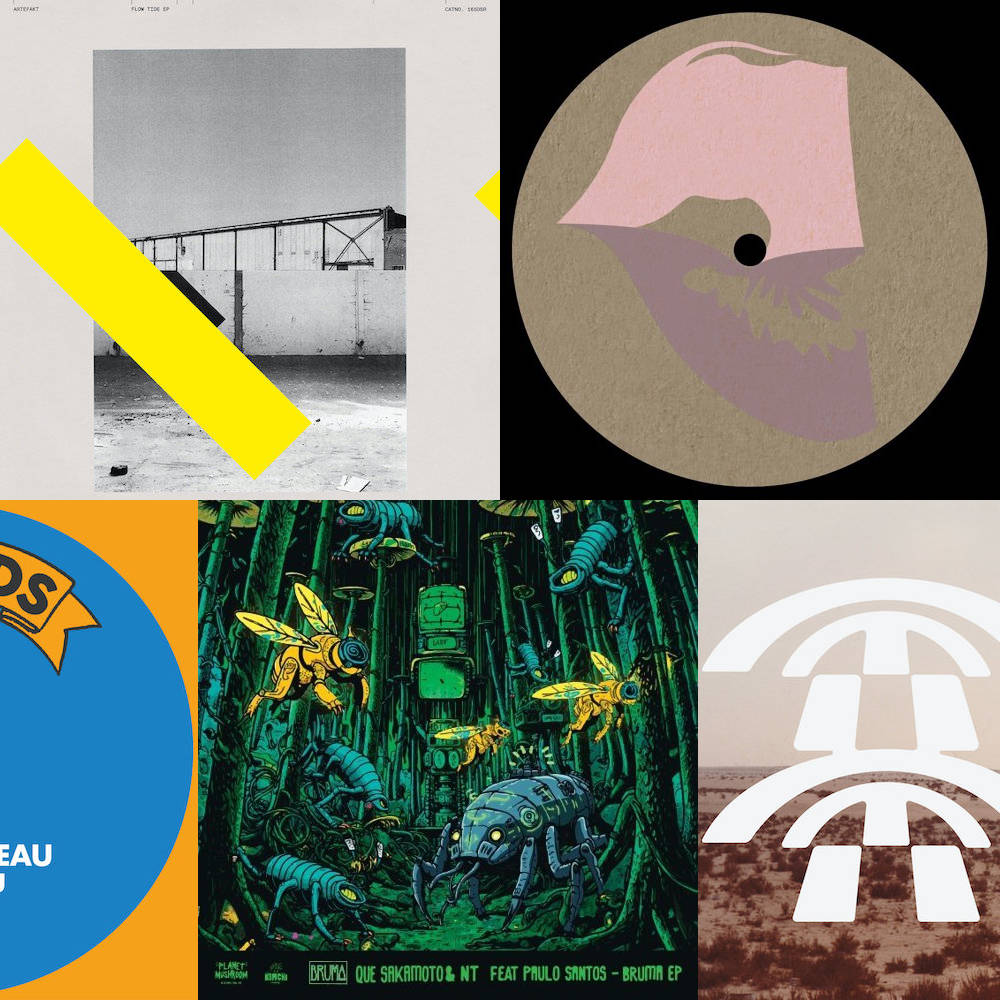
From a production standpoint, the EP functions as a "silent restart" for the Artefakt brand. By moving away from the dual-input creative process, Lapien has refined the project’s signature "shifted warmth." The tracks—notably "Undertow" and "Blackwater"—demonstrate a deliberate restraint, focusing on halftime beats and organic synthesis. The implication for the wider scene is clear: producers are increasingly looking to move beyond the constraints of repetitive, 4/4 club music, opting instead for long-form, atmospheric storytelling that translates as effectively in a home-listening environment as it does on a club system.
Carrier and the Industrial Aesthetic of Thresholds
In stark contrast to the organic flow of Artefakt, the work of Carrier—the alias of Guy Brewer—represents the darker, more aggressive edge of current electronic music. Following the success of his 2023 album Rhythm Immortal, which effectively signaled the sunset of his former alias, Shifted, Brewer’s latest EP, Thresholds, further solidifies his transition into a more abrasive, complex sound design.
Thresholds is characterized by its technical precision and its willingness to embrace dissonance. Industry analysts have noted that the "Carrier" sound is part of a broader resurgence in "brutalist techno," where the focus is placed on rhythmic unpredictability and high-frequency tension. The EP utilizes uneven time signatures and persistent low-frequency rumble, creating a claustrophobic atmosphere.
The significance of Thresholds lies in its craftsmanship. Despite the visceral nature of the sound, the production is meticulous. Brewer’s ability to weave subtlety into tracks defined by "industrial violence" suggests a high level of technical sophistication. For the listener, this provides a "sensorially overwhelming" experience that defies the standard conventions of techno. This release reinforces the position of the Carrier project as a leading voice in the experimental techno sphere, proving that even the most extreme soundscapes require a delicate hand to maintain emotional resonance.
Dub Techno and the Global Connection: DJ Honesty
The release of the Unknown Pleasures EP by DJ Honesty on the label No Speakers highlights the enduring relevance of dub techno in a post-digital era. Having transitioned from Cologne to Lisbon, DJ Honesty brings a trans-European perspective to his work, blending dub, bass music, and hypnotic grooves.
The EP’s standout track, "Gomma Natural," is notable for its breakbeat-driven architecture, which references classic acid-house tropes while remaining firmly rooted in contemporary sound design. The track avoids the "acid-monster" cliches often associated with the genre, opting instead for a sub-bass-heavy, atmospheric progression.
This release provides valuable data regarding the state of dub techno today: it remains a resilient, highly adaptable sub-genre that thrives on the integration of "wobbling" basslines and delicate breakbeat percussion. The participation of Arkajo on a remix further emphasizes the collaborative nature of the label No Speakers. As producers move across borders—from Cologne to Lisbon and beyond—the regional styles of electronic music are increasingly cross-pollinating, leading to a hybrid sound that is both familiar to fans of the 1990s dub movement and distinctly modern in its clarity and rhythmic drive.
House Music and the Commercial Crossover
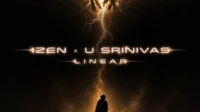
Fort Romeau’s Lovin’ U EP, released on the influential label Rekids, serves as a bridge between the underground club scene and broader, more accessible electronic music. Michael Green, the London-based producer behind the moniker, has established a reputation for balancing complex production with melodic, emotive house music.
The EP, particularly the title track, showcases the "commercial-adjacent" potential of house music without sacrificing artistic integrity. By incorporating "Madchester-style" pianos, string arrangements, and vocal samples, Fort Romeau crafts an anthemic quality that is increasingly rare in the modern house scene.
From an industry perspective, the Lovin’ U EP demonstrates a trend toward "easy-listening" electronic music that maintains high production standards. The track length (exceeding six minutes) and the structural complexity of the arrangements suggest a shift away from the "short-attention-span" culture prevalent in streaming platforms. Instead, it offers a composition that is designed to work in diverse environments, from intimate basement venues to large-scale festival stages.
The Intersection of World Music and Experimentalism
The final highlight of this week’s summary is the Bruma EP by Que Sakamoto and NT, featuring percussionist Paulo Santos. This release is a testament to the increasing globalization of electronic production. By bridging the musical traditions of Tokyo and Brazil, the EP incorporates unconventional instrumentation, such as hand-built instruments by Paulo Santos, into a house-music framework.
The tracks on Bruma represent a departure from standard synthetic loops. The inclusion of metallic textures, organic percussion, and non-Western scales (notably the influence of the Mongolian horse-head fiddle on the title track) points to a growing movement of "ethno-electronic" production.
Contextual Analysis of Industry Trends
The common thread connecting these disparate releases—from Artefakt’s ambient-techno to Que Sakamoto’s world-fusion—is a move toward "slow-burn" production. In a timeline of the last five years, we have seen a clear shift from the high-energy, peak-time dominance of the mid-2010s to a more thoughtful, textural approach.
Key takeaways from this current release cycle include:
- Production Independence: The rise of solo-produced EPs, such as the latest Artefakt project, reflects a trend toward highly personalized, cohesive artistic visions.
- Hybridization: The success of the Bruma EP highlights that audiences are increasingly receptive to the fusion of traditional folk instruments and modern digital synthesis.
- Genre Resilience: Dub techno and industrial techno continue to evolve, proving that established genres can remain relevant through constant sonic refinement and technological innovation.
As these artists continue to influence the trajectory of electronic music, the industry is witnessing a maturation process. The focus is no longer exclusively on the "floor-filling" capacity of a record, but on its ability to contribute to a larger, more complex auditory narrative. Whether through the industrial intensity of Carrier or the organic warmth of Nick Lapien’s latest work, the current electronic landscape is one of deep technical exploration and global cultural integration.