Soft Power Festival: Bridging the Divide Between Club Culture and Contemporary Art in Berlin

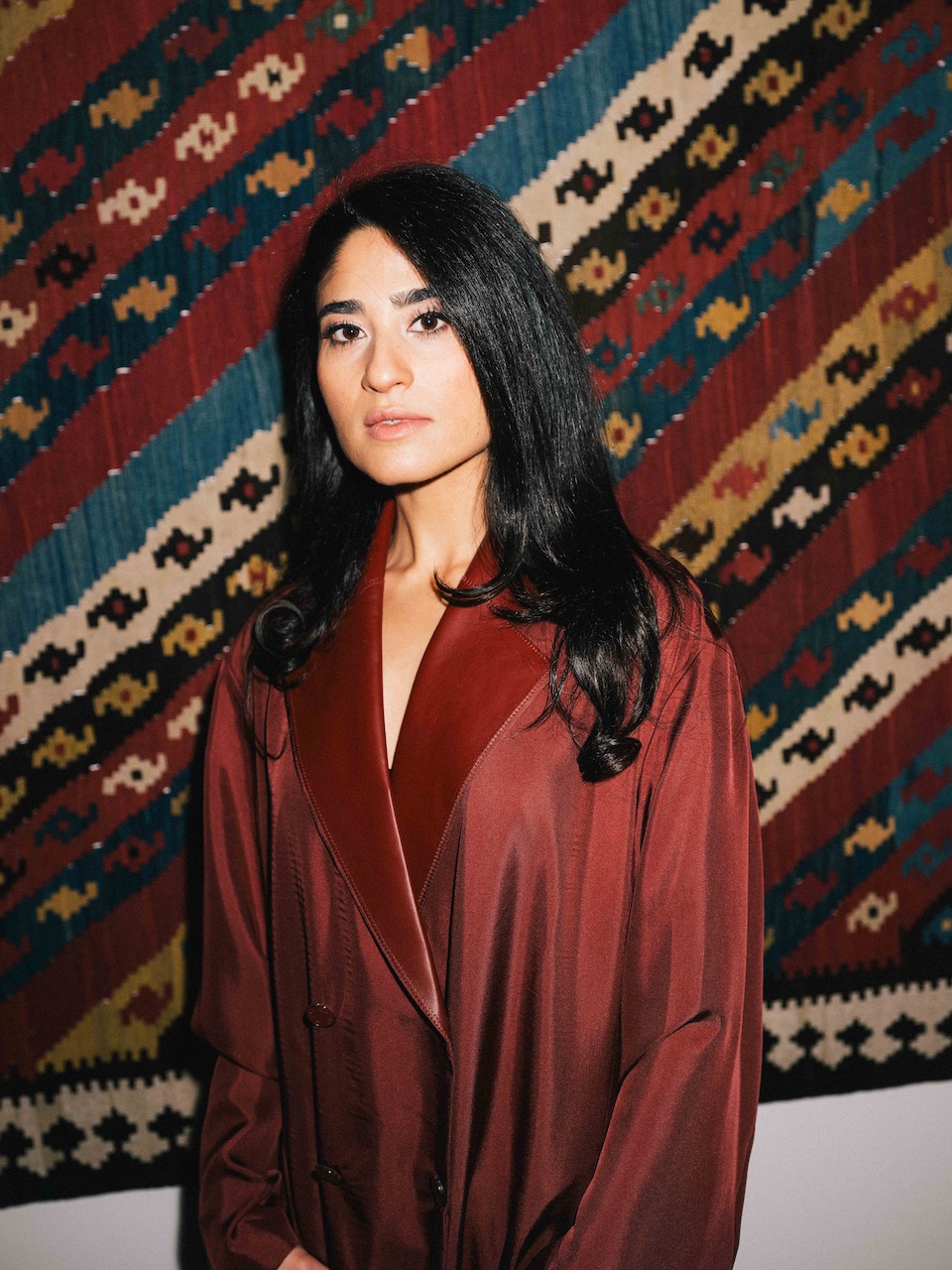
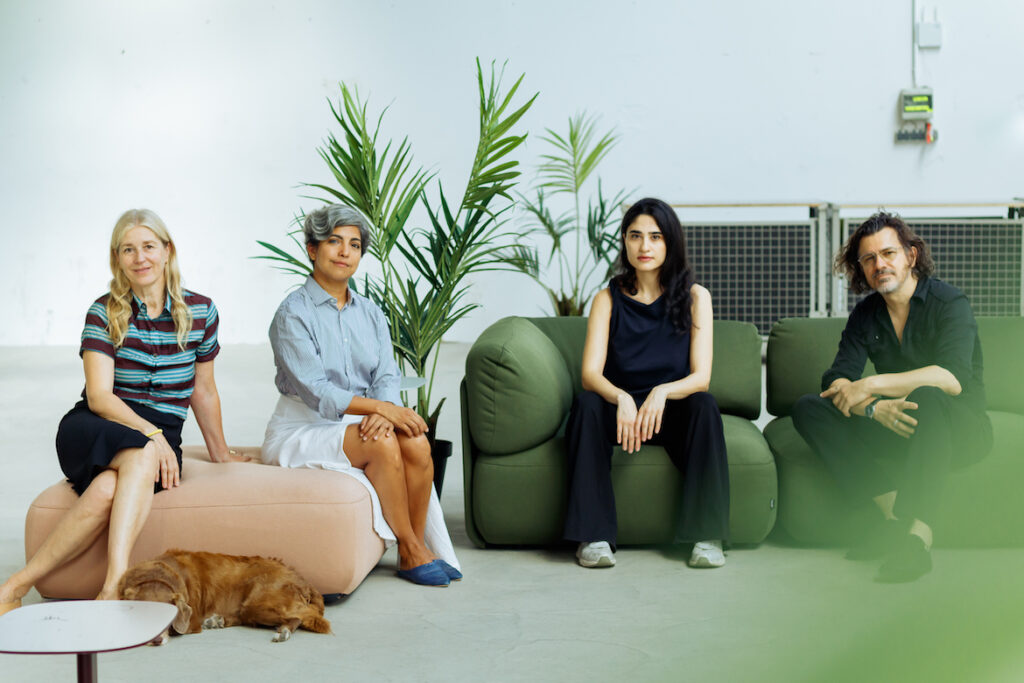
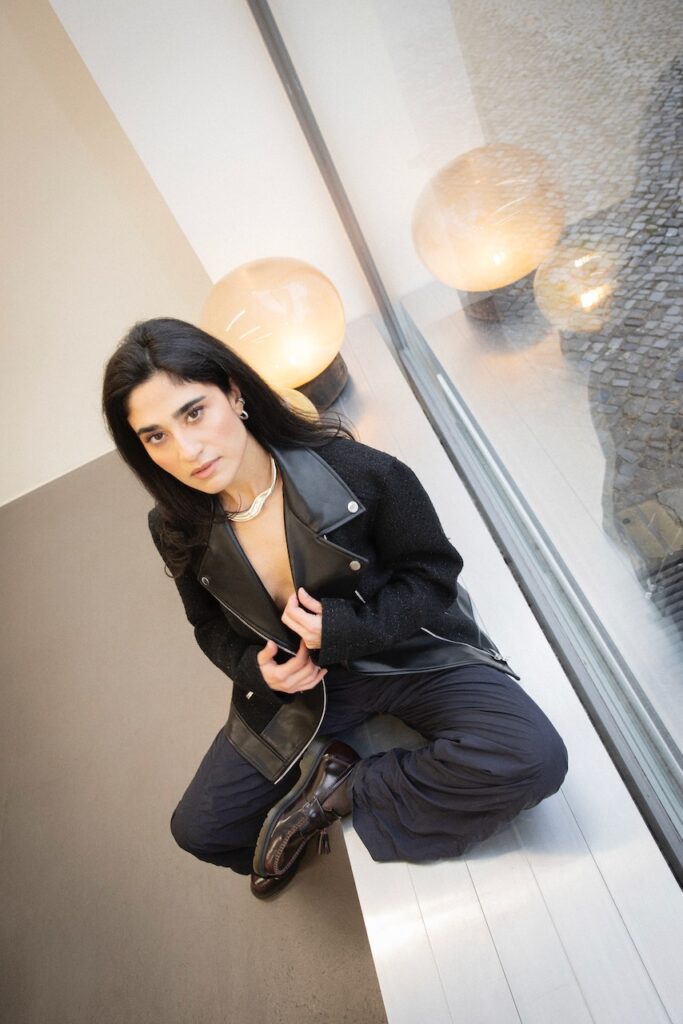
Berlin’s cultural landscape is undergoing a significant transformation this weekend as the inaugural Soft Power Festival debuts at the Haus der Visionäre. Conceived as a multidisciplinary intervention, the event seeks to reconcile the often-siloed worlds of high-concept contemporary art and underground electronic music. By uniting over 130 practitioners, artists, and musicians, the festival organizers aim to move beyond mere aesthetic fusion, positioning the event as a deliberate exercise in social and political infrastructure. At the helm of this initiative is Berlin-based gallerist and curator Anahita Sadighi, who has collaborated with art critic María Inés Plaza Lazo and architectural firm Gonzalez Haase AAS to create a space that functions simultaneously as an exhibition, a performance venue, and a site for discourse.
Conceptual Origins and Structural Philosophy
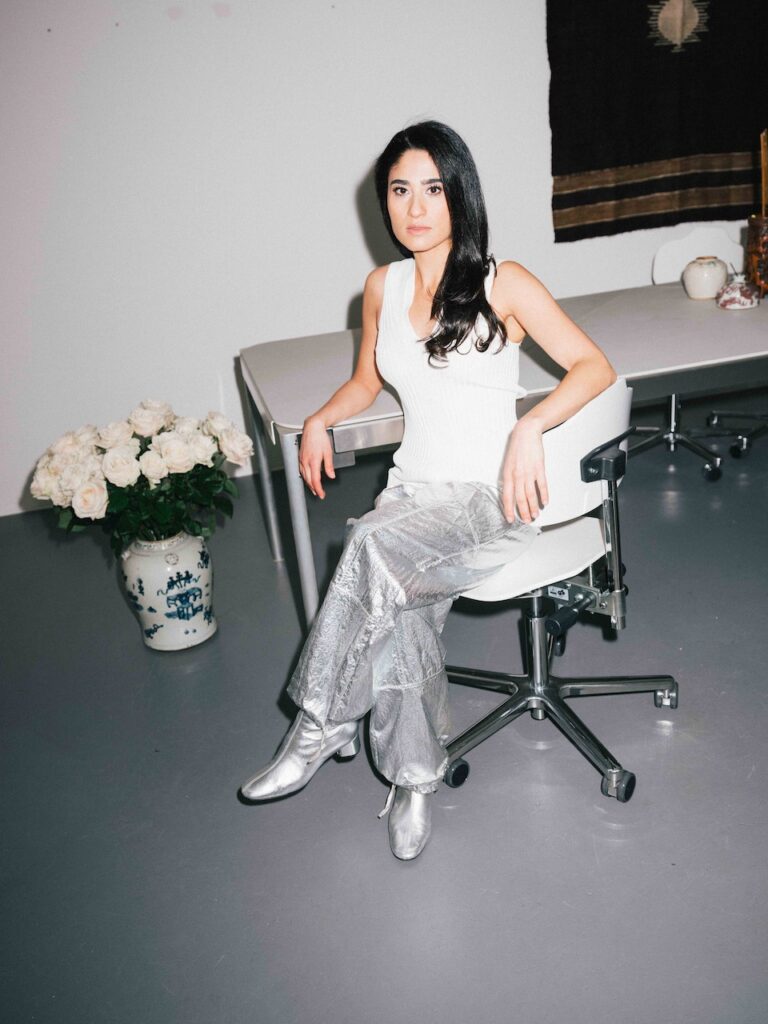
The genesis of the Soft Power Festival lies in the transdisciplinary background of its founder. Anahita Sadighi, whose Charlottenburg gallery regularly exhibits historical and contemporary works, has long integrated music into her curatorial practice. Inspired by the legacy of David Mancuso’s Loft Parties in 1970s New York—events that prioritized inclusivity and sonic fidelity over mainstream club logic—Sadighi envisioned a format where art and music could inform one another.
The festival is structured into nine thematic "chapters": Arrival, Gathering, Listening, Remembering, Imagining, Hospitality, Ritualizing, Resonating, and Becoming. This narrative arc serves as the framework for the 48-hour programming, ensuring that the transition between gallery-based art installations and the high-energy environment of the dancefloor remains intentional. Rather than relying on standard festival tropes, the event uses the architectural expertise of Gonzalez Haase AAS to ensure that the environment itself dictates the flow of human interaction, effectively turning the act of collaboration into a political statement against the isolationism often found in competitive creative industries.
The Curatorial Vision: Redefining Soft Power
The term "Soft Power," originally coined by political scientist Joseph Nye to describe the ability of states to influence others through attraction rather than coercion, is here reappropriated for the cultural sector. The curators argue that contemporary art and electronic music possess a unique capacity to shape public consciousness through collective, creative practice.
The exhibition component, co-curated by María Inés Plaza Lazo, features a diverse range of international artists whose work interrogates the fluidity of identity and history. Featured participants include Diane Severin Nguyen, whose work explores the ambivalence of belonging; Mariana Castillo Deball, who investigates the intersection of migrant labor and institutional power; and Ian Waelder, whose installations bridge the gap between architectural soundscapes and personal memory. By focusing on these specific voices, the festival avoids the pitfall of "tokenistic internationalism," opting instead to showcase works that materially and theoretically complicate the concept of power dynamics in the modern era.
A Chronology of Engagement
The festival’s schedule is designed to facilitate a continuous, evolving experience. Commencing with discussions hosted by the Clubcommission and the DLD Music School, the event highlights the urgent need for structural support for Berlin’s nightlife. These panels address the economic vulnerabilities of cultural spaces, particularly in the lead-up to Berlin’s municipal elections, where the survival of nightlife venues is a pressing political issue.
The musical programming operates as a secondary, fluid layer. A 48-hour continuous dancefloor features an eclectic mix of artists, ranging from Raha and Camion Bazar to Fred P, Bruno Schmidt, and Lakuti. The curation of these sets, handled by Mike D, emphasizes the atmospheric shifts within the space, treating music as a transformative force rather than a linear entertainment product. Parallel to this, live performances by artists like Mohammad Reza Mortazavi, Ghostpoet, and Maryisonacid occur within the exhibition halls, creating a deliberate tension between the focused attention required for a concert and the liberated, collective energy of the dancefloor.
Economic and Institutional Context
The festival’s existence is notable given the current climate of widespread cultural funding cuts in Germany. While the project is a non-profit endeavor, it received a foundational grant from the Berlin Senate for Economics, recognizing the event’s innovative approach to cultural development. This financial support, coupled with the cooperation of the Berlin Art Week, underscores the importance of public-private partnerships in sustaining the city’s creative ecosystem.
With a weekend pass priced at 35 euros, the organizers have made a concerted effort to keep the festival accessible, challenging the trend of hyper-commercialization in the event industry. This commitment to affordability is framed as a practical application of "Soft Power"—a way to prioritize community access over maximum revenue generation.
Implications for Future Cultural Policy
The Soft Power Festival is not intended as a one-time event; it is slated to become a biennial occurrence. The organizers plan to deepen their inquiry into the sociopolitical potential of cultural spaces in future iterations. The ongoing dialogues, such as the session moderated by María Inés Plaza Lazo featuring Edna Bonhomme, Norman Ohler, and Fred P, provide a glimpse into the depth of the intellectual inquiry the festival intends to sustain.
The broader implications of this project are significant. By integrating political advocacy with high-art curation and underground dance culture, the festival proposes a model for "cultural infrastructure." It posits that in an era of increasing societal fragmentation, the act of gathering—and the manner in which that gathering is facilitated—is a critical component of democratic participation.
Data and Artistic Curation: A Synthesis
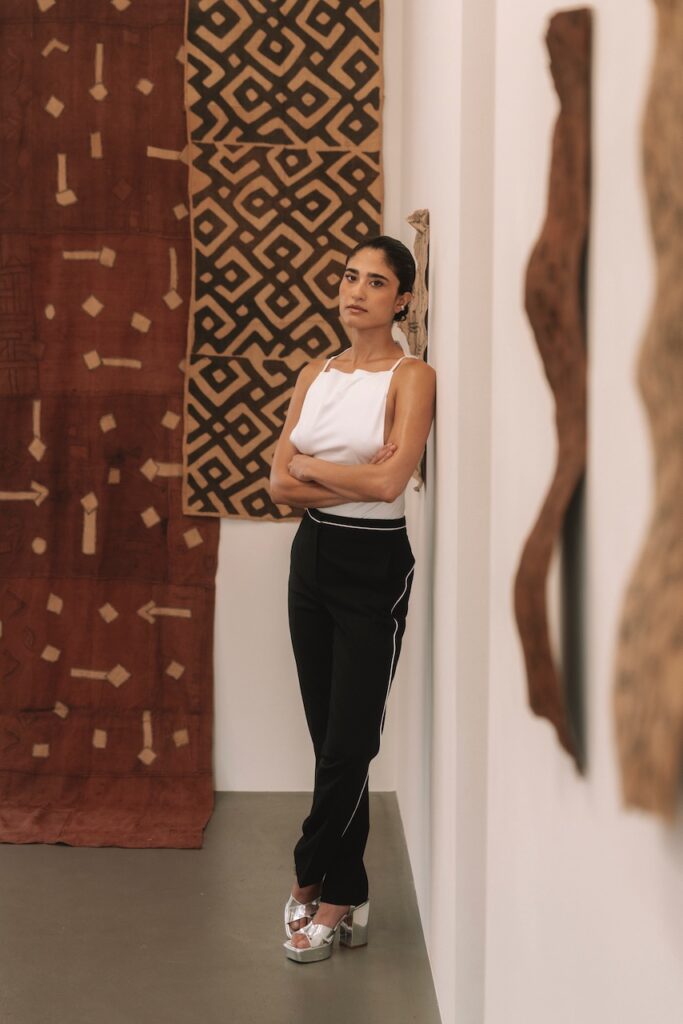
The selection of artists was predicated on their ability to resist simple categorization. Works like those by TAWNA, an anticolonial collective from the Amazon, or the unstable, shifting surfaces created by Elif Saydam, provide a direct contrast to traditional, static museum exhibitions. By situating these works within a space that also hosts continuous electronic music, the curators create a "living archive" of contemporary experience.
Refuge Worldwide’s 36-hour community radio broadcast serves as the digital tether for the festival, ensuring that the discourse occurring within the Haus der Visionäre reaches a broader, global audience. This integration of local and digital participation is a hallmark of the organizers’ approach to building a sustainable, interconnected community.
Looking Toward the Future
As the festival draws to a close, the focus shifts toward the long-term impact of this initiative. For Anahita Sadighi, the success of the festival will not be measured by size or attendance records, but by the strength of the networks formed between the participants and the public. By treating culture as a resource to be shared rather than a commodity to be sold, the Soft Power Festival is carving out a new space for artistic expression in Berlin.
The event concludes that the future of the city’s creative scene relies on the ability of its practitioners to bridge the gap between the private gallery, the political forum, and the public dancefloor. As Berlin continues to navigate the pressures of gentrification and shifting political priorities, the Soft Power Festival offers a template for how cultural institutions can remain both relevant and resistant, proving that true influence—soft power—is found in the strength of communal connection and the shared experience of the creative process.
Related posts: