Samson: A Tyndalston Story – A Gritty Dive into 90s Crime with Jesper Kyd’s Authentic Trip-Hop Soundtrack

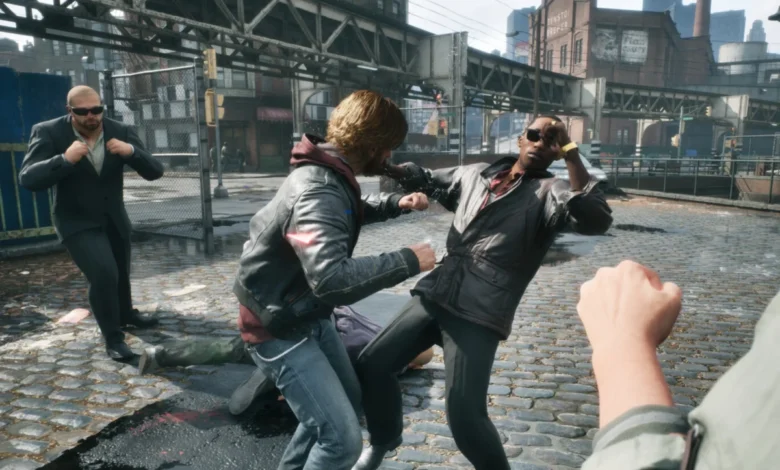
As the gaming world anticipates the release of major titles like Grand Theft Auto 6, a new contender has emerged, offering players a brutal and emotionally resonant crime experience. Samson: A Tyndalston Story, from industry veteran Christofer Sundberg, known for his work on action-packed franchises such as Just Cause and Mad Max, has launched as a compelling alternative, distinguished by its unforgiving gameplay, a narrative steeped in personal stakes, and a meticulously crafted trip-hop soundtrack by acclaimed composer Jesper Kyd. This title plunges players into the grubby, crime-ridden streets of the fictional city of Tyndalston, delivering a concise yet emotionally charged tale of redemption and survival amidst vehicular chaos and visceral violence.
A Narrative of Debt, Desperation, and Redemption
The core of Samson: A Tyndalston Story revolves around its titular protagonist, an ex-convict recently released from prison. Samson’s return to Tyndalston is not a homecoming but a forced reckoning. He finds himself immediately entangled in a perilous situation, burdened by a hefty debt to the very mob bosses who orchestrated the failed heist that landed him behind bars. The stakes are raised exponentially with the kidnapping of his younger sister, held as collateral against the escalating daily interest on his debt. To secure her freedom and his own future, Samson must navigate the treacherous underworld of Tyndalston, where illicit opportunities abound for those willing to bend, or outright break, the law.
Players are tasked with a series of high-stakes missions, ranging from gathering incriminating evidence against duplicitous gangsters to shaking down corrupt nightclub owners and confronting hot-headed rivals who have crossed Samson’s temporary employers. The gameplay promises a blend of intense action and strategic decision-making, forcing players to confront the moral ambiguities inherent in a life of crime. This blend of open-world mechanics with a tightly focused, character-driven narrative positions Samson as a noteworthy entry in the crime genre, offering a distinct flavor compared to its more sprawling counterparts. The game is currently available for PC, with its soundtrack also accessible for streaming.
Jesper Kyd: The Architect of Tyndalston’s Auditory Identity
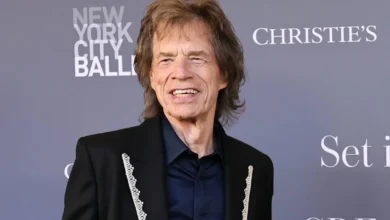
Central to the game’s immersive atmosphere is its original, pulsating trip-hop soundtrack, composed by the highly regarded Jesper Kyd. With a career spanning decades and credits on iconic franchises like Assassin’s Creed, Hitman, Borderlands, and Warhammer 40K Darktide, Kyd brings a wealth of experience in crafting evocative soundscapes. His work on Samson is described as a ’90s gangster drama, infused with moody electronic anthems that draw comparisons to the industrial fury of Nine Inch Nails, the captivating fantasy of Massive Attack, and the urgent rhythmic propulsion found in Portishead’s albums. This deliberate sonic choice serves to ground the game’s brutal action in a palpable sense of time and place.
Kyd articulated his vision for the soundtrack, stating, "The music needed to have attitude to fit with the character of Samson and his flirtations with crime. It also needed to feel dirty and brutal because that’s the grim world he lives in. Whenever you play, I want you to be reminded about where he’s come from." This philosophy underscores a commitment to integrating the musical score deeply into the game’s narrative and thematic fabric, ensuring that every beat and melody reinforces Samson’s struggle and the harsh realities of Tyndalston.
Rooted in the Danish Rave Scene: A Chronology of Inspiration
Kyd’s involvement with Samson: A Tyndalston Story began approximately two years prior to its release, working closely with developers Liquid Swords as the game’s music director. He describes the creative process as uniquely liberating yet challenging. "For this project, there really were no guidelines and everyone was looking at me to come up with the ideas [for the sound of Tyndalston]. It took me a long time to write the actual music because of how much freedom I had. It was not an easy or a quick project, but it was really refreshing." This unbridled creative freedom allowed Kyd to delve deeply into his personal history and musical influences.
To accurately capture the ’90s chronological period of Samson, Kyd embarked on a journey down memory lane, reflecting on his formative years. Having turned 18 at the dawn of the 1990s, Kyd was perfectly positioned to witness the explosion of electronic music. He began scoring video games shortly thereafter, his early experiences deeply intertwined with the burgeoning rave scene. "I went to a lot of raves back then. Dance music was becoming commercial thanks to Orbital, The Prodigy, The Chemical Brothers and Underworld. There was just so much new music being invented that we’d never heard before," Kyd recalls. This period, characterized by relentless innovation in electronic music, naturally became a profound influence on his artistic output.
Kyd experimented with various musical styles to find the perfect fit for Samson. He considered the sugary pop of boy bands, the raw energy of grunge, and the swaggering beats of hip-hop, but none resonated with the game’s specific atmospheric needs. It was the dark, atmospheric electronic music of trip-hop that finally struck the right chord. Artists like Tricky, Massive Attack, and Earthling, who defined the genre, offered the "pissed-off" attitude and anarchic edge required, while simultaneously transporting players back three decades. Kyd emphasizes the unique power of electronic music: "When you listen to rock, it’s all about the melodies or the cool riff but electronic music can really transport you somewhere else. That became the cornerstone of the game’s sound."
Massive Attack and the Philosophy of DIY Authenticity

Massive Attack’s seminal 1998 album Mezzanine holds a special place in Kyd’s musical pantheon, hailed by him as a "masterpiece" that retains its freshness. However, rather than directly imitating the sound of his favorite trip-hop acts, Kyd sought to emulate their "overall approach" to music production. His goal was to create a soundtrack that could "stand apart as its own thing," avoiding the pitfall of sounding like a mere derivative of established bands.
This commitment to authenticity led Kyd on an extensive research journey into the trip-hop genre, culminating in the acquisition of the very analogue synthesizers and vintage drum machines that ’90s electronic artists would have utilized. Instruments like the Akai MPC 2000XL, the Minimoog, and the Oxford became integral to his creative process. Kyd highlights the hands-on nature of these tools: "You actually have to perform on those tools [rather than pulling up a list of pre-programmed beats], which makes the music livelier and gives everything this organic feel." This meticulous attention to detail was driven by a belief that "gamers and music fans would be able to tell [if we faked it]," underscoring the importance of genuine artistic effort in a world increasingly saturated with digital shortcuts.
A Protest Against AI-Created Art: The Human Touch in Sound Design
Kyd’s choice to employ real instruments and perform on synthesizers, rather than relying solely on computer sequencing, was a deliberate and time-consuming decision, but one he deemed critically important. This approach carries a broader implication: it serves as a subtle yet powerful protest against the rise of AI-generated art. "In this day and age with AI, we should be doing everything we can to make music that sounds as authentic and real as possible, like there’s actually an artist behind it," Kyd asserts. He acknowledges that AI might find a place in futuristic game settings requiring a highly polished, synthetic sound, but firmly believes it was antithetical to the gritty, human-centric world of Samson.
This dedication to a ‘human touch’ allowed Kyd the freedom to innovate within the genre’s established boundaries. By working with authentic equipment, he could "do my own thing and it would still be faithful." His objective was to create music that could authentically exist within the trip-hop era while simultaneously incorporating modern mixing and production techniques to avoid sounding dated. The result is a "hybrid," inter-generational sound that pays homage to the past while remaining relevant and fresh for contemporary audiences. This philosophical stance on artistry in the age of AI resonates with a growing number of creators who advocate for the preservation of human creativity and the unique nuances it brings to artistic expression.
The Genesis of a Universe: Tyndalston’s Expansive Future
Despite the inevitable early comparisons to Grand Theft Auto and Sundberg’s own legacy with Just Cause and Mad Max, the development of Samson was approached as an entirely "brand new project" by all involved. Kyd emphasizes, "It was important for all of us to build this world from the ground up as a whole new thing." This foundational approach hints at a much larger vision for the Tyndalston universe.
Indeed, Christofer Sundberg has reportedly mapped out an extensive 400 years of Tyndalston history, indicating ambitious plans for future projects. These plans extend beyond gaming, encompassing ideas for films and TV shows. Story Kitchen, a studio known for its involvement in adaptations of popular gaming IPs like Life Is Strange, Tomb Raider, and House Of The Dead, is already engaged in preliminary discussions regarding these transmedia expansions. This move aligns with a broader industry trend where successful gaming franchises are increasingly being leveraged into cross-platform entertainment properties, capitalizing on established lore and fanbases.
Kyd, while excited by the prospect, humorously acknowledges the scale of such an undertaking: "I’ll think about that when I need to, otherwise my brain will explode." His immediate focus remains on current projects, including a "historical inspired" score for another game. This comes after a prior project, the highly anticipated Wonder Woman game at Monolith Studios, was unfortunately scrapped last year, a setback Kyd described as disappointing given the innovative direction they were pursuing.
Industry Trends and the Enduring Spirit of Creativity
Kyd’s perspective on the current gaming landscape is one of optimism and excitement. "There are so many exciting things happening in gaming right now with all these different genres being rebooted, rediscovered and reimagined," he notes. His approach to selecting projects is guided by passion rather than financial incentives, a philosophy he attributes to his formative years in Denmark’s underground "demoscene." This lawless, creative collective blended music, visual art, sampling, and computer programming, fostering an environment where innovation and disruption were paramount. "It was always about who can do something unusual, who can surprise people and who can blow the lid off stuff," Kyd reflects. For him, Samson: A Tyndalston Story provided precisely that opportunity to revisit and embody this pioneering spirit.
The launch of Samson: A Tyndalston Story represents more than just a new game; it embodies a confluence of veteran talent, a commitment to authentic storytelling, and a deliberate artistic statement on sound design. Sundberg’s expertise in crafting engaging open-world experiences, combined with Kyd’s masterful ability to create immersive auditory environments, positions Samson as a compelling entry in the crime genre. Its ’90s aesthetic, rich narrative, and unique soundtrack offer a gritty, alternative experience for players looking for depth and intensity beyond the usual blockbusters. The potential for the Tyndalston universe to expand across various media platforms further underscores its significance as a new and ambitious IP in the entertainment landscape, demonstrating the enduring power of passion-driven creative endeavors in an ever-evolving industry.