Chris Lake Delivers Masterful Performance at Toronto Waterfront Amphitheatre, Showcasing Innovation and Enduring Appeal

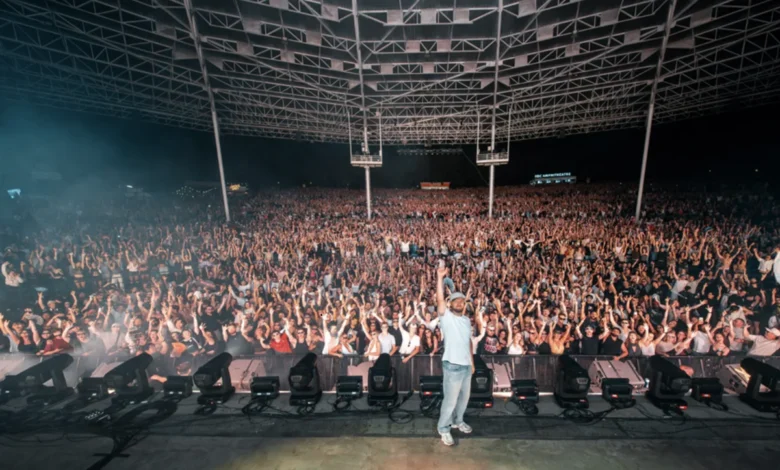
Toronto’s iconic waterfront amphitheatre recently served as the backdrop for an electrifying two-hour set by house music luminary Chris Lake, an event that firmly cemented its reputation as a premier destination for summer dance shows. The evening, held on a Friday, offered a welcome respite from a week marred by lingering wildfire smoke, as the skies cleared just in time to provide an open-air atmosphere with stunning skyline views. The only heat and intensity experienced by the thousands of attendees came from the meticulously curated sounds emanating from the decks, delivered by both Lake and supporting act Riordan. The event, a significant fixture in Toronto’s vibrant summer music calendar, underscored the city’s robust appetite for electronic dance music and its capacity to host world-class talent in a uniquely picturesque setting.
The Venue and Prevailing Conditions
The waterfront amphitheatre, known for its strategic location and excellent acoustics, consistently ranks among Toronto’s most cherished venues for live music, particularly during the warmer months. Its design, allowing for expansive views of the city skyline and Lake Ontario, creates an immersive experience that enhances any performance. The anticipation for Chris Lake’s set was heightened by the preceding environmental conditions; a recent period saw Toronto grappling with significant air quality issues due to wildfire smoke drifting from northern regions. This created uncertainty for outdoor events, making the clear skies on the night of the concert a fortunate turn of events that contributed to an almost celebratory atmosphere. Attendees, having endured days of hazy conditions, arrived with a collective sense of relief and an eagerness to fully immerse themselves in the uninhibited joy of live music under a clear, starlit sky. The capacity of the venue, typically accommodating over 15,000 patrons for such events, was notably well-attended, a testament to Chris Lake’s drawing power and the allure of the revitalized waterfront experience.
Riordan Sets the Stage: A Seamless Transition
The evening commenced with a meticulously crafted opening set by Riordan, whose selection proved to be an ideal precursor to Chris Lake’s main performance. Riordan, a familiar face to Toronto’s electronic music aficionados, demonstrated his acumen for building energy progressively, without prematurely peaking the crowd’s enthusiasm. His groovy house selections resonated deeply with the audience, showcasing a sophisticated understanding of pacing crucial for a support act. Many in the crowd fondly recalled Riordan’s acclaimed performance at last year’s Electric Island festival, a benchmark event in Toronto’s summer electronic music circuit, where he solidified his connection with the local scene. By the conclusion of his set, Riordan had successfully cultivated an atmosphere of vibrant anticipation, leaving the crowd perfectly primed and energized for Chris Lake’s highly anticipated appearance. This careful curation of the opening act is a hallmark of successful electronic music events, ensuring a continuous flow of energy and a seamless transition between performers.
Chris Lake’s Performance: A Blend of Legacy and Innovation
Chris Lake, a stalwart in the house music scene with a career spanning over two decades, wasted no time in delving into his extensive catalogue. However, what truly distinguished his two-hour set was not merely the inclusion of his familiar anthems, but the significant volume of unreleased music, exclusive edits, and fresh remixes expertly woven throughout the performance. This approach underscores Lake’s commitment to innovation and his consistent effort to push the boundaries of his sound, even while performing to large, diverse audiences. Toronto’s audience was treated to a substantial preview of what is likely to shape the future soundscapes of house music, a testament to Lake’s role as a tastemaker and innovator within the genre. His ability to blend his storied past with his forward-thinking vision is a key factor in his enduring relevance and popularity.
IDs, Edits, and Peak-Time House: Deconstructing the Setlist
The setlist was a dynamic journey through various facets of contemporary house music, characterized by a deliberate mix of established hits and tantalizing new material. Among the standout moments, the unreleased Chris Lake & MPH ID garnered significant attention. This track, observed by over 15,000 people, possessed all the hallmarks of a future festival weapon – massive drops, intricate basslines, and an undeniable groove that instantly captivated the audience. The enthusiastic response to this ID highlighted the crowd’s appreciation for new music and their trust in Lake’s ability to deliver future classics.
Beyond the fresh material, Lake masterfully integrated his foundational tracks, satisfying the loyal fanbase who never tire of hearing his signature sounds. Classics such as "In The Yuma," with its distinctive vocal hooks and infectious rhythm, ignited sing-alongs across the amphitheatre. "925," a collaboration with the rapidly rising Sammy Virji, demonstrated Lake’s keen ear for emerging talent and his ability to integrate diverse sounds into his sets, bridging different sub-genres of house. Tracks like "Savana" and "Ease My Mind" further showcased his versatility, delivering deep, resonant basslines and melodic elements that kept the crowd deeply immersed. The seamless transition between these beloved tracks and newer, experimental sounds illustrated Lake’s profound understanding of crowd dynamics and his technical prowess behind the decks.
The Power of the Remix: Reimagining Classics

Some of the most impactful moments of the night stemmed from Lake’s innovative remixes and bootlegs, demonstrating his artistry in reimagining existing tracks for a contemporary dancefloor. His rendition of The Chemical Brothers’ iconic "Galvanize" sounded particularly monumental on the waterfront, transforming the original’s gritty breakbeat energy into a driving house anthem that reverberated through the open-air venue. This remix was a prime example of Lake’s ability to pay homage to electronic music history while injecting his distinctive modern flair.
Perhaps the most talked-about moment was the unreleased remix of Beyoncé’s "Crazy In Love," a collaborative effort with Eats Everything and MPH. This audacious reinterpretation of a global pop anthem instantly became a crowd favourite. The initial notes of the familiar melody sparked immediate recognition, followed by an enthusiastic surrender as the audience was pulled into the track’s entirely new, house-infused groove. The sheer unexpectedness and flawless execution of this remix created a unifying moment of collective euphoria, underscoring the power of creative sampling and genre-bending in live electronic performances. The availability of a fan-recorded snippet of this remix online (as provided in the original content) further illustrates the immediate impact and viral potential of such exclusive live edits.
Lake continued to keep the audience engaged with a steady stream of inventive edits and bootlegs. The FISHER remix of Robin S.’s timeless "Show Me Love" delivered exactly the euphoric impact expected, prompting the entire venue to erupt in a massive sing-along. This track, already a staple in dance music culture, received a contemporary update that resonated deeply with both seasoned fans and newer attendees. Another notable "curveball" was the Anti Up remix of Cake’s "Short Skirt/Long Jacket." Anti Up, Lake’s collaborative project with Chris Lorenzo, is known for its playful yet potent house productions. This particular remix, twisting an indie-rock classic into a quirky, dancefloor-ready banger, caught many off guard in the best possible way, eliciting cheers and laughter alongside frantic dancing. These unexpected inclusions showcased Lake’s willingness to experiment and inject humour and eclecticism into his sets, preventing any sense of predictability.
Audience Engagement and the Live Experience
The atmosphere throughout the evening was one of palpable excitement and unbridled energy. The crowd, a diverse mix of dedicated house heads and casual music lovers, moved in unison, a testament to the universal appeal of Lake’s sound. From the front rows near the stage to the sprawling lawn areas, attendees were fully immersed in the experience, their movements synchronized with the driving beats. The sophisticated lighting design, synchronized with the music, further enhanced the sensory journey, painting the night sky with vibrant hues and dynamic patterns that accentuated each drop and build-up. The sheer volume of phones held aloft, not just for recording but often for identifying tracks via Shazam, highlighted the hunger for discovery among the audience, particularly for the many unreleased IDs and edits that peppered Lake’s set. This interaction between artist, music, and technology is a defining characteristic of modern electronic music culture.
Broader Implications: Chris Lake’s Influence and the Toronto Scene
Chris Lake’s performance in Toronto was more than just a concert; it was a reaffirmation of his status as a leading figure in contemporary house music. His ability to consistently deliver high-energy sets that blend innovation with nostalgic appeal ensures his continued relevance in a rapidly evolving genre. The seamless integration of new material alongside established hits demonstrates a keen understanding of his audience while simultaneously pushing artistic boundaries. This approach not only entertains but also educates, introducing listeners to the sounds of tomorrow.
For Toronto, the event reinforced its position as a significant hub for electronic music in North America. The city’s audience consistently demonstrates an educated and enthusiastic response to quality dance music, attracting top-tier international talent. Events like these contribute significantly to the local economy, drawing concertgoers from across the province and beyond, supporting local businesses, and enhancing Toronto’s cultural vibrancy. The smooth execution of such a large-scale event, especially given the preceding environmental concerns, speaks volumes about the professionalism of the organizers and the resilience of the city’s entertainment industry. The positive reception from attendees suggests a strong desire for continued investment in bringing diverse electronic music experiences to Canadian stages.
Future Engagements: A Continuing Journey
For those who missed the electrifying performance in Toronto, Chris Lake’s demanding schedule offers numerous opportunities to catch him live. He maintains a prominent residency at OMNIA Las Vegas, a testament to his consistent drawing power in one of the world’s entertainment capitals. For Canadian fans, another significant opportunity awaits with the "Chris Lake & Friends" takeover at ÎleSoniq’s Oasis Bell Stage next month. This festival appearance promises to be another highlight, offering a curated experience that showcases Lake’s diverse influences and collaborative spirit within a larger festival setting. ÎleSoniq, held at Parc Jean-Drapeau, is a major annual event that consistently features a stellar lineup of electronic music artists, making Lake’s presence there a highly anticipated addition.
Fans are encouraged to consult his official website for comprehensive details on upcoming tour dates and festival appearances. These opportunities underscore Lake’s commitment to engaging with his global fanbase and his continuous contribution to the evolving landscape of electronic dance music. The Toronto performance serves as a powerful indicator of the excitement and innovation that Chris Lake continues to bring to the stage, leaving audiences eager for his next chapter.
Related posts: