John R. Miller Delivers Erudite Insight and Musical Versatility in New Album The Great Unknowing

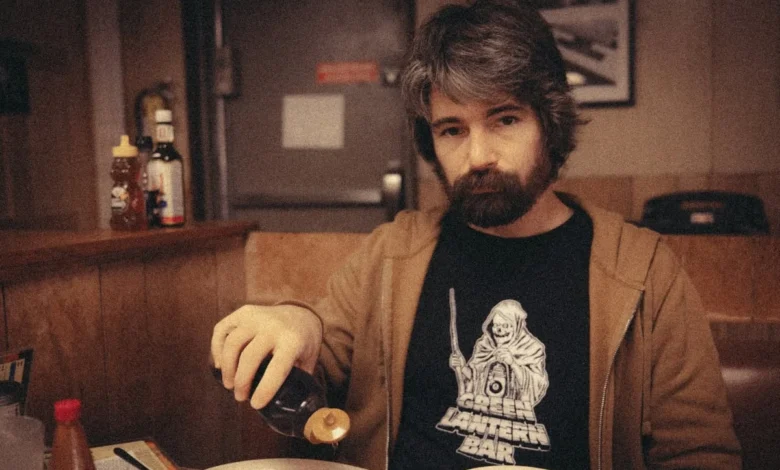
West Virginia singer-songwriter John R. Miller has released his latest full-length studio effort, titled The Great Unknowing, marking a significant milestone in a career defined by rural authenticity and lyrical depth. Released on July 17, 2026, the album serves as a sprawling 16-track collection that traverses a wide spectrum of American roots music, including honky-tonk, Appalachian folk, and feral folk-rock. Produced in collaboration with longtime guitarist Adam Meisterhans, the project has been met with critical acclaim for its ability to balance Miller’s trademark "crotchety old soul" perspective with a newfound sonic energy that occasionally veers into manic territory. The album represents a departure from the more understated delivery found in his 2023 release, Heat Comes Down, offering instead a more expressive and diverse listening experience that underscores Miller’s reputation as a master of the "slice of life" narrative.
A Career Defined by Appalachian Authenticity
To understand the significance of The Great Unknowing, one must look at the trajectory of John R. Miller’s career within the broader context of the Appalachian music revival. Hailing from the Eastern Panhandle of West Virginia, Miller spent years honing his craft in various string bands and traveling acts, most notably the Engine Lungs. His songwriting has long been characterized by a gritty, unvarnished realism—a quality that famously led fellow West Virginian Tyler Childers to describe him as a "well-traveled wordsmith" who maps out the world "three chords at a time."
Since signing with Rounder Records, a label historically synonymous with high-quality bluegrass and roots music, Miller has occupied a unique space in the industry. While contemporaries like Childers have ascended to arena-level stardom and explored philosophical or religious themes, Miller has remained firmly rooted in the mundane and the messy. His public persona—often described as a man tinkering with songs between benders and sobriety, sipping cold coffee while avoiding domestic responsibilities—has resonated with a demographic of listeners who value honesty over artifice. The Great Unknowing continues this tradition, presenting Miller not as a polished superstar, but as a resilient, if somewhat disorganized, messenger of rural wisdom.
Production and Sonic Evolution
The Great Unknowing is a co-production between Miller and Adam Meisterhans, a partnership that has yielded a more dynamic sound than previous efforts. The album’s 16 tracks are categorized under the "Country DDS" classification system as a blend of Rock-Inspired Americana (570.4), Appalachian folk (#519), and Hard Country (#510.3). This stylistic variety is evident from the opening tracks, which lean heavily into rock influences, catching some longtime fans off guard with their intensity.
A standout moment in this stylistic exploration is the inclusion of "Golden Light," a country-rock anthem penned by Dan Baird. The track serves as a bridge between Miller’s folk roots and a more aggressive, electric sound. However, the album does not abandon the traditional country foundations that built Miller’s following. Tracks such as "If You Could Only See Me Now" and "Double Lives" are being cited as the most traditional "hard country" songs in Miller’s entire discography. This juxtaposition of "manic" rock energy and "languid" honky-tonk suggests an artist who is no longer afraid to experiment with the boundaries of his genre.
Lyrical Themes and Narrative Depth
At its core, The Great Unknowing remains a songwriter’s album. Miller’s lyrics continue to explore the complexities of the human condition through the lens of a "used vehicle" life. He captures the essence of rural existence not through grand metaphors, but through the specific, often overlooked details of daily survival.
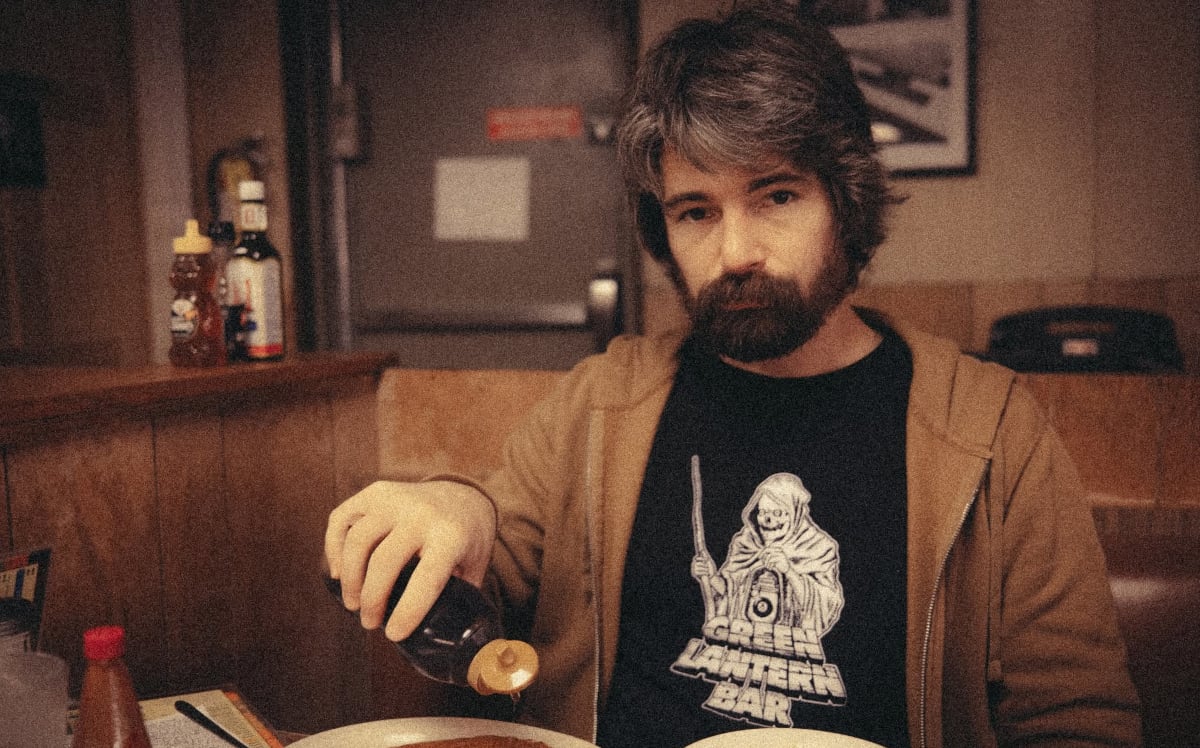
The album features several character-driven narratives, such as "Daughter of Night" and "Cornbread and Pinto Beans." These songs avoid the pitfalls of caricature, instead presenting their subjects with a sense of dignity and realism. Miller’s ability to "bumble his way into little bits of wisdom" is perhaps best exemplified in tracks like "Day Drinking" and "Two Days Clean." The former captures a relatable, languid sense of escapism, while the latter offers a reflective, somber look at the struggles of maintaining sobriety.
This honesty is what critics suggest keeps Miller "strongly intriguing." In an era where many Americana artists opt for polished, radio-friendly production, Miller’s willingness to showcase his "erudite insight" alongside his personal flaws provides a level of intimacy that is increasingly rare in the mainstream.
Strategic Release and Industry Reaction
The rollout of The Great Unknowing was not without its controversies. The decision by Rounder Records to release "A World Away" as the lead single caused a stir within the Appalachian music community. The track features indie-rock production values that felt, to some, like a departure from Miller’s established sound. Initial reactions from fans and regional commentators suggested a level of apprehension regarding the album’s direction.
However, upon the full album’s release, critical consensus has shifted. Analysts argue that "A World Away" functions better within the context of the 16-track sequence, providing a necessary shift in "character" and preventing the album from becoming monochromatic. The inclusion of a cover of Dire Straits’ "Walk of Life" has also been a point of discussion; while some view it as an unnecessary addition to an already lengthy tracklist, others see it as a nod to Miller’s diverse musical influences and his willingness to engage with pop-culture staples on his own terms.
Comparative Analysis: The Rounder Records Vision
The signing of John R. Miller to Rounder Records was initially viewed by industry insiders as an attempt to replicate the commercial success of the "Appalachian wave" led by Tyler Childers and Sturgill Simpson. While Miller has yet to achieve the same level of global commercial saturation, his value to the label appears to lie in his "real-deal" status.
The Great Unknowing illustrates the diverging paths of the Appalachian elite. While Childers has moved toward high-concept albums and international touring, Miller remains focused on the "tour vehicle" lifestyle. This "hunger" is palpable throughout the new record. By staying closer to the ground, Miller has maintained a level of "uncommon honesty" that provides a counterpoint to the more polished exports of the Nashville machine. The album’s 8.4/10 rating from leading roots music critics suggests that Miller is currently at the peak of his creative powers, delivering what many consider to be his best work to date.
Chronology of Major Releases
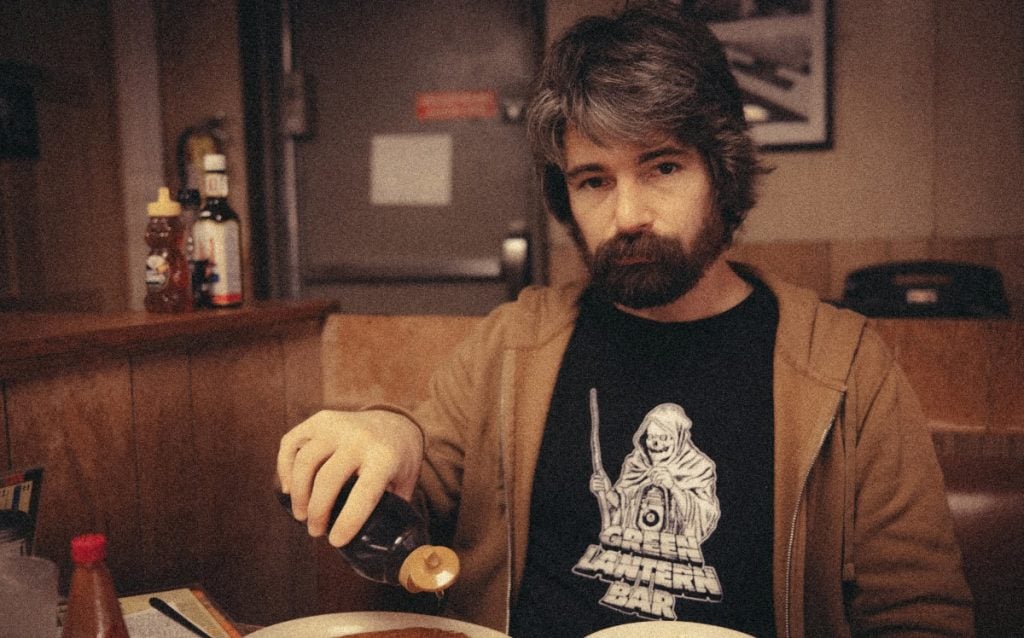
To place The Great Unknowing in its proper context, one must look at the timeline of Miller’s recent output:
- 2021: Release of Depreciated, Miller’s Rounder Records debut, which established his solo voice after years in the band circuit.
- 2023: Release of Heat Comes Down, an album noted for its understated, almost hushed vocal delivery and atmospheric production.
- April 2026: Announcement of The Great Unknowing and the release of the polarizing single "A World Away."
- July 17, 2026: Official release of The Great Unknowing, featuring 16 tracks and a shift toward a more manic, genre-fluid sound.
Broader Impact on the Americana Landscape
The release of The Great Unknowing comes at a time when the Americana genre is grappling with its own identity. As the genre becomes more commercially viable, the tension between "authentic" rural music and "polished" Nashville production has intensified. Miller’s latest project serves as a reminder that there is still a significant audience for music that is "messy and disorganized" yet "erudite."
The album’s success is likely to embolden other artists within the Appalachian and folk-rock spheres to embrace longer tracklists and more diverse production styles. By refusing to "trim the fat," Miller has created a comprehensive document of his current state of mind—one that rewards the patient listener with "moments of wisdom" buried within its 16 tracks.
Conclusion and Future Outlook
John R. Miller’s The Great Unknowing is more than just a collection of songs; it is a testament to the enduring power of honest songwriting. Despite the graying hair and the "crotchety" persona, Miller has proven that he is far from stagnant. By embracing both his country roots and his rock-and-roll impulses, he has delivered an album that is as complex and unpredictable as the life he describes.
As he continues to navigate the music industry on his own terms—fixing tour vans and sipping old coffee—Miller remains a vital voice in American music. The Great Unknowing ensures that his "real-world insight" will continue to resonate with those who prefer their country music with a side of grit and a healthy dose of reality. For fans of Appalachian music and Americana, the album is a definitive statement from an artist who has finally found the perfect balance between his feral energy and his songwriting sophistication.
Related posts: