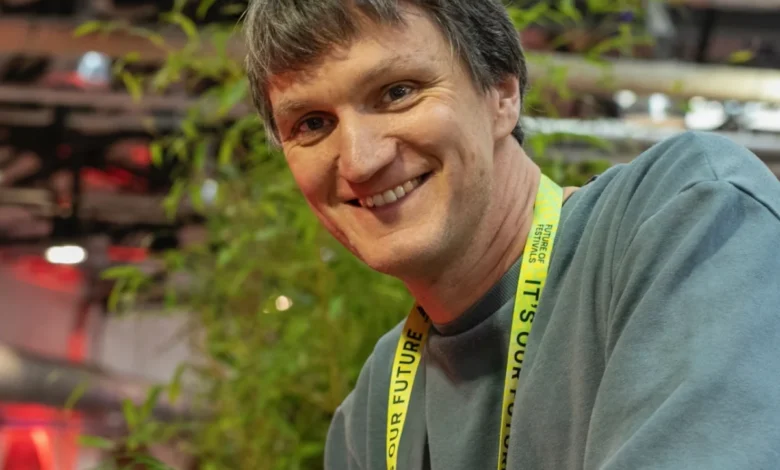
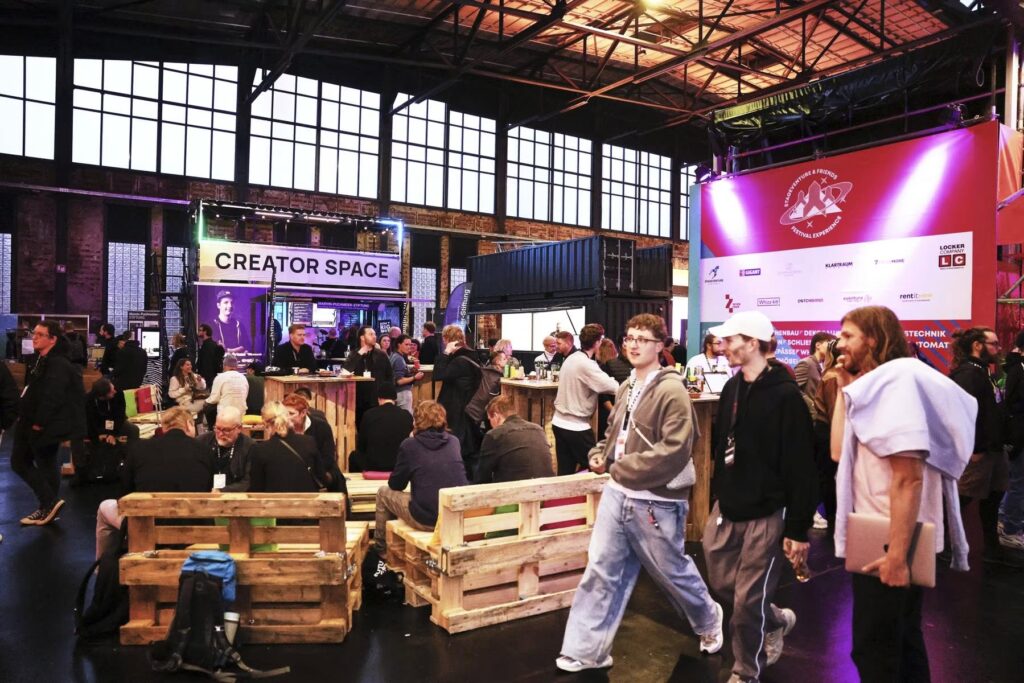
Festivals have transcended their origins as mere temporary stages for musical performances to become essential pillars of cultural, economic, and social life. Beyond the sensory experience of live music and communal celebration, these events have evolved into complex ecosystems that function at the intersection of logistics, urban planning, environmental responsibility, and political discourse. As the industry faces unprecedented challenges—ranging from post-pandemic economic shifts to rising security requirements—the necessity for a centralized platform to facilitate knowledge exchange has never been more pressing. This void is increasingly being filled by the Future of Festivals, a specialized trade event founded by Robert Stolt, which serves as a critical nexus for the professionals who build the temporary cities we call festivals.
A New Framework for Industry Collaboration
Robert Stolt, a seasoned practitioner who continues to organize the intimate Tag am Meer festival on the island of Rügen, recognized early on that the festival sector lacked a dedicated space for the technical and operational workforce. While major music industry conferences such as the Amsterdam Dance Event (ADE) or the Reeperbahn Festival focus heavily on artists, labels, and booking agencies, the production side—the engineers, safety officers, logistics experts, and site managers—often lacked a forum to discuss the mechanics of their trade.

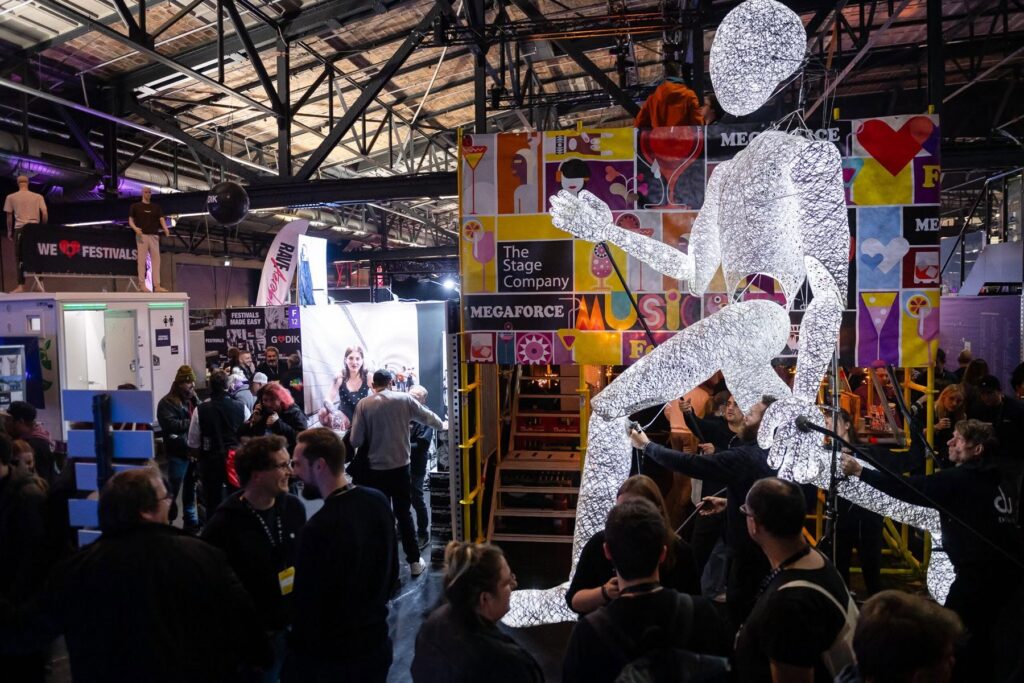
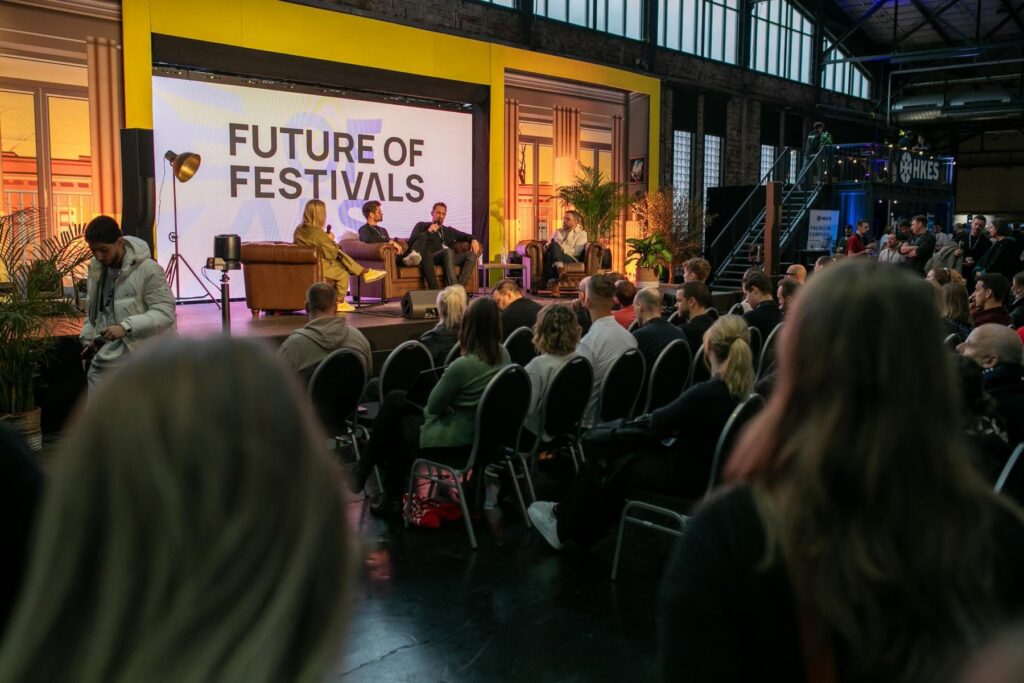
The inception of Future of Festivals was driven by a need for reflection and innovation. What began as a modest gathering in a Kreuzberg office in 2019 has scaled significantly, mirroring the professionalization of the industry itself. By 2021, despite the existential threat posed by the COVID-19 pandemic, the event successfully pivoted to an international platform, proving that the demand for cross-border cooperation in the live events sector is robust. Today, the event functions as a European meeting point where technology firms, startups, and organizers discuss the future of the industry, from the implementation of beer pipelines at large-scale venues to the adoption of inclusive practices like sign language interpretation on main stages.
The Economic Landscape: A Sector Under Pressure
The festival industry is currently navigating a period of significant volatility. According to industry reports, the cost of staging an event has increased by approximately 20% to 30% since 2019, driven by inflation, supply chain disruptions, and a surge in labor costs. The professionalization of safety standards—a necessary response to historical tragedies and changing regulatory environments—has also necessitated higher investments in infrastructure and personnel.
These mounting costs have placed smaller, independent festivals, particularly those with a capacity of 3,000 to 5,000 attendees, in a precarious position. The "festival death" phenomenon is often a result of a "perfect storm": the combination of high fixed costs, an aging organizing crew facing a natural generational turnover, and the difficulty of securing public funding. Unlike established, large-scale commercial events that can leverage economies of scale and sophisticated marketing data to ensure early ticket sell-outs, smaller festivals struggle to maintain price stability for their attendees.
The economic strain is also visible in the consumer behavior of the festival-going public. The era of the "festival summer," where students and young adults might attend three or four major events per season, is largely waning. As the cost of living rises, consumers have become more selective, often waiting until the last possible moment to purchase tickets. This shift in purchasing patterns makes long-term financial planning for organizers significantly more difficult, as revenue streams become increasingly unpredictable.
Innovation as a Survival Mechanism
To counter these systemic issues, the industry is increasingly turning to technological innovation and cross-sector partnerships. Future of Festivals emphasizes the role of startups, which are often the source of solutions for sustainability, waste management, and digital ticketing.
Sustainability remains the most urgent topic. As festivals are under mounting pressure to reduce their carbon footprint—through power generation, water usage, and waste management—collaboration between event organizers and technical innovators has become a survival strategy. For instance, the involvement of the Dutch pavilion at the trade show highlights a successful model where public funding supports startups in testing their prototypes directly within the challenging, high-pressure environment of a live festival. This practical application is vital, as it allows for the iteration of green technologies that would otherwise remain in the conceptual phase.

The Challenge of Commercialization and Ownership
The entry of private equity firms and investment funds into the festival sector has sparked intense debate regarding the soul of the movement. When large-scale events are bought by global financial entities, the goals of the festival can shift from cultural expression to maximizing shareholder value. Critics argue that this commercialization risks homogenizing the landscape, where only events with deep marketing pockets and corporate backing can survive.
This raises broader ethical questions that are currently being debated by the industry’s leadership. For example, can a festival maintain its status as a "safe space" for expression if its parent company or financial backers are linked to controversial geopolitical agendas or the funding of industries that contradict the values of the festival’s community?
While Robert Stolt maintains that the Future of Festivals should act as a neutral platform for these discussions rather than a judge, he acknowledges that the industry must be prepared to face these critiques. He notes that if a festival claims to be a pillar of sustainability, it faces a logical contradiction if its financial backers are simultaneously investing in fossil fuel extraction. This discrepancy is a "pain point" that the industry will likely have to address with more transparency in the coming years.
Looking Toward the Next Decade
The timeline for the coming years suggests a continued consolidation of the market. Festivals that fail to integrate, adapt to new safety regulations, or foster a transition to a new generation of leadership are at high risk of disappearing. However, the resilience shown by the sector during the pandemic suggests that the industry possesses a unique capacity to recover and reorganize.
The shift toward a more professional, technical, and data-driven approach to production, as championed by events like Future of Festivals, suggests that the industry is maturing. This maturity is not just about survival, but about setting higher standards for diversity, accessibility, and environmental impact. The integration of sign language interpretation, for instance, is a testament to the industry’s growing awareness of its responsibility to be inclusive.
Furthermore, the rise of collaborative governance—where festivals share resources, safety protocols, and technical solutions—is likely to become more common. The era of the isolated, "siloed" festival is ending; the future belongs to those that can share the burden of rising costs while keeping the spirit of the event intact.
Implications for the Future
The implications for the broader music and events sector are clear: the barrier to entry for organizing a successful, compliant, and sustainable festival is higher than it has ever been. For local communities and governments, this means that festivals should no longer be viewed as merely recreational, but as significant economic and cultural engines that require strategic support.
As the industry moves forward, the focus will likely remain on three core pillars:
- Operational Efficiency: Leveraging technology to mitigate the impact of labor shortages and high production costs.
- Cultural Responsibility: Addressing the tension between corporate ownership and the grassroots values that traditionally defined festival culture.
- Generational Transition: Ensuring that the expertise gained over the last two decades is successfully transferred to the next generation of organizers.
In conclusion, the state of the festival industry is at a crossroads. While the pressure of economic reality is causing a contraction, it is also forcing a necessary evolution. Through platforms that facilitate the exchange of ideas and the adoption of new technologies, the industry is working to ensure that the tradition of the live, communal festival experience survives—even as the tools and the economics behind the stage continue to change. The goal for the next decade will be to find the balance between the efficiency required for survival and the authenticity required to keep the "festival magic" alive for the next generation of attendees.