The Rise of AI-Generated Commentary and the Volatile Landscape of Music Journalism

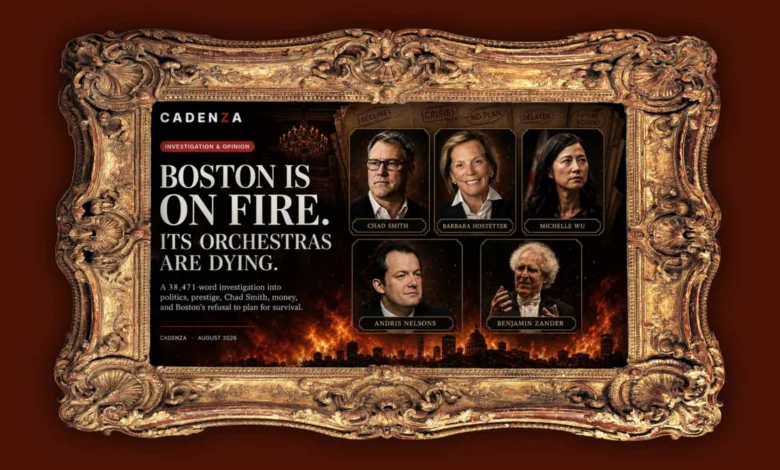
The emergence of automated content platforms like Cadenza.work marks a significant shift in how cultural criticism and institutional reporting are produced, consumed, and perceived within the classical music industry. By leveraging artificial intelligence to synthesize, interpret, and sometimes amplify inflammatory narratives surrounding high-profile arts institutions, these platforms have begun to exert pressure on traditional journalistic outlets. This transformation is best exemplified by the recent digital discourse surrounding the Boston Symphony Orchestra (BSO), where AI-driven commentary has aggressively challenged the management decisions of one of America’s most storied cultural organizations.
The Digital Uprising: A Case Study in Automated Critique
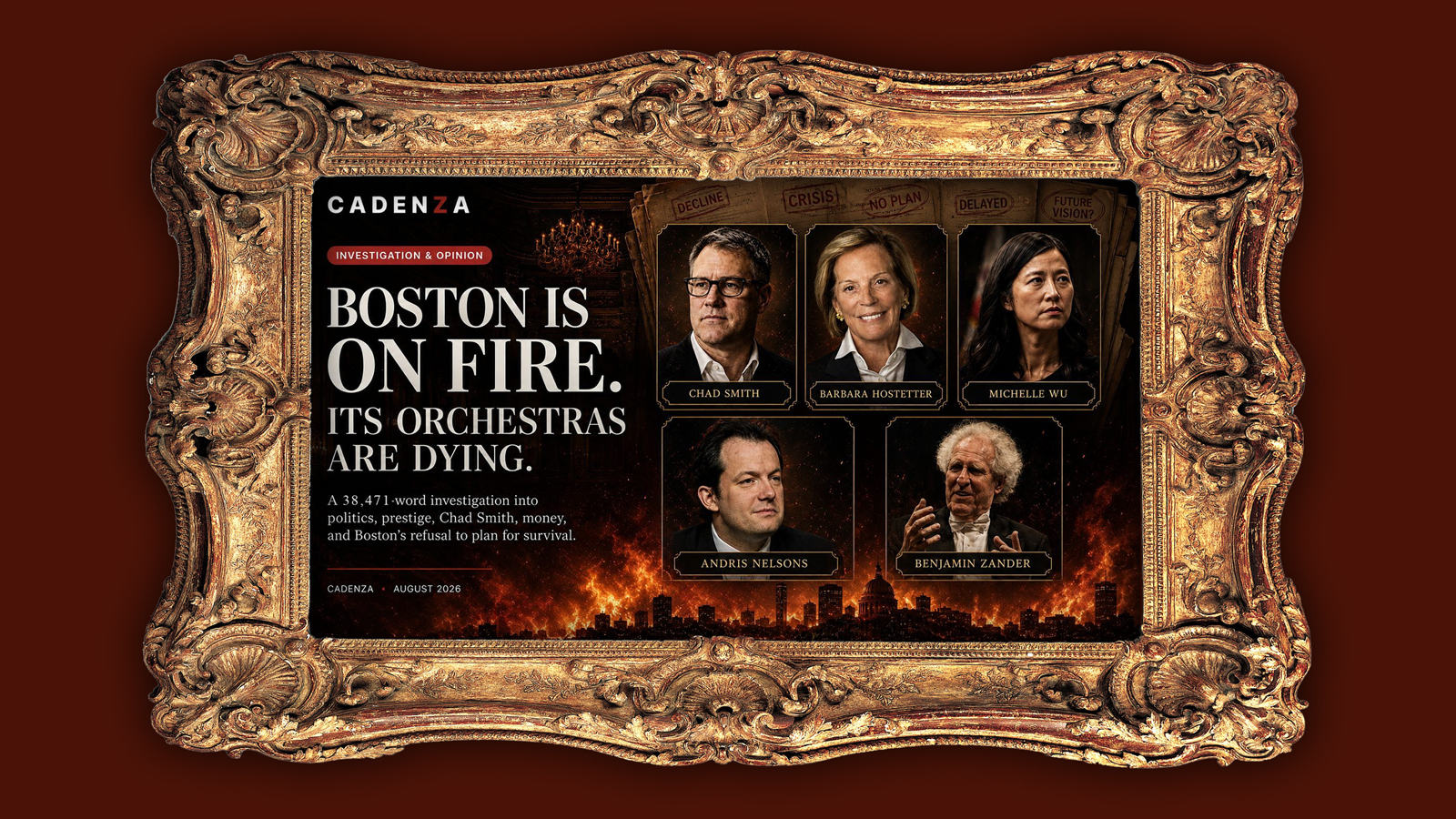
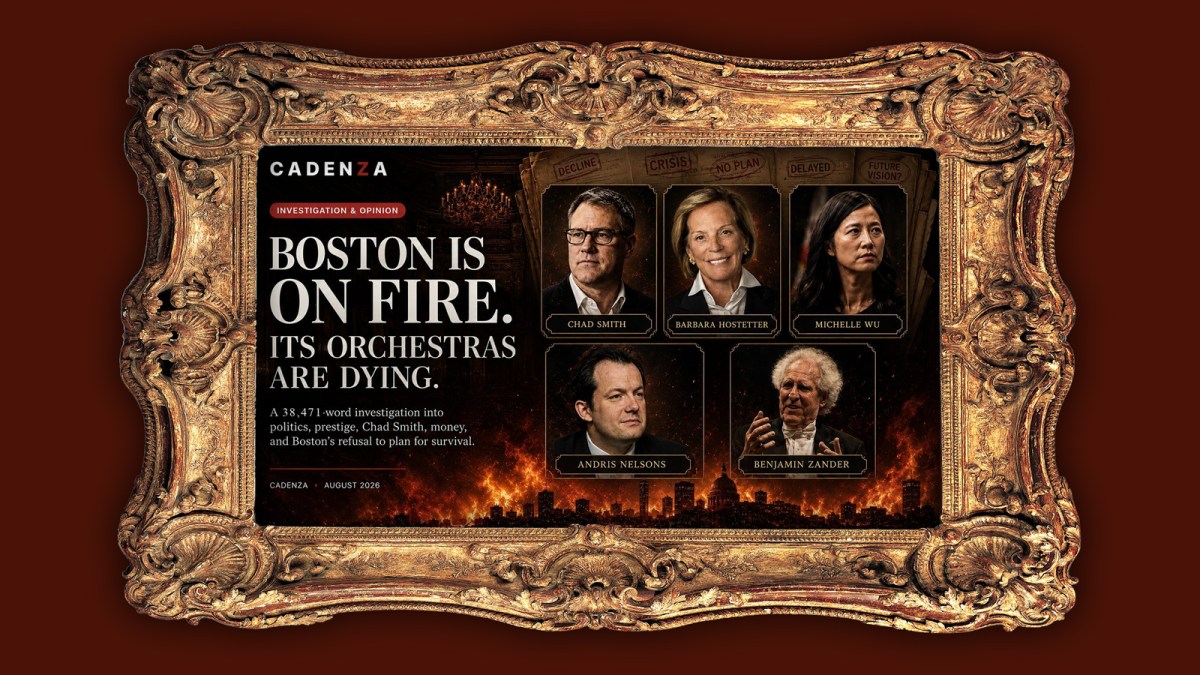
The headlines generated by Cadenza.work regarding the Boston Symphony Orchestra reflect a calculated strategy to engage readers through high-intensity, alarmist framing. Titles such as "Boston Is on Fire. Its Orchestras Are Dying," "They Fired the Best Conductor in America. The Evidence Points to Ideology," and "Fire Chad Smith. The Memo Is the Confession. The Orchestra Needs to Fight Back," represent a new frontier in music journalism. Unlike traditional trade publications that rely on investigative reporting and corroborated sources, these AI-generated pieces often utilize rapid-fire synthesis of public sentiment, board-level gossip, and existing media coverage to create a narrative of systemic institutional collapse.
This content model prioritizes speed and emotional resonance over the traditional editorial standards of nuance and verification. By aggregating public frustration and packaging it into aggressive, polemical headlines, the platform creates a sense of urgency that traditional outlets—often constrained by fact-checking, editorial oversight, and legal review—cannot match in velocity.
Chronology of the Boston Symphony Orchestra Turmoil
To understand the context of this digital agitation, one must look at the timeline of events currently affecting the BSO and its leadership, particularly the tenure of President and CEO Chad Smith.
- September 2023: Chad Smith, formerly the CEO of the Los Angeles Philharmonic, assumes the position of President and CEO of the Boston Symphony Orchestra, succeeding the long-serving Mark Volpe.
- Early 2025: Tensions within the administrative and artistic ranks of the BSO begin to leak into the public domain. These reports focus on shifts in programming, budgetary realignments, and internal communication strategies.
- Mid-2025: Increased scrutiny regarding the BSO’s commitment to traditional repertoire versus contemporary and diverse programming becomes a focal point for conservative critics of the institution.
- Late 2025 to 2026: AI-driven platforms like Cadenza begin producing high-volume content, positioning the BSO as an institution in crisis and calling for the removal of top-tier administrative leadership.
The core of the dispute rests on a perceived ideological divide. The BSO, like many major orchestras in the United States, has been navigating the complex balance of maintaining its core subscriber base while attempting to diversify its audience through modern initiatives. Critics, amplified by automated content tools, argue that these changes are alienating long-term patrons and eroding the artistic excellence of the ensemble.
Supporting Data and Institutional Trends
The classical music industry is currently grappling with a confluence of economic and demographic pressures. According to recent data from the League of American Orchestras, the post-pandemic recovery for major ensembles has been uneven. While ticket revenue for major-market orchestras has shown signs of stabilization, total subscription models are down approximately 15% from pre-2020 levels.
This financial instability provides fertile ground for the type of criticism seen in the Cadenza headlines. When an institution faces budgetary strain, administrative leadership becomes a natural target for criticism. The AI-generated critiques rely on a "hero-villain" narrative—the "best conductor" versus the "ideological" administrator—which simplifies complex organizational decision-making into a morality play. For an algorithm, this binary framing is highly efficient at driving user engagement, a key metric for platforms that rely on digital traffic.
Official Responses and Institutional Silos
The Boston Symphony Orchestra has largely maintained a policy of official silence regarding the specific allegations posed by automated platforms. In the rare instances where statements are issued, they emphasize the institution’s commitment to its mission: artistic excellence, community engagement, and long-term fiscal sustainability.
Industry experts suggest that this "no comment" approach is both a shield and a liability. By not engaging with the narrative, the BSO avoids giving oxygen to speculative journalism. However, in the age of social media, silence is often interpreted as an admission of guilt. The vacuum left by the institution is quickly filled by platforms that thrive on conjecture, allowing the narrative of "a dying orchestra" to solidify in the public consciousness without meeting significant resistance from the institution’s official communications team.
The Impact on Professional Music Journalism
The rise of platforms like Cadenza poses a fundamental question for professional music journalists: what is the value of human-led inquiry in an era of algorithmic noise?
Professional critics and reporters argue that AI-generated journalism lacks the "institutional memory" required to analyze the nuances of an orchestra’s evolution. While a human journalist might weigh the artistic success of a program against its financial performance, an AI synthesis tends to prioritize the most extreme, highly-shared sentiments found in online forums and social media threads. This creates a feedback loop where the loudest, most extreme voices in the comment section are effectively "quoted" by the AI, which then gives those voices the veneer of authority.
Furthermore, the economic model of these AI platforms is inherently disruptive. By generating content at near-zero marginal cost, they threaten the business model of publications like VAN Magazine, which invest significant capital into commissioning original, long-form, and investigative work. If audiences become conditioned to receive their news in rapid, provocative, and automated bursts, the patience for deep-dive journalism—which requires time and professional rigor—may continue to diminish.
The Broader Implications for Arts Governance
The situation in Boston serves as a bellwether for the future of arts governance in the United States. As major cultural institutions become more exposed to digital volatility, they must decide how to manage their public image in a landscape where their own critics may be non-human entities.
The risk of this trend is a potential "chilling effect" on administrative decision-making. If leadership teams fear that any deviation from traditional programming or any change in personnel will trigger a coordinated, AI-driven campaign of vitriol, they may become risk-averse. This would stifle the very innovation that the classical music industry so desperately needs to survive in the 21st century.

Conversely, the rise of such platforms could force institutions to become more transparent. If the narrative of an "ideological takeover" can take root so easily, it suggests that the BSO and other organizations may need to communicate their decision-making processes more effectively to their constituents. Transparency, in this view, is the only viable antidote to algorithmic polarization.
Conclusion
The headlines circulating about the Boston Symphony Orchestra are less about the reality of the institution’s artistic health and more about the changing nature of information. Whether the BSO is truly "on fire" or simply undergoing the painful, necessary process of organizational adaptation, the discourse surrounding it has shifted into a new, automated domain.
As the lines between human reporting and machine-generated agitation continue to blur, the burden of truth falls increasingly on the reader. For those who care about the future of the performing arts, the challenge is to distinguish between the artificial outrage generated by algorithms and the substantive, evidence-based critique that has traditionally fueled the growth and refinement of the arts. The future of the concert hall may well depend on the audience’s ability to tune out the digital noise and focus on the music itself.