Revisiting the Youthful Genius of Billy Boyo and the Timeless Legacy of 1980s Dancehall

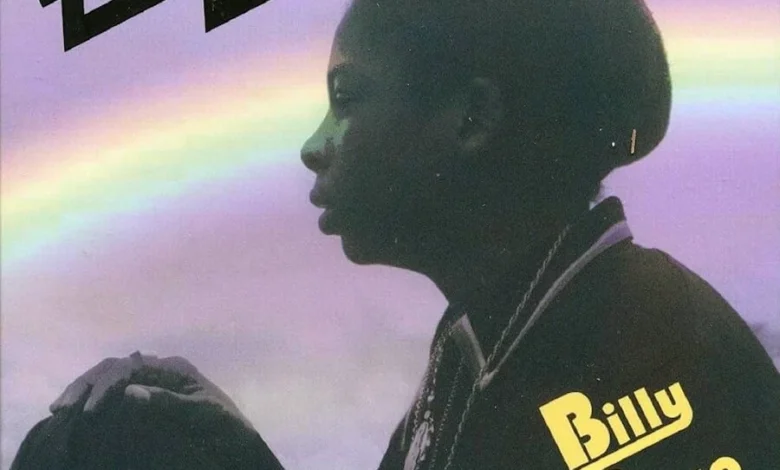
The history of Jamaican popular music is rich with prodigies, artists who stepped before microphones as adolescents and delivered performances with the polish and poise of seasoned veterans. Among this elite echelon of young talents stands Billy Boyo, a fleeting yet brilliant star of the early 1980s dancehall era. At just fourteen years old, Billy Boyo—born Billy Grant—stepped into a London recording studio in 1983 to commit his distinctive vocal style to tape, resulting in the seminal release Zim Zim. Decades after its initial pressing, this twelve-track collection continues to capture the imagination of reggae historians, sound system operators, and avid vinyl collectors alike. The record serves as a masterclass in the intersection of early digital dancehall production, heavy dub mixing techniques, and the youthful exuberance of the singjay tradition.
A Masterpiece of Youthful Swagger and Heavyweight Production
The foundational appeal of Zim Zim lies in its effortless synthesis of unhurried vocal delivery and thunderous, bass-heavy arrangements. During the early 1980s, Jamaican music was undergoing a profound sonic evolution. The organic, roots-heavy sounds of the late 1970s were gradually making way for a leaner, more synthetic approach, heralded by the introduction of digital drum machines like the Roland TR-808 and heavily programmed basslines. Amidst this technological shift, young artists known as "singjays"—performers who seamlessly blended melodic singing with rapid-fire DJ-style chanting—dominated the sound systems of Kingston and the burgeoning Jamaican diaspora in London.
Billy Boyo embodied this stylistic hybrid completely. On tracks like Zim Zim, his vocal approach is characterized by a remarkable lack of rush. While many of his contemporaries relied on high-energy delivery to command attention, Boyo possessed a preternatural coolness. His voice drifts effortlessly across the twelve tracks, surfing the crest of heavyweight riddims before gradually dissolving into the expansive mix. The production choices amplify this hypnotic effect. Producers and engineers utilized thick hazes of tape echo and deep spring reverb, transforming the vocal tracks into floating instruments that danced in and out of the sonic foreground. The result is a body of work that feels simultaneously swaggering and deeply contemplative, capturing a specific fleeting moment in the transatlantic migration of Jamaican sound system culture.
The Chronology of a Fleeting Career
To understand the magnitude of Billy Boyo’s contributions to the dancehall canon, one must view his career through the lens of a remarkably compressed timeline. Born in Kingston, Jamaica, in the late 1960s, Grant grew up immersed in the vibrant culture of local sound systems. These mobile music powerhouses served as the primary incubators for new talent, where selectors and deejays battled for crowd supremacy using exclusive dubplates and raw vocal talent.
By the early 1980s, the young deejay had caught the attention of influential figures within the Kingston music industry. His unique timbre and rhythmic cadence set him apart from the crowd, leading to initial recording opportunities. However, the pivotal chapter of his recording legacy unfolded thousands of miles away in the United Kingdom. During the 1980s, London had established itself as a vital secondary hub for reggae and dancehall outside of Jamaica, boasting robust immigrant communities, specialized record shops, and dedicated sound systems that fueled the British appetite for authentic Caribbean sounds.
In 1983, at the tender age of fourteen, Boyo traveled to London to record the material that would comprise Zim Zim. This international excursion was emblematic of a broader cultural exchange, wherein young Jamaican artists were increasingly exported to European recording studios and stages to satisfy the demands of the global diaspora. Following the sessions that produced Zim Zim and other notable collaborations of the era, Boyo’s footprint in the recording studio remarkably began to recede. Unlike many artists who manage decades-long careers marked by stylistic reinvention, Billy Boyo’s primary recorded output remains concentrated within this brief, explosive window of his early adolescence. His subsequent retreat from the international spotlight only added to the mystique surrounding his name, transforming him into a legendary figure of dancehall folklore whose recorded output is fiercely protected and revered by connoisseurs.
Supporting Data and the Economics of Reggae Archivism
The enduring relevance of early 1980s dancehall in the twenty-first century is not merely a matter of nostalgic sentiment; it is supported by a robust global infrastructure of archival labels, specialist vinyl distributors, and digital streaming ecosystems. According to market data from independent music distributors specializing in Caribbean genres, vinyl reissues and remastered digital catalogs of 1980s dancehall continue to experience steady, reliable demand, particularly among younger demographics in Europe, Japan, and North America.
Releases like Zim Zim represent valuable cultural commodities within the niche ecosystem of roots and dancehall preservation. Original pressing vinyl records from this era routinely command high prices on secondary marketplaces such as Discogs, where collectors vie for clean copies of foundational Henry "Junjo" Lawes or Channel One-associated productions. Furthermore, the modern music economy relies heavily on specialized platforms and independent music communities—such as archival web magazines and subscription-supported music sites—to keep these historical narratives alive. These entities bridge the gap between academic musicology and grassroots fandom, ensuring that foundational artists who operated on the fringes of mainstream commercial success are not forgotten by contemporary audiences.
Industry Perspectives and Cultural Implications
Music historians, ethnomusicologists, and veteran producers frequently point to the early 1980s as the most fertile transitional period in modern Jamaican music history. While official statements from legacy record labels and surviving engineers of the era often emphasize the technical limitations of 1980s studio environments, they are equally quick to praise the creative breakthroughs that those limitations inspired.
Industry analysts examining the implications of this era highlight how the DIY ethos of early dancehall laid the groundwork for modern electronic music production. The heavy reliance on dub mixing—stripping away vocals to leave hypnotic drum and bass tracks, then dropping elements back in through clouds of delay—directly influenced the evolution of British club culture, including jungle, drum and bass, and dubstep. Within this grand lineage, artists like Billy Boyo occupy a crucial bridging role. Their vocal performances were treated by dub engineers not just as lyrical narratives, but as textural components of the overall sonic architecture.
The broader cultural impact of records like Zim Zim also speaks volumes about the globalization of Caribbean music long before the advent of high-speed internet. A fourteen-year-old artist stepping out of a Kingston community and into a London recording booth to create music that would resonate decades later across digital streaming platforms underscores the borderless nature of sound system culture. It demonstrates how music acted as a vital lifeline and cultural anchor for immigrant communities, creating transnational pathways of identity and resistance.
Conclusion: Preserving the Legacy of the Singjay Tradition
As contemporary music production continues to recycle and reinterpret the tropes of early digital dancehall, the original artifacts of the genre retain an unmatched authenticity. The story of Billy Boyo—the fourteen-year-old singjay whose laid-back delivery and swaggering cadence defined a transient moment in London and Kingston studios—remains a testament to the raw, uncalculated brilliance of youth within Jamaican music.
Through records like Zim Zim, the echoes of 1983 continue to reverberate through heavy basslines, thick reverb chambers, and timeless riddims. While the historical record may leave unanswered questions regarding the later chapters of Billy Boyo’s life, his recorded legacy stands firmly intact. It challenges modern listeners to appreciate the effortless cool of an artist who, before his voice even fully matured, managed to capture the essence of an entire musical epoch and lock it securely into the grooves of vinyl history.
Related posts: