The Intersection of Electronic Innovation and Acoustic Virtuosity in the Collaborative Album Vernacular by Jlin and Third Coast Percussion

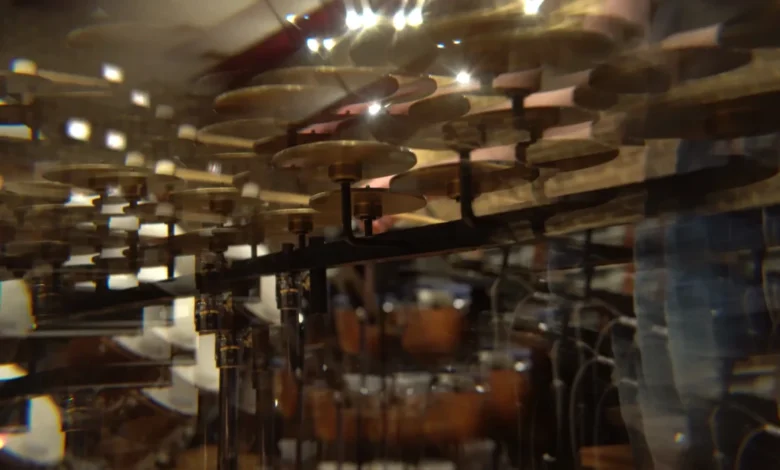
The release of Vernacular, a landmark collaborative album between Gary, Indiana-based electronic producer Jerrilynn Patton—known professionally as Jlin—and the Grammy Award-winning Chicago quartet Third Coast Percussion, represents a significant moment in contemporary classical and electronic music fusion. Released on October 23, the project bridges the gap between the algorithmic, high-velocity world of footwork-inspired electronic production and the precision-based, physically demanding realm of modern percussion ensembles. This partnership, which also features commissioned compositions from luminaries Philip Glass and David Longstreth of Dirty Projectors, signals an evolving dialogue between digital composition and acoustic performance.
A Chronology of the Collaboration
The project’s origins date back to a desire to synthesize the complex, jittery rhythms of Jlin’s electronic output with the organic, tactile capabilities of a world-class percussion ensemble. Jlin, whose rise from the Chicago footwork scene to the international experimental music circuit has been defined by her jagged, syncopated, and highly technical compositions, began working with Third Coast Percussion to adapt her studio-bound logic for live instruments.
The developmental timeline of Vernacular spans nearly two years of workshops, remote file exchanges, and intensive rehearsals in Chicago. While Third Coast Percussion is renowned for their ability to interpret diverse musical languages—ranging from minimalist staples to avant-garde experiments—Jlin’s involvement required a unique translation process. Because Jlin’s work often relies on micro-rhythms and sample manipulation that challenge the physical limitations of human players, the collaboration required the ensemble to rethink traditional performance techniques. The recording process culminated in a studio environment that prioritized a hybrid sound, blending the crisp, processed aesthetic of electronic music with the resonant, natural acoustics of marimbas, vibraphones, and custom percussion setups.
Compositional Structure and Technical Analysis
The album’s title track, "Vernacular," serves as the programmatic centerpiece of the release. It demonstrates the technical synergy between the two parties, with Jlin’s distinct rhythmic sensibilities driving the quartet’s performance. The track is characterized by rapid-fire polyrhythms and sudden shifts in tempo, which reflect the "chopped-up" nature of modern electronic music.
Further analysis of individual tracks reveals the scope of the project’s musical ambition:
- LC3: This composition serves as a masterclass in cross-talk, where percussion lines are layered in a forward-propelled, jagged structure. The track utilizes unconventional tuning and rapid-fire mallet work to replicate the effect of sliced digital samples.
- Carbon 12: By contrast, this track leans into the hypnotic, atmospheric qualities of minimalism, demonstrating how Jlin’s production sensibility adapts to longer, sustained musical phrases.
- Butterfly Dancing Over a Barrel (David Longstreth): This contribution offers a delicate, poetic counterpoint to the more aggressive tracks. Longstreth’s arrangement highlights the expressive freedom of the ensemble, drawing stylistic parallels to the works of George Crumb in its use of silence and unconventional instrumental timbre.
Contextualizing the Participants
To understand the significance of this collaboration, one must look at the individual contributions of the participants. Third Coast Percussion has established itself as a cornerstone of the Chicago arts community, having won a Grammy Award in 2017 for their recording of Steve Reich’s works. Their repertoire includes collaborations with a wide array of composers, yet the integration of Jlin—an artist rooted in the lineage of the South Side of Chicago’s dance music culture—represents a deliberate shift toward cross-genre integration.
Jlin, meanwhile, has moved far beyond her origins in the footwork scene. Her 2017 album Black Origami was widely cited as a turning point in electronic music, proving that digital production could possess the same emotional depth and structural complexity as orchestral works. By standing alongside figures like Philip Glass—a pioneer of the minimalist movement—Jlin is being positioned as a central architect in the future of 21st-century composition.
Broader Industry Implications
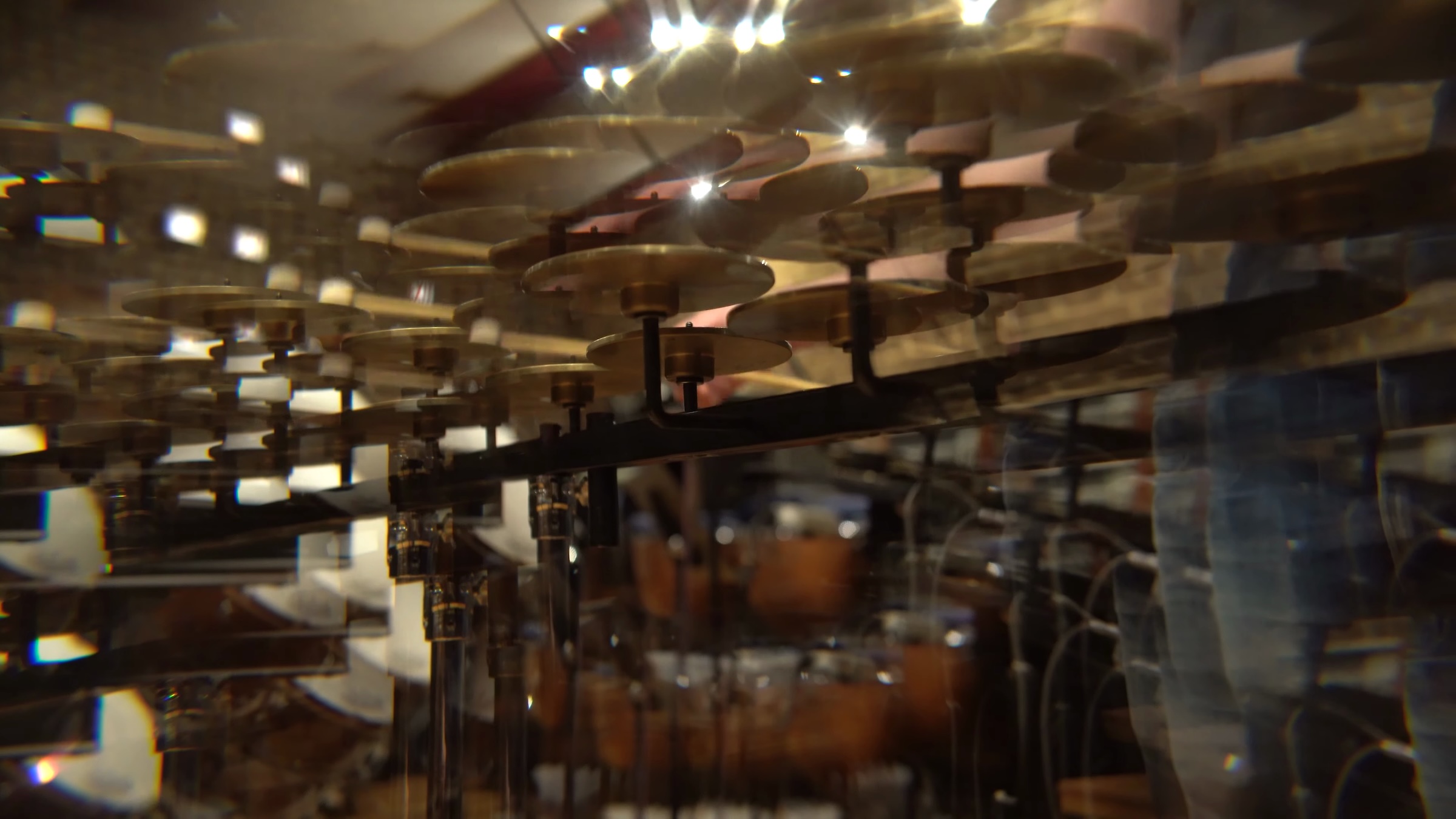
The success of Vernacular carries broader implications for the music industry, particularly concerning the dissolution of the "electronic versus acoustic" divide. For decades, the barrier between computer-aided music and live performance was defined by the limitations of technology. With the rise of high-fidelity sampling and sophisticated MIDI integration, that boundary has effectively vanished.
Industry observers note that projects like Vernacular are becoming more common as conservatory-trained musicians increasingly look to the digital underground for rhythmic inspiration, while electronic producers look to the acoustic world for textures that computers struggle to replicate. The "humanization" of electronic patterns—whereby performers must interpret, feel, and physicalize code-based instructions—results in a listening experience that is both precise and organic.
Supporting Data and Performance Data
The collaborative nature of this project extends beyond the studio. A comprehensive tour schedule supports the album release, featuring dates across the United States and Europe. This tour is structured not merely as a promotional effort, but as a live demonstration of the compositional techniques used during the recording.
Data from recent performances suggests a growing audience for "crossover" percussion works. Venues hosting the Vernacular tour have reported high attendance rates, with demographics spanning both the electronic club-going audience and the traditional chamber music circuit. This synthesis of audiences highlights the potential for commercial growth in experimental music when presented through high-concept, multidisciplinary collaborations.
Official Statements and Artistic Vision
While the ensemble has maintained a focus on the music itself, members of Third Coast Percussion have frequently cited the "infectious enthusiasm" of Jlin’s workflow as a primary driver of the project’s success. In press interviews accompanying the album’s release, the group emphasized that the composition process was a collaborative dialogue rather than a one-way directive.
Jlin has similarly noted that the project has forced her to re-evaluate her own production techniques. By seeing her rhythmic patterns performed by human beings—who possess the ability to interpret phrasing and dynamics in ways that software cannot—she has gained a new perspective on the potential for "color" and "texture" within her own electronic compositions. This reciprocal learning process is a defining characteristic of the work.
Conclusion
Vernacular is more than a novelty crossover; it is a serious exploration of rhythm, timbre, and the capabilities of the modern musical ensemble. By combining the digital precision of Jlin with the virtuosic, percussive strength of Third Coast Percussion, the album provides a blueprint for future collaborations. As the music industry continues to reconcile the virtual and the physical, this project stands as a testament to the enduring power of human imagination when applied across diverse sonic landscapes. Whether analyzed as an electronic record or a percussion album, Vernacular challenges the listener to move past categorical labels and engage with the fundamental architecture of sound. The project remains a pivotal case study in how contemporary artists can leverage their distinct backgrounds to expand the boundaries of their respective genres.