Desert Age Documentary 10th Anniversary Re-Release: See Photos of Kyuss, Black Flag, and More

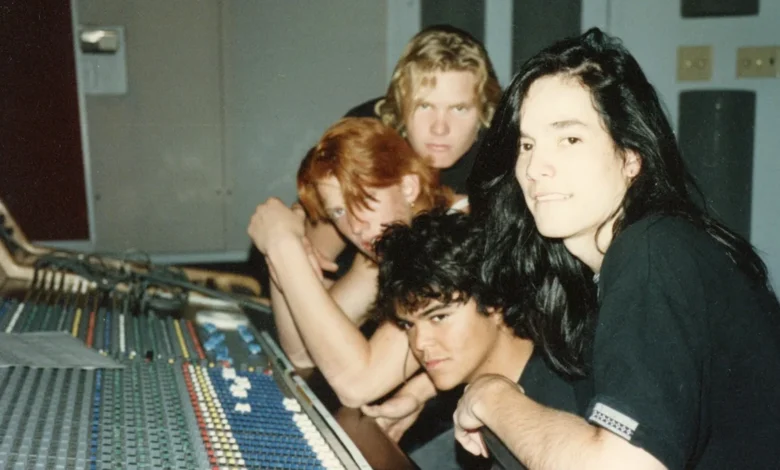
The cultural legacy of the Southern California desert rock scene is poised for a significant archival resurgence as the documentary Desert Age: A Rock and Roll Scene History prepares for its 10th-anniversary re-release. Initially brought to life through a successful IndieGogo crowdfunding campaign in 2016, the film serves as a definitive chronicle of the isolated, high-decibel music community that emerged from the Coachella Valley and surrounding desert regions between the mid-1970s and early 1990s. To mark a decade of preservation, director Jason Georgiades has curated an expanded edition of the film, which will see its official digital release on November 20, preceded by a commemorative premiere screening and panel discussion this Saturday, November 7, at the Festival Theaters in Palm Springs, California.
Historical Context and the Genesis of a Movement
The desert rock scene, often characterized by its heavy, fuzz-laden guitar tones and psychedelic sensibilities, originated from a sense of geographical isolation. In the late 1970s and 80s, the lack of traditional music venues in the Palm Desert area forced musicians to innovate. This resulted in the legendary "generator parties"—spontaneous, DIY concerts held in the middle of the desert where bands would power their amplifiers using portable generators.
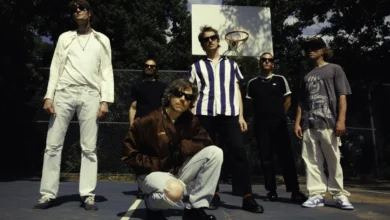
This landscape provided the breeding ground for seminal acts such as Yawning Man, whose atmospheric soundscapes heavily influenced the emergence of stoner rock icons Kyuss and the subsequent global success of Queens of the Stone Age. The documentary captures this evolution, tracing the lineage from these underground desert roots to the mainstream prominence later achieved by artists like Josh Homme and Dave Grohl, both of whom appear in the film to provide historical perspective on the scene’s raw, untamed origins.
Chronology of the Desert Age Project
The journey of the documentary itself mirrors the DIY ethos of the music it celebrates. The project began in earnest when director Jason Georgiades initiated contact with Gary Arce, the lead guitarist and a founding member of Yawning Man.
- 2013-2015: Initial research and archival gathering. Georgiades spent these years performing "archaeology" on the scene, scanning disintegrating band flyers and recovering long-lost photographs from private collections.
- 2016: The film achieves its initial completion and release following a successful crowdfunding initiative, establishing it as a primary source for music historians interested in the region.
- 2026: The 10th-anniversary project begins, focusing on restoration and the inclusion of previously unseen material, specifically regarding the pivotal 1981 Black Flag performance in Palm Springs.
- November 7, 2026: The official 10th-anniversary premiere in Palm Springs, accompanied by a Q&A session with key figures including Mario Lalli, Brant Bjork, and Sean Wheeler.
- November 20, 2026: Wide digital release via Jgeorgiades.com.
The Significance of the 1981 Black Flag Footage
A central feature of the 10th-anniversary edition is the integration of new, high-fidelity audio and photographic evidence documenting Black Flag’s 1981 appearance in Palm Springs. For historians of American punk, this era is critical. Black Flag’s touring habits in the early 80s were instrumental in connecting disparate DIY scenes across the United States. The fact that the filmmakers have recovered "lost" assets from this specific event is considered a major contribution to the visual history of Southern California’s punk and hardcore evolution. These additions offer a clearer window into how the aggressive, rapid-fire energy of early 80s hardcore began to cross-pollinate with the slower, more deliberate sludge-rock sounds developing in the desert.
Artistic Preservation and Archival Methodology
Director Jason Georgiades has characterized the making of the documentary as an act of "rescue." In an exclusive statement provided for this report, Georgiades detailed the emotional and technical labor involved in the project. "I was able to assemble what I believe to be the most extensive digital archive of desert rock and roll artifacts from that era," Georgiades noted.
The process involved more than simple documentation; it was an exercise in curation. By treating band flyers and candid photographs as historical documents rather than mere ephemera, the production team has effectively prevented the total loss of a subcultural movement. The documentary does not merely list the accomplishments of bands like Fu Manchu or Eagles of Death Metal; it frames their work as a cohesive response to their environment. As Georgiades explains, the desert served as a catalyst for a specific type of creativity—one that is "neither vapid nor dry, but dripping wet and soaked with unbelievable creativity, ferocity, and original vision."
Impact on Music Scholarship
The implications of the Desert Age re-release extend beyond the fan base of the bands involved. For scholars of regional music scenes, the film provides a case study in how geographic isolation can drive aesthetic innovation. The scene’s reliance on "primitive" recording techniques and DIY logistical structures (the generator parties) provides a blueprint for how modern independent artists might circumvent traditional industry gatekeepers.
Furthermore, the involvement of high-profile musicians like Dave Grohl in the film serves to validate the historical significance of the desert scene. While these musicians eventually reached international fame, the documentary insists that their artistic identity was forged in the isolation of the Coachella Valley, far removed from the industry hubs of Los Angeles or New York.
Premiere Event and Panel Details
The upcoming premiere at Festival Theaters in Palm Springs represents a homecoming for the film. The post-screening Q&A will be moderated by writer and anthropologist Natasha Berenek, an inclusion that signals the film’s status as a serious cultural document. The panel will feature a cross-section of the scene’s history:
- Mario Lalli: A pillar of the desert rock community.
- Brant Bjork: Renowned drummer and songwriter central to the Kyuss sound.
- Sean Wheeler: A legendary figure in the local performance scene.
- Sophia Possidon: A key contributor to the film’s narrative development.
The event aims to bridge the gap between the generation that lived through the late 70s and 80s scene and the younger listeners who have discovered these bands through digital streaming and the influence of modern stoner metal.
Conclusion and Future Availability
The 10th anniversary of Desert Age is more than a commercial re-release; it is an effort to solidify the place of desert rock within the broader narrative of American music history. By preserving the visual and auditory remnants of a scene that was once considered fringe, the film ensures that the "creative testimonials" of those who lived and played in the desert remain accessible for future study.
Following the Palm Springs premiere, the expanded edition will be available to the general public starting November 20. The release will be hosted exclusively on Jgeorgiades.com, allowing fans and researchers worldwide to access the restored archival footage, including the newly added documentation of the 1981 Black Flag era. For those interested in the raw, foundational years of rock and roll, the 10th-anniversary edition of Desert Age stands as a testament to the enduring power of community, persistence, and the unique, heavy spirit of the California desert.
Related posts: