Sammy Kershaw Red Carpet Snub Ignites Industry-Wide Backlash and Exposes Deep Rifts at the Country Music Association

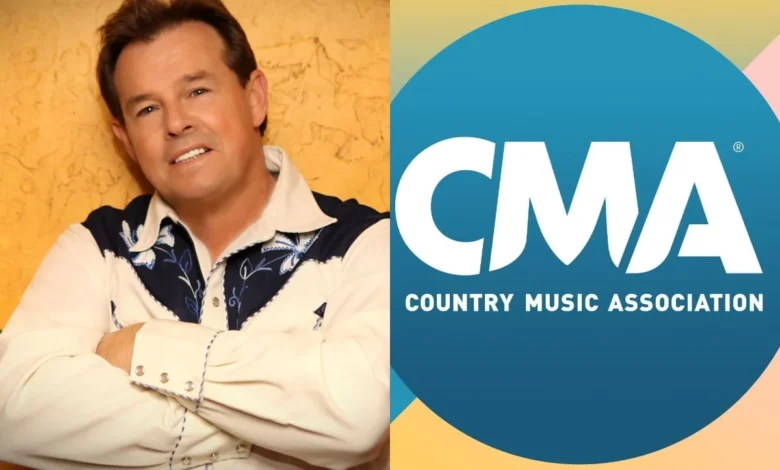
The Country Music Association (CMA) Awards, long billed as Country Music’s Biggest Night, are intended to serve as a unifying celebration of the genre’s past, present, and future. However, preparations for the upcoming ceremony on November 18 have instead been overshadowed by a major public relations crisis. At the center of the controversy is a decision by CMA organizers to deny a red carpet credential request from 1990s country music star Sammy Kershaw.
The incident has triggered an unprecedented wave of condemnation from artists across generations, reviving long-standing grievances regarding how Nashville’s corporate institutions treat legacy performers who built the foundations of the modern commercial country music market.
The Genesis of the Controversy
The public dispute began on November 5, when Sammy Kershaw released a detailed statement expressing his profound disappointment regarding his interactions with the CMA. According to the artist, his request to walk the official red carpet alongside his wife was rejected after months of bureaucratic delays, with the final decision communicated less than two weeks before the live broadcast.
Kershaw’s grievance is rooted in his extensive history with the organization and the genre. Over a career spanning more than five decades, the Louisiana-born artist has achieved multi-platinum sales figures, charted more than two dozen singles on the Billboard Hot Country Songs chart, received a CMA Horizon Award nomination, and held a lifetime CMA membership presented to him in 1992. Furthermore, Kershaw noted his consistent willingness to donate his time and talents to support official CMA-affiliated events, including the annual CMA Fest.
Following Kershaw’s initial disclosure, his management team released additional specifics regarding the CMA’s rationale. According to representatives for the artist, CMA organizers stated that an overwhelming volume of requests from artists and industry figures had exceeded capacity. Consequently, Kershaw reportedly failed to meet updated internal criteria for red carpet access.
Organizers did, however, inform Kershaw that he could purchase tickets to the awards ceremony at a cost exceeding $800 each. Furthermore, the association could not guarantee that Kershaw and his spouse would be seated alongside other recording artists. Faced with these conditions, Kershaw elected not to attend the event.
A Chronology of Institutional Friction
The friction between legacy country acts and Nashville trade organizations is not a recent development, but the rapid escalation of this specific dispute marks a distinct escalation in industry tensions.
- November 5: Sammy Kershaw publishes his public statement detailing the denial of his red carpet request.
- November 6–10: Management releases supporting details regarding ticket purchasing requirements and seating limitations.
- November 7–12: Prominent mainstream and independent country artists flood social media platforms with statements of solidarity.
- Present: The CMA maintains a strict public silence, offering no official clarification or revision of its credentialing policies.
Industry-Wide Solidarity and Outspoken Reactions
The reaction from the broader country music community was swift and decisive. Rather than remaining isolated to a grievance from a single legacy act, the incident struck a nerve among contemporary performers, independent artists, and veterans of the 1990s neo-traditional movement.

Mainstream chart-toppers and younger artists voiced immediate support. Riley Green posted that if Kershaw had not earned the right to attend the event, no one had, calling the decision disappointing. Carly Pearce echoed this sentiment, emphasizing that many contemporary artists owe their careers to the trail blazed by figures like Kershaw. Other performers, including Jake Owen, Meghan Patrick, Ty Herndon, Trey Lewis, and Drew Baldridge, publicly offered to relinquish their own credentials or seating allocations so that Kershaw could take his rightful place at the ceremony.
Veterans of the 1990s country boom were particularly vocal, using the platform to criticize what they perceive as a systemic institutional amnesia within Nashville boardrooms. Longtime touring partner Mark Chesnutt issued a sharp critique, arguing that while rock and roll institutions actively preserve and honor their historical figures, the country music industry routinely sidelines legacy artists while rolling out the welcome mat for pop stars, Hollywood actors, and hip-hop acts. Chesnutt emphasized that traditional artists ultimately answer to their loyal fan bases rather than corporate industry gatekeepers.
Similarly, fellow 1990s hitmaker Doug Stone released a statement highlighting the broader economic and cultural disconnect. Stone noted that despite generating millions in record sales and selling out arenas during their commercial peaks, artists from his generation are frequently marginalized in favor of newer commercial demographics. Stone also pointed to the irony of the industry profiting from a decade-long commercial resurgence of 1990s country music aesthetics while simultaneously ignoring the creators of that catalog.
The Silence of the CMA and Logistical Realities
As public pressure mounted across digital media channels, the CMA’s institutional response—or lack thereof—became a focal point of criticism. As of press time, the association has issued no public statement, apology, or policy clarification regarding the credentialing process. Observers note that the organization’s social media properties have been inundated with comments from traditional country music enthusiasts demanding fair treatment for Kershaw.
Industry analysts point out that the CMA faces a complex logistical challenge. Granting an exception to Kershaw risks opening a floodgate of similar requests from other artists who were denied access under the association’s updated guidelines. Major trade organizations, such as the Recording Academy for the Grammy Awards or the Academy of Motion Picture Arts and Sciences for the Oscars, manage high-demand red carpets by utilizing expansive, multi-tiered staging configurations designed to accommodate large numbers of participants. The CMA’s more restricted venue and red carpet footprint limit its capacity, creating a severe operational bottleneck.
Adding to the complexity of the 2026 event is the anticipated presence of pop superstar Taylor Swift, who is nominated for Single of the Year. Industry insiders suggest that the high volume of credential requests for this year’s ceremony is driven heavily by Swift’s expected return to the broadcast, compounding the logistical strains on event planners.
Broader Implications for Industry Relations
The controversy extends far beyond a single red carpet dispute, illuminating deeper structural anxieties within the country music business. Critics argue that the situation reflects a transactional approach to talent management, where artists are valued strictly according to their current commercial viability on streaming platforms and radio charts, rather than their long-term cultural contributions.
For current chart-presenters and mid-tier artists, the treatment of Kershaw serves as a cautionary tale. Performers recognize that commercial cycles are transient; the marginalization of past legends signals how the current generation may be treated once their commercial peaks subside. Furthermore, independent artists and industry professionals who maintain voting memberships point to persistent difficulties in navigating access to institutional opportunities, reinforcing a perception that the CMA primarily serves a select corporate elite rather than the entire professional community.
As the industry prepares for the live broadcast on November 18, the narrative surrounding the event has shifted decisively. What the CMA planned as a tightly controlled promotional showcase for contemporary commercial country music has instead transformed into a referendum on respect, heritage, and the preservation of the genre’s institutional memory.
Related posts: