The untold story of how the Spice Girls engineered the greatest pop revolution of the 1990s

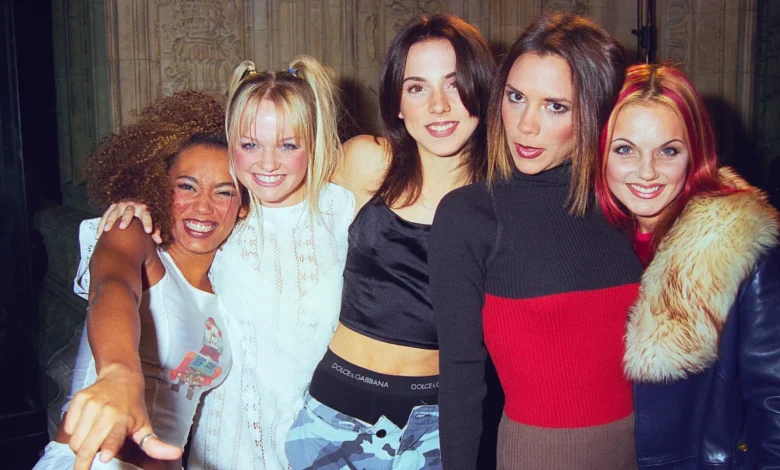
In the mid-1990s, the global music landscape was dominated by the moody, guitar-driven aesthetics of grunge and the introspective cynicism of Britpop. Amidst this cultural climate, a five-piece ensemble emerged from a suburban house in Maidenhead to dismantle the industry’s perception of what a girl group could be. The Spice Girls did not merely arrive as a manufactured product; they operated as a self-directed, fiercely ambitious unit that effectively weaponized the concept of "Girl Power" to reshape the charts. Their meteoric rise, anchored by the iconic 1996 debut single Wannabe, serves as a masterclass in independent creative agency and strategic branding.
The Genesis of a Phenomenon
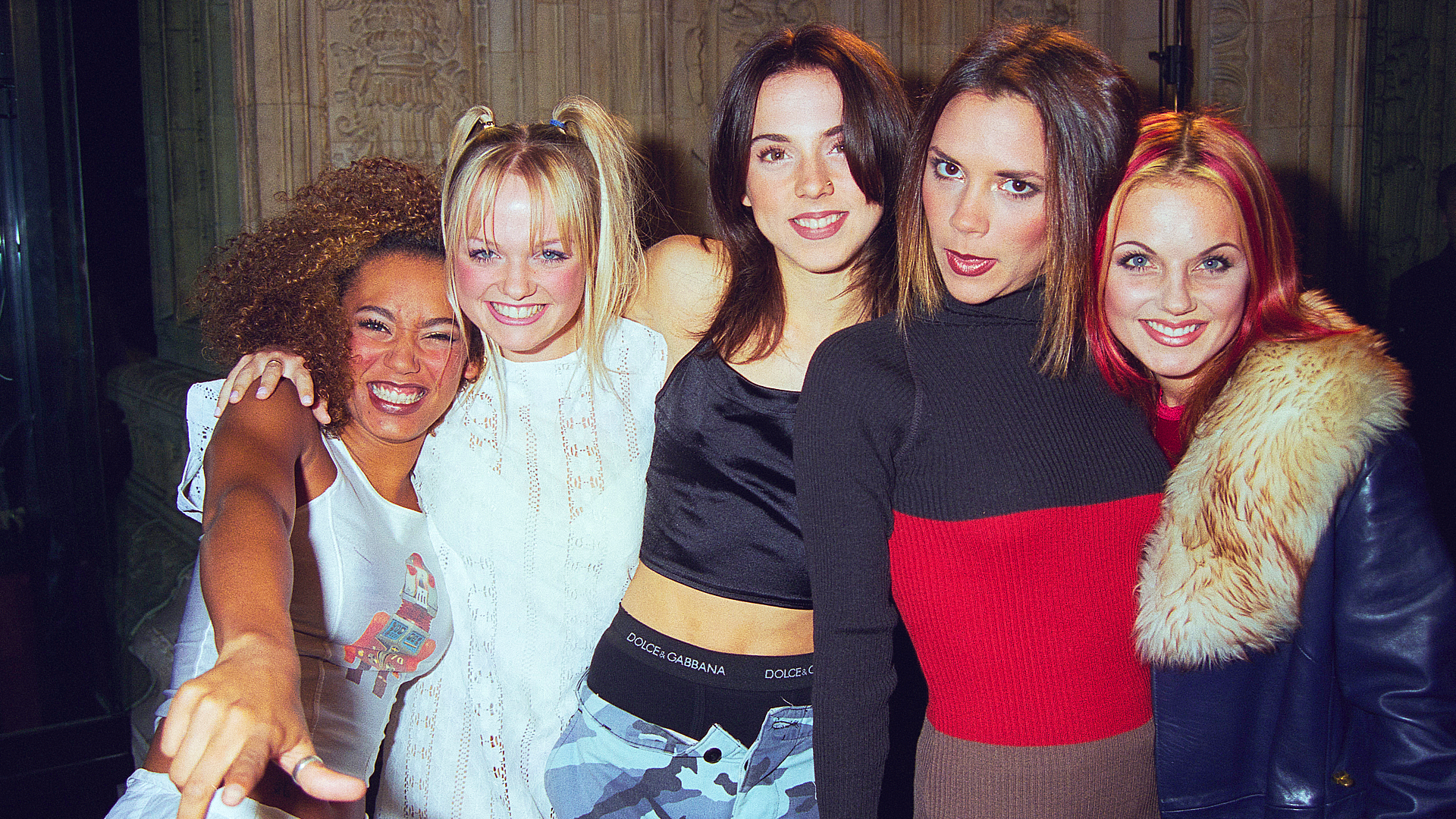
The origins of the group trace back to 1994, when father-and-son management team Bob and Chris Herbert of Heart Management placed an advertisement in The Stage. They sought to assemble a girl group capable of challenging the pervasive boy band dominance of the era. The Herberts’ vision was rooted in the "formula" that had proven lucrative for decades: selecting individuals to fill specific archetypes. Following an extensive audition process involving over 400 candidates, the initial lineup was established: Geri Halliwell, Victoria Adams, Melanie Brown, and Melanie Chisholm. Emma Bunton was later brought in to replace Michelle Stephenson, finalizing the quintet that would soon be rechristened the Spice Girls.
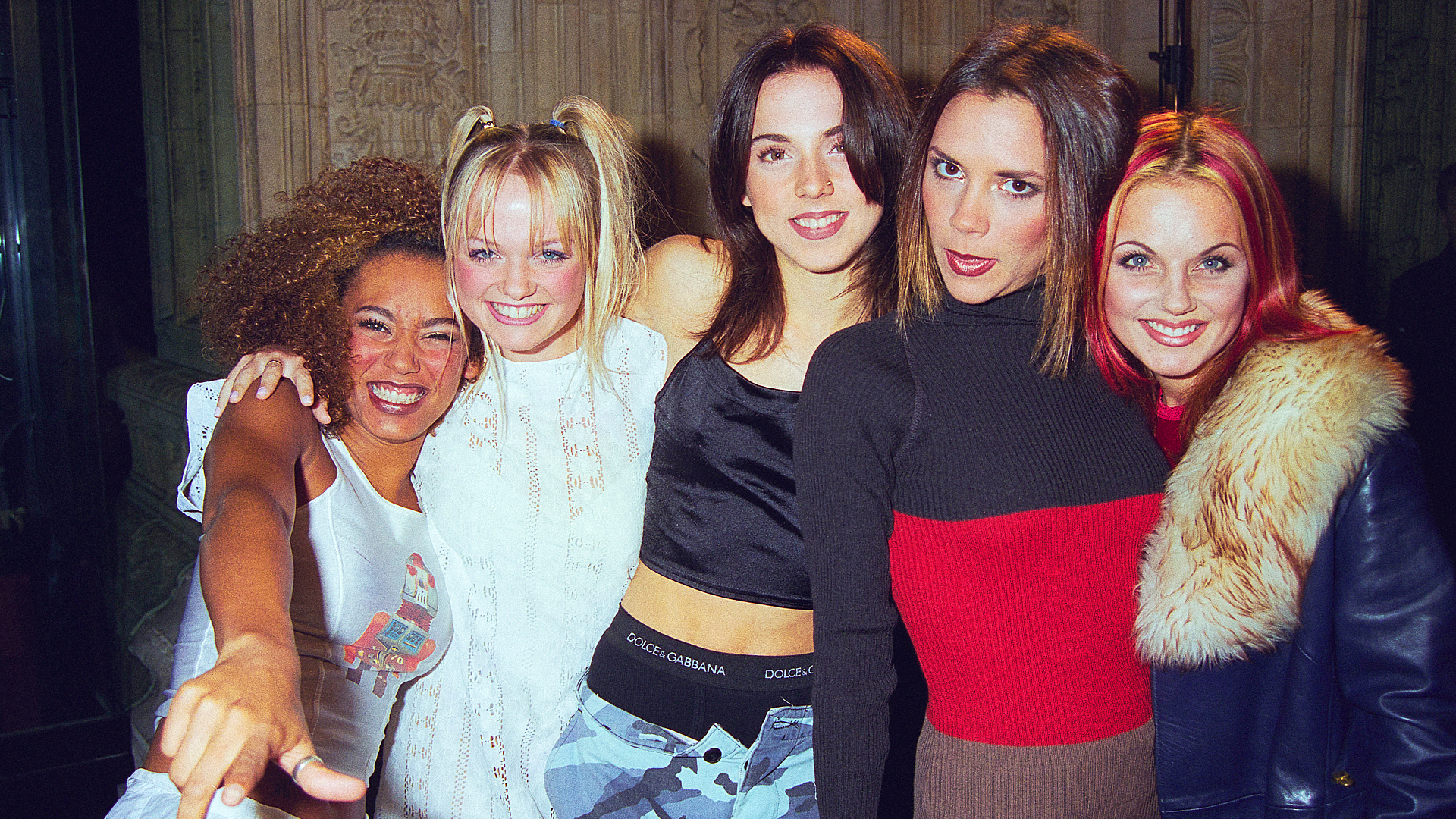
However, the Herberts soon discovered that their recruits were far more than interchangeable performers. The girls moved into a modest house in Maidenhead, where they spent their days honing their craft, writing songs, and practicing dance routines. This living arrangement proved to be the group’s most critical strategic asset. Away from the immediate oversight of their managers, the five women forged an intense, collaborative bond that quickly evolved from mere friendship into a unified, professional front. They began to exert pressure on their management, demanding autonomy and a greater say in the group’s creative direction.
The Turning Point at Nomis Studios
By December 1994, the group had grown impatient with the pace of their development. They forced their management to organize a showcase for industry professionals at Nomis Studios in Shepherd’s Bush. This event was intended to secure a label contract, but it became the stage for a serendipitous encounter. Richard "Biff" Stannard, a songwriter and producer currently riding the success of the track "Steam" for the boy band East 17, happened to be at the studio for an unrelated meeting with Jason Donovan.
Drawn by the chaotic, high-energy presence of Melanie Brown, Stannard witnessed the group’s three-song set. He was immediately struck by their unvarnished, authentic confidence. Unlike the carefully curated acts of the time, the Spice Girls possessed an raw, anarchic spirit that felt distinctively punk. Stannard was quickly convinced of their potential and, along with his songwriting partner Matt Rowe, invited the group to their London studio to work on new material.
The Crafting of a Global Anthem
The collaboration at Strongroom Studios initially focused on a track titled "Feed Your Love," an R&B-influenced song that the group quickly decided was too mature to serve as their debut. They sought something that reflected their own personalities and the unyielding strength of their friendship.
Stannard and Rowe provided a simple, infectious piano riff, built upon a 110bpm drum loop programmed on an Akai MPC3000. The writing process for what would become "Wannabe" was notoriously swift. Eschewing the conventional verse-chorus-bridge structure, the girls simply began shouting, chanting, and rapping over the backing track. The lyrics were finalized in less than 30 minutes. The resulting song was a manifesto of sorts: a rejection of the idea that a romantic partner could ever supersede the bond of the group’s friendship.
The track’s production was equally unconventional. Mark "Spike" Stent, brought in to finalize the mix after several failed attempts by other producers, described the process as a battle to capture the right balance. "It’s a very quirky pop record, and there’s not a lot going on with it," Stent noted. His six-hour session finalized the version that would become a global standard.
Defying Industry Skepticism
The path to release was fraught with friction. After securing a five-album deal with Virgin Records in 1995 under the management of Simon Fuller, the group faced significant pushback regarding their choice of lead single. Executives at Virgin were deeply skeptical of "Wannabe," fearing its structure and "zig-a-zig-ah" hook were too bizarre for mainstream radio.
The label attempted to steer the group toward more traditional pop sounds, even commissioning a remix from American producer David Way. The group, however, rejected the remix as "bloody awful." Their insistence on releasing the original, raw version of "Wannabe" became the first of many instances where they exerted their contractual creative control, a rarity for new artists in the 1990s.
Impact and Legacy
"Wannabe" was released on July 8, 1996. The impact was instantaneous. The song reached the number one spot in 37 countries, spending seven weeks at the top of the UK Singles Chart and four weeks atop the US Billboard Hot 100. It remains the biggest-selling debut single by a girl group in history, with global sales exceeding seven million copies.

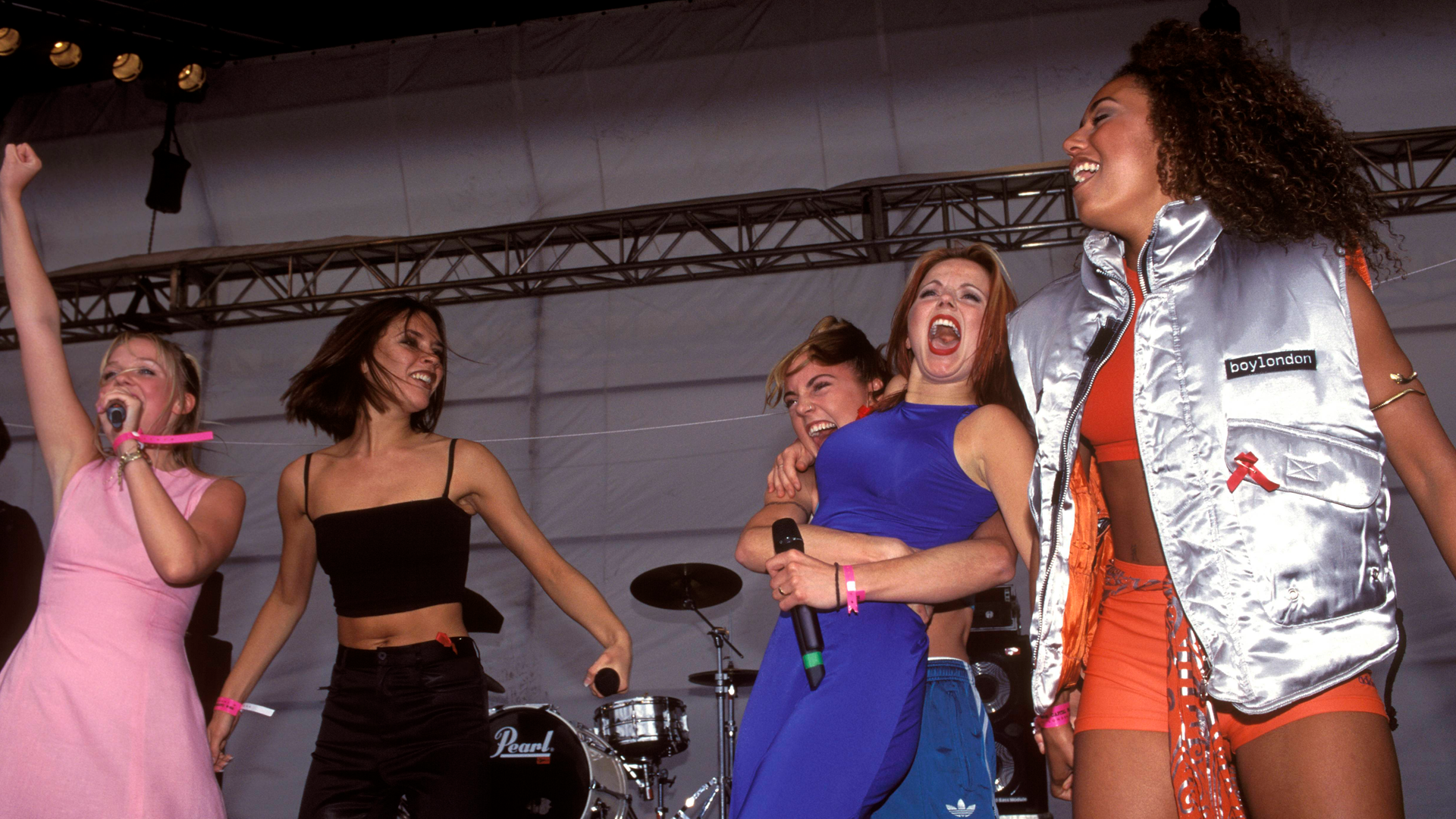
The music video, directed by Johan Camitz, played a massive role in the song’s success. Filmed in a single take at the Midland Grand Hotel, it captured the group’s "chaotic energy"—a whirlwind of movement that mirrored the song’s frenetic pace. It was a visual representation of their "Girl Power" mantra: inclusive, unapologetic, and aggressively fun.
The song’s longevity is backed by empirical data. In 2014, a study conducted by the University of Amsterdam and the Museum of Science & Industry in Manchester, titled the "Hooked On Music" experiment, analyzed thousands of participants to determine the most recognizable songs in history. "Wannabe" was identified by listeners in an average of just 2.29 seconds, ranking it as the most instantly recognizable track in the study.
The Broader Implications for Pop Music
The Spice Girls’ trajectory fundamentally changed the A&R (Artists and Repertoire) landscape. They proved that a group could be simultaneously manufactured and authentic—a paradox that future acts would attempt to replicate for years to come. By prioritizing their collective identity over individual stardom, and by asserting control over their image and sound, they set a template for modern girl groups.

Critics at the time often dismissed them as a short-lived novelty, but the continued cultural relevance of their music suggests otherwise. The "Girl Power" ethos they championed became a shorthand for 1990s feminism, albeit a commodified version, which resonated with millions of young fans who saw in the group a reflection of their own friendships.
Looking back, the success of the Spice Girls was not the result of a singular stroke of luck, but a combination of timing, the group’s internal resilience, and a stubborn refusal to be molded by industry standard-bearers. While the music industry has evolved significantly in the three decades since, the "Wannabe" phenomenon remains a primary case study in how to capture the cultural zeitgeist through sheer force of personality and the unbreakable bonds of a creative collective.