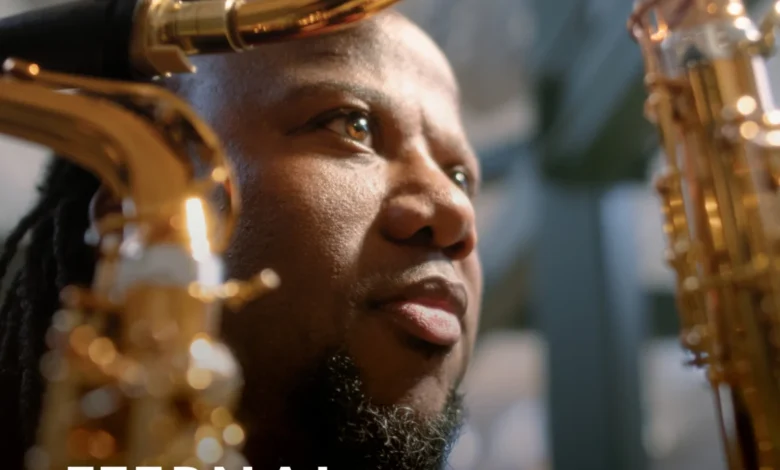
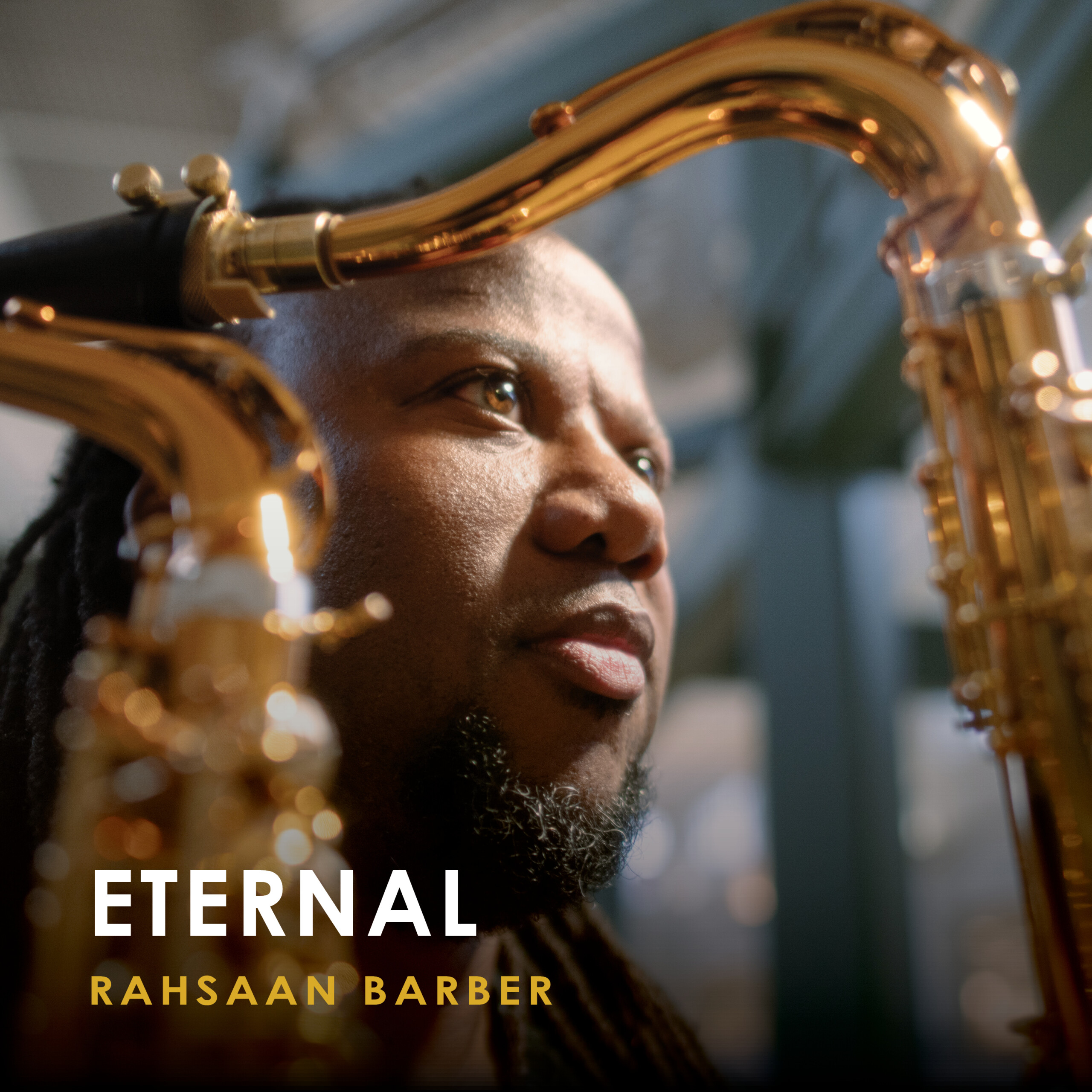
The title track of saxophonist Rahsaan Barber’s latest studio recording, Eternal, stands as a profound testament to the power of artistic catharsis in the face of insurmountable grief. While the composition is propelled by a swift, driving rhythmic current, the underlying architecture of the piece is defined by deep spiritual yearning and the raw, unvarnished articulation of human loss. This musical narrative is not merely a collection of notes but a deliberate exploration of a life-altering event, recorded by an ensemble that provided both the technical precision and the emotional support required to navigate the recording process during a period of profound personal upheaval.
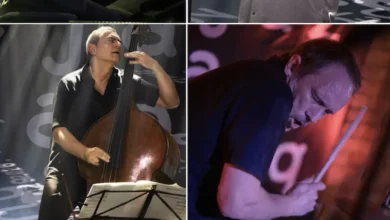
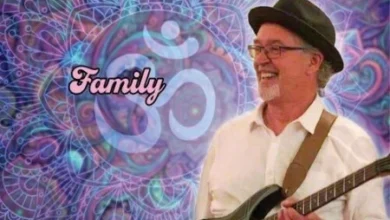
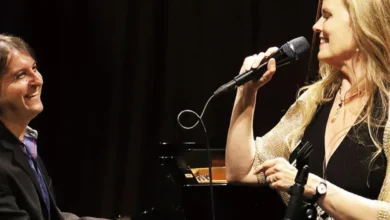
The musical composition begins with a steady, grounding riff from bassist Kevin Beardsley, establishing a momentum that remains consistent despite the emotional volatility of the performance. As the ensemble—featuring saxophonist Rahsaan Barber, pianist Matt Endahl, and drummer Joshua Hunt—joins the fray, the listener is introduced to the newest member of the collective, guitarist Ted Ludwig. Ludwig contributes a series of liquid, high-speed lines that provide a technical sharpness to the arrangement, a necessary foil to the heavier, more contemplative themes that Barber later introduces.
A Chronology of Artistic Resilience
The circumstances surrounding the creation of the title track are integral to understanding its final, haunting form. Just days before the ensemble was scheduled to enter the recording studio, Barber and his wife experienced the sudden, devastating loss of their unborn child. The original working title for the composition had been “Awaiting Zora,” a name chosen in anticipation of the couple’s future daughter. The transition from the hopeful anticipation of that title to the final, somber release of the album marks a pivotal moment in Barber’s career, shifting the focus of his creative output from joyful expectation to the processing of grief.
The recording sessions, which took place in the shadow of this tragedy, became a space for what Barber describes as therapeutic creation. For a performer whose work is typically characterized by technical mastery and intellectual rigor, the sessions required a different form of vulnerability. Barber notes that his bandmates acted as a supportive buffer, allowing him to experience his grief within the confines of the sound booth without compromising the integrity of the music.
Musical Analysis and Structural Dynamics
The performance is characterized by distinct shifts in intensity. Following the initial ensemble interplay, Barber’s solo serves as the emotional epicenter of the track. Drawing stylistic parallels to the high-register, impassioned cries of jazz legends such as John Coltrane and Pharoah Sanders, Barber utilizes an overblowing technique that transforms the saxophone into a vessel for wordless articulation. This section of the piece is marked by an urgency that borders on desperation, reflecting the immediacy of the loss.
This intensity is momentarily tempered by a Latin-tinged solo from pianist Matt Endahl, whose sparkling, rhythmically light approach offers a temporary respite from the primary melodic tension. As the track progresses toward its conclusion, the ensemble shifts into a calmer, more reflective passage. However, the resolution is incomplete; in the final measures, the initial pain resurfaces. Barber’s closing notes serve as a sonic representation of a man seeking solace in an indifferent environment, echoing the sentiment of a figure wailing to the heavens for answers that may never arrive.
The Role of Collaborative Support in Jazz
In the tradition of modern jazz, the ensemble is rarely just a backing band; it is a collaborative unit where the personal rapport between musicians directly impacts the quality of the output. Barber emphasizes that the success of the recording was predicated on the humanity of his collaborators. The ability of Beardsley, Endahl, Hunt, and Ludwig to maintain their focus while witnessing a bandleader’s emotional breakdown speaks to the high level of trust inherent in the group.
"I was just so fortunate to be surrounded by not just great musicians, but great people who could deal with someone who broke down in the sound booth as they were playing," Barber stated. "I feel like they put a force field around me that allowed me to be in a place that became therapeutic for me, life-affirming."
This dynamic of “force field” support is a documented phenomenon in high-stakes creative environments, where professional expectations are suspended to allow for human necessity. By maintaining the technical momentum—particularly the brisk pace set by drummer Joshua Hunt—the band ensured that the track did not descend into indulgence, keeping the grief focused and directed through the medium of composition.
Contextualizing the Artist: Rahsaan Barber’s Career
Rahsaan Barber, a North Carolina-based saxophonist and educator, has long been recognized for his ability to synthesize complex harmonic structures with accessible, emotive melodies. His previous work often explores themes of social history and personal identity, but Eternal represents a departure toward a more intimate, autobiographical narrative.
The jazz industry has historically been a venue for the processing of trauma, from the protest music of the 1960s to the elegiac compositions that followed the loss of key figures in the genre. Barber’s contribution to this legacy is unique in its immediacy; by recording the material so soon after the event, he captured a snapshot of the grieving process as it occurred, rather than reflecting on it years after the fact.

Implications for the Genre and Audience
The release of Eternal invites a broader discussion regarding the role of vulnerability in modern jazz performance. In an era where production standards often emphasize perfection and digital polish, Barber’s willingness to include a performance defined by emotional volatility—and the vocalized, raw timbre of his instrument—challenges the listener to engage with the music on a human, rather than purely aesthetic, level.
The impact of this approach is two-fold. First, it offers a form of validation to listeners who may be navigating their own experiences of loss, reinforcing the idea that art serves as a legitimate conduit for processing grief. Second, it shifts the critical focus toward the intention behind the composition. The fact that the track is technically proficient is secondary to the fact that it is honest.
As the jazz landscape continues to evolve, the distinction between "musicianship" and "storytelling" remains a core point of debate. Barber’s Eternal successfully bridges this gap, proving that the technical demands of the genre do not preclude the expression of the most difficult human emotions. The inclusion of the track on the album, despite the personal nature of the backstory, underscores a belief in the universality of human experience—that the specificity of one man’s loss can resonate with the broader audience’s capacity for empathy.
Final Reflections
The trajectory of Eternal from an anticipated celebration of life to a monument of remembrance is a sobering reminder of the unpredictability of the creative life. Rahsaan Barber’s decision to proceed with the recording sessions, supported by his ensemble, highlights a professional commitment that transcends the transactional nature of the music industry.
By grounding his sorrow in the disciplined framework of his ensemble’s performance, Barber has produced a body of work that is not only a tribute to the child he lost but also a document of the healing potential inherent in creative collaboration. The album, and specifically its title track, serves as a testament to the resilience of the human spirit when bolstered by the empathy of peers and the expressive power of music. As the final notes of the track fade, the listener is left not with a sense of closure, but with a profound understanding of the ongoing, iterative nature of grief—a theme that is, by definition, eternal.