Looking for a top Dolby Atmos soundbar? These are all the soundbars to which our experts gave a 2026 What Hi-Fi? Award

The Evolution of Spatial Audio and Dolby Atmos Integration
Dolby Atmos has transitioned from a high-end cinema luxury to a standard expectation for modern living rooms. By utilizing object-based audio, Atmos allows sound engineers to position audio elements in a three-dimensional space, creating the illusion of height and depth. This year’s testing cycle focused heavily on how manufacturers implement this technology across varying form factors, from space-saving solo bars to comprehensive multi-component surround systems.
The core challenge for audio manufacturers in 2026 has been balancing the physical constraints of soundbars with the acoustic requirements of complex, high-resolution formats like Dolby Atmos and DTS:X. The current market shows a clear bifurcation: premium systems that prioritize musicality and precision, and high-value packages that aim to democratize immersive audio for the average consumer.
High-Fidelity Performance: The Sonos and KEF Standard
The Sonos ecosystem remains a dominant force in the premium segment, with the Sonos Beam (Gen 2) securing its sixth consecutive What Hi-Fi? Award. The longevity of the Beam (Gen 2) serves as a testament to the stability of high-quality engineering. Its compact footprint makes it an ideal companion for televisions 50 inches and smaller, yet its internal processing enables a soundstage that often belies its dimensions.
Stepping into the flagship tier, the Sonos Arc Ultra continues to hold the crown for its exceptional spatial accuracy. Unlike many competitors that rely on heavy digital signal processing (DSP) which can sometimes color the sound, the Arc Ultra maintains a clean, precise, and three-dimensional profile. It is a benchmark for those who require a singular, unobtrusive unit that can handle both the dynamic swings of a blockbuster film and the delicate nuances of high-fidelity music streaming.
For the audiophile segment, the KEF XIO stands in a class of its own. Representing a significant investment, the XIO is widely regarded by reviewers as the most musical soundbar currently on the market. While many soundbars struggle with mid-range clarity during complex musical passages, the XIO utilizes KEF’s signature driver technology to ensure that acoustic instruments and vocals are rendered with studio-grade accuracy. It is a rare example of a product that successfully satisfies both the movie enthusiast and the dedicated music listener.
The Rise of Value-Driven Surround Systems
While premium bars offer simplicity, the market for full-system surround sound remains vibrant, particularly among value-conscious buyers. The Hisense AX5125H has emerged as a landmark product in the budget category, retailing for just over £200. The inclusion of a dedicated subwoofer and rear speakers at this price point is a notable achievement in manufacturing efficiency. It provides a genuine, room-filling Dolby Atmos experience that entry-level users previously found unattainable without exceeding significant budgetary thresholds.
The success of the Hisense AX5125H suggests a broader shift in the industry: consumers are no longer willing to sacrifice the "surround" element of home cinema for the sake of a lower price tag. Manufacturers are responding by streamlining connectivity and wireless syncing, allowing these budget-friendly systems to provide a "plug-and-play" experience that was previously reserved for high-end, complex setups.
Engineering Challenges: The Return of Wired Systems
Perhaps the most surprising development in the 2026 audio landscape is the reception of the Sony Bravia Theatre System 6. In an era where "wireless" is the primary marketing hook for audio hardware, the System 6 utilizes a wired configuration that prioritizes signal integrity and coherence.
While the use of cables may initially deter consumers accustomed to minimalist aesthetics, the acoustic trade-off is clear. The System 6 offers a level of control and nuance that is difficult to replicate with wireless protocols. By tethering components, Sony has achieved an impressively cohesive surround sound field, proving that physical connectivity still holds a technical advantage in achieving a balanced, immersive environment. The system manages to combine large-scale, cinematic power with the kind of delicate frequency management typically only found in much larger, discrete speaker packages.
Furthermore, the Sony Bravia Theatre Trio, when augmented with the Rear 9 and Sub 9 modules, provides the most compelling alternative to a traditional, wired home cinema speaker package. This modular approach allows users to start with a base system and scale up, offering a level of flexibility that caters to changing living spaces and evolving budgets.
Analysis of Market Trends and Consumer Implications
The 2026 audio market reveals three distinct trends that will likely influence consumer purchasing habits for the next several years:
- Software-Driven Longevity: The continued success of the Sonos Beam (Gen 2) highlights the importance of firmware updates. As hardware becomes more capable, manufacturers who support their products with long-term software improvements are seeing significantly higher customer retention rates and sustained critical acclaim.
- The Resurgence of Dedicated Components: The success of the Sony Bravia Theatre System 6 suggests that the market is reaching a point of saturation for "all-in-one" solutions. As users become more sophisticated, there is a clear appetite for systems that prioritize raw acoustic performance over the convenience of a cable-free setup.
- Spatial Sound Democratization: With systems like the Hisense AX5125H, the barrier to entry for Dolby Atmos has effectively collapsed. This is likely to push high-end manufacturers to innovate further, moving away from simple channel counts toward more sophisticated object-tracking and room-calibration technologies.
Contextualizing the 2026 What Hi-Fi? Awards
The annual What Hi-Fi? Awards serve as a barometer for the health of the audio industry. By testing products across a rigorous spectrum of criteria—including frequency response, spatial imaging, dynamic range, and build quality—the awards provide a baseline for consumers navigating an increasingly crowded marketplace.
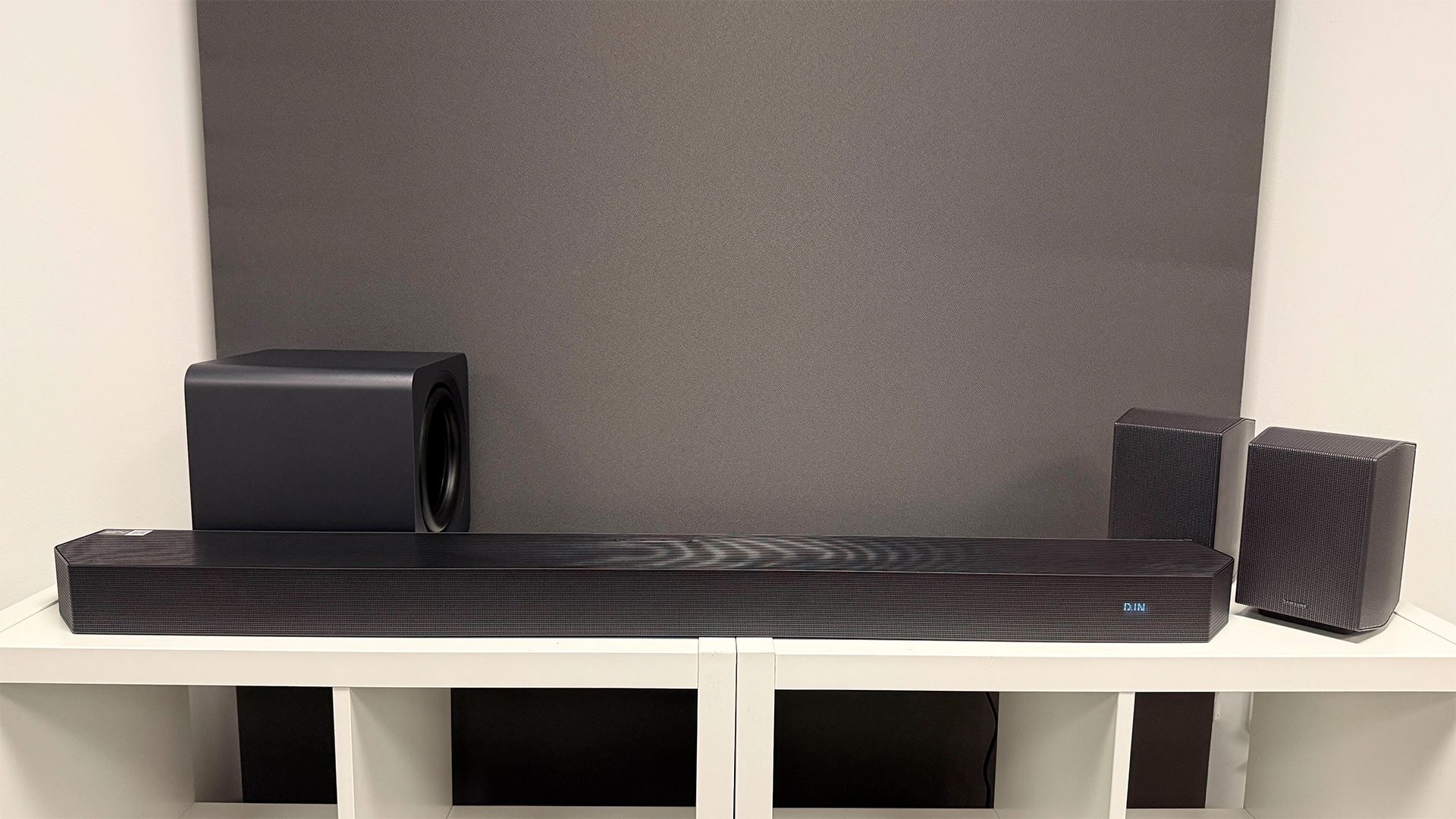
This year’s results indicate that the industry has moved past the experimental phase of soundbar development. The focus has shifted toward refinement. Whether it is the subtle calibration of the Samsung HW-Q990H, which remains a leader in placing spatial effects within a room, or the premium, high-fidelity output of the KEF XIO, the common thread is a move toward more realistic, undistorted audio reproduction.
Looking Ahead
As we look toward the second half of 2026, the implication for the consumer is one of abundance. The competition between legacy audio giants like Sony and KEF and consumer electronics titans like Samsung and Hisense is driving prices down while pushing performance ceilings higher.
For the average household, this means that a "cinematic" experience is no longer defined by the size of the equipment, but by the efficiency of the software and the quality of the acoustic engineering. As streaming services continue to push high-bitrate, multi-channel audio, the role of the soundbar as the central interface between the user and their content will only grow in importance.
Ultimately, the selection of the best soundbar comes down to the specific requirements of the room and the listening habits of the user. Those seeking a seamless, high-performance experience will continue to gravitate toward the ecosystem-heavy models from brands like Sonos. Those seeking the visceral impact of a traditional cinema will find the wired, modular systems from Sony and the high-value, multi-component systems from Hisense to be the most compelling options on the market. As these technologies continue to mature, the gap between the theater and the living room will continue to close, promising an era of high-fidelity entertainment that is accessible to all.