Donald Trump’s World Cup Final Appearance Amidst Wildfire Smoke and Tariff Threats Casts Political Shadow Over Global Sporting Spectacle

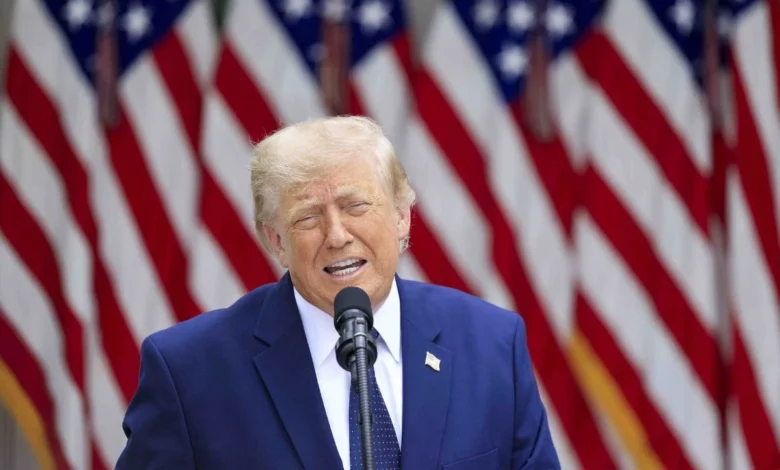
As the 2026 FIFA World Cup Final approaches, anticipated to be held at MetLife Stadium, the specter of a contentious political narrative threatens to overshadow the pinnacle of international soccer. Former President Donald Trump is projected to make a high-profile appearance, a move that, according to reports, is set to coincide with significant Canadian wildfire smoke potentially affecting air quality over the Northeast region. This environmental challenge, rather than being treated as a natural disaster, is being framed by Trump as a deliberate failing on Canada’s part, leading to renewed threats of tariffs and an already escalating diplomatic spat. His planned attendance, culminating in the handing out of the coveted trophy, promises to infuse the global sporting event with his characteristic brand of political showmanship and controversy, diverting attention from the athletic achievements of the finalists, reportedly Spain and Argentina.
The intersection of a major international sporting event, a transboundary environmental crisis, and high-stakes political rhetoric presents a complex scenario for organizers, athletes, and spectators alike. The 2026 FIFA World Cup, co-hosted by the United States, Canada, and Mexico, is poised to be the largest in history, featuring an expanded format and unprecedented viewership. Trump’s involvement, particularly given his past interactions with international bodies and sporting events, adds an unpredictable element to an already monumental occasion.
The Environmental Backdrop: Canadian Wildfires and Air Quality
The recurring issue of Canadian wildfires has become a significant environmental concern for the North American continent, particularly impacting the Northeastern United States. These fires, often exacerbated by climate change, dry conditions, and strong winds, can send plumes of smoke thousands of miles across borders. The smoke carries fine particulate matter (PM2.5) and other pollutants, drastically reducing air quality, causing hazy skies, and posing serious health risks, especially for individuals with respiratory conditions, the elderly, and young children.
In recent years, episodes of severe wildfire smoke from Canada have led to widespread air quality alerts in major U.S. cities, prompting school closures, event cancellations, and advisories for residents to stay indoors. Data from the U.S. Environmental Protection Agency (EPA) and the National Oceanic and Atmospheric Administration (NOAA) consistently show that these smoke events can push Air Quality Index (AQI) levels into "unhealthy" or even "hazardous" categories, far exceeding international safety guidelines. The economic impact includes healthcare costs, lost productivity, and disruptions to travel and commerce. For a high-stakes outdoor event like the World Cup Final, such conditions pose significant logistical and health challenges for players, staff, and the millions of fans expected to attend or watch.
Trump’s Political Weaponization of Environmental Issues
Donald Trump’s response to the wildfire smoke incident aligns with his established pattern of leveraging environmental challenges for political gain and employing protectionist trade policies. His reported statements blaming Ottawa for "filthy, polluted air" and threatening tariffs on Canada echo past rhetoric concerning environmental regulations and international agreements. This approach frames a natural phenomenon, albeit one potentially intensified by climate change, as a direct consequence of a foreign nation’s negligence, thereby justifying punitive economic measures.
The concept of "environmental tariffs" or "carbon tariffs" is not new, typically proposed as a mechanism to penalize countries with lax environmental standards that might gain an unfair competitive advantage. However, applying such tariffs in response to a natural disaster like wildfires, which are often beyond immediate human control, represents a novel and aggressive interpretation. Historically, trade disputes between the U.S. and Canada have encompassed various sectors, from lumber to dairy, but environmental issues leading directly to tariff threats on this scale mark a significant escalation. Such actions could strain the deep economic and diplomatic ties between the two largest trading partners and allies. Canada, for its part, has consistently invested in wildfire management and collaborates with international partners on environmental issues, making Trump’s accusations a likely source of diplomatic friction.
The 2026 FIFA World Cup: A Global Spectacle
The 2026 FIFA World Cup is set to be an event of unprecedented scale and global reach. It will be the first World Cup hosted by three nations (USA, Canada, Mexico) and the first to feature 48 teams, expanding from the previous 32. This expansion means more matches (104 in total), more host cities (16 across the three countries), and an even greater economic footprint. Estimates suggest the tournament could generate billions of dollars in economic activity for the host regions, create hundreds of thousands of jobs, and attract millions of international tourists.
The final match, expected to draw a global television audience numbering in the hundreds of millions, if not billions, is the culmination of years of planning, investment, and athletic endeavor. For the United States, hosting a significant portion of the matches, including the final, represents a major opportunity to showcase its infrastructure, cultural diversity, and passion for soccer. The presence of a high-profile political figure like Donald Trump at such a critical juncture, particularly one known for commanding media attention, invariably shifts focus from the sport itself to the surrounding political narrative.
Trump’s History with Major Sporting Events and FIFA
Donald Trump has a well-documented history of attending and often dominating the narrative at major sporting events. From the Super Bowl and Daytona 500 to UFC fights and the NBA Finals, his appearances have consistently been characterized by heightened security, partisan crowd reactions, and a clear effort to align himself with the spectacle. These events frequently serve as unofficial political rallies, where his presence, whether met with cheers or jeers, ensures significant media coverage.
His involvement with FIFA and the World Cup, however, has a specific precedent. The original article alludes to an incident where Trump reportedly contacted FIFA President Gianni Infantino to review a red card given to a U.S. striker, Folarin Balogun, which subsequently led to the suspension being lifted. While the details of this intervention and its direct impact are subject to various interpretations, such an act, if confirmed, would represent a significant breach of FIFA’s strict rules against political interference in sporting matters. FIFA’s statutes explicitly prohibit government influence on national federations or the global organization itself, designed to maintain the integrity and autonomy of the sport. The subsequent poor performance of the U.S. team, losing 4-1 to Belgium, was speculatively linked by some to this external interference, suggesting that political meddling can disrupt team morale and focus.
This history underscores the potential for Trump’s presence at the 2026 Final to be more than just a ceremonial attendance. His announcement that he would personally hand out the trophy further solidifies his intent to place himself at the center of the event, ensuring his image is inextricably linked to the championship moment, regardless of the athletic achievements of Spain or Argentina.
Chronology of Anticipated Events
Leading Up to the Final (Hypothetical Timeline for 2026):
- Early 2026: Preparations for the FIFA World Cup intensify across host cities. Discussions around security, logistics, and environmental contingencies begin.
- Spring/Summer 2026: Seasonal Canadian wildfires begin, with early reports of smoke plumes impacting air quality in parts of the U.S. Northeast.
- Late June/Early July 2026: As the World Cup progresses, wildfire smoke incidents become more pronounced, leading to localized air quality alerts around the MetLife Stadium area.
- Week of the Final: Donald Trump confirms his attendance at the World Cup Final in New Jersey. Simultaneously, he issues public statements blaming Canada for the wildfire smoke and threatening tariffs.
- Friday Before Final: Trump reportedly attends a FIFA reception in New York City, possibly at Trump Tower, further integrating himself into the pre-final festivities.
- Sunday, July [Date], 2026 (Final Match Day):
- Wildfire smoke conditions over MetLife Stadium are monitored closely by FIFA, local health officials, and organizers. Discussions occur regarding potential impacts on player health and fan experience.
- Trump arrives at MetLife Stadium, his presence generating significant media attention and security challenges.
- Pre-match events proceed, potentially under hazy skies or with visible smoke.
- The final match between Spain and Argentina takes place.
- Following the match, Trump proceeds to the podium to present the FIFA World Cup trophy to the winning team.
Anticipated Reactions and Logistical Challenges
The confluence of these factors would undoubtedly trigger a wave of reactions from various stakeholders:
- FIFA Officials: FIFA would likely issue statements emphasizing player and fan safety, while carefully navigating the political dimensions. They would prioritize the smooth execution of the event, potentially implementing air quality monitoring protocols and having contingency plans in place (e.g., medical support, hydration stations). However, direct confrontation with a high-profile political figure during the event would be avoided if possible, given FIFA’s global political neutrality stance.
- Canadian Government: Officials from Ottawa would almost certainly respond to Trump’s tariff threats and accusations, likely reiterating Canada’s commitment to environmental protection and cross-border cooperation on wildfire management. They would emphasize the transboundary nature of environmental challenges and advocate for collaborative solutions over punitive measures.
- Environmental and Public Health Organizations: These groups would likely issue urgent warnings about the health risks associated with poor air quality, advocating for protective measures for athletes and spectators. They would also likely use the platform to highlight the broader issue of climate change and its role in intensifying wildfires.
- Local Organizers and Emergency Services: They would face immense pressure to manage logistics, ensure public safety, and address potential health concerns for hundreds of thousands of attendees. This would involve coordinating with health agencies, deploying additional medical personnel, and potentially distributing masks or advising vulnerable populations to avoid attendance.
- Fans and Media: The fan experience would be significantly altered, potentially by health concerns from smoke and the overshadowing political narrative. Media coverage would undoubtedly divide its attention between the sporting contest and the political spectacle unfolding simultaneously.
Broader Impact and Implications
The scenario outlined carries significant implications:
- Diplomatic Strain: The tariff threats over wildfire smoke could severely strain U.S.-Canada relations, potentially leading to retaliatory measures and undermining the spirit of cooperation inherent in co-hosting the World Cup. It could also set a dangerous precedent for using environmental events as pretexts for trade disputes.
- Sporting Integrity: The perception of political interference, combined with environmental concerns, could detract from the integrity and spirit of the World Cup. The focus might shift from athletic excellence and fair play to external controversies, potentially diminishing the legacy of the event.
- Public Perception of Climate Issues: Trump’s framing of the wildfire smoke as a Canadian failing rather than a broader climate challenge could complicate public understanding and political action on climate change. It diverts attention from systemic issues to nationalistic blame.
- Security and Logistics: The presence of a former President, particularly one known for drawing large and passionate crowds, invariably adds layers of complexity to security arrangements for an event of this magnitude. This, combined with potential environmental hazards, would stretch logistical resources.
- Presidential Narrative: For Trump, the event serves as a powerful platform to project an image of strength, control, and nationalistic fervor, even if it comes at the expense of international goodwill or the purity of the sporting event. It reinforces his brand as a disruptor willing to challenge established norms.
In conclusion, a World Cup Final marked by severe wildfire smoke and an attending Donald Trump threatening tariffs against a co-host nation represents a unique and challenging convergence of sports, politics, and environmental crises. While the athletic prowess of Spain and Argentina on the field would undoubtedly captivate millions, the surrounding controversies and political maneuvering threaten to redefine the event’s legacy, making it as much a political spectacle as a celebration of global soccer. The incident would serve as a stark reminder of how deeply intertwined global events can become with national politics, environmental realities, and the unpredictable influence of powerful figures.