From Soccer Pitch to Gridiron Glory: Dwayne Carter III Secures Division I Football Offer Through Elite Dedication

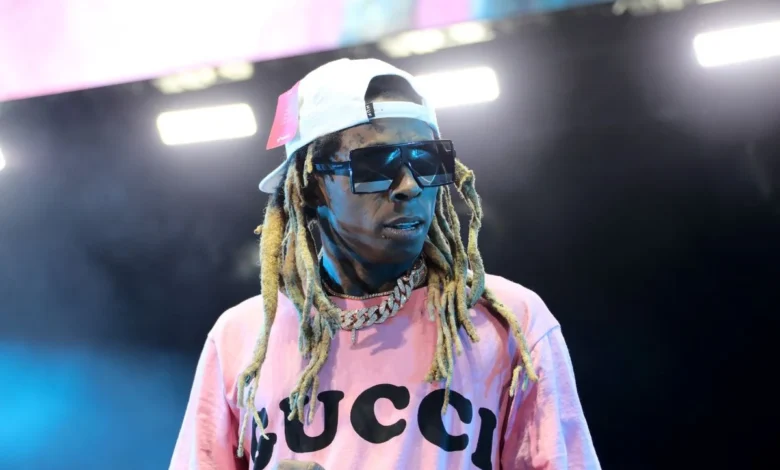
The landscape of collegiate athletics is often defined by lifelong specialization, yet the rise of Dwayne Carter III offers a compelling narrative of athletic versatility and raw talent. The son of legendary hip-hop artist Lil Wayne, Carter III has officially secured a Division I scholarship offer from the University of Colorado, coached by Pro Football Hall of Famer Deion Sanders. This milestone is not merely a product of celebrity proximity; it is the culmination of a rapid, two-year transformation from a dedicated soccer player to a highly touted football kicking prospect. His journey, marked by intensive training and a high-profile high school debut, underscores the growing trend of multisport athletes finding success in specialized football roles.
A Rapid Athletic Evolution
Dwayne Carter III’s path to the gridiron is unconventional by modern recruitment standards. For the majority of his youth, his primary focus was the soccer pitch, where he honed the leg strength, coordination, and spatial awareness required for elite performance. It was only two summers ago that Carter III began incorporating football kicking into his off-season conditioning routine. What began as a supplemental training tool to stay in shape during the soccer off-season quickly revealed a latent natural aptitude for striking a football with precision and distance.
While many high school kickers begin their journey in youth leagues, Carter III’s late entry necessitated an accelerated learning curve. By leveraging his foundational soccer mechanics—specifically his approach, plant-foot stability, and hip rotation—he was able to translate his skills to the football field with remarkable speed. This transition period, spanning just 24 months, highlights the effectiveness of specialized coaching and the transferability of elite athletic habits across different sports disciplines.
The Influence of Elite Mentorship
The success of a transition from soccer to placekicking often hinges on the quality of technical instruction. Recognizing his potential, Carter III sought out the highest caliber of mentorship, training under the tutelage of Sebastian Andersen, the son of NFL legend and Hall of Fame kicker Morten Andersen. Morten Andersen, who played 25 seasons in the NFL and holds the record for most games played in league history, represents the gold standard of the position.
By learning the nuances of the craft from the Andersen family, Carter III bypassed the typical trial-and-error phase that plagues many amateur kickers. This elite-level coaching provided him with a technical foundation that emphasized consistency under pressure, a trait that became immediately apparent when he transitioned to the competitive environment of Georgia high school football.
High School Debut and Immediate Impact
The transition to competitive play occurred at Gainesville High School in Georgia, a program known for its high standards and athletic pedigree. Carter III’s debut for the Red Elephants was a high-stakes affair, broadcast on ESPN2 against the defending national champion, Buford High School. In a game characterized by intense defensive pressure and national scrutiny, the debutant displayed composure beyond his years.
Going 2-for-2 on field goals in his first appearance, Carter III silenced skeptics who might have viewed his involvement as a novelty. The precision of his strikes and the hang-time on his kickoffs drew immediate attention from scouts and coaching staffs across the region. Following this performance, his high school coaches recommended a transfer to a program better suited for his specialized growth, setting the stage for his emergence as a legitimate collegiate prospect.
The Colorado Connection: A Meeting of Icons
The pinnacle of Carter III’s high school career arrived in June 2026, when he received a scholarship offer from the University of Colorado. The offer, extended by head coach Deion Sanders, serves as a significant endorsement of his potential. Coach Sanders, a legendary figure in both the NFL and Major League Baseball, is known for his unconventional approach to recruiting and his eye for unique athletic profiles.
Lil Wayne, speaking on the "The Joint Venture Show" podcast, expressed immense pride regarding his son’s achievement, taking care to emphasize the merit-based nature of the offer. "It’s of course every amazing emotion that you can name, but given his situation, he’s a soccer player by nature," Wayne stated. By distancing his son’s achievement from his own celebrity status, the rapper highlighted the autonomy of the younger Carter’s path. For Wayne, seeing his son earn an opportunity through physical labor and personal discipline—rather than inherited influence—represents a significant milestone in his development as an independent athlete.
Broader Implications of Multisport Specialization
The emergence of Dwayne Carter III serves as a case study for the value of multisport athleticism in the modern era of college sports. For decades, the trend in youth sports has been early specialization, where children are funneled into a single discipline before they reach their teenage years. However, the success of athletes like Carter III suggests that the skills developed in sports like soccer—such as aerobic capacity, foot-eye coordination, and tactical intelligence—are highly transferable to specialized football positions.
In the context of the NCAA, programs are increasingly looking for "high-ceiling" athletes—individuals who have not yet reached their full potential due to limited exposure to the sport. By identifying players who possess elite physical traits but are relatively new to the technical requirements of a specific position, coaches like Deion Sanders are effectively "buying low" on talent that has the potential for exponential growth once subjected to professional-grade collegiate training.
Fact-Based Analysis of the Kicking Position
Data from the past decade of NFL and college recruiting suggests that the "soccer-to-kicker" pipeline is a proven success model. Many of the most successful kickers in the NFL today, including those from international backgrounds, began their athletic careers playing soccer. The biomechanics of a soccer strike are strikingly similar to the mechanics of a field goal attempt; both require a controlled approach, precise impact on the ball’s "sweet spot," and follow-through that generates maximum velocity.
For a prospect like Carter III, the challenge will be consistency. While his raw power and accuracy have caught the attention of D1 scouts, the jump to the collegiate level involves managing extreme pressure, varying weather conditions, and the increased speed of the interior defensive line. The Colorado coaching staff will likely focus on his mental conditioning and situational awareness as he transitions into the Buffaloes’ specialized kicking program.
Looking Toward the Future
As Carter III completes his senior year, the focus shifts to his preparation for the collegiate stage. His trajectory has already set a new benchmark for high school athletes who may feel pressured to choose between sports too early. By maintaining his commitment to soccer while aggressively pursuing football mechanics, he has maximized his athletic value.
The journey from a casual off-season drill to a D1 scholarship is a testament to the fact that talent can be cultivated at any stage, provided the athlete has access to elite instruction and a dedicated work ethic. As the college football landscape continues to evolve, the story of Dwayne Carter III will likely be cited as a prime example of how unconventional paths can lead to elite outcomes in the high-stakes world of Division I athletics. Whether he becomes a mainstay in the Colorado kicking unit or continues to evolve as a specialist, his achievement remains a clear indicator that hard work, when paired with the right guidance, can successfully bridge the gap between two very different worlds.