The Yellow Tie: John Malkovich and the Complicated Cinematic Legacy of Sergiu Celibidache

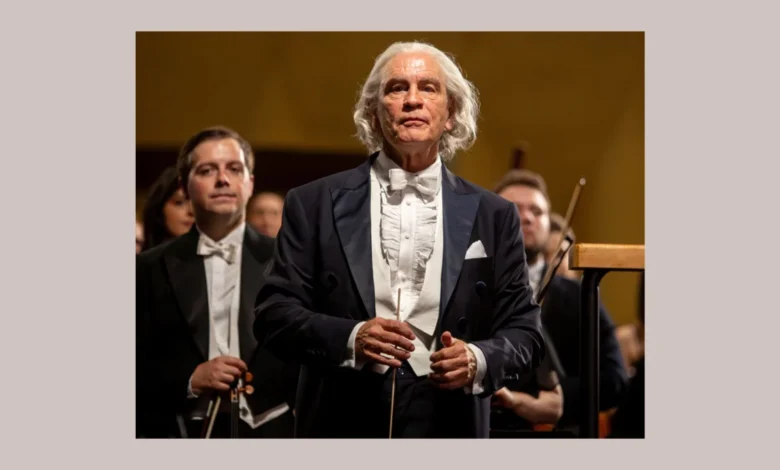
The recently unveiled biopic The Yellow Tie, which held its London premiere this past Wednesday, offers a dramatized exploration of the life and career of Sergiu Celibidache, one of the twentieth century’s most formidable and polarizing orchestral conductors. Starring John Malkovich as the titular maestro, the film attempts to capture the uncompromising artistic philosophy of a man who famously rejected the commercialization of classical music. However, early reception suggests that the film’s narrative approach—characterized by high-tension confrontations and a focus on the conductor’s idiosyncratic temperament—has sparked debate regarding the balance between artistic truth and biographical myth-making.
The Opening Act: A Conflict of Ideology
The film introduces audiences to an elderly Celibidache at his French estate, setting the stage with a scene that crystallizes the conductor’s lifelong stance against the recording industry. In this sequence, Malkovich’s portrayal of Celibidache engages in a heated dispute with a group of Japanese record executives over a proposed contract that would permit the commercial release of his live performances.
The scene serves as a thematic microcosm for the conductor’s entire career. By famously refusing to release his recordings, arguing that the "phenomenology of music" could only be experienced in the immediate, ephemeral moment of a live performance, Celibidache maintained a unique, albeit restrictive, legacy. In the film, his visceral reaction—chasing the executives from his property with the aid of his dogs—serves to highlight the friction between his purist artistic values and the pragmatic, profit-driven realities of the modern music industry. Miranda Richardson, playing his life partner Ioana, provides a muted counterpoint to the volatility, underscoring the personal toll of his professional rigidity.
Chronology of a Controversial Maestro
To understand the gravity of the depictions in The Yellow Tie, one must look at the historical trajectory of the man himself. Born in Romania in 1912, Celibidache rose to international prominence during the immediate post-World War II era. In 1945, he was appointed acting principal conductor of the Berlin Philharmonic, a position he held during a critical period of reconstruction for the ensemble.
The following timeline highlights the key phases of his career:

- 1945–1952: The "Berlin Years." Celibidache steps into the void left by Wilhelm Furtwängler during the denazification process, leading the Berlin Philharmonic through a period of immense scarcity and artistic rebuilding.
- 1954: The selection of Herbert von Karajan as the permanent successor to the Berlin Philharmonic causes a permanent rift between Celibidache and the ensemble, leading him to largely abandon the German capital for decades.
- 1960s–1970s: The "Nomadic Period." He holds positions with the Swedish Radio Symphony Orchestra and the Stuttgart Radio Symphony Orchestra, honing his obsession with rehearsal time and acoustic balance.
- 1979: Appointment as General Music Director of the Munich Philharmonic. This marks his most stable tenure, where he exerts total control over the orchestra’s sound, demanding upwards of 15 to 20 rehearsals for a single program.
- 1996: Celibidache passes away, leaving behind a legacy defined by his refusal to record, a decision that has kept his interpretations largely in the realm of hearsay and limited, posthumous releases.
Analyzing the Conductors’ "Phenomenological" Approach
The central conflict in the film—the refusal to record—was not merely a temperamental quirk; it was rooted in Celibidache’s deep-seated belief in phenomenology, the study of structures of consciousness as experienced from the first-person point of view. He argued that the acoustic experience of a concert hall was inseparable from the music itself. He believed that microphones, by flattening the three-dimensional reality of sound, fundamentally altered the "truth" of the composition.
Supporting data regarding his tenure in Munich shows the extent of his commitment. While many contemporary conductors managed 30 to 50 concerts a year, Celibidache’s rigorous rehearsal requirements often meant he conducted fewer, more highly curated programs. This insistence on perfectionism earned him a reputation as an autocrat, a portrayal that The Yellow Tie leans into heavily. Critics of his methodology argued that his obsession with sound textures often led to tempi that were glacially slow, a point of contention among traditionalists who felt he sacrificed the pulse of the music for the sake of sonic purity.
The Cinematic Interpretation: Malkovich as the Vessel
John Malkovich’s casting is a deliberate choice by the production team to capture the intensity of a man who was often described by his musicians as both a tyrant and a visionary. The film navigates the complexities of his relationship with the Berlin Philharmonic, his struggles with the political climate of his home country of Romania, and his eventual rise to a status of near-mythical authority in Germany.
For viewers unfamiliar with the nuances of orchestral management, the film acts as a crash course in the "Maestro" culture of the 20th century. Yet, industry observers note that by focusing on his explosive temper, the film risks overshadowing his pedagogical contributions. Celibidache was a profound teacher of conducting, influencing generations of students through his masterclasses, where he emphasized the relationship between the conductor’s gestures and the acoustic response of the room.
Industry Implications and Public Reception
The premiere of The Yellow Tie arrives at a time when the classical music industry is grappling with its own identity in the digital age. The irony of a film about a man who hated recordings being distributed via modern streaming platforms is not lost on critics.
"The film is a paradox," noted one industry commentator following the London screening. "By capturing the man who refused to be captured, the filmmakers are engaging in the very commercialization he spent his life fighting."
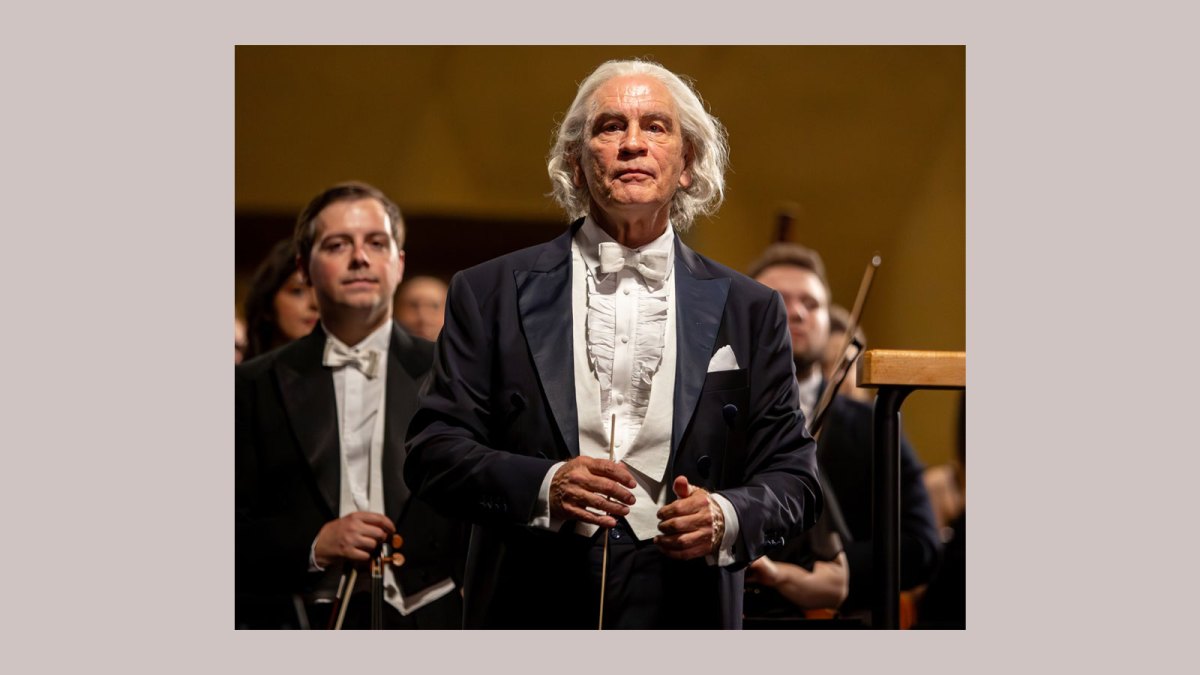
From a production standpoint, the film’s reliance on historical recreations suggests a move toward "prestige" music biopics, similar to recent treatments of Leonard Bernstein or Gustav Mahler. However, the reception of The Yellow Tie will likely hinge on whether audiences view the depiction of Celibidache as an accurate reflection of his artistic integrity or a caricature of a man whose primary fault was his refusal to compromise.
Cultural Legacy and Future Perspectives
The broader impact of this biopic may be a renewed interest in the limited archival recordings that have been released since his death. Many listeners who were previously unaware of the "Celibidache sound"—the vast, deep-toned, and meticulously layered orchestral textures—may find themselves seeking out his interpretations.
While the film highlights his interpersonal failings, it also underscores a dying breed of conductor: the absolute autocrat. In an era where orchestral management is increasingly collaborative and democratic, the image of Celibidache standing on the podium, demanding perfection through intimidation and sheer intellectual force, serves as a poignant reminder of a bygone era of musical leadership.
Ultimately, The Yellow Tie does not attempt to resolve the mystery of Celibidache, but rather invites the audience to bear witness to the intensity of his conviction. Whether the film succeeds as a biographical work will depend on whether the viewer prioritizes the human story of his volatile personal life or the musical story of his search for an unattainable sonic ideal. As the credits roll, the lingering question remains: if he were alive today to witness the ubiquity of high-fidelity digital streaming, would his stance have softened, or would his disdain for the "commercialization of the divine" have only grown more profound? For now, the film provides a vibrant, albeit contentious, answer in the form of a portrait that is as stubborn and uncompromising as its subject.