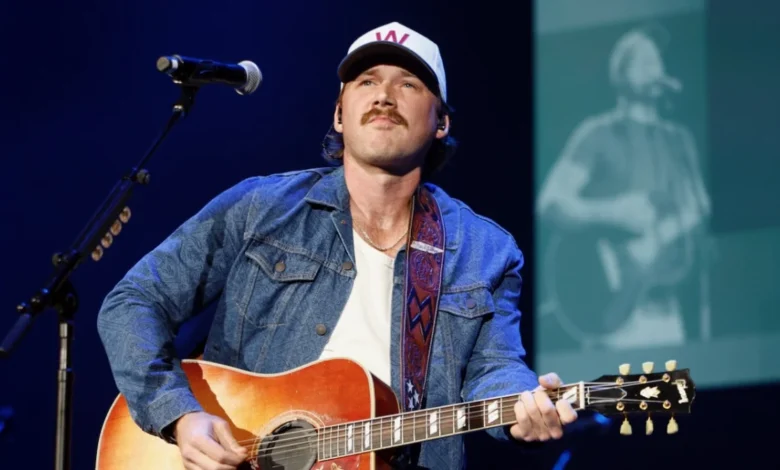
The recent Morgan Wallen concert at M&T Bank Stadium in Baltimore was marred by a deeply disturbing incident this past weekend, as a concert-goer allegedly urinated on a family of four, including an eight-year-old girl. This event has not only drawn widespread condemnation but also ignited a fresh wave of concern regarding concert etiquette, venue security, and the prevalence of anti-social behavior at large public gatherings. The Maryland Transportation Authority Police (MDTAP) has since confirmed that an active and open criminal investigation is underway, signaling the seriousness with which authorities are treating the allegations and highlighting the potential for significant legal repercussions for the individual involved.
The Unsettling Account: A Family’s Ordeal
The incident unfolded on Saturday night, July 19, 2026, during Morgan Wallen’s "One Night at a Time" tour stop in Baltimore. Troy Grevelding, who was attending the highly anticipated concert with his wife, brother, and eight-year-old niece, recounted the harrowing experience to various media outlets. The family had secured seats in what they believed would be a safe and enjoyable environment, eager to partake in the electric atmosphere of a major country music event. However, their evening took a distressing turn when they became the unwitting targets of an alleged act of public indecency and assault.
According to Grevelding, the man seated directly behind them exhibited signs of severe intoxication and belligerence throughout the concert. As the night progressed, this individual allegedly began urinating in place, with some of the liquid reportedly landing on Grevelding and members of his family. The initial shock and disbelief quickly gave way to horror as the family realized the nature of the alleged act. Upon turning around, Grevelding and his family were confronted with the sight of the man exposing himself, confirming their worst fears.
A brief but tense confrontation reportedly ensued between Grevelding and the alleged perpetrator. Faced with such an abhorrent situation and concerned for the safety and well-being of his young niece, Grevelding made the immediate decision to remove his family from the area. They promptly sought out venue security to report the incident, seeking both intervention and justice for the violation they had just endured. The emotional toll of the event, particularly on the eight-year-old child, was significant, transforming what should have been a night of entertainment into a traumatic memory.
Chronology of Events and Official Response
The timeline of events highlights the swift progression from the alleged act to an official investigation. The incident occurred during the concert on Saturday night. Immediately following the alleged urination and confrontation, Grevelding and his family left their seats and located security personnel within M&T Bank Stadium. They provided an account of the events and identified the approximate location of the alleged offender.
Initial attempts to involve law enforcement at the scene were met with a procedural hurdle. As captured in a video clip that quickly went viral across social media platforms, officers initially informed Grevelding that they could not immediately arrest the alleged perpetrator because they had not personally witnessed the incident. This protocol, while standard in many jurisdictions for certain misdemeanors or non-violent offenses, often requires a formal complaint and subsequent investigation rather than an on-the-spot arrest if officers were not direct witnesses. The video sparked public debate about police response and victim recourse in such crowded, chaotic environments.
However, the situation escalated rapidly as the story gained traction, particularly after being reported by TMZ. Recognizing the gravity of the allegations and the public outrage generated, the Maryland Transportation Authority Police (MDTAP), which often has jurisdiction over state-owned facilities like M&T Bank Stadium, confirmed that an "active and open criminal investigation into this matter" was underway. This official confirmation signifies a commitment to identifying and prosecuting the alleged offender, moving beyond the initial procedural limitations. The investigation will likely involve reviewing witness statements, stadium surveillance footage, and any other pertinent evidence to build a case.
M&T Bank Stadium: Venue Context and Security Protocols
M&T Bank Stadium, primarily known as the home of the NFL’s Baltimore Ravens, is a state-of-the-art facility designed to host large-scale events, including major concerts. With a seating capacity exceeding 70,000, it regularly accommodates tens of thousands of attendees. Such a massive venue necessitates robust security protocols, which typically include bag checks, metal detectors, a visible presence of security personnel, and extensive surveillance systems.
For concerts, especially those featuring high-profile artists like Morgan Wallen, security measures are often augmented. This includes a layered approach involving both private security contractors and local law enforcement agencies, such as the Baltimore City Police Department and the Maryland Transportation Authority Police. These teams are tasked with managing crowd control, responding to emergencies, and ensuring the overall safety and comfort of attendees. Restroom facilities are generally plentiful and strategically located throughout the stadium to accommodate the large crowds. However, managing the behavior of intoxicated individuals within such a vast and energetic environment remains a perennial challenge for even the most well-prepared security teams. The incident raises questions about the efficacy of monitoring fan behavior in the upper echelons of the stands and the swiftness of intervention when reports are made.
Morgan Wallen’s Tour: Scale, Crowds, and Fan Behavior
Morgan Wallen’s "One Night at a Time" tour has been one of the highest-grossing and most attended concert series in recent memory. His meteoric rise in country music has cultivated an enormous and incredibly passionate fanbase, leading to sold-out stadiums across North America. The concerts are known for their high energy, enthusiastic crowds, and often, a significant presence of alcohol consumption, which is typical for many large-scale music events.
While the vast majority of attendees at Wallen’s concerts are respectful fans seeking an enjoyable experience, the sheer scale of these gatherings inherently increases the potential for isolated incidents of disruptive or anti-social behavior. Previous reports, though not as extreme as the Baltimore incident, have occasionally surfaced regarding excessive alcohol use, overcrowding, and minor altercations at his shows, reflecting a broader trend observed at many popular stadium concerts. The incident in Baltimore, however, represents a significant escalation in the severity of alleged misconduct, shifting from mere rowdiness to a deeply personal and potentially criminal act. It underscores the challenge that artists, venues, and promoters face in maintaining a safe and family-friendly environment amidst the fervor of massive public events.
Legal Ramifications and Police Jurisdiction
The Maryland Transportation Authority Police’s active and open criminal investigation suggests that the alleged perpetrator, if identified and apprehended, could face serious charges. Potential offenses include indecent exposure, which in Maryland can be a misdemeanor carrying penalties of fines and imprisonment. Given the alleged contact with the family, charges of assault (specifically, second-degree assault) could also be considered, which is a more serious offense with potentially harsher penalties. Additionally, public urination itself is often a local ordinance violation or a disorderly conduct charge, though typically less severe than indecent exposure or assault.
The MDTAP’s jurisdiction is critical in this case. The agency is responsible for law enforcement and public safety across state transportation facilities, including major transit hubs and, in some cases, large venues like M&T Bank Stadium, which are often situated within or adjacent to such infrastructure. Their involvement ensures a thorough investigation, utilizing their resources to identify the individual responsible. The process will involve gathering evidence, interviewing witnesses, and potentially issuing an arrest warrant if probable cause is established. The burden of proof in criminal cases is high, requiring investigators to meticulously compile evidence to ensure a successful prosecution.
A Disturbing Trend: Public Indecency at Concerts
This incident in Baltimore is not an isolated occurrence but rather the third notable "bathroom-related" incident to make headlines this summer from major concerts. Earlier reports detailed an individual allegedly defecating at a Noah Kahan concert in Philadelphia and another similar incident at a 5 Seconds of Summer concert in Fort Worth. These bizarre and deeply unsanitary occurrences collectively point to a worrying trend of public indecency and a blatant disregard for public health and safety at large-scale music events.
The reasons behind this apparent surge in such behavior are complex and likely multi-faceted. Factors may include the increased consumption of alcohol or other substances, leading to impaired judgment; overcrowded venues that can make accessing restrooms challenging; or simply a decline in public civility and respect for communal spaces. Regardless of the underlying causes, these incidents tarnish the experience for countless other attendees and pose significant challenges for venue management and security personnel who are tasked with maintaining order and hygiene.
Public Health and Safety Concerns
Beyond the immediate shock and trauma experienced by the victims, incidents of public urination or defecation in crowded venues raise significant public health concerns. Human waste can contain various pathogens, bacteria, and viruses, posing a risk of disease transmission through direct contact or aerosolization, particularly in close quarters. While the risk of widespread outbreak from an isolated incident might be low, the principle of public hygiene in shared spaces is paramount.
For venue operators, these incidents create an additional layer of logistical and sanitation challenges. Immediate and thorough cleaning protocols are essential to mitigate health risks and restore cleanliness. More broadly, such behavior compromises the safety and comfort that patrons expect when attending a public event, undermining the trust in venue management to provide a clean and secure environment.
Statements and Reactions: Industry, Authorities, and Public
While specific official statements directly addressing the ongoing investigation from M&T Bank Stadium management or Morgan Wallen’s representatives are typically withheld during active inquiries, it is standard for major venues and artist teams to reiterate their commitment to fan safety and a zero-tolerance policy for anti-social behavior. M&T Bank Stadium management would likely emphasize their cooperation with law enforcement and their dedication to providing a safe environment for all guests. Similarly, Morgan Wallen’s team would likely issue a general statement condemning disrespectful or dangerous conduct at his shows, urging fans to act responsibly.
The public reaction, particularly on social media, has been overwhelmingly one of disgust and outrage. The viral video of Grevelding’s initial interaction with police officers fueled calls for swifter justice and stronger enforcement at concerts. Many fans expressed sympathy for the family and condemned the alleged perpetrator’s actions as a blight on the concert-going experience. This collective condemnation highlights a broader societal expectation for respectful conduct in public spaces, even amidst the boisterous atmosphere of a concert. Legal experts, when discussing such cases, often point to the importance of witness testimony and surveillance footage in building a strong case, especially when the initial incident was not directly observed by law enforcement.
Implications for Concert Culture and Future Measures
This incident in Baltimore, alongside other similar reports this summer, may prompt venues and concert organizers to re-evaluate and potentially enhance their security and crowd management strategies. Possible measures could include increased patrols in seating areas, particularly in sections known for higher alcohol consumption; more visible and accessible signage directing patrons to restrooms; and stricter enforcement of policies regarding intoxication and disruptive behavior. The role of technology, such as advanced surveillance systems, in identifying and tracking individuals engaged in misconduct could also become more prominent.
Furthermore, these events serve as a stark reminder of the shared responsibility between attendees, venue staff, and artists to foster a positive and respectful concert culture. While security measures are crucial, individual accountability for one’s actions remains paramount. The long-term implications could include a more cautious approach to alcohol sales, particularly during later stages of concerts, or even public awareness campaigns promoting responsible behavior at large gatherings. The goal would be to ensure that the joy and communal experience of live music are not overshadowed by isolated acts of extreme misconduct.
In conclusion, the alleged urination incident at the Morgan Wallen concert in Baltimore is a deeply troubling event that has rightly garnered significant attention and an active criminal investigation. It underscores the challenges of managing large crowds, the importance of robust security protocols, and the critical need for individual accountability in public spaces. As the investigation proceeds, the incident serves as a poignant reminder that while concerts are places of entertainment, they are also communal spaces where respect, decency, and safety must always remain paramount.