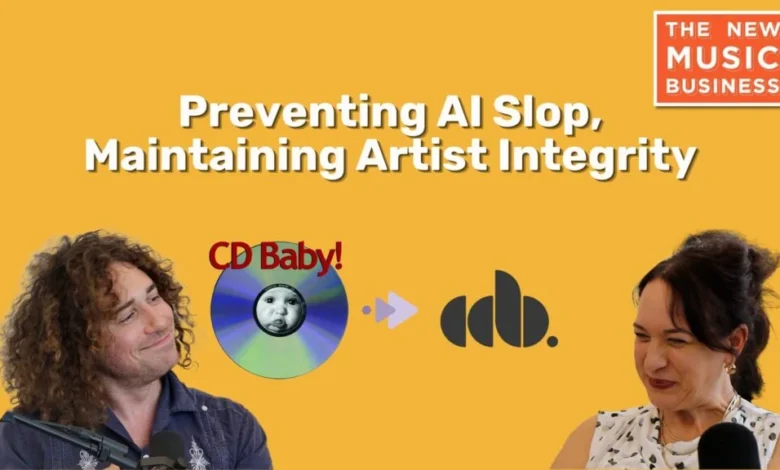
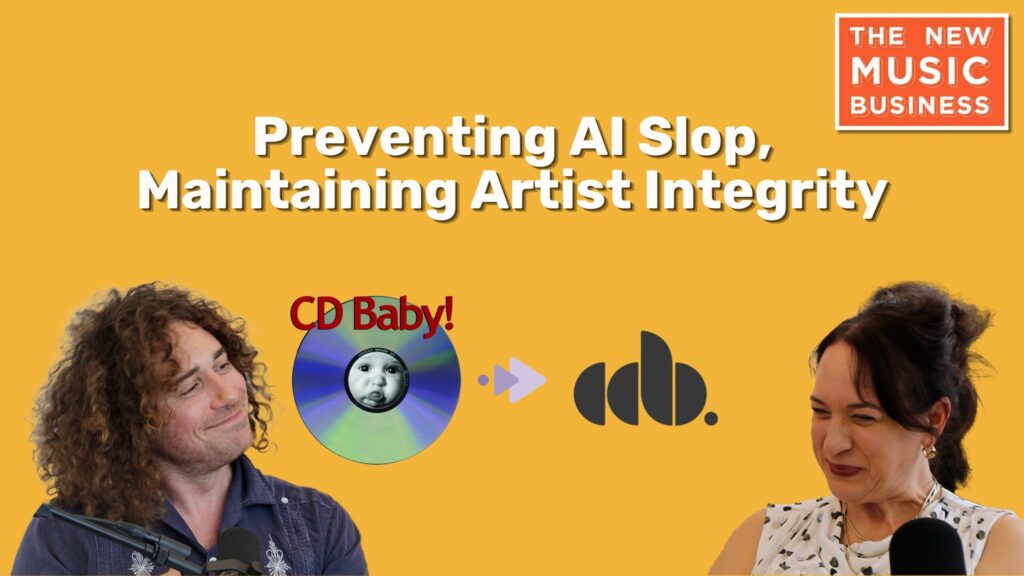
Leading independent music distributor CD Baby is navigating a complex and rapidly evolving industry landscape, as its President, Molly Neuman, highlighted in a recent extensive interview on the "New Music Business" podcast with Ari Herstand. The conversation, which underscored CD Baby’s pivotal role in supporting independent artists globally, delved into some of the most pressing contemporary issues facing musicians, including the disruptive potential of artificial intelligence, the pervasive threat of streaming fraud, the critical nuances of artist compensation and customer support, and the continually shifting role of music distribution itself. Neuman’s insights offered a comprehensive look at how an industry veteran and a major player like CD Baby are adapting to ensure the sustained viability and success of independent creators in 2026 and beyond.
Molly Neuman: A Career Forged in Independent Music Advocacy
Molly Neuman’s journey to the presidency of CD Baby is a testament to her deep-rooted commitment to the independent music sector. Her career spans decades, marked by diverse roles that have consistently placed her at the forefront of advocating for artists and labels. Before leading CD Baby, Neuman made her mark as a drummer in seminal punk bands like Bratmobile, gaining firsthand experience in the DIY ethos that underpins independent music. This practical understanding of an artist’s struggles and aspirations has profoundly informed her subsequent leadership roles.
Her professional trajectory includes significant tenures at Lookout! Records, a cornerstone of the punk rock scene, and, notably, as the President of the American Association of Independent Music (A2IM). At A2IM, Neuman championed the interests of independent labels and artists, negotiating for fair treatment, equitable compensation, and a level playing field in an industry often dominated by major corporations. Her work at Downtown Music Holdings, CD Baby’s parent company, further solidified her reputation as a strategic leader capable of navigating complex business environments while remaining true to independent values. This extensive background provides Neuman with a unique perspective on the challenges and opportunities facing the independent music ecosystem, making her a crucial voice in ongoing industry dialogues. Her leadership at CD Baby now sees her applying this wealth of experience to directly impact the lives and careers of hundreds of thousands of independent musicians worldwide.
CD Baby’s Evolving Independence and Market Dynamics
The question of CD Baby’s independence, a topic specifically addressed in the podcast, reflects the broader consolidation trends within the music industry. Founded in 1998 by Derek Sivers, CD Baby began as a pioneering online store for independent artists to sell physical CDs directly to fans, famously operating with a simple philosophy: "we take 9%, you get 91%." This model revolutionized access for artists who lacked major label deals, establishing CD Baby as a beacon of artist-centric distribution.
As the industry transitioned from physical sales to digital downloads and then to streaming, CD Baby adeptly evolved, becoming one of the largest digital distributors for independent music. In 2008, Sivers sold the company to Disc Makers, which was later acquired by AVL Digital Group. In 2019, Downtown Music Holdings acquired AVL Digital Group, including CD Baby, aligning it with a broader portfolio of music services. This acquisition by Downtown, a prominent player in music rights management and services, raised questions among some artists about the company’s "independent" status, despite Downtown’s stated commitment to empowering creators. The situation further evolved when portions of Downtown’s distribution business, including CD Baby, were temporarily acquired by Utopia Music in 2022, only for Downtown to re-acquire these assets in 2023 following Utopia’s restructuring.
This complex ownership history underscores the dynamic nature of the independent music sector, where financial backing and strategic partnerships are often necessary for growth and technological advancement. While CD Baby operates within a larger corporate structure, its mission, as articulated by Neuman, remains centered on serving independent artists, providing them with tools, reach, and advocacy that might otherwise be inaccessible.
The podcast also touched upon the impact of major label actions, such as Universal Music’s acquisitions and strategies, on the independent landscape. While Universal Music has not acquired CD Baby, the actions of major labels significantly influence the entire music ecosystem. Major labels command vast market share, dictate terms with streaming platforms, and often drive industry-wide policies, from royalty structures to content moderation. For independent distributors like CD Baby, navigating this landscape involves advocating for fair terms, ensuring access to platforms, and safeguarding the interests of artists who lack the negotiating power of the majors. The continued growth of the independent sector, which now accounts for a significant portion of the global recorded music market, is a testament to the resilience of indie artists and the vital role of distributors like CD Baby in empowering them.
The AI Revolution: Creativity, Copyright, and Ethics
One of the most pressing and debated topics discussed was the burgeoning influence of artificial intelligence in music. Generative AI tools are rapidly advancing, capable of composing melodies, generating lyrics, and even mimicking specific vocal styles with startling accuracy. This technological leap presents both immense opportunities and profound ethical dilemmas for the music industry.
The central question, "Should AI-generated music exist?" as posed in the podcast, encapsulates the industry’s struggle with this new frontier. From a creative standpoint, AI offers artists powerful new tools for experimentation, sound design, and even overcoming creative blocks. It can democratize music creation, allowing individuals without formal training to produce sophisticated compositions. However, the rapid proliferation of AI-generated content raises significant concerns about originality, authorship, and copyright. When an AI creates a piece of music, who owns the copyright – the programmer, the user, or the AI itself? How does this impact the intellectual property rights of human artists whose styles or works might be used as training data for these AI models without explicit consent or compensation?
Streaming platforms and distributors like CD Baby are actively grappling with these questions. There’s a growing need for robust content identification systems to distinguish AI-generated content, especially when it infringes on existing copyrights or uses artists’ likenesses without permission. Some platforms are developing policies to address the ethical use of AI, while industry bodies are pushing for legislative frameworks to protect human creators. The potential for AI to flood the market with low-quality or derivative content also threatens to dilute royalty pools and make it even harder for human artists to stand out.
The discussion extended to the use of AI in customer support, prompting the question: "Does it matter if it’s human?" While AI-powered chatbots can offer instant responses and handle routine queries efficiently, there’s an inherent value in human interaction, particularly for complex issues or when an artist requires empathetic understanding. For a company like CD Baby, which prides itself on its artist-centric approach, balancing the efficiency of AI with the irreplaceable value of human connection in customer service is a critical strategic consideration.
Combatting Streaming Fraud: Protecting Artist Integrity and Revenue
Streaming fraud represents another significant threat to the integrity and economic viability of the independent music industry, a topic Molly Neuman extensively covered. Streaming fraud encompasses various illicit practices designed to artificially inflate stream counts, such as using bot farms, click farms, or manipulated play algorithms. These fraudulent activities not only siphon off legitimate royalty payments from real artists but also distort chart rankings and metrics, making it harder to identify genuine talent and listener engagement.
The financial implications of streaming fraud are substantial. Estimates suggest that millions, if not hundreds of millions, of dollars are lost annually to fraudulent streams, diluting the overall royalty pool for legitimate artists. Artists who unknowingly or even knowingly engage in these practices risk severe penalties, including the withholding of royalties, removal of their music from platforms, and even account termination. This can be particularly devastating for independent artists who rely heavily on streaming revenue for their livelihoods.
CD Baby, as a major distributor, plays a critical role in combating this pervasive issue. Neuman detailed the measures distributors are implementing, which include sophisticated fraud detection algorithms, collaborations with Digital Service Providers (DSPs) like Spotify and Apple Music, and active monitoring of suspicious streaming patterns. The goal is to identify and flag fraudulent activity before it impacts artists or the wider ecosystem. This proactive stance is essential not only to protect the financial interests of artists but also to maintain trust in the streaming economy. Beyond technical solutions, education is key, with distributors often providing resources to artists to help them understand the risks of engaging with third-party promotional services that promise guaranteed streams, many of which are fraudulent. The ongoing fight against streaming fraud is a testament to the industry’s commitment to ensuring a fair and transparent environment for all creators.
Artist Compensation, Ownership, and the Future of Distribution
The economics of streaming for independent artists and the critical importance of artist ownership were central themes in the conversation. In the current pro-rata royalty system, where royalties are distributed based on a platform’s total revenue divided by its total streams, independent artists often find it challenging to earn substantial income, especially compared to major label artists with vast catalogs and marketing budgets. This system, while widely adopted, has led to calls for alternative models, such as user-centric payments, where an artist is paid based on what their individual listeners subscribe for.
Molly Neuman stressed that "What Artists Get Wrong About Distribution" often revolves around a simplistic view of its function. Many artists perceive distribution solely as the act of uploading their music to platforms. However, modern distribution is far more comprehensive. It encompasses metadata management, ensuring accurate song information across all platforms; global rights administration, collecting royalties from various territories; detailed analytics, providing artists with insights into their audience; marketing tools and support, helping artists promote their music effectively; and crucially, advocacy for artist rights and fair compensation. CD Baby aims to provide a full suite of services that empowers artists to manage their careers effectively, extending far beyond the initial upload.
Looking ahead to "The State of Independent Music Distribution in 2026," the landscape is expected to continue its rapid evolution. Distributors will need to further integrate advanced analytics, AI-powered insights, and personalized marketing tools to offer competitive advantages. The emphasis will shift even more towards providing comprehensive artist services that help creators build sustainable careers, not just release music. The rise of direct-to-fan monetization strategies, such as fan subscriptions and NFTs, will also require distributors to offer integrated solutions that connect artists directly with their most dedicated supporters, bypassing traditional intermediaries where possible. The future of distribution will be characterized by greater transparency, more sophisticated data analysis, and a renewed focus on empowering artists to control their creative and financial destinies.
Redefining Success: What "Making It" Means Now
The podcast concluded with a profound reflection on "What ‘Making It’ Really Means in Today’s Music Industry." In an era dominated by viral moments and the elusive pursuit of mainstream fame, Molly Neuman offered a grounded perspective, suggesting that success for independent artists in 2026 is increasingly defined by sustainability, authenticity, and direct connection with a dedicated fanbase, rather than solely by traditional metrics like chart positions or major label deals.
The digital age has democratized access to music creation and distribution, but it has also intensified competition. For many independent artists, "making it" no longer means achieving superstar status overnight. Instead, it signifies building a sustainable career that allows them to create music on their own terms, earn a living from their art, and connect meaningfully with an audience, however niche. This involves fostering deep fan relationships, leveraging direct-to-fan platforms, understanding audience analytics, and diversifying income streams beyond just streaming royalties—such as merchandise, touring, sync licensing, and crowdfunding.
Neuman’s perspective emphasizes resilience, strategic thinking, and a long-term vision. It encourages artists to define success on their own terms, focusing on creative fulfillment and building a loyal community that supports their journey. In this environment, distributors like CD Baby become essential partners, providing not just the technical infrastructure for distribution but also the tools, knowledge, and advocacy that enable artists to navigate the complexities of the modern music business and build enduring careers. The conversation served as a powerful reminder that while the industry faces unprecedented challenges, it also presents unparalleled opportunities for independent artists to thrive if they are equipped with the right tools, knowledge, and a clear understanding of what success truly entails in the digital era.
In summary, Molly Neuman’s discussion on the "New Music Business" podcast painted a vivid picture of an industry in flux, characterized by technological disruption, economic pressures, and an enduring spirit of independent artistry. CD Baby, under her leadership, continues to evolve, adapting its services and advocating for policies that empower independent musicians to navigate these changes. The ongoing dialogue around AI, streaming fraud, and fair compensation will undoubtedly shape the future, but the core mission—to support artists in reaching their audience and realizing their creative and professional goals—remains at the heart of CD Baby’s identity.