ESPN Navigates Transformative Era with Major Layoffs Amidst Strategic NFL Integration and Record-Setting Talent Negotiations

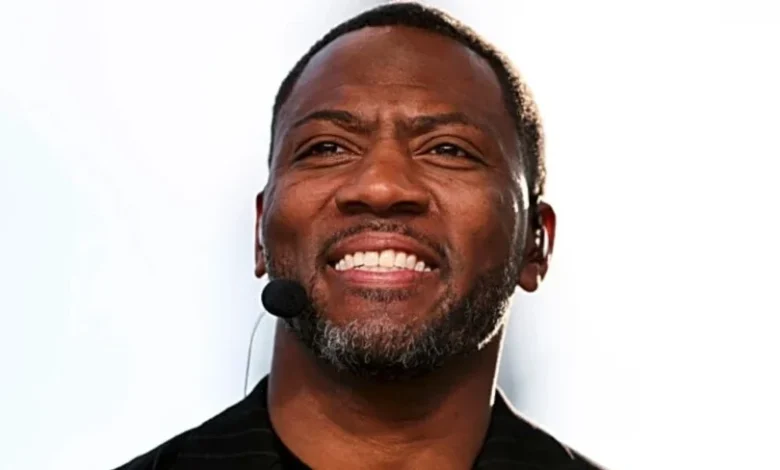
ESPN, the venerable titan of sports broadcasting, finds itself at a pivotal juncture, embarking on a new operational era marked by significant organizational restructuring. This transition, aimed at streamlining operations and aligning strategic priorities, has unfortunately led to the departure of some of the network’s most recognizable faces, sparking widespread debate across the sports media landscape. The comprehensive overhaul comes on the heels of ESPN’s multi-billion-dollar strategic partnership and integration of NFL Network assets, a move intended to consolidate its dominant position in football coverage. Simultaneously, the network is reportedly nearing a historic, nine-figure extension with multimedia personality Pat McAfee, creating a stark juxtaposition that underscores the rapidly evolving, often contradictory, economics of modern sports media.
A Sweeping Restructuring: The Impact of NFL Network Integration
The current wave of layoffs at ESPN is officially attributed to the ongoing integration efforts following its roughly $3 billion acquisition of NFL Network’s operational control and programming assets. This monumental deal, which positions ESPN as the primary operational and content hub for the NFL Network, necessitated a re-evaluation of roles and responsibilities across the entire organization. According to ESPN leadership, the restructuring is part of a broader effort to align operations, eliminate redundancies, and enhance efficiency in a highly competitive and increasingly digital media environment. While many reductions affected crucial behind-the-scenes positions, particularly within the Los Angeles production facilities, a notable number of high-profile on-air talents based in Bristol, Connecticut, and other production hubs were also impacted.
Among the prominent personalities whose contracts were not renewed or whose positions were eliminated are familiar names such as Ryan Clark, Karl Ravech, Tom Pelissero, Cam Newton, David Lloyd, Stephania Bell, Bart Scott, and Charles Davis. These individuals, each a respected figure in their respective fields, represented decades of collective experience and established connections with ESPN’s vast audience. Their departures signal a clear shift in the network’s talent strategy and a recalibration of its content priorities as it moves to leverage the newly acquired NFL assets.
The Talent Exodus: Profiles of Notable Departures
The news of these layoffs reverberated quickly through the sports media world, eliciting strong reactions from both colleagues and the public. Among the most surprising and widely discussed departures was that of Ryan Clark. A former Super Bowl champion safety with a 13-year NFL career, Clark seamlessly transitioned into television, spending more than a decade at ESPN. He became one of the network’s most recognizable and often outspoken NFL voices, known for his incisive analysis and willingness to challenge conventional thinking on programs such as NFL Live and First Take. His engaging style and candid commentary had garnered him a significant following, making his exit a particular shock to many viewers. Reports have indicated that while popular with a segment of the audience, some network executives had reportedly grown frustrated with Clark’s distinctive, sometimes confrontational, analytical style, suggesting a desire for a different editorial approach or on-air dynamic.
The departure of Karl Ravech also sent ripples through the industry, particularly among baseball enthusiasts. As a fixture on Baseball Tonight for decades, Ravech was synonymous with ESPN’s Major League Baseball coverage, guiding viewers through countless games, highlights, and analytical segments. His calm demeanor, extensive knowledge, and professional presence made him a beloved figure, and his absence will undoubtedly be felt by long-time fans of the sport.
Tom Pelissero, an accomplished NFL insider, was another significant cut. His deep connections and breaking news capabilities were invaluable, especially as ESPN aims to solidify its position as the premier destination for NFL content. Similarly, the departures of former NFL players and analysts like Bart Scott and Charles Davis, who provided expert commentary and insights, indicate a strategic consolidation of NFL talent, likely influenced by the integration of personnel from NFL Network.
Cam Newton, the former NFL MVP quarterback, had a relatively shorter tenure at ESPN, attempting to carve out a niche as a commentator. His unique perspective and flamboyant style brought a different energy to the network, but his departure suggests that his fit within the new strategic framework was not deemed sustainable. Rounding out the notable list, David Lloyd and Stephania Bell represented crucial behind-the-scenes and analytical talent. Bell, in particular, was highly regarded for her pioneering work in injury analysis and fantasy football insights, leveraging a background in physical therapy to provide unparalleled depth to sports medical reporting. Their exits underscore that the restructuring impacted a broad spectrum of roles, from front-facing personalities to specialized experts.
Disney’s Broader Cost-Cutting Mandate and ESPN’s Strategic Imperatives
These layoffs are not an isolated event but rather unfold within the larger context of The Walt Disney Company’s aggressive cost-cutting initiatives under CEO Bob Iger, who returned to lead the conglomerate in late 2022. Iger immediately announced a mandate to identify and implement $5.5 billion in savings across the company, leading to multiple rounds of layoffs affecting thousands of employees across Disney Entertainment, Parks, Experiences and Products, and ESPN. The sports network, a crucial, yet costly, segment of Disney’s media empire, has been subject to previous rounds of significant workforce reductions in 2015, 2017, 2020, and earlier in 2023, signaling a persistent effort to optimize its financial structure amidst rising content costs and shifting consumer habits.
The strategic acquisition and operational integration of NFL Network assets represent ESPN’s ambitious bid to further solidify its status as the definitive home for American football. The deal, which includes expanded rights to NFL games, shoulder programming, and digital assets, is designed to create a comprehensive, unified NFL content ecosystem. This move is critical for ESPN as it navigates the increasingly competitive landscape of sports broadcasting, where major rights deals for leagues like the NFL, NBA, and MLB command astronomical figures. By consolidating NFL content and streamlining operations, ESPN aims to enhance its value proposition to subscribers, particularly as it continues to explore a future direct-to-consumer (DTC) streaming offering that would bypass traditional cable providers. The redundancies created by merging two substantial media operations, however, were an inevitable byproduct of this pursuit of synergy and efficiency.
The Pat McAfee Conundrum: A Tale of Two Strategies
The timing of these difficult staffing decisions has become an even larger story due to its direct coincidence with ongoing negotiations surrounding Pat McAfee’s next contract. ESPN and McAfee are reportedly working toward a substantial extension believed to be worth between $60 million and $65 million annually. This staggering figure would roughly double the value of his current multi-year agreement, which was already estimated to be worth around $85 million over five years. If finalized, this new deal would position McAfee as one of the highest-paid commentators in sports media history, rivaling contracts traditionally reserved for top-tier play-by-play announcers or lead analysts. While reports of the impending deal have spread widely across industry outlets, ESPN has not yet made an official announcement regarding a finalized contract.
This apparent dichotomy – shedding veteran talent to cut costs while simultaneously preparing one of the richest talent deals in sports media history – ignited fierce debate across social media and among industry observers. Critics swiftly questioned the perceived hypocrisy, asking how a company could justify such massive investment in one personality while letting go of long-serving employees. The public outcry highlighted a growing tension in the media industry between the value placed on traditional, network-grown talent and the astronomical sums commanded by "creator economy" personalities who bring massive, pre-existing digital audiences.
Pat McAfee, known for his direct and unfiltered communication style, addressed the controversy head-on during his highly popular show. He acknowledged and expressed understanding for the frustration surrounding the layoffs, stating unequivocally that he "hates any time this happens." However, he emphatically rejected the notion that his contract negotiations were directly responsible for the company’s staffing reductions. McAfee emphasized that the economics of his independently produced program, The Pat McAfee Show, which ESPN licenses and distributes, are structurally separate from the broader staffing decisions being made across the larger ESPN and Disney corporate entity. His show operates with a distinct business model, leveraging its pre-existing production infrastructure and digital reach, which, from ESPN’s perspective, offers a unique value proposition and a different cost-benefit analysis compared to traditional internally produced programming.
Broader Implications for the Sports Media Landscape
The current episode at ESPN underscores the dramatic and continuous evolution of the sports media business. Several powerful forces are converging to reshape the industry:
- Escalating Rights Fees: The cost of acquiring broadcast rights for major sports leagues continues to soar, placing immense financial pressure on media companies. This necessitates aggressive cost-cutting elsewhere to maintain profitability.
- Corporate Mergers and Integrations: Large-scale acquisitions, like the NFL Network integration, create opportunities for synergy and market dominance but inevitably lead to redundancies as operations are combined.
- The Rise of Personality-Driven Programming: The success of figures like Pat McAfee, Stephen A. Smith, and others demonstrates the immense value placed on unique, engaging personalities who can draw large, loyal audiences across multiple platforms. This creates a bifurcated talent market where a select few command exorbitant salaries, while mid-tier and traditional roles face increasing scrutiny.
- The Shift to Direct-to-Consumer (DTC) Models: Legacy broadcasters are grappling with the impact of cord-cutting and the imperative to transition to streaming-first strategies. This requires a leaner operational structure and content that appeals directly to digital subscribers.
- Disney’s Strategic Realignment: ESPN remains a cornerstone of Disney’s media strategy, but it is increasingly viewed as a key asset in the company’s pivot towards streaming profitability. This means tough decisions will continue to be made to ensure ESPN is financially viable in a rapidly changing ecosystem.
For viewers, these departures mark the end of familiar chapters and the potential loss of voices they have come to trust and enjoy. The continuity of coverage and the rapport built over years with specific analysts and reporters will undoubtedly be missed by many. For ESPN, however, these moves represent a decisive step in redefining its identity and operational model. The network is clearly building around its expanded NFL footprint and investing heavily in a new generation of sports media talent, often with a significant digital presence. The strategy appears to be a dual approach: aggressively consolidating core content like the NFL to maximize efficiency and market share, while simultaneously investing in unique, high-value personalities who can attract younger, digitally native audiences and drive engagement across new platforms.
In conclusion, ESPN’s latest organizational shift is a complex tapestry woven with threads of strategic ambition, economic necessity, and the challenging realities of a transforming industry. It highlights the delicate balancing act faced by legacy media giants: how to invest heavily in marquee brands and star personalities while simultaneously making difficult decisions that affect longtime employees to streamline operations and ensure long-term viability. As the sports media landscape continues its rapid evolution, ESPN’s moves serve as a stark reminder that even the most established players must constantly adapt, innovate, and make tough choices to secure their future in an increasingly dynamic and competitive world.