Mark of a Woman Explores the Intersection of Ink Identity and Accessibility at Theatre Passe Muraille


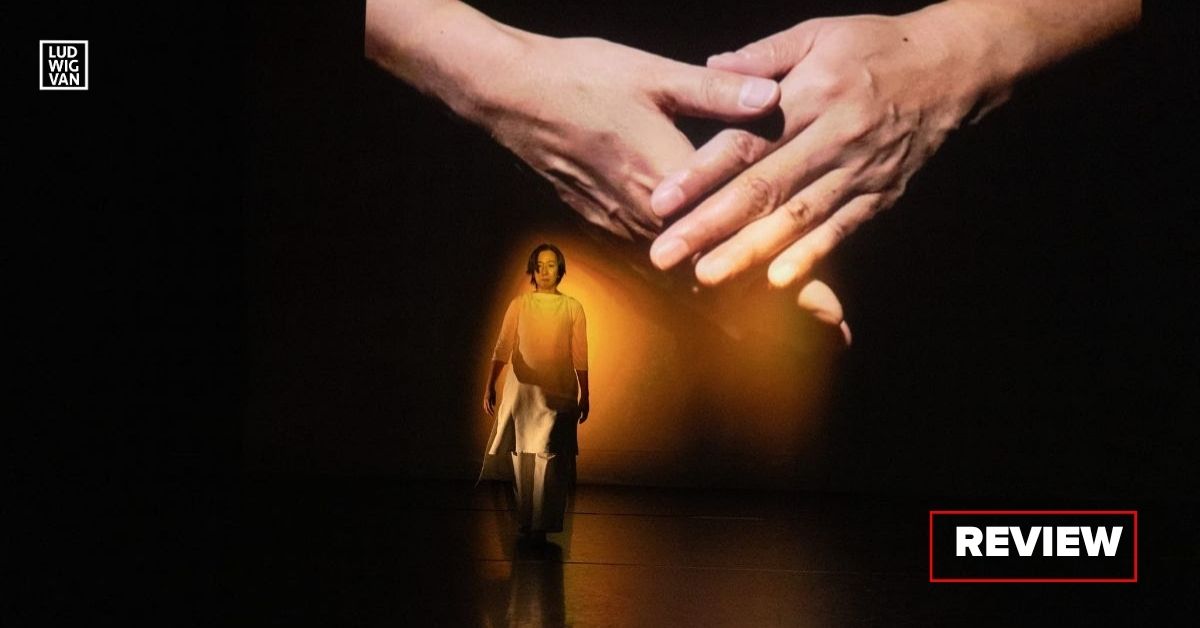
The intersection of body art, historical reclamation, and sensory technology took center stage at Toronto’s Theatre Passe Muraille on May 22 and 23, 2026, with the presentation of Mark of a Woman. Created and performed by London-based artist Chisato Minamimura, the production serves as a multi-sensory exploration of the history of tattooing, viewed through the lens of a deaf Japanese woman. By integrating haptic technology, animation, and a specialized form of physical performance known as Visual Vernacular, the show attempts to bridge the gap between archival history and contemporary personal narrative.
The production arrived at Theatre Passe Muraille’s Mainspace as part of a broader movement within the performing arts to prioritize accessibility not merely as an add-on, but as an inherent component of the creative process. Under the direction of Minamimura, the show moves beyond traditional storytelling to examine how the human body—specifically the female body—has been marked by culture, colonization, and personal agency over the centuries.
The Integration of Haptic Technology and Sensory Experience
Upon entering the Mainspace, audience members were introduced to a specialized theatrical environment designed for both hearing and D/deaf spectators. Production manager and lighting designer Jon Armstrong served as the evening’s technical facilitator, briefing the audience on the use of Woojer belts. These haptic devices, which are wearable straps equipped with transducers, are designed to translate audio frequencies into physical vibrations. In the context of Mark of a Woman, the belts were synchronized with the show’s soundscape, allowing the audience to feel the resonance of the score and the rhythmic intensity of specific narrative beats.
The use of haptic technology in theater represents a growing trend in "relaxed" and "accessible" performances, aimed at creating an immersive experience that does not rely solely on auditory cues. By securing these devices around their waists or chests, audience members were granted a tactile connection to the performance, a physical mirroring of the "marks" discussed in the script.
Following the technical briefing, Armstrong guided the audience through the sign language gesture for "tattoo." The sign involves using the index finger of one hand to point to three distinct points on the back of the opposite forearm—a gesture that would serve as a recurring motif throughout the hour-long performance. This educational prologue served to ground the audience in the linguistic world of the performer before the narrative officially commenced.
Narrative Origins and the Archival Impulse
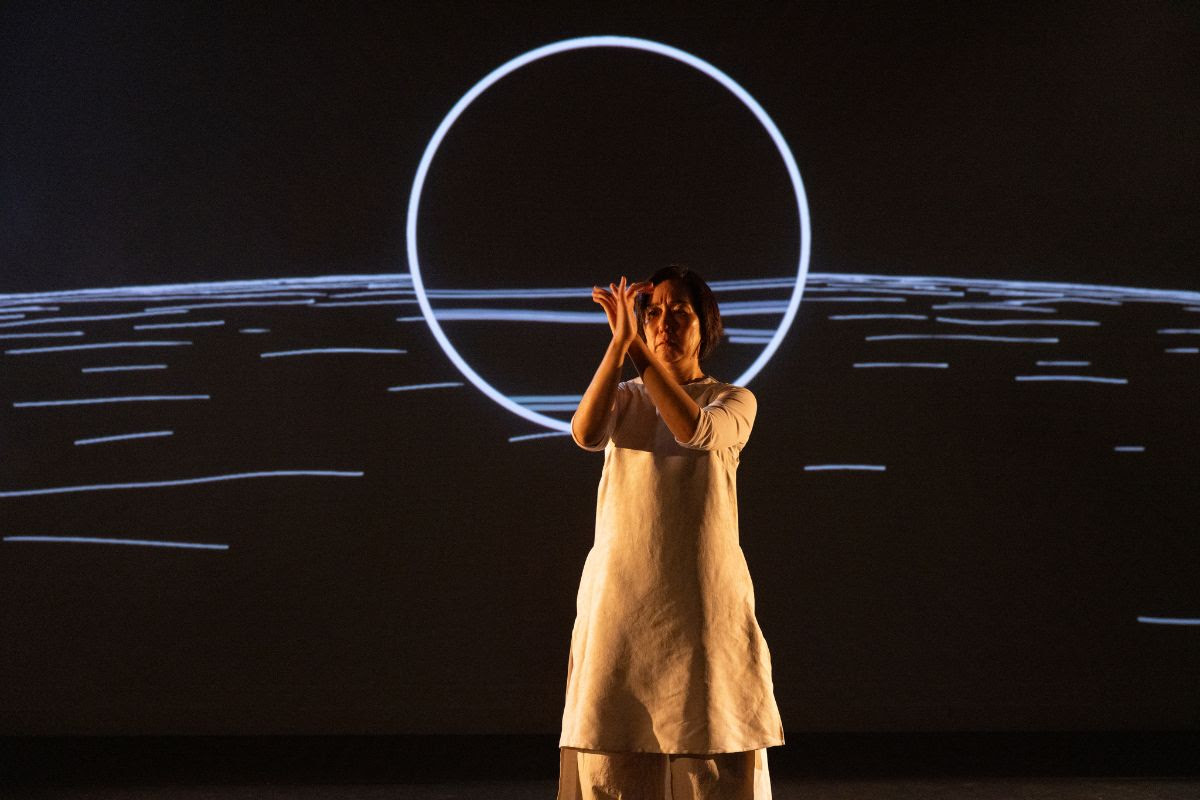
Chisato Minamimura entered the stage clad in a fluid, white ensemble designed by Sophie Donaldson, a visual choice that suggested a blank canvas against which the stories of ink would be projected. Through a combination of sign language and a British-accented voiceover translation, Minamimura introduced herself as a deaf Japanese woman who, despite having no tattoos of her own, developed a deep fascination with the medium during the isolation of the COVID-19 pandemic.
Her research led her to the Wellcome Collection in London, a museum and library dedicated to the history of health and humanity. Within its archives, Minamimura encountered a controversial and haunting collection: preserved patches of human skin featuring 19th-century tattoos. These specimens, often taken from the bodies of deceased sailors, soldiers, and prisoners, served as the catalyst for the show’s inquiry. Under Armstrong’s focused lighting, a display case on stage represented these archival fragments, prompting Minamimura to question the origins, meanings, and ethics behind these permanent marks.
Visual Vernacular and the Chronology of the Mark
The core of Mark of a Woman is delivered through Visual Vernacular (VV), a unique theatrical language that blends sign language with mime, cinematic pacing, and exaggerated bodily expression. This technique allows Minamimura to portray multiple characters and settings without the need for elaborate sets or props.
The performance follows a chronological and thematic arc, beginning with the era of European exploration and colonization:
-
The Colonial Gaze (18th Century): Minamimura used VV to depict a voyage at sea, embodying the persona of a colonizer peering through a telescope. This segment, enhanced by the animations of Dan Chambers, illustrated the encounter between European explorers and Indigenous women. The narrative took a somber turn as it depicted the colonial practice of "collecting" tattoos—a process that often involved the literal flaying of skin for scientific or curiosity-driven archives. The haptic belts provided a jarring, low-frequency vibration during these moments, emphasizing the violence inherent in this historical period.
-
The Trailblazer (19th Century): The tone shifted to the American circus circuit of the late 1800s, focusing on the story of Maud Stevens Wagner. Wagner, a contortionist and aerialist, famously traded a date with tattoo artist Gus Wagner for a lesson in the craft, eventually becoming the first known professional female tattoo artist in the United States. Minamimura’s performance in this section adopted the aesthetic of a silent film, utilizing flickering title cards and stylized movements to evoke a sense of nostalgia and grit.
-
Indigenous Reclamation and Personal Healing (Modern Era): The final segment transitioned from historical reenactment to contemporary testimony. Rather than miming these stories, Minamimura shared the stage with projected interviews from two women:
- Shuko Fujita: A woman who chose to honor her heritage by receiving hajichi—traditional hand tattoos of the Ryukyuan people in Okinawa. Historically used to signify womanhood and protect against evil, hajichi were banned by the Japanese government in the late 19th century as part of an effort to modernize and assimilate indigenous populations.
- Sonia Zambakides: A breast cancer survivor who discussed her decision to use tattoos as a form of reconstructive art. Zambakides detailed how the ink transformed her relationship with her body, moving from a state of "shame" following surgery to a sense of "pride" and reclaimed beauty.
Technical Artistry and Collaborative Design
The success of the production’s atmospheric shifts relied heavily on the collaboration between Minamimura and animator Dan Chambers. The projections on the rear screen provided a necessary visual anchor for the Visual Vernacular, illustrating everything from the rolling waves of the Atlantic to the intricate patterns of Okinawan ink.
Lighting designer Jon Armstrong utilized a minimalist but effective palette, using sharp transitions to separate the "archival" moments from the "personal" reflections. The sonic landscape, while primarily experienced through the Woojer belts by some, also played a crucial role in maintaining the production’s momentum, providing a rhythmic skeleton for Minamimura’s movements.
Critical Analysis and Implications
While Mark of a Woman was praised for its innovative use of technology and its commitment to accessibility, the production also faced critiques regarding its depth and pacing. Some observers noted that the rapid-fire nature of the Visual Vernacular segments occasionally made it difficult for uninitiated audience members to track the finer details of the storytelling. The breadth of the subject matter—spanning three centuries and multiple continents—sometimes resulted in a surface-level treatment of complex topics such as colonial exploitation and indigenous erasure.
Furthermore, a point of contention arose regarding the performer’s role during the modern interview segments. As the footage of Fujita and Zambakides played, Minamimura sat with her back to the audience, watching along with them. While this was intended to position her as a "witness" to these powerful testimonies, some critics argued that it created a disconnect, leaving the performer feeling like a spectator in her own production rather than an active participant in the final emotional payoff.
Broader Impact on the Arts and Accessibility
Despite these critiques, the presentation of Mark of a Woman at Theatre Passe Muraille marks a significant moment in the Toronto arts calendar. It highlights the potential for "integrated accessibility," where the needs of D/deaf and hard-of-hearing audiences are baked into the artistic vision from the start.

The show also contributes to the ongoing feminist discourse surrounding body autonomy. By framing tattoos as a "mark" of survival, identity, and resistance, Minamimura challenges the historical stigmas often associated with inked women. The production situates the act of tattooing within a larger framework of human rights and cultural survival, particularly in the case of the Ryukyuan hajichi.
As the performance concluded, Minamimura addressed the audience one final time, stating, "This is my mark. Here in this performance I have created for you." The statement served as a reminder that the performance itself is a temporary "tattoo" on the cultural fabric of the city—a transient but meaningful impression.
Conclusion
Mark of a Woman stands as a testament to the evolving nature of solo performance in the 21st century. By leveraging haptic technology and the expressive power of Visual Vernacular, Chisato Minamimura has created a work that demands the audience not just look and listen, but feel the weight of history. While the production may be as fleeting as a temporary tattoo, the questions it raises about who owns the narrative of the female body and how we preserve the marks of the past remain deeply etched in the viewer’s mind. For Theatre Passe Muraille, the production reaffirms its mission to push the boundaries of what is possible in inclusive, contemporary theater.
Related posts: