Emerson, Lake & Palmer’s "Works Live": A Reissue Unearths the Zenith of Progressive Rock Ambition

The mid-1970s represented a period of unparalleled commercial success and artistic ambition for Emerson, Lake & Palmer (ELP), the titan trio of progressive rock. Keyboard virtuoso Keith Emerson, guitarist, bassist, and vocalist Greg Lake, and drummer Carl Palmer commanded stadium stages and achieved multi-platinum sales, solidifying their status as one of the era’s most influential and commercially potent acts. This legendary period is being revisited with the upcoming reissue of their seminal live album, "Works Live," set for release on July 24, 2026. The reissue serves as a potent reminder of ELP’s unique place in music history, a band that pushed the boundaries of rock music with a daring fusion of technical mastery, classical reinterpretations, and spectacular arena-scale performances.
Carl Palmer, in a recent interview with MusicRadar, reflected on these "golden years," describing them as a time when ELP ascended to the pinnacle of global stardom. "We had three years of being the biggest band you could ever imagine," Palmer stated. "We didn’t sustain it for long enough, but for three, maybe four years, the band was at an incredibly high level. There’s no doubt about that." This sentiment is echoed in the official announcement for the "Works Live" reissue, which highlights ELP’s role in defining the "scale and ambition of progressive rock." The trio’s pioneering approach, characterized by virtuosic musicianship and a bold embrace of classical influences within a rock framework, set them apart and resonated with millions of fans worldwide.
Despite their immense popularity and the undeniable quality of their musicianship, ELP often found themselves at odds with the critical establishment. Palmer candidly admitted, "We got slammed really hard. We got slammed in the UK. They said we were overblown, pretentious, sabre-rattling." This critical reception, however, did little to diminish their appeal to a vast and devoted audience who were captivated by ELP’s sonic explorations and theatrical stage presence.
The California Jam: A Landmark Performance
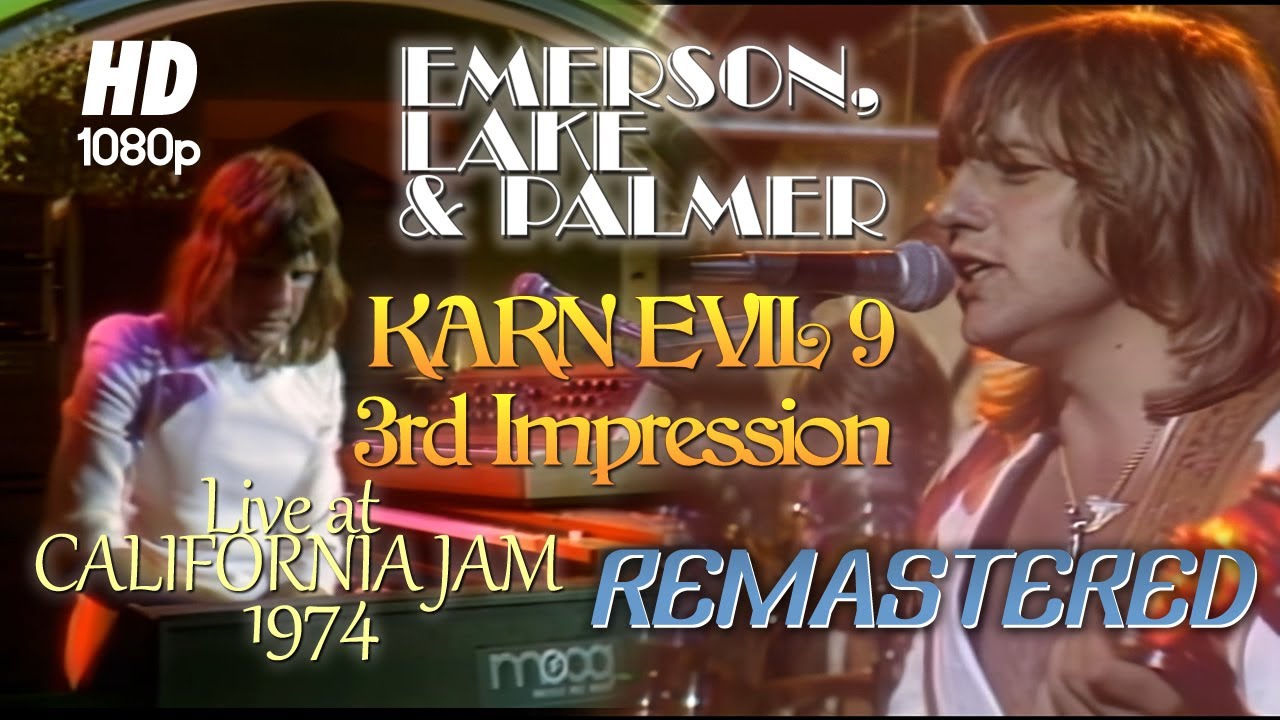
A defining moment in ELP’s career, and indeed in the history of rock music, was their co-headlining performance at the California Jam festival in 1974. Held at the Ontario Motor Speedway in Ontario, California, the event was one of the largest rock concerts of its time, drawing an estimated 200,000 attendees. ELP shared the stage with a formidable lineup that included fellow rock giants Deep Purple, the iconic Black Sabbath, and the burgeoning country-rock band, the Eagles. The sheer scale of the event, amplified by live television broadcasts and massive crowds, cemented ELP’s reputation as an arena-rock powerhouse capable of captivating unprecedented numbers of fans.
Palmer vividly recalled the overwhelming atmosphere of the California Jam: "When we played California Jam, I think 120,000 people paid, and another 100,000 smashed down the fences and broke their way in." This chaotic yet exhilarating scene underscored the immense demand for ELP’s music and their ability to draw a fervent audience, even amidst a festival environment packed with other high-profile acts. The performance of "Karn Evil 9, 3rd Impression" at this legendary festival, later remastered and made available, serves as a potent auditory testament to their live prowess during this era.
Montreal’s Olympic Stadium: A Stage for Epic Performances
Another significant chapter in ELP’s live history unfolded at Montreal’s Olympic Stadium on August 26, 1977. This concert, attended by a staggering 78,000 fans, was meticulously recorded and formed the core of the 1979 live album, "In Concert." This album was later expanded and reissued in 1993 under the title "Works Live," which is now receiving a comprehensive reissue. The Montreal performance exemplified ELP’s continued commitment to delivering grand-scale rock shows that blended technical virtuosity with an undeniable sense of spectacle.
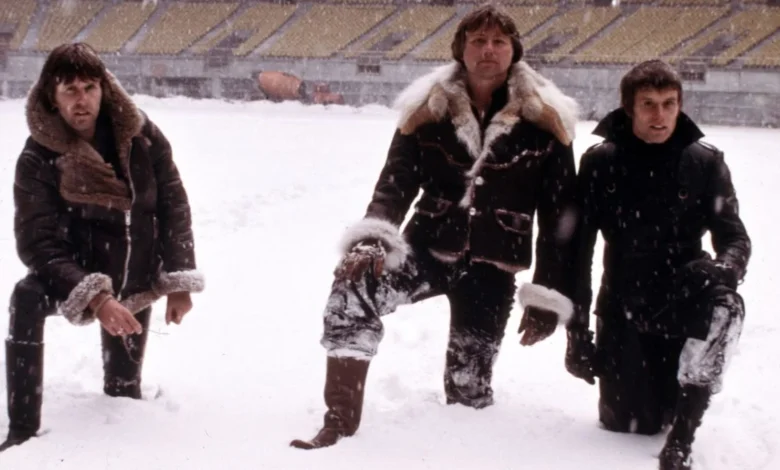
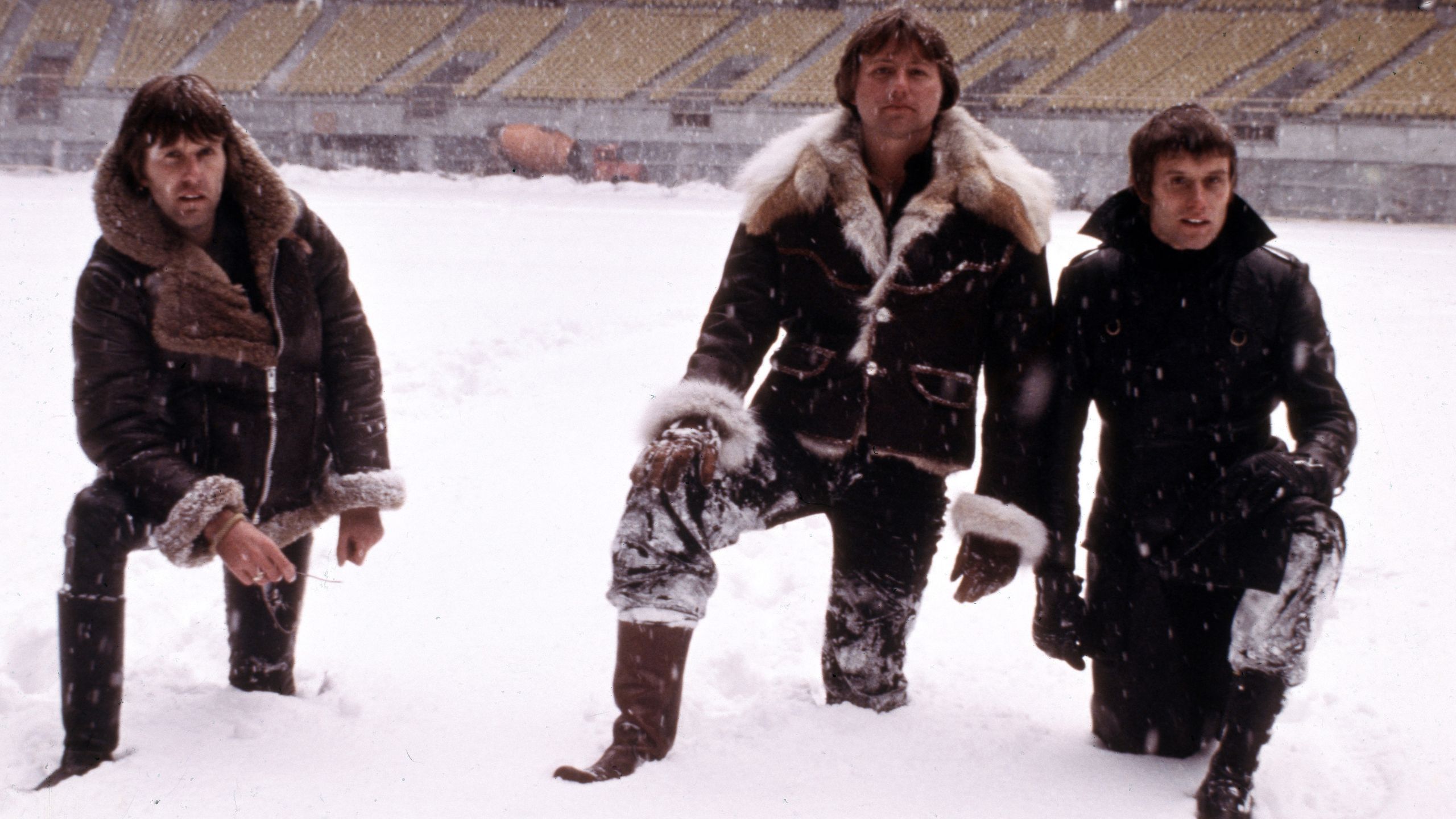
The lead-up to the 1977 North American tour provided a unique backdrop for one of ELP’s most iconic music videos. The trio had chosen to rehearse in a basement area beneath the Olympic Stadium during the harsh Montreal winter. Amidst the deep snow and freezing temperatures, an idea was conceived to create a visually striking promotional video for their hit single, "Fanfare For The Common Man."
The Making of the "Fanfare For The Common Man" Video
Palmer recounted the genesis of the "Fanfare" video, highlighting the unusual circumstances of its creation: "The video that was made for Fanfare was recorded in the winter before the concert in the summer. So the same venue, but different times of the year." The band, deeply familiar with the stadium from their rehearsals, approached a representative of the Olympic Stadium who was a known ELP fan. Their request was audacious: to film a video in the empty stadium, buried under six feet of snow.
"We said, ‘Would it be at all possible if we could shoot a video in the stadium when there’s no one there and there’s six feet of snow?’" Palmer explained. "He said, ‘Well, we don’t get many requests like that. We’ll see what we can do for you.’ And in the end they said yes." This willingness from the stadium management allowed ELP to create a visually distinctive and memorable video that perfectly complemented the epic scope of "Fanfare For The Common Man."
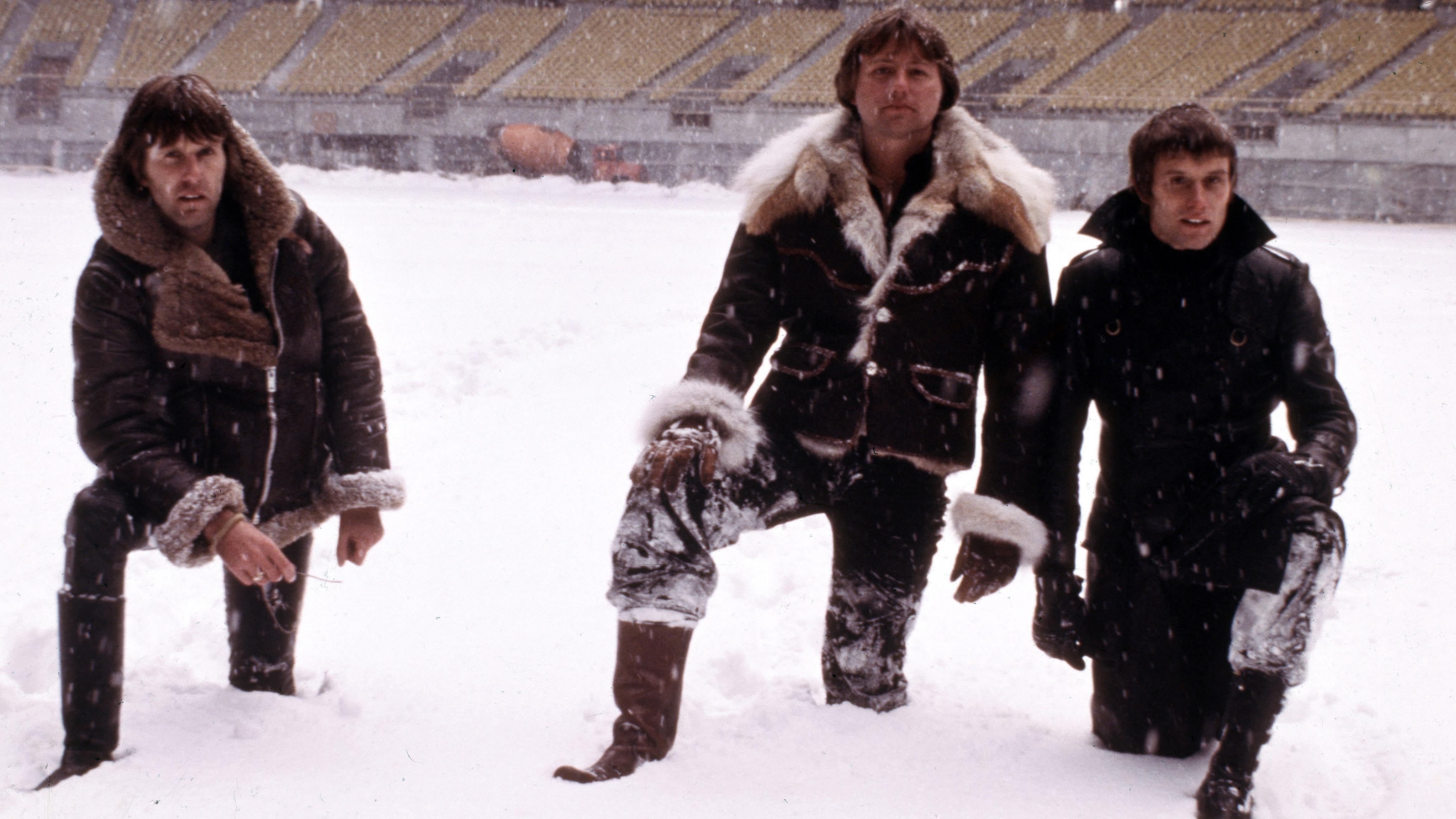
The filming process itself was an extreme undertaking. "We didn’t actually play the song physically. It’s a mime. We had the song blasting through the speakers and we just played away as if we were doing it live," Palmer revealed. The band endured punishing conditions, with temperatures reportedly reaching "30 below." They shot the video four times, focusing on individual members and then as a complete unit, before succumbing to the intense cold. "We could only do it those four times because we were absolutely freezing," Palmer recalled. "I think it was about 30 below at the time. We couldn’t take it anymore."
The dedication and unique approach to the "Fanfare For The Common Man" video paid off handsomely. The single itself achieved significant chart success, reaching number two on the UK charts. Palmer reflected on its impact, stating, "It became a big thing. And really it was one of the first classic rock ‘n’ roll videos." This assertion speaks to ELP’s pioneering spirit, not only in their music but also in their embrace of visual media to promote their work, setting a precedent for future artists.
Legacy and Reissue Significance
The reissue of "Works Live" is more than just a re-release of a classic album; it is an opportunity to re-examine the legacy of a band that dared to be different. Emerson, Lake & Palmer occupied a unique space in the musical landscape, bridging the gap between complex, artful progressive rock and the mass appeal of arena rock. Their willingness to incorporate classical compositions, such as Mussorgsky’s "Pictures at an Exhibition," and their audacious stagecraft, including Keith Emerson’s iconic, giant Moog synthesizer, set them apart from their contemporaries.
The critical disdain they often faced, particularly in the UK, contrasted sharply with their immense global popularity. This dichotomy highlights a recurring theme in music history: the tension between critical acclaim and commercial success, and how certain artists can transcend conventional critical boundaries to achieve enduring appeal. ELP’s ability to fill stadiums and sell millions of albums, even while being labeled "pretentious," is a testament to the power of their musical vision and their connection with a broad audience hungry for something beyond the mainstream.
The "Works Live" reissue, with its focus on the band’s live performances, particularly the Montreal concert, underscores the importance of their stage presence. ELP were not merely studio artists; they were formidable live performers whose concerts were events in themselves. The intricate arrangements, the virtuosic solos, and the sheer power of their sound were best experienced in person, and live albums like "Works Live" capture that electrifying energy.
Broader Impact and Implications
The enduring influence of Emerson, Lake & Palmer can be seen in the continued appeal of progressive rock and in the way bands today approach ambitious musical arrangements and stage production. Their fusion of classical music with rock opened doors for subsequent generations of musicians to explore more complex and diverse sonic territories. The band’s commercial success also demonstrated that challenging and intricate music could find a massive audience, a lesson that continues to inspire artists seeking to push creative boundaries without sacrificing accessibility.
The reissue of "Works Live" arrives at a time when the appreciation for 1970s progressive rock continues to thrive. As fans revisit these seminal recordings, they are reminded of a period when rock music was unafraid of grandiosity, complexity, and artistic risk. The "Works Live" reissue, therefore, serves not only as a tribute to Emerson, Lake & Palmer’s monumental achievements but also as a vital contribution to the ongoing conversation about the evolution and enduring power of progressive rock. The meticulous restoration and potential inclusion of bonus material in such reissues offer listeners a deeper understanding of the band’s creative process and the context of their groundbreaking work. The continued availability and re-evaluation of albums like "Works Live" ensure that the legacy of ELP, and the era they so powerfully defined, will continue to inspire and captivate audiences for years to come.