Chicago Blues Artist Brant Buckley Releases New Anthem We Love Da Bears Celebrating Decades of Team Loyalty and Musical Heritage

In an era where the intersection of professional sports and regional culture defines the identity of a city, Chicago-based musician and historian Brant Buckley has introduced a new sonic contribution to the storied legacy of the Chicago Bears. The release of the original song, "We Love Da Bears," marks a deliberate attempt to fuse the gritty, authentic traditions of Chicago blues with the fervent, multi-generational loyalty of the NFL’s most dedicated fanbases. Inspired by the raw emotion of the crowds at Soldier Field and the historical weight of the "Monsters of the Midway," Buckley’s latest work serves as both a modern game-day anthem and a tribute to the enduring spirit of the Windy City.
The Genesis of a Modern Anthem
The inspiration for "We Love Da Bears" did not emerge from a corporate marketing room, but rather from a spontaneous moment of observation. During the late stages of the previous NFL season, approximately one month before the commencement of the playoffs, Buckley encountered a photograph in the Chicago Sun-Times that captured the essence of the Chicago fan experience. The image depicted a sea of fans at Soldier Field, their faces etched with a mixture of hope, intensity, and unwavering dedication.
For Buckley, the photograph was a catalyst. It represented a form of communal love that transcends the statistics of the game. "The picture struck a chord within me as I saw so much passion and dedication in everyone’s eyes," Buckley stated. "Underneath this was love; a deep love for their Bears." This realization prompted a months-long creative process aimed at distilling that emotional energy into a musical format that resonated with the city’s blues roots.
The composition process began with the development of a "backwards walking blues riff" on the guitar. In musicological terms, a walking riff typically provides a steady, driving rhythm that mimics the pace of a person walking, a staple of the Chicago blues style popularized by legends like Willie Dixon and Muddy Waters. By inverting this structure, Buckley created a unique melodic hook that follows the movement of the guitar, establishing a rhythmic foundation that is both familiar to blues aficionados and accessible to the general public.
Technical Composition and the 432Hz Frequency
A notable technical aspect of "We Love Da Bears" is Buckley’s decision to record the track at a frequency of 432Hz. While the standard tuning for modern music is 440Hz—a convention established in the mid-20th century—the 432Hz frequency, often referred to as "Verdi’s A," is favored by some musicians and theorists for its perceived natural resonance.
Buckley noted that he finds 432Hz to resonate more deeply with the "heart and soul" compared to the sharper 440Hz tuning. This choice reflects a broader trend in independent music production where artists seek specific vibrational qualities to enhance the listener’s emotional connection to the work. By utilizing this alternative tuning, Buckley intended to ground the high-energy sports anthem in a more organic, soulful atmosphere, bridging the gap between the adrenaline of a football game and the introspective nature of the blues.
The production of the track took place at Mystery Street Recording in Chicago, a facility known for capturing the authentic sound of the city’s independent music scene. The collaboration involved Mickey Cushing, who provided bass accompaniment and managed the mixing process. Cushing’s personal history with the team—his grandfather was a long-time season ticket holder—added a layer of authentic Chicago heritage to the recording session. The final mastering was handled by Collin Jordan at the Boiler Room, an engineer whose portfolio includes work with the iconic Alligator Records, further cementing the song’s ties to the professional blues industry.
Historical Context: Sports and Music in Chicago
The release of "We Love Da Bears" enters a cultural landscape where music and the Chicago Bears have been inextricably linked for decades. The most famous example, the 1985 "Super Bowl Shuffle," became a mainstream phenomenon, reaching number 41 on the Billboard Hot 100 and earning a Grammy nomination. However, while the "Shuffle" was a product of the hip-hop-influenced 1980s, Buckley’s anthem looks further back to the 1940s and 50s, the era when Chicago blues was being forged in the clubs of the South Side.
Chicago’s sports anthems often serve as a barometer for the city’s morale. From "Go, Cubs, Go" to the Blackhawks’ use of "Chelsea Dagger," these songs provide a shared vocabulary for a diverse populace. Buckley’s contribution seeks to fill a specific niche: a chant-heavy, blues-driven anthem that reflects the blue-collar work ethic often associated with both the Bears’ defensive philosophy and the city’s industrial history.
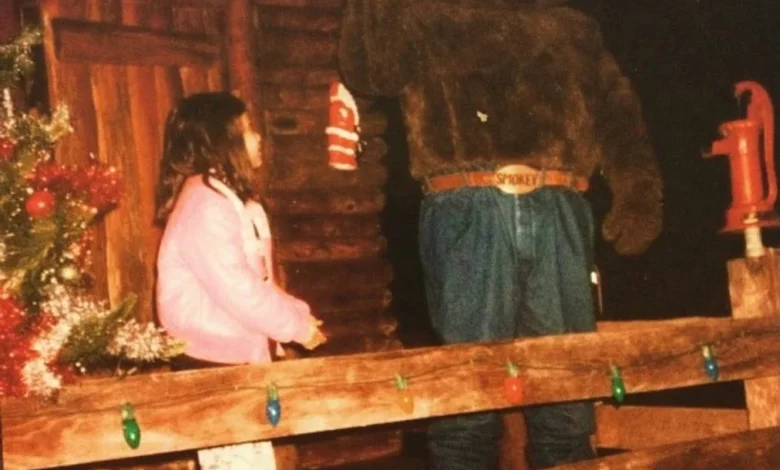
Furthermore, the "Bears" motif extends beyond the football field into the personal histories of the city’s residents. In regional lore, the term "Bears" often invokes the imagery of Smokey Bear, the national mascot for wildfire prevention. This connection is more than symbolic for many in the region; for instance, the Florida Forest Service (formerly the Florida Division of Forestry) and other state agencies have long used the Smokey Bear program to foster community engagement through parades and public appearances. The transition of "Bears" from a symbol of environmental protection to a symbol of athletic prowess represents a unique intersection of Americana and civic pride.
The Artist’s Pedigree and Influence
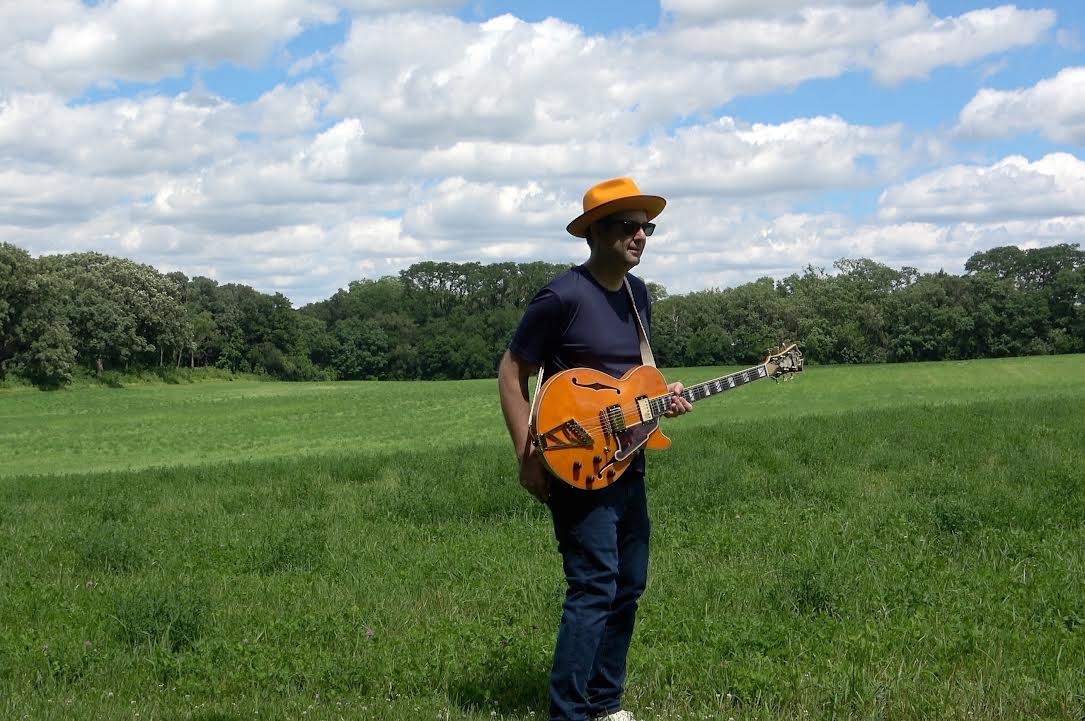
Brant Buckley’s approach to "We Love Da Bears" is informed by an extensive academic and professional background in music. A graduate of the Berklee College of Music with a degree in Songwriting, Buckley has spent the last decade immersing himself in the study of blues history. His expertise is documented in his "Chicago Blues Grave Tour Book," a comprehensive guide to the final resting places of the genre’s most influential figures buried within the Chicagoland area.
Buckley credits much of his musical philosophy to his mentor, Jesse Graves, a veteran blues player he met 13 years ago. "Everything I know about blues music originated from him," Buckley remarked, emphasizing the importance of lineage in the blues tradition. This sense of history is evident in the song’s structure, which eschews modern pop tropes in favor of a "chant-heavy, athematic tune" designed for collective participation.
Broader Impact and Future Outlook
The ultimate goal for "We Love Da Bears" is its integration into the ritualistic fabric of the Chicago Bears game-day experience. Buckley envisions the song being played during tailgates in the parking lots surrounding Soldier Field and eventually over the stadium’s public address system.
The timing of the release is significant, as the Chicago Bears organization undergoes a period of transition and rebuilding. With new talent on the roster and ongoing discussions regarding the future of Soldier Field versus a potential move to a new facility in Arlington Heights, the fanbase is in a state of flux. In such times, cultural anchors like music serve to maintain a sense of continuity.
"I have been searching for a song like this for over 20 years," Buckley stated. "I’m grateful my musical antenna was up, and I followed the signal." The sentiment reflects a broader desire among fans for a modern anthem that respects the past while looking toward the future.
As the NFL season approaches, the success of "We Love Da Bears" will likely be measured by its adoption by the "Bears faithful." Whether it becomes a staple of the Soldier Field atmosphere remains to be seen, but its creation stands as a testament to the enduring power of the Chicago blues and the unbreakable bond between a city and its team. Through the use of specific technical choices like 432Hz tuning and a dedication to the "backwards walking riff," Buckley has provided a new soundtrack for a legacy that spans over a century of Chicago history.