For Christopher Walters, the spirit of the landmark Pat Metheny Group lived on as his youthful Side-Eye project reprised classic PMG material.

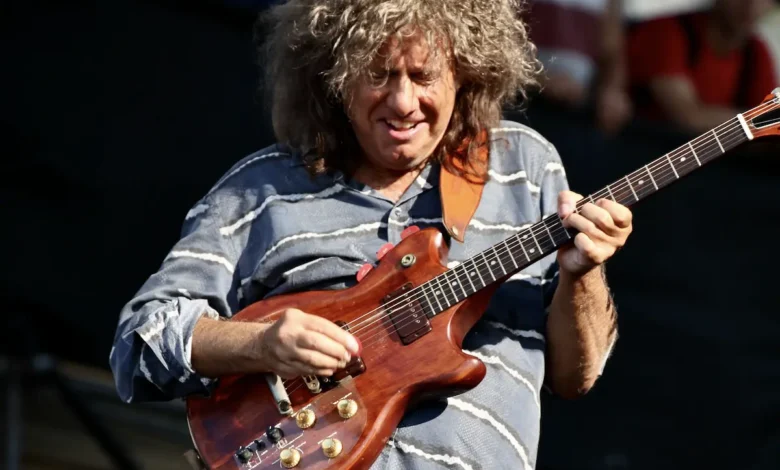
The Barbican Centre in London served as the backdrop for a significant moment in contemporary jazz history on July 18, 2026, as Pat Metheny launched the first of three highly anticipated sold-out performances. Marking a pivotal chapter in his five-decade career, the Missouri-born guitarist and composer introduced the latest evolution of his "Side-Eye" project. Originally conceived as a trio format to showcase emerging talent, the project has now expanded into a sophisticated quintet, designated as Side-Eye III+. This performance not only highlighted Metheny’s relentless pursuit of musical innovation but also acted as a bridge to the past, channeling the lush, cinematic textures of the legendary Pat Metheny Group (PMG) that dominated the jazz-fusion landscape from the late 1970s through the early 2000s.
The atmosphere at the Barbican, a cornerstone of the Summer Jazz Series, was described by attendees as electric, a testament to Metheny’s enduring status as one of the few instrumentalists capable of generating mainstream "buzz" while maintaining rigorous artistic integrity. The evening’s proceedings, which spanned two and a half hours and included four encores, provided a comprehensive survey of Metheny’s vast catalog, ranging from his early ECM records to the harmonically complex compositions of the modern era.
The Evolution of Side-Eye: From Trio to Quintet
The Side-Eye initiative was initially launched in 2019 as a platform for Metheny to collaborate with younger musicians who grew up listening to his music. Metheny has often stated that he finds inspiration in the way new generations interpret his rhythmic and melodic language. The transition from a trio to the Side-Eye III+ quintet represents a strategic shift toward a fuller, more orchestral sound, reminiscent of the mid-80s PMG era.
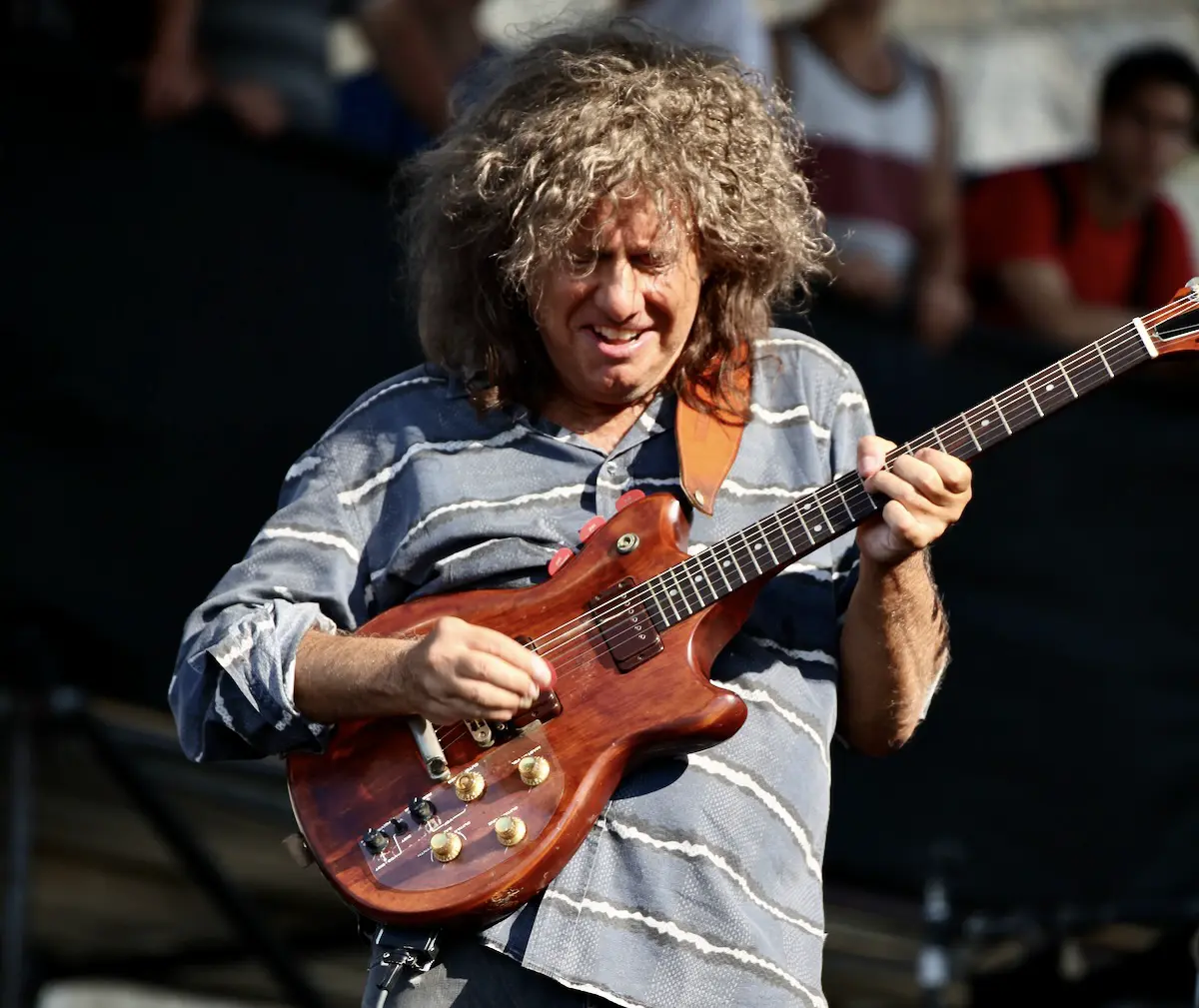
The current lineup features a blend of returning collaborators and new voices. Keyboardist Chris Fishman and drummer Joe Dyson, both veterans of the Side-Eye trio incarnation, provided the rhythmic and harmonic foundation. They were joined by two significant additions: bassist Jermaine Paul and percussionist/vocalist Leonard Patton. The inclusion of Patton, in particular, was a masterstroke in recreating the "PMG sound." His ability to provide wordless vocal melodies—a signature element originally popularized by members like Naná Vasconcelos and Pedro Aznar—allowed the ensemble to tackle complex arrangements that require a human, organic texture atop the electronic and acoustic instrumentation.
Jermaine Paul’s presence on bass provided a grounding force, moving seamlessly between the fluid, fretless styles associated with the late Jaco Pastorius and the steady, upright foundation required for Metheny’s more traditional jazz excursions. Chris Fishman’s role was equally vital, managing a massive rig of synthesizers and acoustic piano to recreate the expansive sonic landscapes originally pioneered by the late Lyle Mays.
A Chronology of the Performance
The concert commenced with a series of solo and duo pieces, a trademark Metheny opening that allows the audience to focus on the guitarist’s technical precision before the full weight of the band is unleashed. Utilizing his custom Ibanez hollow-body guitar, Metheny navigated intricate lines that blended folk-inflected melodies with bebop sophistication.
As the full quintet took the stage, the energy shifted toward the "Side-Eye III+" material. These newer compositions are characterized by a driving, modern pulse, heavily influenced by Joe Dyson’s New Orleans-rooted drumming. However, the emotional core of the evening resided in the "PMG classics." When the band launched into selections from landmark albums such as Offramp, First Circle, and Still Life (Talking), the connection between the youthful energy of the new band and the timelessness of the compositions became clear.
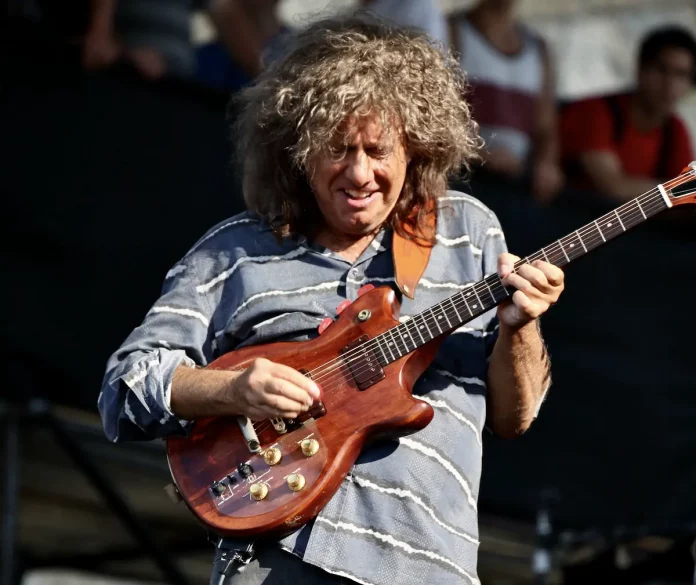
The middle section of the set showcased Metheny’s technological innovations. Fans were treated to the sight of the "Orchestrion" elements—solenoid-driven acoustic instruments—which Metheny integrated into the live performance. The highlight for many was the appearance of the 42-string Picasso guitar, a multi-necked instrument that Metheny uses to create haunting, harp-like layers.
The final hour of the main set was a tour de force of fusion, with the quintet operating at a level of synchronization that belied the complexity of the material. The four encores were not merely a formality but a necessary extension of the musical dialogue. The final encore, a solo acoustic medley, brought the evening to a reflective close, reminding the audience of the singular voice that has influenced generations of guitarists.
Supporting Data: The Metheny Legacy by the Numbers
To understand the significance of the Barbican residency, one must look at the statistical weight of Pat Metheny’s career. As of 2026, Metheny remains the only artist to have won Grammy Awards in ten different categories, totaling 20 wins. His career spans over 50 years, beginning with his debut album Bright Size Life in 1976, which featured a young Jaco Pastorius.
The Side-Eye project itself has become a significant data point in jazz education and mentorship. By cycling through different "generations" of musicians, Metheny has effectively created a finishing school for high-level jazz performance. Previous Side-Eye members, such as James Francies and Marcus Gilmore, have gone on to lead significant solo careers, suggesting that the Barbican performance was not just a concert, but a showcase of the future leaders of the genre.

Ticket sales for the London dates reflected this prestige. According to venue data, the three-night run at the Barbican sold out within hours of the general release, with a significant demographic shift noted in the audience. While long-time fans of the Pat Metheny Group were present in force, there was a measurable increase in younger listeners—a phenomenon credited to Metheny’s active presence on streaming platforms and his collaborations with modern jazz icons.
Institutional and Critical Response
While Metheny himself rarely grants mid-tour interviews, the impact of his return to London was felt throughout the UK jazz community. Representatives from the Barbican’s programming team noted that Metheny’s residency serves as a "tentpole event" for the Summer Jazz Series, providing the commercial momentum necessary to support more experimental acts within the festival.
Critics have been quick to praise the "quintet" format of Side-Eye III+. Early reviews suggest that while the trio format was an interesting exercise in minimalism, the quintet allows Metheny to fully realize the "symphonic" ambitions of his writing. The addition of Leonard Patton has been singled out as the "missing link" that connects Metheny’s current work to the peak popularity of the Pat Metheny Group.
One industry analyst noted, "Metheny isn’t just playing his hits; he is recontextualizing them. By placing 40-year-old compositions in the hands of 20-something musicians, he proves that the music of the Pat Metheny Group isn’t a relic of the 80s—it’s a living, breathing part of the jazz canon."
Broader Implications and Future Outlook
The success of the Barbican concert has broader implications for the jazz industry, particularly regarding the longevity of "fusion" as a viable touring genre. Metheny’s ability to draw large, diverse crowds suggests that there is a sustained appetite for high-complexity, high-production-value instrumental music.
Furthermore, the Side-Eye project serves as a model for "legacy" artists. Rather than relying on a static band of contemporaries, Metheny’s approach of constant renewal through youth ensures that the music remains vibrant and avoids the pitfalls of a "nostalgia act." This strategy also provides a vital pipeline for talent in the jazz world, giving younger players exposure to large-scale international touring and rigorous musical standards.
As Metheny continues his London residency and moves forward with the Side-Eye III+ tour, the focus remains on the intersection of tradition and innovation. The spirit of the Pat Metheny Group—defined by its melodic accessibility, rhythmic complexity, and emotional depth—clearly lives on. However, through the lens of Side-Eye, it is being viewed from a new perspective, ensuring that the legacy of one of jazz’s greatest innovators continues to evolve well into the 21st century.
For the audiences at the Barbican, the message was clear: Pat Metheny is not finished exploring. Whether through a solo acoustic guitar or a five-piece powerhouse ensemble, his quest for the "new" remains as fervent today as it was half a century ago. The three-night London residency stands as a landmark event, confirming that the "Side-Eye" is not just a project, but a testament to the enduring power of creative mentorship and musical evolution.