Alexander Zverev Faces Ben Shelton in a High-Stakes US Open Men’s Singles Final at Arthur Ashe Stadium

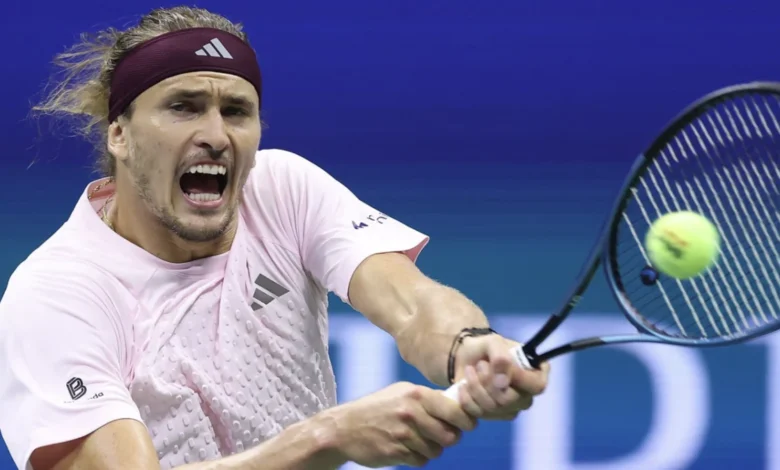
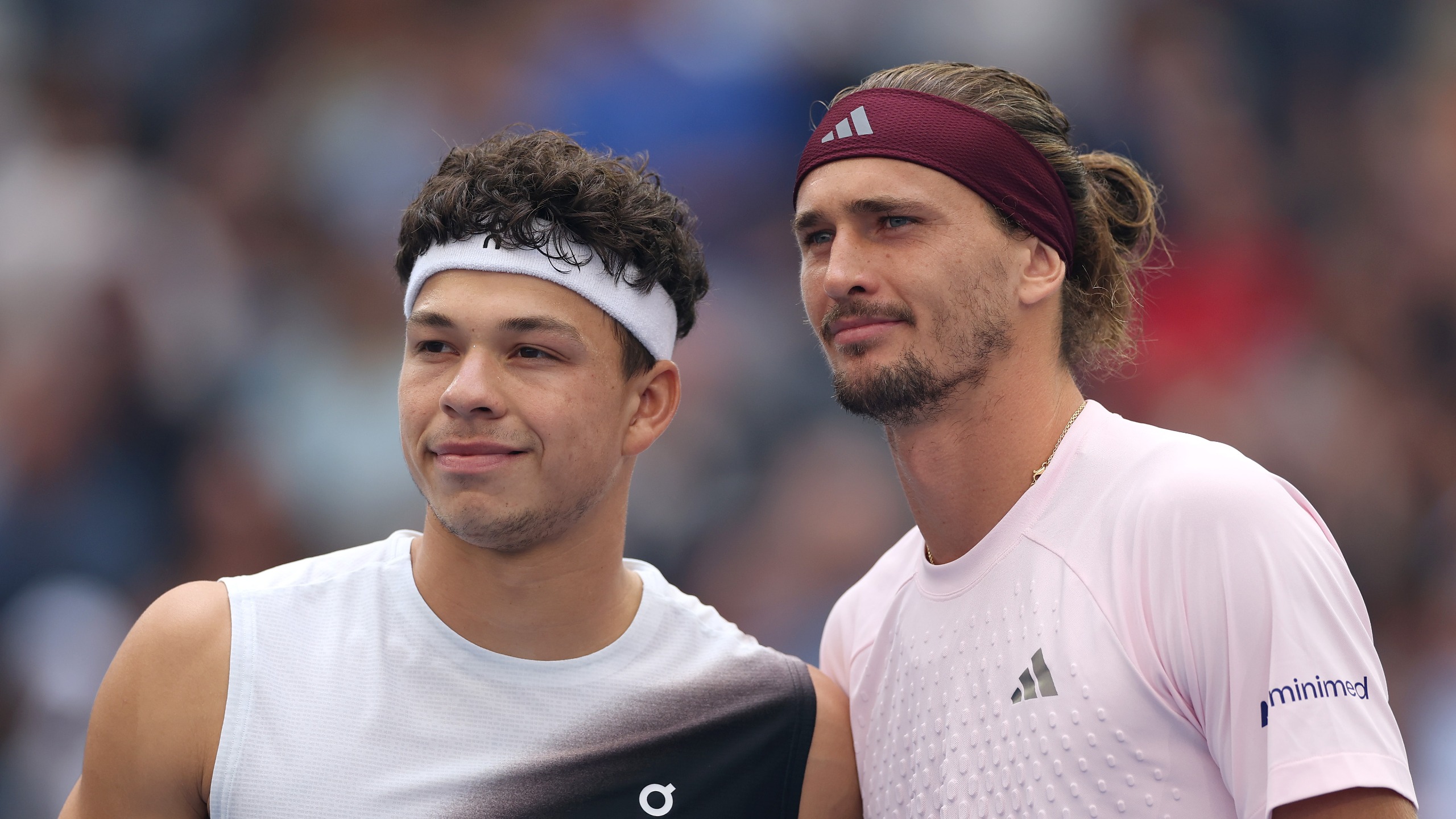
The 2026 US Open Men’s Singles final has reached its decisive conclusion at the Arthur Ashe Stadium in Flushing Meadows, New York, pitting the German world number one Alexander Zverev against the rising American challenger Ben Shelton. This championship match represents a significant inflection point in contemporary tennis, as the sport grapples with the transition of power away from the "Big Three" era toward a new generation of contenders.
The match, held on Sunday, September 13, 2026, has been characterized by high-intensity rallies, strategic service games, and a palpable atmosphere fueled by a capacity crowd of 23,000 spectators. For Zverev, the match serves as a potential second Grand Slam title of the calendar year, following his victory at the French Open, while for Shelton, it marks a career-defining moment on home soil, offering the first opportunity for an American male to hoist the US Open trophy since Andy Roddick in 2003.
The Trajectory of the 2026 Final
The contest began with the weight of expectation firmly on Zverev’s shoulders. The German entered the tournament as the top-seeded player, maintaining a consistent form that has seen him reach three consecutive Grand Slam finals this year. In contrast, Shelton, at 23, arrived at his first major final after a grueling tournament run, most notably a five-set semifinal victory against Carlos Alcaraz that tested his physical and mental fortitude.
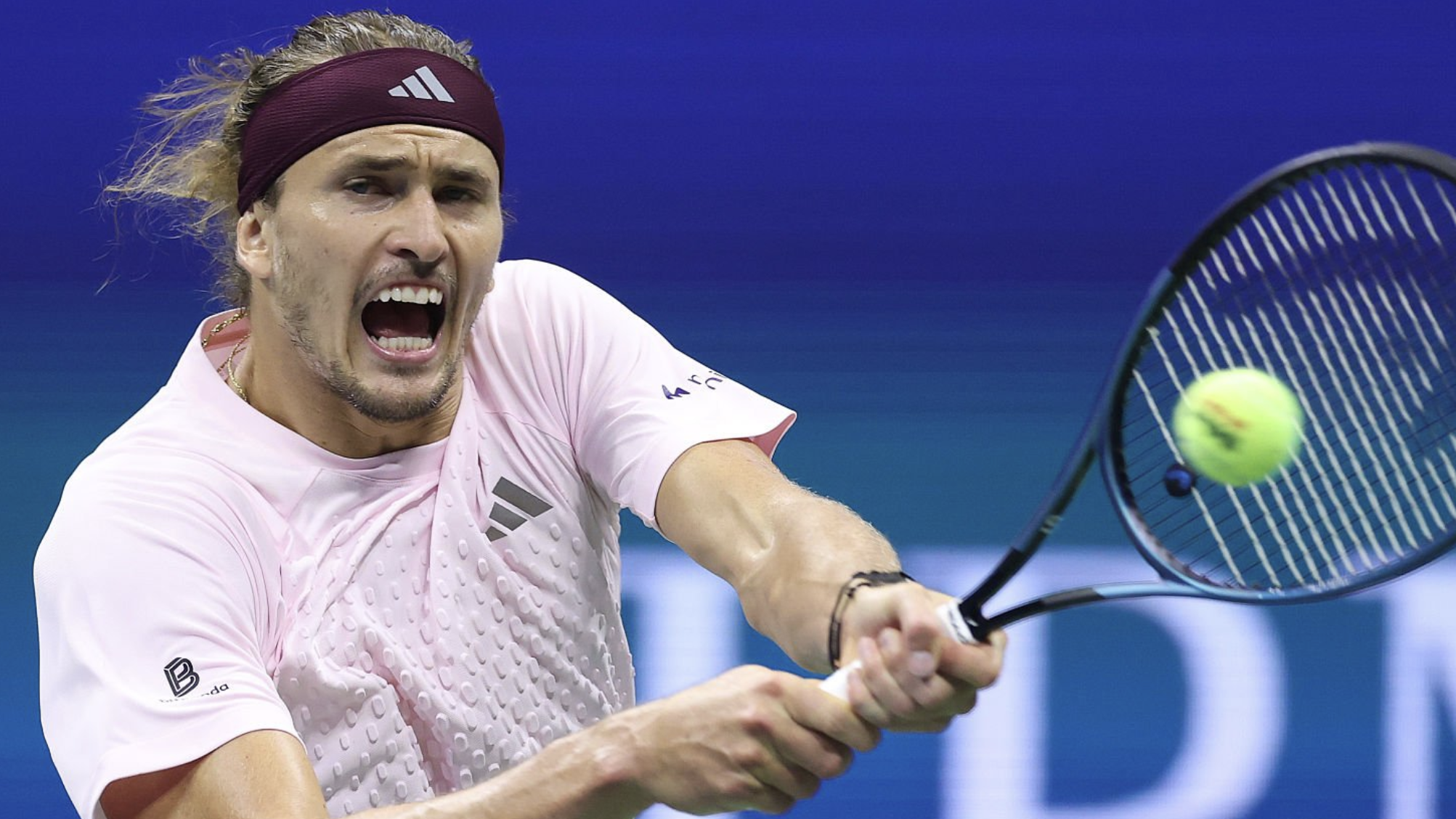
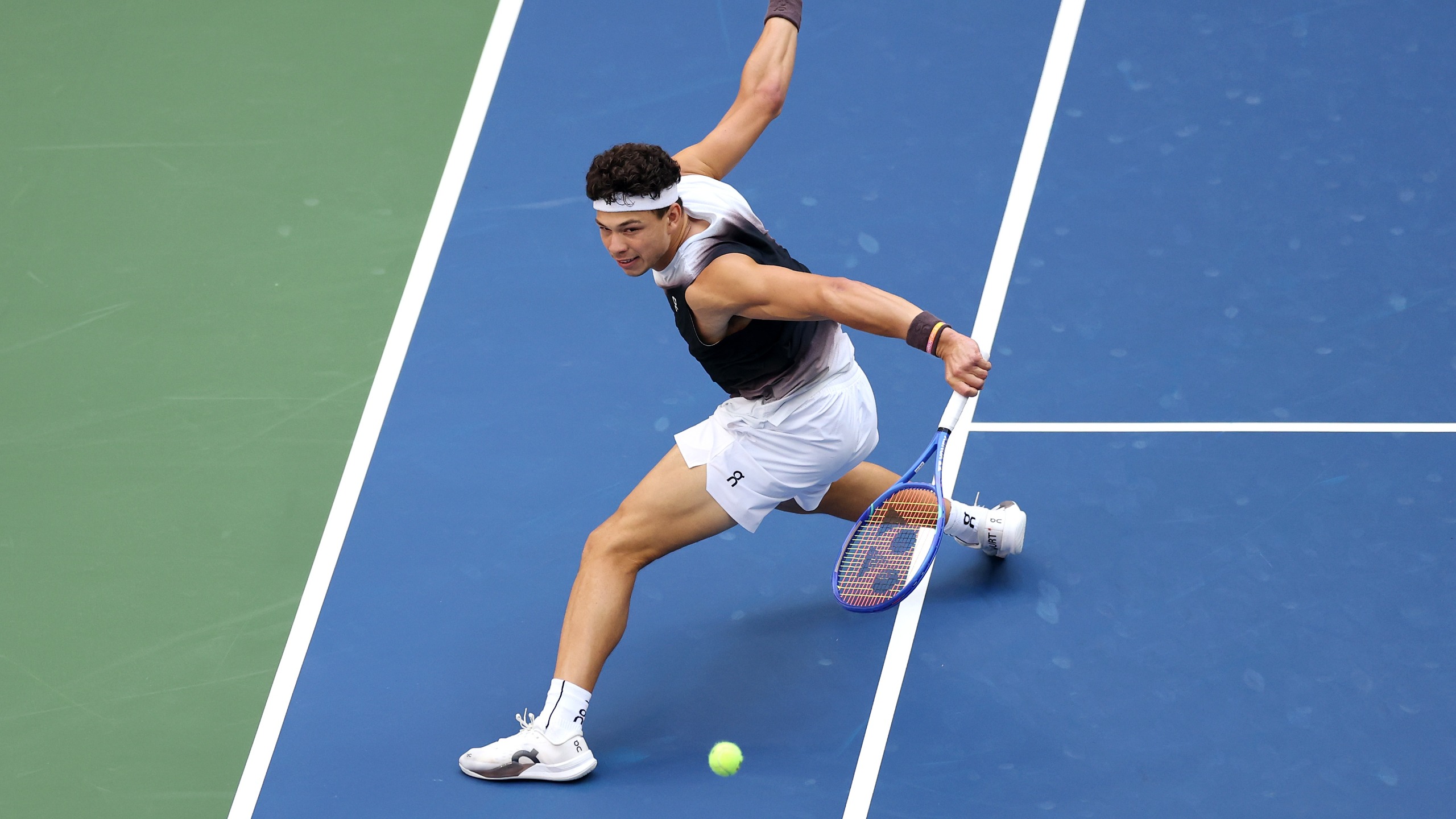
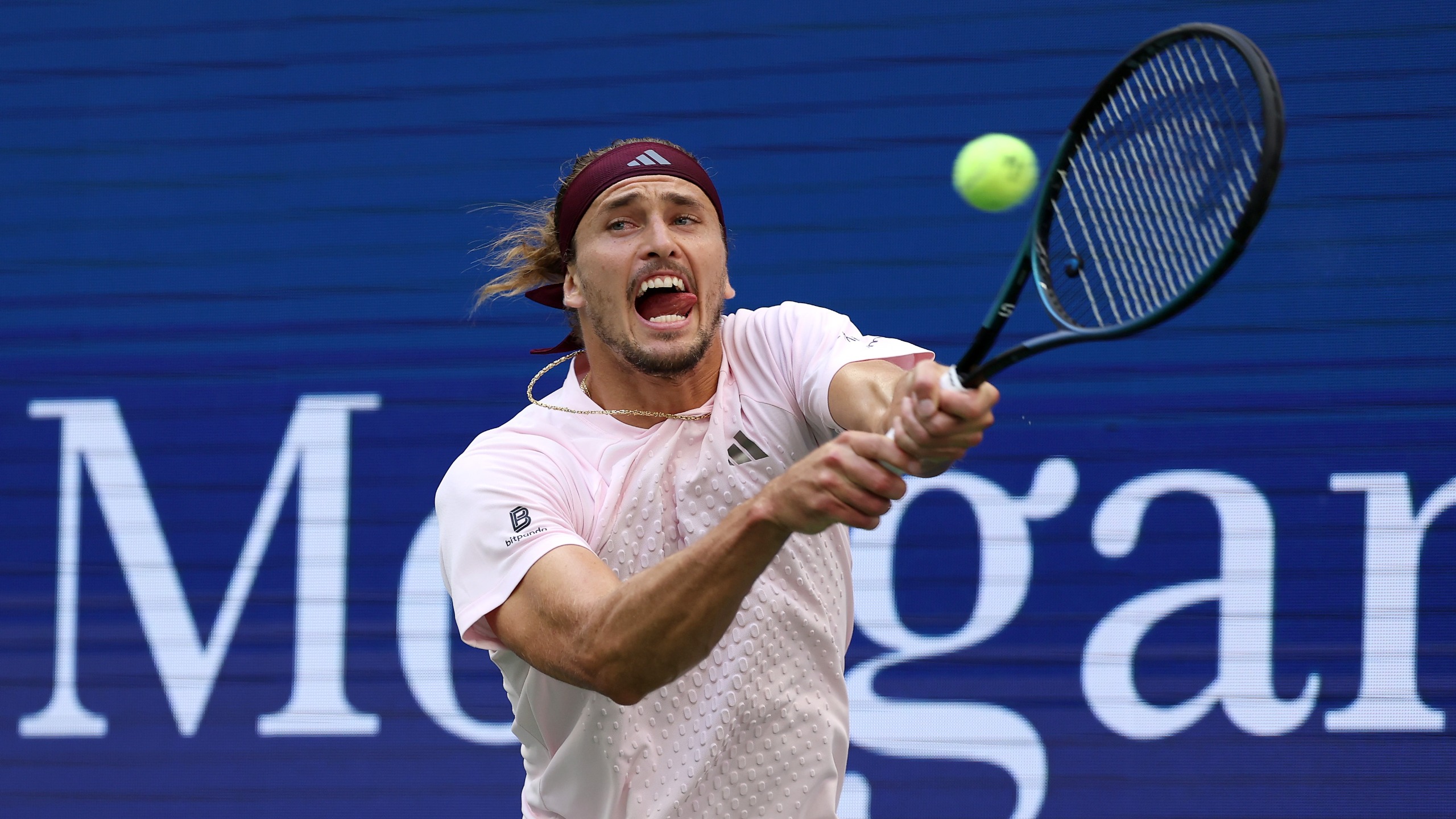
From the outset, the tactical battle focused on Zverev’s ability to control the baseline against Shelton’s explosive, serve-heavy game. The first set saw Zverev leverage his experience, securing an early break and maintaining it despite Shelton’s attempts to force a comeback. The set concluded with a double fault from the American, highlighting the immense pressure inherent in a maiden Grand Slam final appearance. Zverev’s composure under duress—a trait refined through his extensive professional tenure—proved the deciding factor in the opening frames.
As the match progressed into the second and third sets, the momentum shifted intermittently. Shelton, spurred by the raucous home support, managed to keep pace, forcing tiebreakers that showcased the depth of the current field. However, Zverev’s service efficiency, which included a tournament-high 147mph serve during a critical tiebreak, consistently neutralized the American’s offensive threats.
Tactical Analysis and Key Moments
The middle stages of the match provided a glimpse into the evolving nature of the rivalry. In the fourth set, Zverev encountered a rare moment of discord with tournament officials, receiving a time violation warning for his deliberate pre-service ritual—a sequence of 10 to 20 ball bounces. The incident, which drew vocal disapproval from the crowd, served as a flashpoint. Rather than losing his rhythm, Zverev channeled the tension into his game, breaking Shelton’s serve twice to establish a commanding 5-2 lead.
Shelton’s resilience remained a constant theme. His ability to rally from 30-0 down in several service games demonstrated a defensive capability that has matured significantly throughout the season. However, Zverev’s game-management, specifically his ability to extend rallies and force unforced errors from the younger player, proved statistically superior. The German’s proficiency in tiebreakers—a hallmark of his 2026 season—remained largely unbroken, effectively closing the door on Shelton’s comeback efforts.
The Decline of the Old Guard
The narrative surrounding this year’s US Open has been heavily influenced by the relative absence of the sport’s traditional titans. The 2026 season has seen a noticeable decline in the performance of Novak Djokovic, who exited the US Open in the first round. Djokovic, currently tied with Margaret Court on 24 major titles, continues to seek a record-breaking 25th Grand Slam, yet his recent form suggests a difficult path forward. Similarly, the absences or lack of late-tournament presence from Carlos Alcaraz and Jannik Sinner have left a vacuum in the rankings, which Zverev has expertly filled.
This shift has created a unique window for players like Zverev to establish a new era of dominance. By reaching three major finals in a single year, Zverev has effectively signaled that the "Big Three" dominance, which defined the previous two decades of tennis, is being replaced by a more fragmented and competitive landscape.
Historical Context and Statistical Significance
For Germany, the stakes of this final are historically significant. Should Zverev secure the victory, he will become the first German man since Boris Becker to hold more than one Grand Slam title in a single year. This achievement would elevate his status in German sporting history and solidify his standing as the current standard-bearer for European tennis.
For the American contingent, the tournament has been a long-awaited revival. The "Golden Age" of American tennis—led by figures such as Pete Sampras, Andre Agassi, and Andy Roddick—concluded in the mid-2000s, followed by a protracted period of drought at the major level. The success of Taylor Fritz, Frances Tiafoe, and now Ben Shelton, all of whom reside within the top 15 world rankings, points to a structural shift in American player development. Shelton’s presence in the final is viewed by tennis analysts as a barometer for the success of these updated developmental programs.
Official Responses and Crowd Dynamics
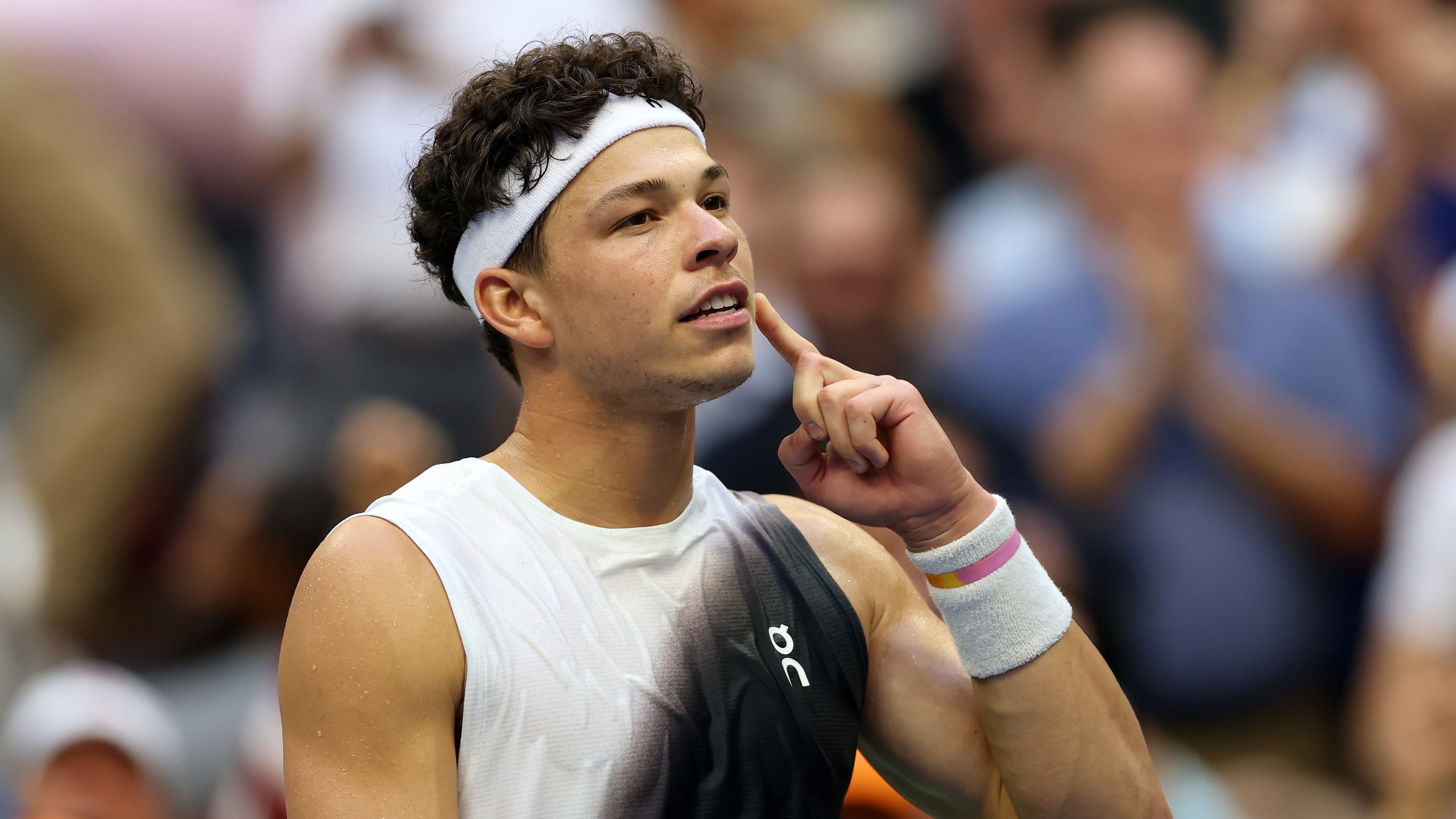
The atmosphere at Arthur Ashe Stadium has been described by tournament officials as one of the most intense in recent memory. The crowd’s vocal support for Shelton provided a constant backdrop, with the American frequently gesturing for more volume during critical service games. While this energy is intended to buoy the local player, it has also created a high-pressure environment that tests the temperament of both athletes.
Tournament officials noted that despite the high tension, the conduct of both players has remained professional. Zverev’s post-match comments throughout the tournament have emphasized his focus on process rather than the external environment, a strategy that has served him well in neutralizing the "home court" advantage typically enjoyed by American players.
Broader Implications for the ATP Tour
The outcome of this final carries implications for the remainder of the 2026 ATP season. A victory for Zverev cements his position as the world number one and sets the stage for a potential year-end number-one ranking. It also provides a blueprint for how a veteran player can successfully navigate the physical and psychological challenges of the modern game, which is increasingly defined by high-velocity serves and short-duration points.
Conversely, for Ben Shelton, the experience of reaching the final is a foundational milestone. Even in defeat, the tactical lessons learned against a player of Zverev’s caliber are expected to accelerate his development. His ability to compete at this level confirms that he is no longer merely a "rising star" but a legitimate contender for major titles in the coming years.
As the final games played out on the hard court in Queens, the focus returned to the fundamentals of the sport: the serve, the return, and the mental fortitude required to execute under the glare of the world’s most prestigious tennis stage. Regardless of the final scoreline, the 2026 US Open will be remembered as the tournament that officially closed the book on the old era and opened a new, highly competitive chapter in professional tennis. The match concludes a two-week period that has been defined by parity, athleticism, and the emergence of new leaders in a sport that remains the pinnacle of individual competition.