Wack 100 Praises Drake For Quietly Funding Legal Defenses And Supporting Fellow Rappers In Crisis

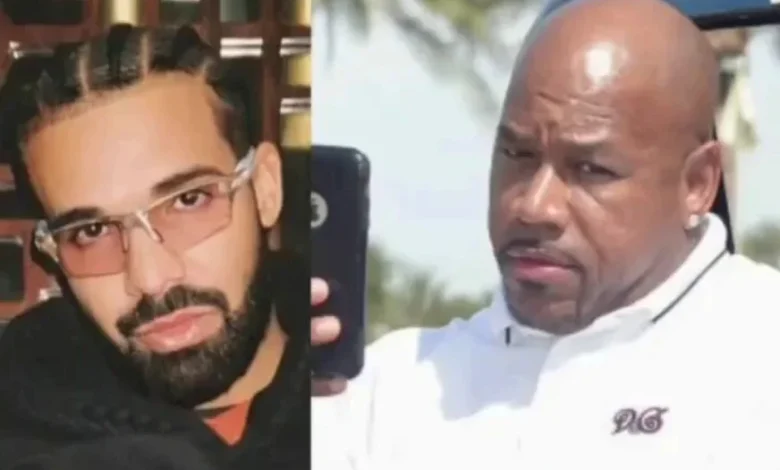
Music industry veteran Wack 100 has drawn fresh attention to a side of Drake’s career that rarely commands the headlines, highlighting the Toronto superstar’s consistent financial backing of fellow artists facing severe legal jeopardy. While public discourse surrounding Drake is frequently dominated by chart records, high-profile rivalries, and label disputes, Wack 100 argues that the rapper’s willingness to put substantial capital behind peers fighting for their freedom is a critical element of his impact on the hip-hop community.
The conversation regarding Drake’s philanthropic and legal support network has intensified following widespread reports detailing his involvement in funding major criminal defense cases. Industry commentators and peers alike have pointed to instances where the Grammy Award-winning artist has stepped in with significant monetary contributions when the stakes for fellow musicians reached life-altering levels.
The Lil Durk Legal Defense and Attorney Fees
The discussion surrounding Drake’s financial intervention gained significant momentum following reports regarding Chicago rapper Lil Durk. In August, media personality DJ Akademiks reported that Drake had agreed to cover the remaining balance owed to prominent defense attorney Brian Steel for Durk’s high-profile federal murder-for-hire case in Los Angeles.
According to Akademiks, Drake stepped forward to ensure that financial constraints would not compromise Durk’s legal representation, agreeing to cover whatever expenses were necessary regardless of how high the total legal tab climbed. Estimates for such high-stakes federal trials frequently range between $1 million and $2 million, placing a heavy financial burden on defendants navigating the federal justice system.
Reports surrounding Durk’s legal defense painted a picture of a collaborative effort among hip-hop’s elite. Alongside Drake’s reported contributions, Ye (formerly Kanye West) allegedly contributed $250,000 toward the legal expenses and made public appearances related to the trial’s support network. Additional artists, including 21 Savage, Lil Baby, Rod Wave, and Swizz Beatz, were also cited in reports as having provided various forms of financial assistance. To date, however, official confirmation regarding these precise financial arrangements has not been released publicly by Drake, Lil Durk, or members of Durk’s formal defense team.
Historical Precedents: Supporting Young Thug Through the YSL Trial
The recent disclosures regarding Lil Durk echo previous instances where Drake utilized his considerable financial resources to aid peers caught in protracted legal battles. Most notably, Drake’s involvement in supporting Young Thug during the exhaustive Young Slime Life (YSL) racketeering trial underscored a pattern of behind-the-scenes assistance.
During the height of the YSL trial, Drake took to social media to publicly address his financial contributions to Young Thug’s defense, writing, “I ain’t talking to talk man I really put up bread on the briefcase 3 Jeff,” directly referencing Young Thug’s legal struggle and his given name, Jeffrey Williams.
The solidarity extended beyond the courtroom proceedings. Following Young Thug’s release from custody in late 2024, Drake reportedly flew out to meet him within hours of his liberation, presenting him with a $1 million financial boost to help him re-establish his footing. Young Thug later confirmed the generous gesture during an interview in 2025, cementing public understanding of the depth of their professional and personal alliance.
Wack 100’s Perspective on Industry Solidarity
Weighing in on these developments during a broadcast, Wack 100 emphasized that Drake’s actions distinguish him from many of his contemporaries in the entertainment industry. Pointing out the rarity of such substantial, tangible support, Wack remarked, “All this shit you see Drake doing… You don’t see the other people do it.”
In Wack 100’s analysis, these behind-the-scenes contributions reflect a deeper commitment to the culture that transcends commercial competition and media posturing. While internet commentary often focuses on Drake’s corporate moves, public disputes, or legal actions involving his own recording labels, Wack maintains that the rapper’s willingness to quietly expend personal wealth to preserve the liberty of his peers deserves equal, if not greater, cultural recognition.
Broader Implications for Hip-Hop and Artist Advocacy
The intersection of hip-hop culture and the American legal system has long been a fraught landscape, with prosecutors increasingly utilizing artistic output, lyrics, and social media personas as evidence in criminal proceedings. As federal and state scrutiny of prominent rap artists intensifies, the cost of mounting an aggressive, effective legal defense has skyrocketed.
In this high-stakes environment, the role of financial benefactors within the industry has evolved. Historically, record labels played a more active role in advancing legal fees, but modern independent routes and complex recording contracts often leave artists vulnerable to catastrophic legal expenses. Independent artists and even major-label stars facing RICO charges or federal indictments frequently find themselves overwhelmed by the astronomical costs associated with retaining elite defense attorneys, private investigators, and expert witnesses.
Drake’s reported pattern of financial intervention highlights a modern model of artist-to-artist mutual aid. By stepping in to absorb costs that can easily bankrupt even successful musicians, artists with substantial financial capital are effectively functioning as a safety net for a genre facing unprecedented legal pressures.
While critics frequently debate the motivations behind such high-profile philanthropy, the practical impact on individual defendants remains profound. Securing counsel of the caliber of Brian Steel or assembling a comprehensive defense team can fundamentally alter the trajectory of a complex criminal trial. As Wack 100 noted, regardless of public perception or industry politics, the tangible reality of these financial lifelines provides concrete support when artists face the ultimate test of their freedom.