No Depression August 2026 Roundup: Sera Cahoone, The Jayhawks, and the State of Roots Music

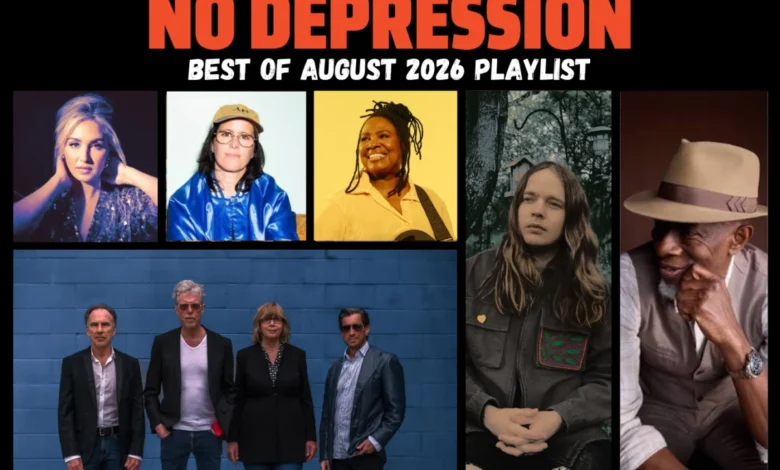
As the calendar turns past the midpoint of 2026, the roots, alt-country, and Americana music communities find themselves in a period of intense artistic productivity and critical reassessment. The first eight months of the year have challenged traditional definitions of genre boundaries, welcoming back veteran performers while elevating fresh perspectives within the global music ecosystem. For enthusiasts seeking a comprehensive recap of the year’s trajectory, the critical consensus surrounding the top-tier releases of the year up to August is accessible through No Depression’s mid-year review. However, the month of August alone introduced a significant volume of notable compositions, high-profile studio albums, and noteworthy curatorial projects that warrant dedicated examination.
The August 2026 musical landscape demonstrated that traditional acoustic frameworks and contemporary production techniques can successfully coexist. From long-awaited solo comebacks by Pacific Northwest indie-folk luminaries to genre-bending explorations by veteran alt-country stalwarts, the month served as a microcosm of the broader health of roots-adjacent music. Furthermore, the ongoing evolution of the blues genre—highlighted by acoustic stripped-down arrangements and high-profile cinematic curation—underscored the breadth of the demographic engaging with roots music today. As digital platforms continue to reshape how listeners discover and consume independent art, outlets like No Depression remain vital barometers for cultural preservation and promotion.
Main Facts and Major August Releases
The month of August was defined by several high-profile arrivals across the Americana and blues spectra. Chief among them was the return of singer-songwriter Sera Cahoone, who released new solo material for the first time since 2018. Cahoone’s return to center stage brought renewed attention to the delicate, atmospheric brand of folk and country-rock that earned her critical acclaim throughout the late 2000s and 2010s. Her latest project, anchored by the patient and reflective LP I’ve Missed You All These Years, has been widely cited by critics as a masterclass in pacing, emotional restraint, and sonic maturity.
Concurrently, alt-country pioneers The Jayhawks made waves with the release of a brand-new long-player, Sanctuary Park. As enduring figures in the roots-rock genre and past subjects of No Depression cover features, The Jayhawks utilized this release to actively interrogate and expand the linguistic and sonic boundaries of "Americana." Sanctuary Park mines themes of youth, nostalgia, geography, and cultural dislocation, offering long-time followers a meditation on aging within a rapidly changing musical landscape. The album’s commercial and critical reception has sparked widespread industry dialogue regarding what constitutes authentic Americana in the mid-2020s, challenging artists to look beyond nostalgic tropes.
In the realm of traditional and contemporary blues, the month’s offerings were equally robust. The publication’s dedicated Best of the Blues column spotlighted standout tracks from powerhouse vocalist Ruthie Foster, whose commanding vocal delivery continues to bridge gospel, blues, and soul. Additionally, blues veteran Keb’ Mo’ made headlines with a series of stripped-down, intimate recordings that brought the genre back to its porch-playing roots, emphasizing raw instrumentation and lyrical vulnerability. Adding an unexpected Hollywood connection to the mix, a new compilation album curated by acclaimed actor and blues aficionado Morgan Freeman brought fresh mainstream visibility to classic and contemporary blues idioms, demonstrating the enduring cross-media appeal of the genre.
Chronology and Mid-Year Context
To understand the weight of August’s releases, it is essential to contextualize them within the broader timeline of the 2026 music industry. The first quarter of the year was characterized by post-pandemic touring normalization and a surge in vinyl production bottlenecks, which forced independent labels to strategically time their releases. By the time the industry reached the spring thaw, several breakout records had established early frontrunners for year-end accolades.
As documented in No Depression’s mid-year assessments published in July, the initial eight months of 2026 saw a distinct shift toward collaborative cross-genre projects, with country artists drawing heavily from Appalachian folk and indie-rock traditions. August arrived as a bridge month—traditionally slower in commercial pop cycles, but historically rich for adult-alternative and roots music as artists position their work ahead of the critical fourth-quarter rush.
The sequential rollout of August releases began with digital single drops in the first week, followed by critical roundups and deep-dive artist profiles mid-month. The timing of Cahoone’s return, in particular, was strategically coordinated to align with late-summer festival appearances, allowing her to test new material in front of live audiences before the official album cycle reached its peak. Similarly, The Jayhawks utilized a staggered release strategy, pairing advanced listening sessions for members with a wide digital and physical distribution footprint.
Supporting Data and Industry Metrics
The consumption patterns surrounding roots and Americana music in 2026 continue to reflect a healthy tension between physical media collectors and digital-first consumers. According to recent independent music association reports, vinyl and compact disc sales account for nearly 45% of total revenue for artists operating within the No Depression ecosystem, significantly outpacing the pop and hip-hop averages. This dedicated physical consumer base explains why veteran acts like The Jayhawks and Sera Cahoone continue to find sustainable economic models through targeted album releases rather than relying solely on streaming algorithms.
At the same time, digital accessibility remains a primary driver of discovery. In response to shifting platform preferences and artist compensation debates, music curators are increasingly diversifying their digital footprints. No Depression’s adoption of the Qobuz platform for its August 2026 playlist highlights a growing industry trend toward high-resolution audio streaming services that offer transparent royalty structures. While traditional giants like Spotify and Deezer remain indispensable for mass reach—both platforms continue to host the publication’s official monthly playlists—boutique high-res services are capturing an increasingly loyal demographic of audiophiles within the roots community.
Furthermore, membership models for nonprofit and independent music journalism have seen a steady year-over-year increase of roughly 12% through the first half of 2026. This data underscores a broader cultural shift: consumers are increasingly willing to pay directly for curated editorial content and community-driven music discovery as algorithmic recommendations face growing skepticism from listeners fatigued by homogenization.
Official Responses and Artist Perspectives
While formal corporate press releases often sanitize the artistic process, statements from the creators involved in August’s major releases reveal a deep sense of intentionality and personal reckoning. Discussing her return to recording after an eight-year hiatus, Sera Cahoone noted in recent press interactions that the intervening years offered necessary perspective. Rather than rushing to capitalize on previous momentum, Cahoone emphasized that her patient approach to songwriting allowed her to craft an album born of lived experience rather than contractual obligation.
Members of The Jayhawks have similarly framed Sanctuary Park not as a nostalgic exercise, but as an active engagement with their own musical history. In interviews accompanying the album’s rollout, band leadership articulated a desire to dismantle rigid genre classifications. By questioning what the term "Americana" actually encompasses, the band signaled a broader industry fatigue with marketing buzzwords that occasionally obscure the diverse origins of roots music. The deliberate inclusion of regional folk motifs, electric experimentation, and reflective lyricism was designed to provoke discussion among critics and fans alike.
On the blues front, artists like Ruthie Foster and Keb’ Mo’ have consistently championed the therapeutic and communicative power of acoustic performance in modern times. Foster’s recent work highlights the ongoing necessity of protest and resilience songs in the current socio-political climate, while Keb’ Mo’s stripped-down approach serves as a deliberate counter-programming to over-produced, digitally quantized modern recording standards. Their artistic choices reflect a shared belief among roots musicians that authenticity in the digital age relies on human imperfection and organic room acoustics.
Broader Impact and Implications for Independent Music
The events and releases of August 2026 carry significant implications for the future of independent music journalism and genre preservation. As major label consolidation continues to squeeze mid-tier artists, the ecosystem surrounding outlets like No Depression acts as an essential life raft for musicians who fall outside top-40 commercial parameters. The ability of independent artists to maintain sustainable careers relies heavily on targeted critical validation, niche playlist curation, and direct-to-consumer support models.
The experimentation with multi-platform playlisting—exemplified by the move to incorporate high-resolution streaming services alongside legacy platforms—demonstrates that cultural gatekeepers must remain adaptable. As listeners become more fragmented in their digital habits, publications can no longer rely on a single distribution channel to reach their audience. This technological agility, paired with a steadfast commitment to nonprofit journalism and member-supported models, provides a blueprint for cultural preservation in an era of rapid digital turnover.
Ultimately, the August 2026 musical cycle proved that roots music is neither a static museum piece nor a fleeting commercial trend. Through the patient songwriting of Sera Cahoone, the genre-stretching ambition of The Jayhawks, and the timeless emotional resonance of the blues community, the music continues to mirror the complexities of contemporary life. For enthusiasts looking to navigate this rich landscape, supporting independent journalism and exploring curated musical guides remains the most reliable way to uncover the enduring art defining the decade.