Flying Lotus Returns With Upbeat House Single Ingo Swann Continuing His Evolution Across Electronic and Experimental Soundscapes

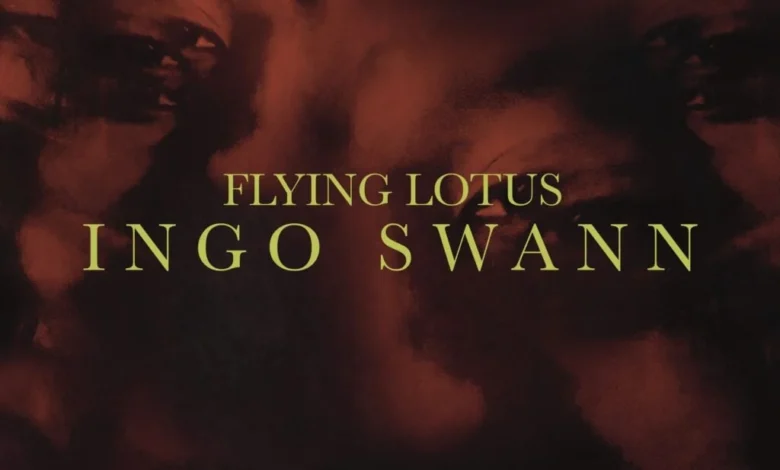
Electronic music innovator and producer Flying Lotus has officially released his latest single, an upbeat and shimmering house track titled "Ingo Swann." Available now across major streaming platforms, the release marks a distinct departure from the artist’s conventional catalog, introducing a vibrant, dance-floor-oriented aesthetic that showcases his continuous sonic evolution.
The single takes its name from the famed psychic, artist, and purported remote viewer Ingo Swann, a prominent figure in parapsychological research during the latter half of the twentieth century. By channeling this esoteric inspiration into a dynamic, rhythm-driven production, Flying Lotus—born Steven Ellison—demonstrates his ability to bridge disparate conceptual themes with contemporary electronic music production.
The Main Facts Surrounding the Release
"Ingo Swann" arrives as a standalone single, though it carries substantial weight within the artist’s recent discography. Known primarily for his intricate, jazz-infused hip-hop beats, IDM soundscapes, and avant-garde explorations, Ellison’s pivot toward an upbeat, shimmering house framework has caught many longtime listeners by surprise. The track is characterized by its infectious tempo, bright synthesizer melodies, and meticulous sound design, elements that highlight his versatility as a producer rather than adhering to a single genre template.
Accompanying the single’s rollout is striking promotional imagery captured by acclaimed photographer Tim Saccenti for Setta Studio. The visual campaign mirrors the surreal, otherworldly nature of the track’s namesake, establishing a cohesive artistic direction for this current phase of Ellison’s career. With a streamlined tracklisting featuring solely the title track, "Ingo Swann" is designed to make an immediate impact in club settings as well as through dedicated headphone listening.
Chronology of Recent Releases

To understand the context of "Ingo Swann," one must examine Flying Lotus’s release schedule over the past several years. Following a prolific period that solidified his status as a cornerstone of the modern Los Angeles beat scene and a Grammy-nominated producer, Ellison delivered The Room in 2022. That project further cemented his penchant for cinematic textures and atmospheric world-building.
Following The Room, Ellison entered a relatively quiet period regarding primary artist releases, focusing instead on his extensive scoring work for film and television, as well as curation through his Brainfeeder imprint. However, the hiatus broke in August with the release of "Garmonbozia," a syrupy, nostalgic cut heavily redolent of 1980s synth-pop and dark-ambient aesthetics.
While "Garmonbozia" offered a slow-burning, Lynchian descent into retro soundscapes, "Ingo Swann" serves as its energetic antithesis. Together, these two singles—released consecutively in the latter half of the year—represent the first official standalone music from Flying Lotus since 2022. This sequential rollout suggests a deliberate strategy by the artist to test contrasting sonic boundaries, alternating between moody retrospective pastiche and forward-driving electronic rhythm.
Supporting Data and Artistic Context
The trajectory of Flying Lotus’s career is defined by constant reinvention. Emerging in the mid-2000s, Ellison became synonymous with the "beat scene centered around Los Angeles’s legendary Low End Theory club night. Over subsequent full-length albums such as Los Angeles, Cosmogramma, You’re Dead!, and Flamagra, he steadily incorporated elements of free jazz, funk, IDM, and orchestral arrangements into his electronic framework.
Collaborating with high-profile artists ranging from Kendrick Lamar and Thundercat to Anderson .Paak and the late Mac Miller, Ellison has consistently pushed the envelope of popular music production. His foray into house music with "Ingo Swann," while unexpected, is not entirely unprecedented; electronic music producers frequently explore four-on-the-floor rhythms as a means of challenging themselves structurally and rhythmically. House music requires a distinct approach to tension, release, and groove compared to the broken-beat and polychromatic polyrhythms that typically populate a Flying Lotus record.
Furthermore, the choice of subject matter—Ingo Swann—reflects Ellison’s long-standing fascination with the occult, science fiction, and metaphysical phenomena. Swann was famously co-creator of the coordinate remote viewing methodology evaluated by the Stanford Research Institute during the Cold War. By naming a high-energy house track after a figure associated with altered states of perception and consciousness research, Ellison playfully subverts expectations, marrying cerebral conceptual art with physical, kinetic dance music.

Industry Responses and Fan Reactions
Since the release of "Ingo Swann," music critics and fans alike have taken to online forums, social media platforms, and specialist music publications to dissect the track. Initial reactions have been largely positive, praising Ellison for his willingness to step outside his comfort zone. While some purists of the classic "Brainfeeder sound" have expressed mild surprise at the straightforward nature of the house arrangement, the overwhelming consensus acknowledges the track’s high production value and infectious energy.
Industry analysts note that surprise single drops, unaccompanied by immediate album announcements, have become an increasingly popular strategy for veteran artists seeking to maintain engagement without the rigid promotional constraints of a traditional LP cycle. By spacing out releases like "Garmonbozia" and "Ingo Swann," Flying Lotus keeps his audience guessing about his next formal body of work while continually feeding the streaming ecosystem with fresh, high-concept material.
Broader Impact and Future Implications
The release of "Ingo Swann" carries broader implications for the current landscape of independent electronic music. As legacy producers who helped define the sound of the 2010s continue to navigate an ever-shifting streaming economy, versatility and cross-genre experimentation have become vital tools for longevity. For Flying Lotus, exploring house music opens potential new avenues for live performance, particularly within electronic music festival circuits where dynamic, high-tempo sets command significant attention.
Moreover, the stylistic divergence between "Garmonbozia" and "Ingo Swann" indicates that Ellison is refusing to be pigeonholed into a singular aesthetic category. Whether these singles are building blocks toward a forthcoming full-length album, an EP, or simply standalone exercises in electronic composition remains to be seen. What is clear, however, is that Flying Lotus remains one of contemporary music’s most unpredictable and vital sonic architects.
As "Ingo Swann" continues to find its audience across digital service providers, listeners are invited to re-examine the boundaries of what constitutes a "Flying Lotus track." By wedding deep-seated thematic curiosities with the propulsive heartbeat of modern house music, Steven Ellison continues to expand his artistic footprint, proving that after nearly two decades at the forefront of experimental electronic music, his creative well remains far from dry.