The market for professional audio recording equipment has experienced a significant shift in recent years, driven by an increasing demand for hand-crafted boutique microphones. While mass-produced transducers continue to dominate the entry-level and mid-tier markets due to their affordability, discerning engineers, producers, and artists are increasingly turning to boutique manufacturers. These specialized companies prioritize uncompromising audio specifications, hand-selected electronic components, and meticulous assembly processes that are simply not feasible on large-scale automated production lines. Investing in a boutique microphone typically requires a substantial financial commitment, but the resulting sonic performance—characterized by unique acoustic profiles, exceptional transient response, and vintage-inspired warmth—frequently surpasses the capabilities of budget-restricted designs.
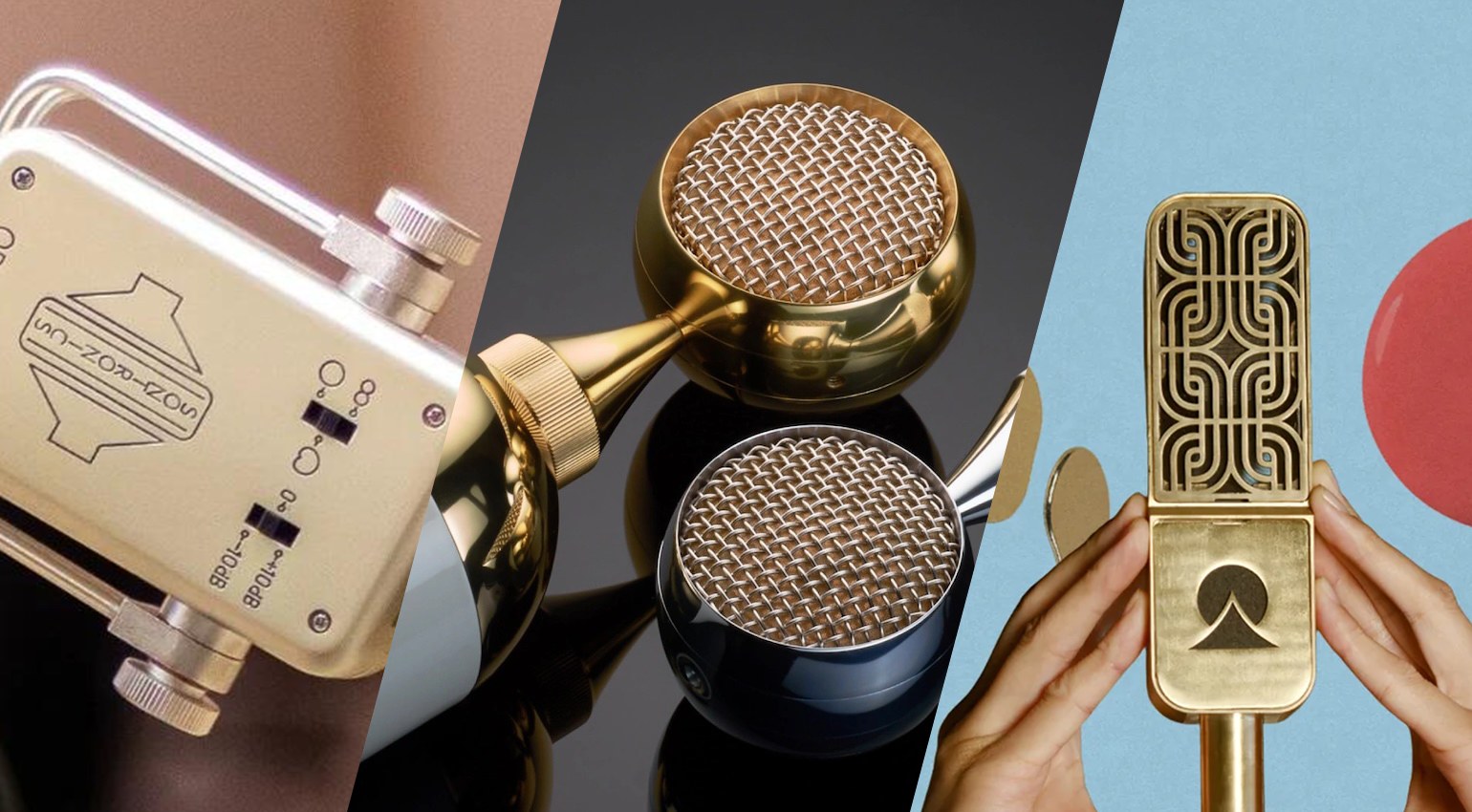
The Evolution and Engineering Philosophy of Boutique Transducers
To understand the appeal of boutique microphones, one must examine the manufacturing philosophy that underpins them. Mass-produced microphones are inherently constrained by strict profit margins, standardized circuit boards, and automated capsule manufacturing. Conversely, boutique builders often spend days or even weeks assembling a single unit. This dedication allows for the fine-tuning of tube circuits, the custom tensioning of delicate ribbon elements, and the manual testing of capsules to ensure absolute phase coherence and frequency linearity.
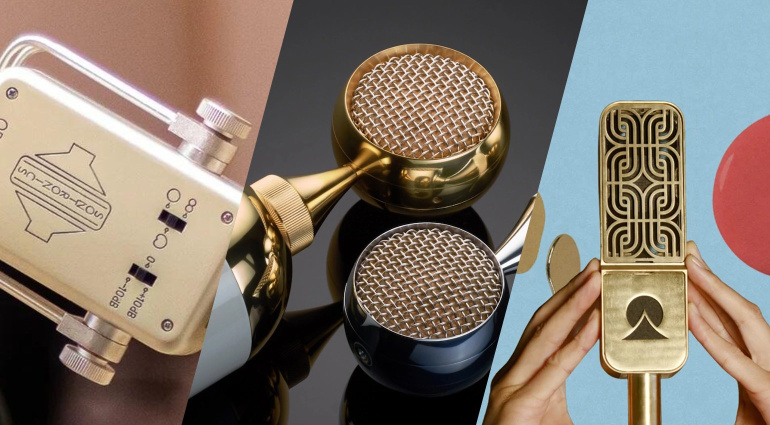
Furthermore, many boutique brands are founded by industry veterans who spent decades repairing, modifying, or studying legendary vintage microphones from Neumann, AKG, and RCA. By combining time-tested analog topologies with modern manufacturing precision, these independent workshops create contemporary workhorses that honor the golden age of recording while offering improved signal-to-noise ratios and modern reliability.
Sontronics: British Craftsmanship and Smooth High-Frequency Response
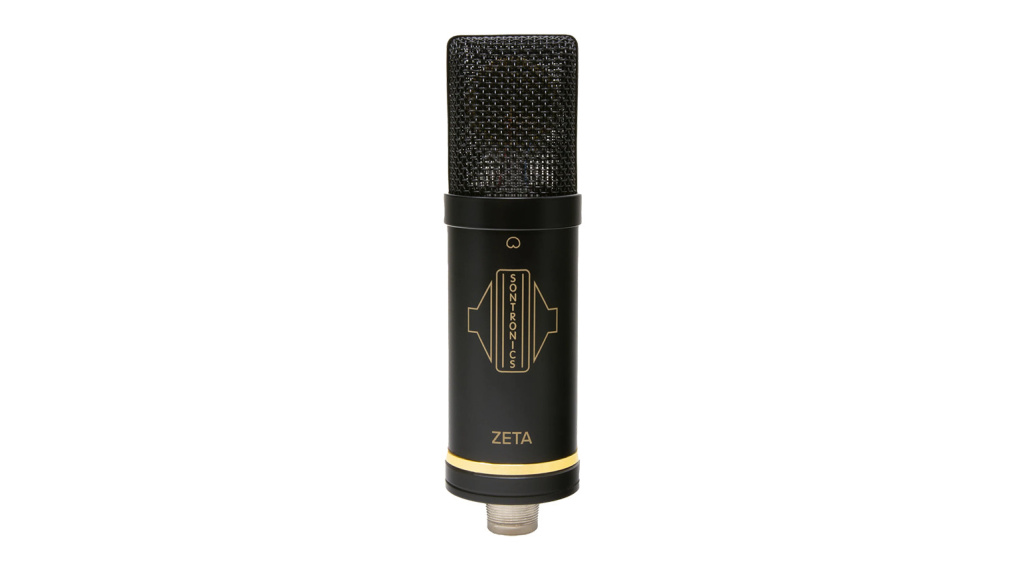
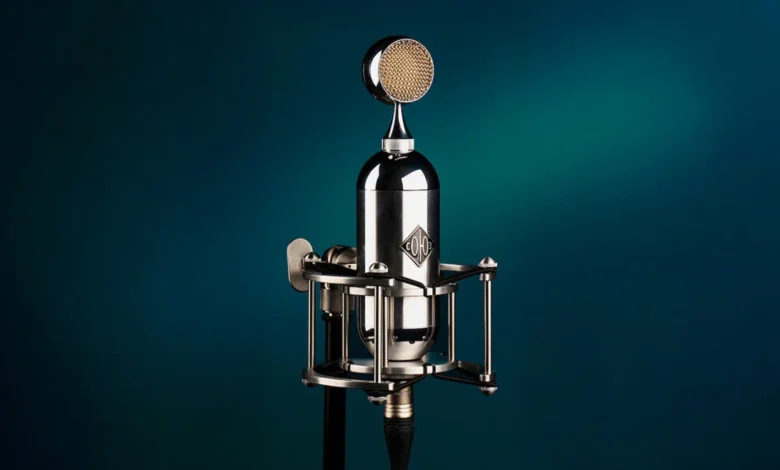
Founded in Dorset, England, in 2004, Sontronics Microphones has spent the last two decades carving out a distinct identity rooted in rigorous quality control and hand-crafted precision. The company’s catalog is widely celebrated for producing microphones with a characteristically smooth high-frequency response, a sonic attribute that minimizes the need for corrective equalization during the mixing stage.
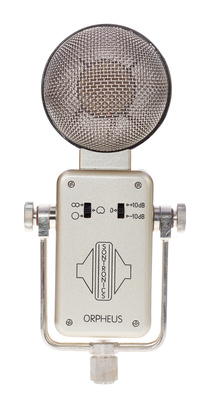
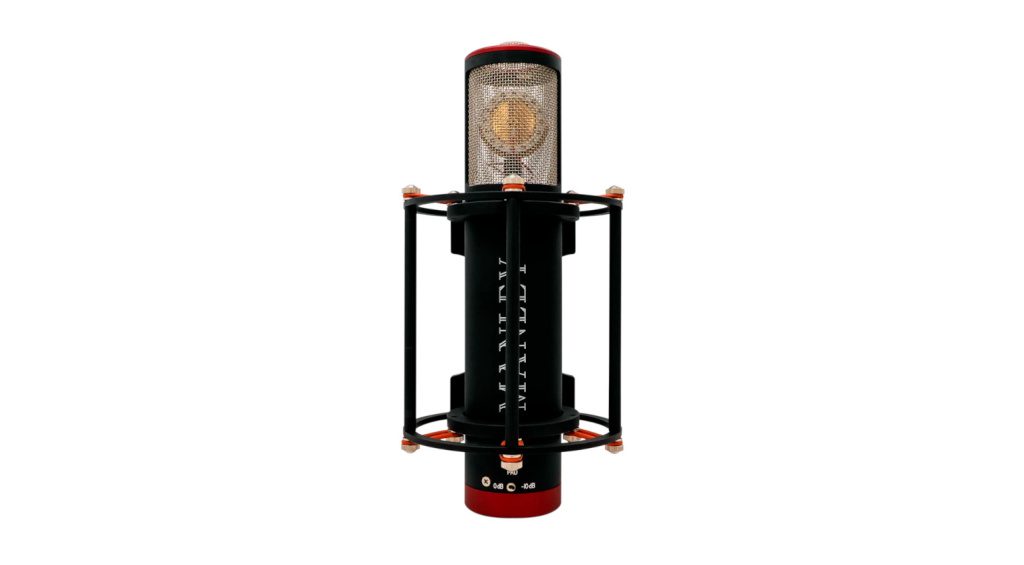
Sontronics offers an extensive catalog that bridges the gap between classic tube warmth and modern solid-state clarity. Large-diaphragm tube condensers such as the MERCURY and ARIA 2 have become staples in professional vocal booths, offering the rich harmonic saturation expected from high-end valve circuitry. Meanwhile, solid-state workhorses like the SATURN 2, ZETA, and ORPHEUS provide versatility for tracking everything from acoustic instruments to full drum kits in live tracking rooms.

Beyond its condenser lineup, Sontronics maintains a strong presence in the ribbon microphone sector with models like the APOLLO 2, SIGMA 2, and DELTA 2. These modern ribbon designs deliver exceptional vintage warmth without the structural fragility historically associated with older ribbon units. Coupled with a diverse selection of dynamic microphones tailored for live performance and podcasting, Sontronics demonstrates how traditional craftsmanship can be scaled to meet the multi-faceted demands of modern studios.
Ohma World: Customization and Innovative Acoustic Engineering
Based in Los Angeles, Ohma World represents a newer wave of boutique manufacturing that blends aesthetic innovation with deep-rooted acoustic expertise. Although the brand launched only a few years ago, its founding design team brought decades of collective experience from esteemed institutions such as AEA and Bock Audio.
Ohma World’s flagship transformer-based lineup includes cardioid condensers and figure-8 ribbon microphones, each engineered with distinct sonic objectives. The ribbon offerings draw heavy inspiration from classic designs like the RCA 44, delivering silk-smooth highs and robust low-mid weight, while the condenser models mirror the voicing of vintage studio classics supplemented by enhanced low-end reinforcement and modern high-end presence.
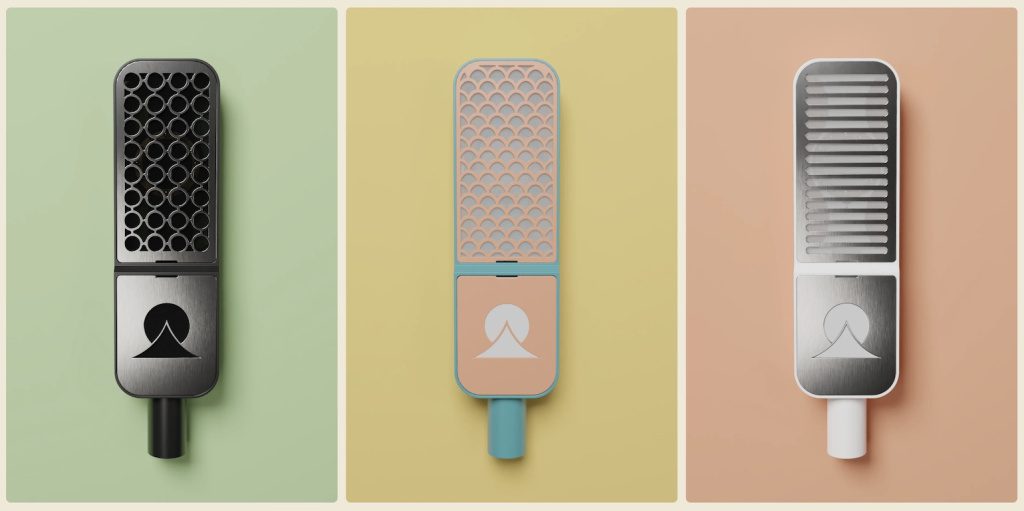
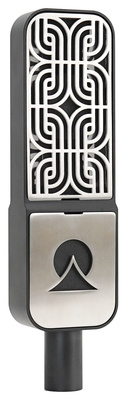
A defining innovation of the Ohma World ecosystem is its system of swappable acoustic screens. Rather than relying solely on post-processing or external equalization, engineers can physically alter the microphone’s frequency response by interchanging five distinct grilles. The "Motif" screen provides an immediate, production-ready polish; the "Stripes" configuration tames aggressive transient peaks on loud guitar cabinets; the "Windows" screen accentuates fundamental low frequencies; the "Scales" grille preserves the crisp articulation of snare drums; and the "Holes" variant is meticulously optimized for vocal tracking. This modular approach grants producers unprecedented acoustic flexibility at the source.
Soyuz Microphones: East-West Collaboration and Timeless Tube Design

Established in 2013 by American musician David Arthur Brown and Russian entrepreneur Pavel Bazdyrev, Soyuz Microphones embodies an international synthesis of design philosophies. The name "Soyuz"—meaning "union" or "alliance" in Russian—serves as a symbolic tribute to the historic Apollo-Soyuz space program, merging Soviet-era manufacturing ideals with Western marketing and ergonomic design. Operating out of their own dedicated facility, Soyuz artisans machine their own bodies, wind their own transformers, and construct proprietary capsules largely by hand.
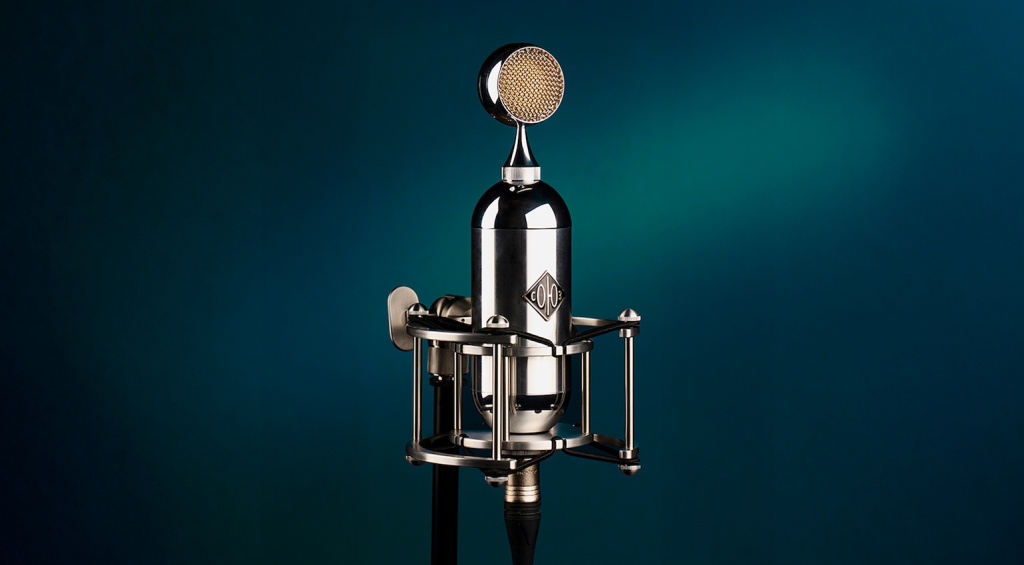
Soyuz is internationally renowned for its large-diaphragm condensers. The flagship 017 series, available in both tube and FET configurations, has become a modern industry standard for intimate vocal recording and orchestral scoring. For studios seeking a reliable, character-rich all-rounder, the 023 series fills the role of a heavy-duty studio workhorse. Meanwhile, the transformerless 1973 offers a more accessible entry point into the Soyuz ecosystem, delivering a brightly detailed and lightning-fast transient response.
For specialized and immersive applications, the Soyuz 013 series encompasses both tube and solid-state small-diaphragm condensers, alongside the innovative 013 Ambisonic microphone designed for 360-degree spatial audio capture. By pairing these transducers with their proprietary line of hardware preamps, Soyuz has cultivated a comprehensive hardware ecosystem that appeals to both traditional analog purists and modern spatial audio engineers.
Milab Microphones: Swedish Legacy and Rectangular Capsule Innovation
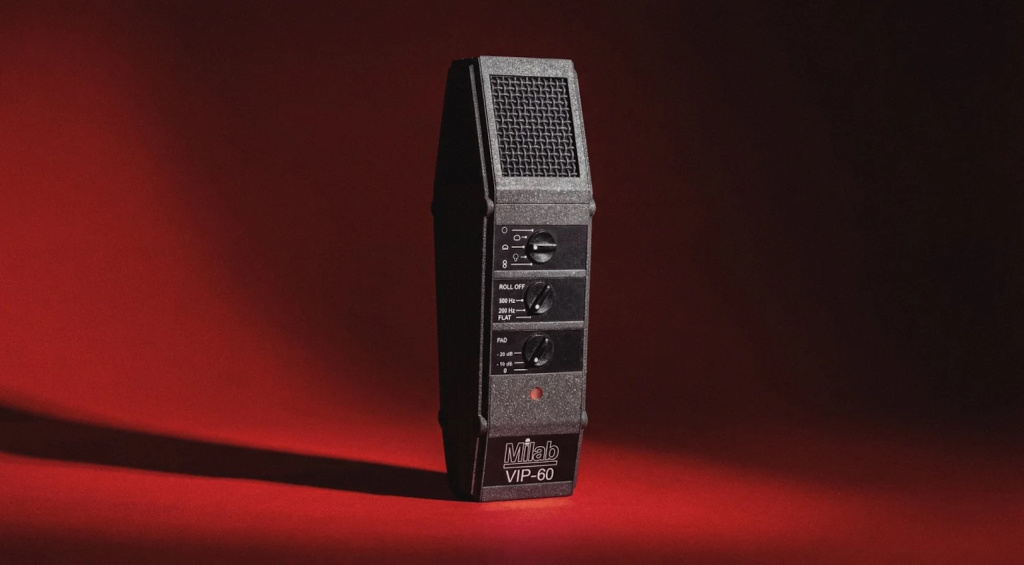
With a heritage spanning nearly a century, Sweden’s Milab Microphones occupies a unique space in boutique audio history. Celebrated for pioneering rectangular microphone capsule designs rather than traditional circular diaphragms, Milab offers distinct off-axis rejection characteristics and reduced phase distortion. Production is currently managed at a specialized facility in southern Sweden under the supervision of veteran production manager Hans Svensson, who brings over four decades of direct capsule-building experience to the workbench.
The contemporary Milab catalog features a refined selection of high-end condensers. The flagship VIP-60 serves as the modern successor to the legendary VIP-50, retaining the signature warm sonic profile of its predecessor while incorporating five selectable polar patterns and a substantially reduced noise floor. For contemporary studios requiring a compact, highly versatile multipattern transducer, the DC-196 FET has established itself as an indispensable tool.
Milab’s lineup also accommodates specialized tasks through offerings such as the DC-96C cardioid condenser, the multipurpose VM-44 Classic small-diaphragm microphone, the LSR-3000 handheld condenser designed for demanding stage performances, and the BDM-01 boundary and instrument microphone optimized for kick drums and bass cabinets. Through continuous refinement, Milab bridges its historic acoustic innovations with the rigorous demands of contemporary audio production.
Manley Reference Series: California Tube Heritage

While Manley Labs is globally celebrated for manufacturing high-end tube hardware processors for recording, mixing, and mastering facilities, the California-based manufacturer’s Reference Series microphones remain among the most coveted acoustic tools in the professional audio industry.
The lineup centers on three distinct models, each utilizing a specialized tube circuit and capsule design philosophy modeled after legendary vintage paragons. The Reference Cardioid functions as a modern U47-style tube microphone, delivering an open, three-dimensional character that effortlessly pushes lead vocals to the front of a dense mix.
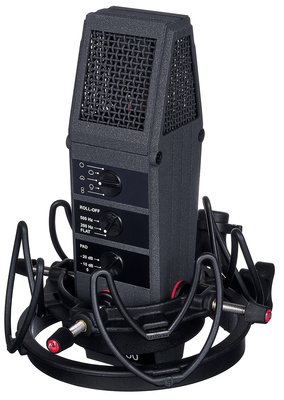
Expanding upon this foundation, the Reference Gold draws inspiration from the legendary AKG C12, incorporating a dual-diaphragm capsule and a continuously variable polar pattern control located on the dedicated power supply. This infinite polar pattern adjustment provides producers with exceptional creative freedom, making the Reference Gold exceptionally well-suited for complex orchestral and room-capture scenarios. Conversely, the Reference Silver takes its sonic cues from the rare Sony C-37A. Utilizing a simplified mechanical switch for selecting between cardioid and omnidirectional patterns, the Reference Silver excels as an overhead drum microphone and a stellar capture tool for brass and acoustic string instruments.
Implications for the Modern Recording Industry
The enduring popularity of boutique microphone manufacturers highlights a broader psychological and technical trend within the music production industry. In an era where digital audio workstations and software plugins offer near-infinite processing capabilities, the point of origin—the microphone—has become the primary differentiator for achieving a professional, commercially competitive sound.
By investing in hand-built transducers from Sontronics, Ohma World, Soyuz, Milab, and Manley, studios are not merely purchasing tools; they are acquiring distinct sonic signatures that reduce reliance on corrective plugins, preserve phase integrity, and inspire artists through exceptional physical craftsmanship. As production standards continue to evolve toward higher fidelity and immersive audio formats, the role of the boutique microphone manufacturer remains vital to capturing the nuances of human performance.