Ray Okpara brings his signature percussive house sound to the EG MINML series with an exclusive live recording from Zurich’s Klaus Club

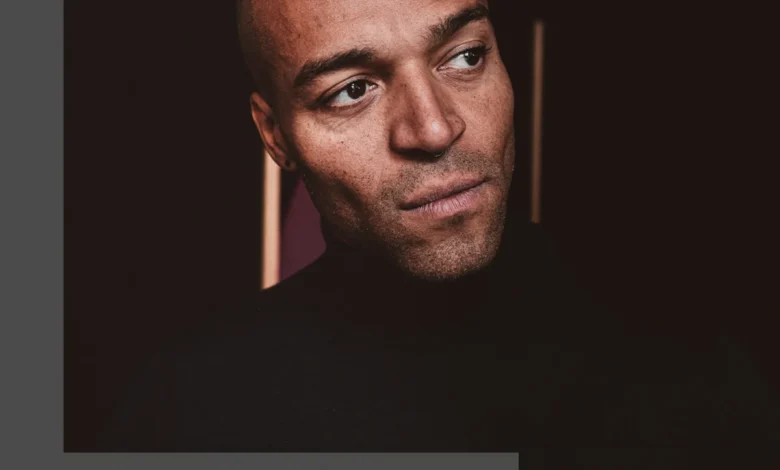
The electronic music landscape has long been defined by artists who balance technical precision with the visceral energy of the dancefloor. Ray Okpara, a fixture of the German house scene for over two decades, exemplifies this equilibrium. In his latest contribution to the EG MINML series, designated as edition 009, Okpara delivers a live set recorded at Klaus Club in Zurich, capturing the intimacy and intensity that have become synonymous with both his performance style and the venue’s reputation within the European club circuit.
The Evolution of a Sound: Frankfurt to Berlin
Ray Okpara’s musical trajectory began in the late 2000s, emerging from the vibrant house music circles of Frankfurt and Mannheim. This period was pivotal for the development of the "German sound"—a movement characterized by stripped-back percussion, heavy, rolling basslines, and a commitment to rhythmic minimalism.
Okpara’s production aesthetic, which he honed during this formative era, is defined by an emphasis on organic textures layered over synthetic foundations. His work often prioritizes the groove above all else, creating a soundscape that functions effectively in both intimate, low-ceilinged basement venues and larger festival stages. Over the years, he has successfully cultivated a signature approach that favors warm, analog-inspired low ends and intricate, syncopated drum patterns, allowing him to maintain relevance in an industry that frequently shifts toward ephemeral trends.
His discography serves as a map of his artistic journey. Early releases on labels such as Lomidhigh Lmtd and Drumpoet Community solidified his reputation as a producer with an ear for detail. His subsequent collaborations with Area Remote, Oslo Records, and Mobilee Records further established him as a cornerstone of the modern house movement. These labels, known for their rigorous A&R standards, provided a platform for Okpara to refine his craft, leading to a prolific output that spans well over a decade.
Ama Recordings and the Entrepreneurial Pivot
In 2010, after relocating to the creative epicenter of Berlin, Okpara expanded his professional footprint by founding Ama Recordings. The label’s name is derived from his middle name, Amaefule, reflecting a deeply personal approach to curating music.
The establishment of Ama Recordings was not merely an exercise in self-publishing; it was a strategic effort to foster a community of like-minded artists who shared his vision of forward-thinking house music. Since its inception, the label has curated a diverse roster, featuring contributions from artists such as Ema Remedi, Sascha Dive, and Nick Curly. By providing a home for both established and emerging talent, Okpara has leveraged his platform to influence the direction of the genre, ensuring that the minimalist house aesthetic remains a vibrant and evolving force.
The label’s success underscores a broader trend within electronic music: the rise of the artist-entrepreneur. By managing the end-to-end process—from initial production to label management and international touring—artists like Okpara have gained greater autonomy over their creative output, allowing them to bypass traditional industry gatekeepers and connect directly with their audience.
The Zurich Connection: Klaus Club and the Live Experience
The choice of Klaus Club in Zurich for the EG MINML.009 recording is significant. Zurich has long served as a critical nexus for European electronic music, providing a bridge between the German, French, and Italian scenes. Klaus Club, in particular, has developed a reputation for hosting artists who prioritize deep, intelligent dance music.

For this recording, Okpara was tasked with capturing the essence of the EG MINML series—a platform dedicated to the nuances of minimalist techno and house. The recording process in a live club environment introduces variables that studio recordings often lack: the immediate feedback of the crowd, the specific acoustic properties of the venue, and the spontaneous energy of a set that is not subject to post-production editing.
The result is a set that flows with the organic unpredictability of a night out. By integrating tracks that highlight his characteristic percussion-heavy style, Okpara creates a narrative arc that builds from steady, hypnotic rhythms into high-energy climaxes. For the listener, the recording serves as a historical document of the event, preserving a specific moment in time where the artist’s aesthetic met the energy of the Zurich dancefloor.
Data and Impact: The Persistence of Minimal House
While the electronic music industry has seen the rise and fall of various sub-genres—from the commercial surge of EDM to the resurgence of high-tempo rave music—the minimal house aesthetic championed by Okpara has remained remarkably resilient. Data from digital distribution platforms and streaming analytics suggest that "deep" and "minimal" house genres maintain a consistently high engagement rate among long-term electronic music listeners.
This resilience is largely due to the genre’s adaptability. Unlike more rigid genres, minimal house allows for the integration of diverse influences, including elements of jazz, funk, and world music, which Okpara frequently incorporates into his sets. By staying true to a core philosophy of "less is more," artists like Okpara have maintained a sustainable career path that avoids the boom-and-bust cycles associated with more trend-driven sectors of the music industry.
Furthermore, the longevity of labels like Ama Recordings demonstrates the importance of independent imprints in preserving the cultural heritage of electronic music. These labels function as archives of a particular time and sound, providing a sense of continuity in a digital-first world where music consumption is increasingly fragmented.
Implications for the Future of Electronic Music Performance
The release of EG MINML.009 also highlights the ongoing transition in how fans consume live performances. With the rise of high-quality streaming and digital archives, the "live set" has evolved from a temporary experience to a permanent piece of content. This shift has forced artists to approach their live performances with greater rigor; a recorded set is now a calling card that defines their brand for years to come.
Ray Okpara’s performance at Klaus Club demonstrates an awareness of this shift. Every transition, every EQ adjustment, and every track selection is calibrated not just for the immediate audience in the room, but for the global audience listening via digital channels. This dual-purpose approach to performance is becoming the industry standard, necessitating a higher level of technical proficiency and curatorial intent.
As electronic music continues to globalize, the role of artists like Okpara as ambassadors of the European house sound becomes increasingly vital. Through his work in the studio, his stewardship of Ama Recordings, and his commitment to live performance, he remains a central figure in the dialogue between the past and the future of house music.
For those interested in the technical nuances of the set or the specific tracklist, further documentation and context can be found via the official Electronic Groove portal. The release of EG MINML.009 serves as both a reminder of the power of the minimalist aesthetic and a testament to the enduring influence of one of the scene’s most dedicated practitioners. As the industry moves forward, the focus on authentic, craft-based artistry—exemplified by this latest session—will likely continue to define the standard for quality within the electronic dance music community.
Related posts: