The Synergy of Song and Survival: How Collective Spell Songs Responds to Ecological Erasure Through Art

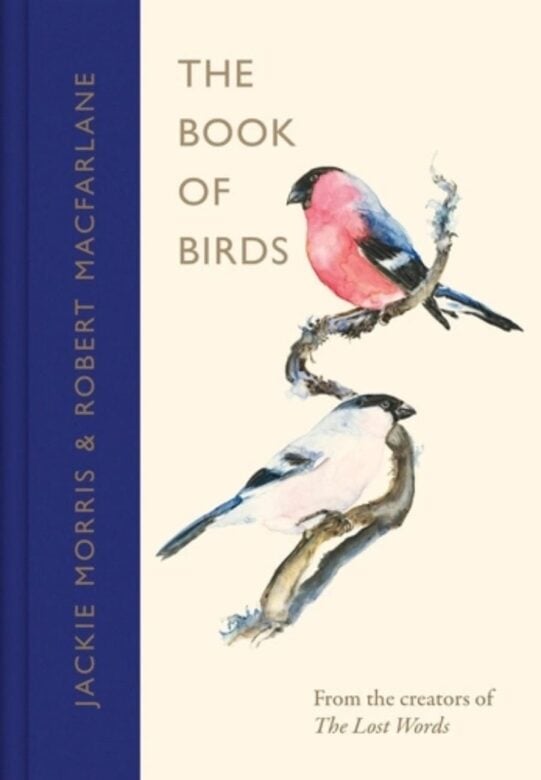
The intersection of ecological crisis and cultural expression has long served as a catalyst for artistic resistance, proving that when the natural world is systematically diminished, human creativity rises to reclaim the void. This profound relationship forms the foundational ethos of Spell Songs, a seven-piece musical collective that has spent years translating environmental advocacy into traditional and contemporary composition. Their latest release, the third studio album titled In Thin Air, continues this urgent mission, drawing direct inspiration from The Book of Birds, a collaborative project by writer Robert Macfarlane and illustrator Jackie Morris. As environmental degradation accelerates across global ecosystems, this collective of renowned folk musicians, multi-instrumentalists, and visual artists utilizes the visceral power of sound and painting to confront biodiversity loss head-on.
Background Context and Chronological Evolution
The origin of the Spell Songs collective dates back to 2019, emerging in direct response to the critically acclaimed 2017 book The Lost Words, authored by Robert Macfarlane and illustrated by Jackie Morris. That seminal literary work was conceived as a cultural counter-offensive against the decision by the Oxford Junior Dictionary to omit foundational nature-related terms—such as acorn, bluebell, and wren—in favor of technology-driven vocabulary like broadband and chatroom. Macfarlane and Morris recognized this lexicographical erasure as a symptom of a broader cultural detachment from the natural environment, where children and adults alike were becoming increasingly blind to the rapidly declining flora and fauna surrounding them.
To amplify this urgent message, a collective of seven distinct musical artists—including Karine Polwart, Julie Fowlis, Seckou Keita, Kris Drever, Rachel Newton, Beth Porter, and Jim Molyneux—was assembled. Their debut 2019 album provided a musical accompaniment to The Lost Words, successfully blending diverse cultural backgrounds, from West African rhythmic traditions to Scottish Gaelic vocal mimesis.
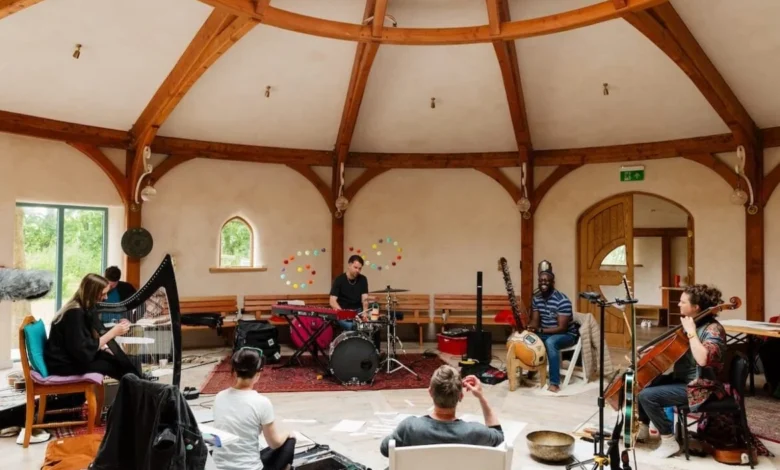
Following a subsequent album cycle, the collective reunited for a week-long residential writing retreat in Pembrokeshire, Wales, to conceptualize their third record, In Thin Air. Released via Sheffield-based Hudson Records and produced by Andy Bell, the new album explicitly responds to Macfarlane and Morris’s follow-up publication, The Book of Birds. While previous iterations focused broadly on threatened flora and fauna, In Thin Air narrows its ecological lens entirely to avian life, structuring its narrative around what Macfarlane and Morris categorize as the "Seven Wonders of Bird": nest, egg, beak, song, feather, flight, and migration.
Musical and Visual Integration: The Anatomy of In Thin Air
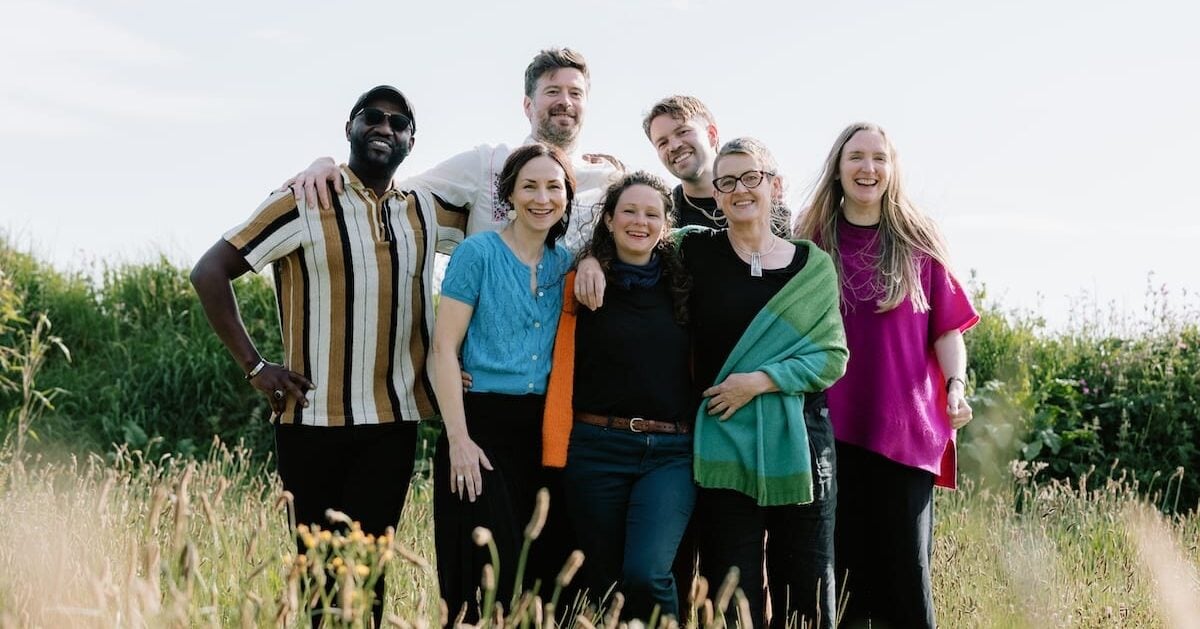
The creative process behind In Thin Air marks a distinct maturation for the Spell Songs collective. Rather than functioning simply as a loose grouping of solo artists performing individual pieces, the ensemble has evolved into a cohesive, highly collaborative musical organism. The thematic framework provided by The Seven Wonders of Bird served as a structural roadmap, guiding the musicians to craft an immersive sonic journey characterized by instrumental storytelling, atmospheric vocal layering, and intricate soundscapes.
For singer and multi-instrumentalist Karine Polwart, whose deep-seated affinity for ornithology involves routine fieldwork along the North Sea coast, the album project facilitated a rare and visceral research opportunity. Alongside a team of ecologists from the Scottish Seabird Centre, Polwart participated in a boat expedition to Bass Rock in the Firth of Forth. Home to one of the largest Northern Gannet colonies on the planet—housing approximately one hundred thousand nesting seabirds—the experience deeply informed the atmospheric textures and lyrical resonance of the record.
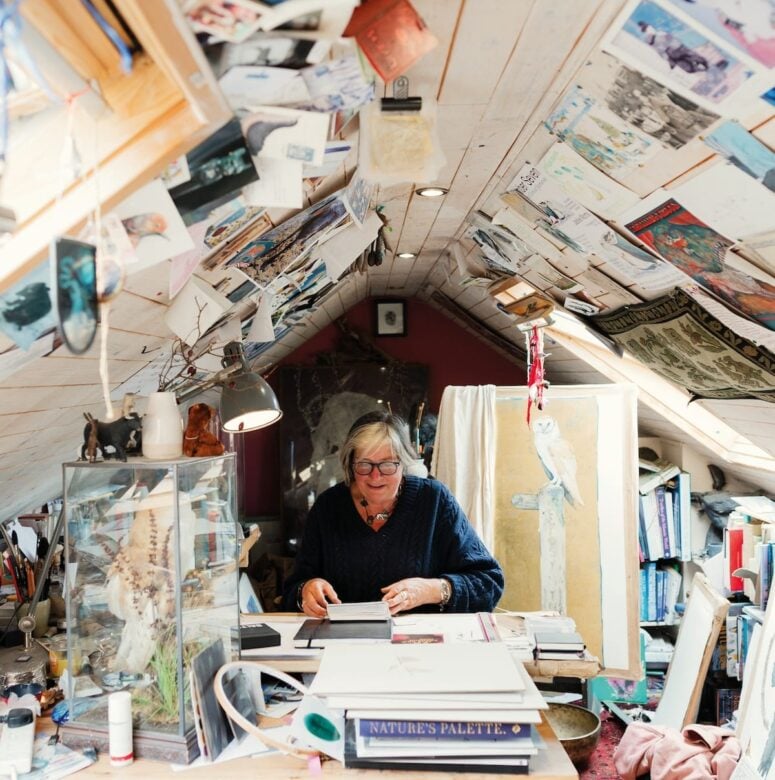
Simultaneously, visual artist Jackie Morris embedded herself within the band’s writing residency in Wales, painting in real-time as the musicians composed the album. This symbiotic relationship between visual art and audio composition extends directly into the ensemble’s current live touring schedule. Morris has developed an innovative performance format for the stage, executing a synchronized painting cycle over seven distinct shows. Across these performances, she creates a suite of seven individual paintings, focusing on migrating godwits, ensuring that the visual art evolves in real-time alongside the musical performance without overshadowing the auditory experience.
Official Statements and Perspectives on Art as Protest
The intersection of art, politics, and environmental activism remains a central tenet for the creators involved in Spell Songs. Discussing the impetus behind the project, Jackie Morris articulates a clear stance on the intrinsic responsibility of creative practitioners during periods of ecological and political distress.
"Music has the power to thread an idea deep into the soul and a way of holding the human brain to remember," Morris notes, highlighting the mnemonic efficiency of lyrical composition. "It is often easier to remember a lyric when attached to music. This makes music a powerful medium as a catalyst for change and is why, during times of oppression, musicians are often arrested, tortured, and killed."
When questioned on whether artists bear an ethical obligation to address pressing social and political issues, Morris offers an unequivocal affirmation. Polwart offers a complementary perspective, examining the psychological and social drivers of creative output.
"Like Jackie, I feel a sense of compulsion to do this as an individual maker, but I’m not sure art emerges from a place of duty," Polwart reflects. "It’s just as legitimate to make things to escape, comfort, dance, laugh—all of which can be forms of resistance too, of course—as it is to question, document, or resist explicitly. But I do think more of us, simply as humans, need to step up to greater ethical, political, and social engagement, at a time when no-one is otherwise coming to save us or the cultures and ecosystems that capitalism is devastating."
Folk Music, Tradition, and Biodiversity Loss
The integration of ecological themes into traditional and contemporary folk music is not a modern anomaly, but rather the continuation of a deep historical continuum, particularly within Scottish, Irish, and English musical traditions. Polwart emphasizes that folk songs have historically functioned as repositories for ecological intimacy, community memory, and localized geography.
"There’s a long tradition in Scottish folk song that connects to place and belonging, land and sea," Polwart explains. "Mythic ballads are threaded through with shapeshifting birds and creatures. Laments of exile and longing speak of deep ecological intimacy and loss. Historic lullabies of greater-than-human life… There’s also a rich heritage in Scottish, English, and Irish folksong of resistance and dissent. So I guess that makes ecology and biodiversity loss feel like natural extensions."
This historical lineage is directly manifested on In Thin Air through tracks such as Julie Fowlis’s interpretation of Taladh Nan Eun (Lullaby of the Birds), anchoring contemporary environmental concerns within centuries-old cultural expressions of coexistence between humanity and the avian world.
The Economics of Physical Media and Creative Resistance
Beyond the thematic and lyrical content of In Thin Air, the physical presentation of the album serves as a deliberate act of economic and cultural defiance. Available across digital formats, standard compact disc, and expansive deluxe vinyl and box-set editions, the release underscores the collective’s commitment to tangible, tactile art objects.
This emphasis on physical media is driven by both aesthetic principles and economic pragmatism. In an era dominated by streaming platforms, where independent musicians receive negligible financial compensation for their recorded works, producing elaborate, collectible art books and physical packages functions as a vital survival strategy.
"The Spell Songs project is born from a collaboration between a writer and a visual artist and has such a strong visual sensibility that it demands a tangible, visual representation," Polwart states. "On a pragmatic survival level also, most of us understand now that musicians make virtually nothing from streaming platforms. It’s an ongoing low blow to all but a tiny elite. So crafting our albums as books and art objects is also a form of creative resistance to the commercial devaluation of music-making."
Broader Impact, Implications, and Future Outlook
The release of In Thin Air arrives at a critical juncture for global biodiversity. Recent scientific assessments indicate that avian populations worldwide are facing unprecedented pressures driven by habitat fragmentation, intensive agriculture, chemical pollution, and the compounding effects of climate change. In the United Kingdom specifically, numerous native bird species face severe population declines, making cultural interventions like those spearheaded by Macfarlane, Morris, and the Spell Songs collective increasingly vital for public engagement.
By harnessing the collaborative strengths of seven distinct musical voices—incorporating Senegalese kora mastery via Seckou Keita, Gaelic linguistic heritage via Julie Fowlis, and contemporary folk arrangements from the wider ensemble—Spell Songs transcends conventional protest music. Rather than merely documenting ecological loss through mournful statistics, the collective constructs a vibrant, living archive of the species and landscapes under threat.
As the ensemble embarks on its comprehensive tour alongside live artistic accompaniment, the project demonstrates that cultural institutions and grassroots artistic collaborations can effectively bridge the psychological distance between modern human populations and the natural world. In doing so, In Thin Air offers not only a lament for a changing biosphere, but an enduring blueprint for creative resilience and ecological stewardship.