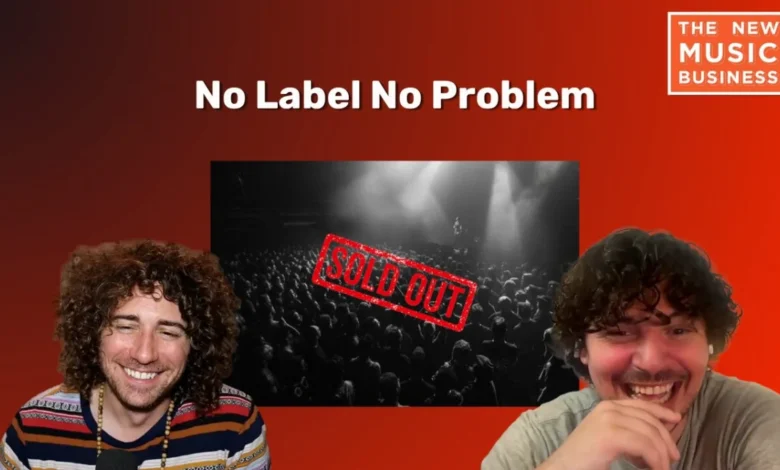
The modern music industry has undergone a seismic shift, transitioning from a gatekept, major-label-dominated landscape to an ecosystem where independent artists can leverage digital tools, direct-to-fan platforms, and social media algorithms to build sustainable global careers. Few artists exemplify this paradigm shift quite like Nashville-based singer-songwriter Jared Benjamin. In a recent episode of the New Music Business podcast, hosted by author and musician Ari Herstand, Benjamin detailed his extraordinary ascent from a pandemic-era hobbyist picking up a guitar for the first time to an independent powerhouse boasting over 100 million streams, a million monthly listeners, and completely sold-out headline tours.
Benjamin’s trajectory offers a masterclass in modern music entrepreneurship, highlighting how a combination of rigorous short-form video strategies, targeted advertising funnels, community building on Discord, and creative resilience can bypass traditional industry bottlenecks. His journey serves as a vital case study for independent creators navigating the complexities of the digital music marketplace today.
From Pandemic Hobbyist to Streaming Phenomenon
The chronology of Jared Benjamin’s career is remarkably compressed, underscoring the velocity at which modern digital platforms can launch an artist. Like many creators, Benjamin’s musical journey began during the global COVID-19 pandemic. Confined indoors with newfound free time, he picked up a guitar and began teaching himself the fundamentals of songwriting and performance.
Unlike previous generations of musicians who spent years playing empty local bars and handing out physical demo CDs, Benjamin entered the industry through the digital front door. He quickly recognized that the traditional playbook—signing early deals with major or mid-tier labels—was fraught with pitfalls. After experiencing early missteps and unfavorable agreements with traditional industry gatekeepers, Benjamin made the pivotal decision to go completely DIY.
Opting for independence allowed him to retain full ownership of his master recordings and publishing rights, setting the stage for long-term financial viability. He dove headfirst into self-education, utilizing YouTube tutorials to learn music production basics, collaborating with independent producers, and refining a signature sound that would eventually culminate in his debut full-length album, Icarus Too Close to the Sun.
The Content Machine: Skits, Consistency, and the Daily Grind
One of the cornerstones of Benjamin’s meteoric rise is his mastery of short-form video content on platforms like TikTok and Instagram. Long before he was selling out music venues, Benjamin was building an audience through narrative-driven short-form visuals and comedy skits related to the musician experience.
However, sustaining growth required an intense, grueling work ethic. Benjamin revealed during his conversation with Herstand that his daily routine involved producing and posting anywhere from two to four videos a day. This relentless output was not without its challenges; Benjamin candidly discussed the realities of creator burnout and the mental fortitude required to maintain consistency against the unpredictable whims of social media algorithms.
By pairing comedic and relatable skits with raw, acoustic snippets of his original music, Benjamin managed to hook viewers who might not otherwise have clicked on a standard promotional music video. This top-of-funnel strategy successfully converted casual scrollers into deeply invested fans. His content strategy eventually caught the attention of the industry at large, leading him to connect with his current management team, who helped professionalize his burgeoning enterprise.

Transitioning from Fast Singles to a Cohesive Debut Album
In the streaming era, conventional wisdom often dictates that independent artists should continuously release rapid-fire singles to appease platform algorithms and maintain algorithmic visibility. Benjamin initially followed this playbook, dropping standalone tracks designed for quick consumption.
However, as his listener base solidified, Benjamin recognized the artistic and commercial limitations of relying solely on a single-driven model. The decision to pivot toward a cohesive debut album, Icarus Too Close to the Sun, represented a major maturation of his artistry. The project allowed him to showcase depth, thematic continuity, and narrative scope—elements that resonate more powerfully with dedicated fanbases.
A critical milestone in this developmental phase was his participation in collaborative songwriting environments, such as the AntiSocial Writing Camp, where he penned tracks like "Three Steps Ahead." These collaborative settings helped sharpen his songwriting mechanics, bridging the gap between his bedroom-producer origins and a polished, radio-ready aesthetic. Furthermore, by expanding his production network—delegating complex production tasks to specialized collaborators while maintaining creative oversight—Benjamin scaled his output without sacrificing quality.
Innovative Marketing: BookTok, Feature.fm, and the Discord Ecosystem
What truly separates Benjamin from artists who achieve viral moments without sustained longevity is his sophisticated approach to community management and audience retention. Getting a listener to stream a song once is vastly different from converting that listener into a lifelong fan who buys merchandise and concert tickets.
Benjamin leveraged several innovative marketing verticals to bridge this gap:
- BookTok and Author Playlist Marketing: Recognizing the massive, highly engaged reading community on TikTok (known as BookTok), Benjamin tapped into author playlist marketing. By aligning his emotionally resonant music with popular literary tropes and characters, he reached an entirely new demographic of passionate fans who naturally integrated his songs into their reading experiences.
- Targeted Pre-Save Campaigns: Moving beyond organic reach, Benjamin utilized advanced advertising infrastructure, specifically Feature.fm pre-save campaigns. These targeted ads did not merely drive passive streams; they were strategically engineered to funnel interested fans directly into his owned digital properties.
- Community Architecture on Discord: While many artists rely on broad social media comment sections, Benjamin built an intensely loyal community by migrating his core supporters into dedicated Discord servers. This direct line of communication fostered genuine parasocial bonds, transforming casual listeners into an active, mobilized street team that drove engagement, ticket sales, and album awareness.
From Empty Rooms to Sold-Out Venues
The ultimate test of any digital-first artist’s viability is the transition from online metrics to physical reality: the live touring market. In the early stages of his career, Benjamin experienced the humbling reality common to many emerging acts—performing to sparse, nearly empty rooms.
Yet, because his digital fanbase was built on genuine emotional connection rather than fleeting algorithmic trends, the conversion rate from online follower to physical concertgoer proved remarkably high. As his streaming numbers crossed the 100 million threshold, those empty rooms rapidly transformed into sold-out headline venues across the country. His live shows became communal events where fans who had bonded over his music online—often through platforms like Discord and TikTok—could congregate in person.
Broader Industry Implications and the New Music Business
The trajectory of Jared Benjamin offers a clear blueprint for the modern independent musician. In an era where major labels are increasingly risk-averse and often demand unfavorable master ownership splits, Benjamin’s success demonstrates that artists can construct a viable, highly profitable enterprise entirely on their own terms.
By mastering the intersection of short-form content creation, sophisticated digital advertising, collaborative songwriting, and direct-to-consumer community management, independent artists can achieve scale that once required massive corporate backing. As the music industry continues to decentralize, stories like Benjamin’s highlight the immense power—and the demanding labor—of operating as an independent musical entrepreneur in the twenty-first century.