Ed Sheeran Faces Perfect Storm of Weather Threats, Political Boycotts, and Regulatory Pressure Ahead of Gillette Stadium Concerts

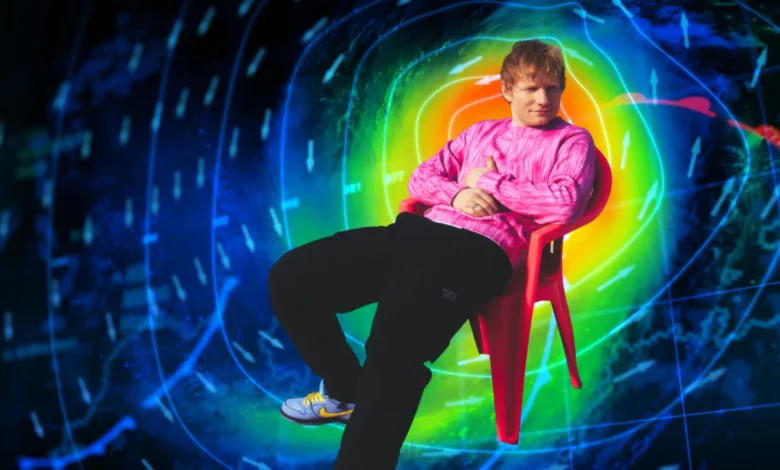
Ed Sheeran is scheduled to return to the stage at Foxborough’s Gillette Stadium, but the path to his performance has been fraught with unprecedented logistical obstacles, severe weather warnings, political controversy, and regulatory intervention. As a powerful nor’easter bears down on New England, bringing with it wind gusts of up to 70 miles per hour and torrential rain, the embattled pop star finds himself at the center of a multifaceted crisis that extends far beyond normal tour management.
The convergence of meteorological hazards, a sweeping lineup overhaul prompted by political friction, and a successful consumer rights intervention by the Massachusetts Attorney General’s office has turned a standard stadium stop into a major news event. While production crews battle the elements to assemble the open-air stage, ticket holders have been granted unprecedented refund rights, and the broader music industry watches closely to see how the fallout will impact live event governance and artist advocacy.
Meteorological Threats and Production Delays
The immediate hurdle facing the Ed Sheeran production team is a severe late-season nor’easter impacting the New England region. Forecasts for the weekend predict sustained heavy rainfall and destructive wind gusts reaching up to 70mph, creating hazardous conditions for both open-air concertgoers and the massive staging infrastructure required for a modern stadium pop show.
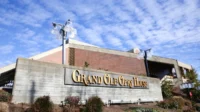
According to reports from entertainment industry insiders, the inclement weather has already severely disrupted pre-concert operations. Stage construction at Gillette Stadium—owned by billionaire Robert Kraft—began earlier in the week, with workers managing to partially assemble the framework by Thursday morning. However, as meteorological forecasts worsened, production managers ordered a temporary halt to construction by Thursday evening. Crew members were placed on standby while executive leadership weighed the logistical and safety implications of either pressing forward or dismantling the nascent structure entirely.
The impending storm introduces critical safety considerations. Even if wind speeds moderate enough to prevent structural failure, sustained heavy rain and fierce gales present severe risks to sound and lighting rigs, electrical systems, and the thousands of fans expected to occupy the open-air bowl. Should the weather force a cancellation, it would ironically achieve what political boycotts and venue pressure previously threatened to accomplish: the complete derailment of the Foxborough residency.
The Genesis of the Boycott: Politics and the Live Music Industry
The severe weather arrives against a backdrop of intense controversy that has dogged the North American leg of Sheeran’s tour. The turmoil began when Gillette Stadium owner Robert Kraft objected to rapper Macklemore’s on-air and on-stage support for Palestine. Kraft reportedly issued an ultimatum, stating he would cancel Sheeran’s scheduled performances if Macklemore remained part of the tour lineup as a supporting act. Furthermore, Kraft allegedly leveraged his influence to persuade other prominent U.S. stadium owners to adopt similar stances against the rapper.
In an effort to salvage the tour dates and avoid widespread cancellations, Sheeran’s promoter, the Messina Touring Group, took the decision to remove Macklemore from the bill. This concession, however, triggered an immediate and cascading reaction across the tour’s entire roster. In an unprecedented show of solidarity with Macklemore, all remaining support acts booked for the tour, as well as Ed Sheeran’s own backing band, abruptly pulled out of their commitments.
The sudden loss of the supporting lineup forced a radical restructuring of Sheeran’s live show. Last weekend in Philadelphia, the singer-songwriter debuted a heavily modified format. Performing largely solo as he typically does during acoustic segments, Sheeran successfully recruited a temporary replacement band to cover the portions of the set that required a full ensemble. The show was pushed to a later start time with zero opening acts.
Promoters and management confirmed that this same improvised format—featuring Sheeran headlining without support acts—is intended for the two-night run at Gillette Stadium. While Sheeran remains a premier global draw capable of selling out massive venues on his own name recognition, the drastic alteration fundamentally changed the nature of the ticketed event, setting the stage for consumer dissatisfaction and legal scrutiny.
Regulatory Intervention: Attorney General Mandates Refunds
The unilateral alteration of the concert lineup and the absence of supporting acts led nearly 200 consumers to lodge formal complaints with the office of Massachusetts Attorney General Andrea Joy Campbell. Ticket buyers expressed frustration over encountering strict, traditional no-refund policies enforced by Ticketmaster when attempting to recoup their money following the lineup changes.
Recognizing the gravity of the consumer grievances, Attorney General Campbell’s office intervened directly, engaging with Ticketmaster to demand policy compliance suited to exceptional circumstances. On Friday, Campbell released a formal statement outlining the state’s position.
"After hearing from nearly 200 consumers who were struggling to obtain refunds from Ticketmaster for Ed Sheeran’s shows at Gillette Stadium this weekend, my office jumped into action to demand that consumers be provided a clear path to get their money back if they no longer want to attend due to significant changes to the line-up," Campbell stated.
The Attorney General’s office argued that the simultaneous removal of nearly all supporting acts and backing performers constituted such a fundamental, dramatic change to the contracted service that Ticketmaster’s standard purchase policy was rendered legally and ethically unfair. Consequently, ticketing platforms established an expedited pathway for refunds, permitting ticket holders to request a full reimbursement up to 24 hours prior to showtime.
This regulatory victory provides concertgoers with unprecedented leverage. Attendees now find themselves with multiple valid grounds for bowing out of the weekend events: they may choose to request a refund in protest over the politically motivated axing of Macklemore, opt out due to the dangerous weather forecasts presented by the nor’easter, or simply decide that a stripped-down lineup does not offer the comprehensive entertainment experience they originally purchased.
Macklemore Responds with International Benefit Concerts
While Ed Sheeran and his promoters navigate the logistical maze in Massachusetts, Macklemore has swiftly redirected his momentum toward international advocacy and humanitarian fundraising. Unfazed by his removal from the U.S. stadium dates, the rapper announced a new series of benefit concerts under the banner of "Free Palestine" shows, scheduled for next month in major European cultural capitals including Dublin, London, and Paris. Proceeds from these events will directly benefit charitable organizations supporting Palestinian communities.
In an extensive statement shared via Instagram, Macklemore addressed the intersection of art, politics, and social responsibility in the modern music industry.
"Being apolitical during a genocide doesn’t work anymore. People are asking artists to show up, educate themselves and be in community. To use the stage for more than entertainment. To push back when the call for a Free Palestine is met with attempts to silence it," the rapper wrote.
Alluding directly to the recent controversy, he added, "As you all know, my schedule freed up a bit. I’ve spent the last week reaching out to artists who have shown up and used their stages to stand in solidarity with the Palestinian people, regardless of the consequences. Artists who understand that our platforms mean very little if we’re only willing to use them when it’s safe."
Macklemore confirmed that several high-profile peers have accepted his invitation to join him on stage during the upcoming European run, signaling a growing solidarity movement among contemporary musicians willing to risk commercial opportunities to voice political convictions.
Industry Implications and Future Outlook
The convergence of geopolitical activism, billionaire venue ownership, regulatory consumer advocacy, and severe meteorology surrounding Ed Sheeran’s Gillette Stadium residency highlights the increasingly volatile landscape of modern live entertainment.
Historically, stadium tours operated within predictable legal and commercial boundaries, where headliners and promoters maintained immense leverage over ticket holders via strict no-refund clauses. However, the intervention of Attorney General Andrea Joy Campbell in Massachusetts establishes a notable precedent. It signals that state regulators are increasingly willing to scrutinize ticketing platforms and promoters when lineup modifications drastically alter the commercial value of a live event.
Furthermore, the incident underscores the growing difficulty of insulating major global tours from geopolitical flashpoints. As artists and audiences alike increasingly view cultural platforms as vehicles for social and political expression, venue owners and corporate stakeholders face immense pressure either to accommodate or suppress contentious viewpoints. The fallout from the Foxborough shows demonstrates that attempts to silence political expression on stage can trigger a domino effect of labor solidarity, public relations crises, and legal challenges.
As the production crew at Gillette Stadium continues to monitor wind speeds and rainfall accumulations ahead of showtime, the ultimate fate of the weekend concerts remains uncertain. Whether the events proceed as modified solo sets or fall victim to the severe New England nor’easter, the economic, legal, and cultural repercussions of this weekend will resonate far beyond the borders of Foxborough, shaping industry standards for artist contracts, venue politics, and consumer rights for years to come.
Related posts: