Federal Judge Authorizes U.S. Marshals to Use Reasonable Force to Compel Court Appearance of Music Executive Eugene "Big U" Henley Jr.

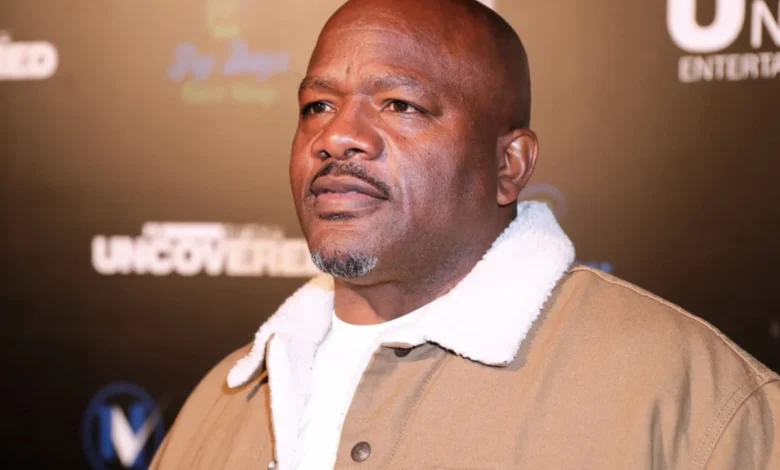
The high-stakes federal racketeering case involving prominent Los Angeles music executive and community figure Eugene “Big U” Henley Jr. escalated dramatically when a federal judge issued an extraordinary order authorizing U.S. Marshals to deploy reasonable force and physical restraints to bring the defendant into court. The decision followed Henley’s reported refusal to leave his housing unit at the Metropolitan Detention Center (MDC) in Los Angeles for a mandatory court appearance.
The directive, handed down by U.S. District Judge Fernando L. Aenlle-Rocha, underscores the mounting friction within an already complex and heavily scrutinized judicial proceeding. As Henley awaits trial on a sweeping 43-count indictment that alleges leadership in a criminal organization, the legal battle encompasses unprecedented volumes of digital evidence, high-profile defense motions, and stringent security protocols designed to manage a defendant whom federal prosecutors have aggressively characterized as a significant danger to the community.
Escalation at the Metropolitan Detention Center
The catalyst for Judge Aenlle-Rocha’s September 17 order was a breakdown in court-ordered logistics. When U.S. Marshals attempted to escort Henley from his cell at the federal detention facility for a scheduled 9 a.m. proceeding in Courtroom 6B, the defendant allegedly refused to comply. The hearing was critical, centered on an emergency motion filed by Henley’s defense counsel seeking to withdraw from the case.
Faced with a non-compliant defendant and an urgent docket, the court opted for an assertive remedy. Judge Aenlle-Rocha authorized the Marshals to utilize “all reasonable force and restraints necessary to produce the defendant in court.” However, the bench incorporated explicit legal safeguards to mitigate liability and protect Henley’s physical well-being. The order strictly prohibited methods or force that could endanger Henley due to pre-existing medical conditions. Furthermore, before any physical coercion could be applied, enforcement personnel were legally mandated to read the judicial order directly to Henley, affording him “one final opportunity to agree immediately to come to court without the use of force.”
While the authorization granted immediate authority to compel his physical presence, legal analysts note that the measure serves primarily as a standing directive for ongoing proceedings. The order remains active for subsequent hearings unless explicitly modified or rescinded by Judge Aenlle-Rocha. Henley’s defense team, facing immense pressure due to the sheer volume of evidence, has continued to navigate the hurdles of preparing for a complex trial under strict conditions of pre-trial detention.
Background and the Scope of the Federal Indictment
The charges against Henley represent a massive undertaking by federal law enforcement agencies targeting organized crime in Southern California. Arrested and remanded to federal custody in March 2025, the 59-year-old executive was hit with a sprawling racketeering indictment that prosecutors claim targets an enterprise separate from, yet historically intertwined with, traditional street gangs.
According to federal prosecutors, Henley has long operated as a prominent figure within the Rollin’ 60s Neighborhood Crips. However, the core of the government’s case centers on the allegation that Henley orchestrated and directed a distinct criminal apparatus commonly referred to in court documents as the "Big U Enterprise." The original 43-count indictment paints a picture of a sophisticated criminal syndicate allegedly engaged in a wide array of unlawful activities, including racketeering conspiracy, armed robbery, extortion, and financial fraud.
Perhaps the most severe accusation leveled against Henley involves the 2021 homicide of an aspiring musician identified in court filings simply by the initials “R.W.” Federal prosecutors maintain that the killing was tied to the operational enforcement of the alleged enterprise. Throughout these proceedings, Henley has steadfastly maintained his innocence, denying all government allegations through his legal counsel. Under the United States Constitution, Henley remains legally presumed innocent until and unless proven guilty beyond a reasonable doubt in a court of law.
Expanding Charges and the Massive Evidence Burden
The legal jeopardy surrounding Henley intensified significantly in August, when a federal grand jury returned a superseding indictment incorporating additional charges. The expanding scope of the prosecution now includes allegations of witness tampering, solicitation to commit a crime of violence, substantive wire fraud, and a complex conspiracy charge involving the transportation of an individual for the purposes of prostitution. Henley formally pleaded not guilty to these expanded charges during a mid-summer arraignment.

The logistical challenge of defending and prosecuting the case is highlighted by the extraordinary volume of discovery turned over by the U.S. Attorney’s Office. According to statements made by Henley’s defense team in open court, the evidence file is among the largest in recent district history, comprising:
- More than 1.1 million distinct pieces of digital and physical evidence.
- Thousands of hours of closed-circuit television and raw surveillance footage.
- Tens of thousands of intercepted telephone calls and wiretap recordings spanning multiple years of investigation.
This staggering amount of data forms the crux of the defense’s ongoing struggles, including the recent emergency motions by attorneys seeking to withdraw from representation due to the immense resource requirements and professional scope needed to effectively parse the prosecution’s evidentiary portfolio.
Chronology of Key Events
The legal saga involving Eugene Henley Jr. is marked by several pivotal milestones from his initial arrest to the current pre-trial maneuvers:
- 2021: The alleged homicide of an aspiring musician, identified as "R.W.," occurs in Southern California—an incident that federal prosecutors would later tie to Henley in subsequent indictments.
- March 2025: Federal authorities arrest Henley, launching a sprawling prosecution centered on a 43-count indictment accusing him and multiple co-defendants of operating the "Big U Enterprise."
- Summer 2025: Henley is formally denied release on bond following intense arguments from federal prosecutors who cite profound concerns regarding potential witness intimidation, obstruction of justice, and community safety.
- October 2025: A tragic personal event strikes the family when Henley’s 34-year-old son, Jabari “Baby Uiie” Henley, is killed. Henley subsequently petitions the court for special accommodations to mourn while remaining incarcerated.
- August 2026: Henley enters formal not-guilty pleas to a superseding indictment that adds new federal charges, including witness tampering and solicitation of violence.
- September 17, 2026: Judge Fernando L. Aenlle-Rocha issues a judicial order authorizing U.S. Marshals to use reasonable force and restraints if Henley refuses to leave his cell for an emergency hearing concerning defense counsel withdrawal.
- February 16, 2027: The current projected date for the commencement of Henley’s federal racketeering trial in U.S. District Court.
Personal Background and Community Influence
Eugene Henley Jr. occupies a complex dual identity within the cultural and social landscape of Los Angeles. For decades, "Big U" has been known as a prominent fixture in the West Coast music industry, maintaining close ties with legendary hip-hop artists, executives, and cultural influencers who helped shape the global prominence of Gangsta Rap and modern urban music.
Simultaneously, Henley positioned himself as a community leader and violence intervention advocate. Through organizations such as Developing Options—a non-profit initiative aimed at at-risk youth and gang prevention—Henley frequently acted as a mediator during periods of civil unrest and inter-neighborhood conflicts in Los Angeles. Supporters have historically pointed to his community outreach work as evidence of rehabilitation and positive social impact, framing him as a crucial bridge between street culture and institutional peace-building.
Conversely, federal law enforcement agencies view this community footprint through a sharply critical lens. Prosecutors argue that Henley’s public-facing advocacy and legitimate entertainment ventures served as a sophisticated shield, masking illicit enterprise operations and shielding high-level racketeering activities from law enforcement scrutiny. This dichotomy has made the case one of the most closely watched legal proceedings in the region, drawing intense interest from civil rights advocates, media outlets, and local community stakeholders alike.
Legal Implications and Broader Impact
The authorization of physical force by federal judges to compel a defendant’s courtroom appearance is a rare and solemn procedure, signaling a severe breakdown in standard decorum within the correctional and judicial interface. While such measures are legally permissible under strict federal guidelines when a defendant willfully bypasses court orders, their deployment invariably influences public perception and sets a tense tone for the remainder of the litigation.
The immediate implications of the September 17 order point toward heightened security measures for all future pre-trial conferences. With the trial formally scheduled to begin on February 16, 2027, the court faces immense logistical hurdles. Resolving the status of Henley’s defense counsel, managing millions of documents of discovery, and navigating pre-trial motions regarding suppressed evidence and wiretap legality will require rigorous judicial management.
As the legal teams prepare for what promises to be a lengthy and contentious trial, the case against Eugene "Big U" Henley Jr. stands as a monumental test of federal racketeering statutes applied to figures operating at the intersection of the entertainment industry and street organizations. The ultimate resolution of the charges—and the manner in which the court manages the day-to-day compliance of the defendant—will undoubtedly set significant legal precedents for future high-complexity federal prosecutions in California and beyond.