The Sonic Architect of the Remedyverse: Petri Alanko on Scoring Control Resonant and the Evolution of Interactive Audio

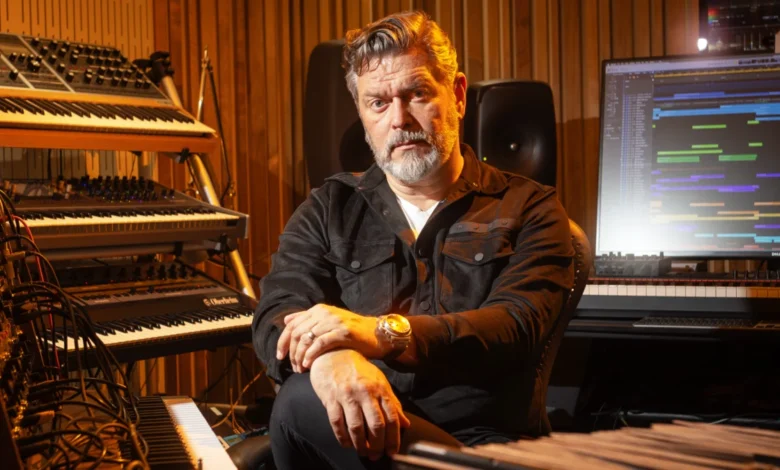
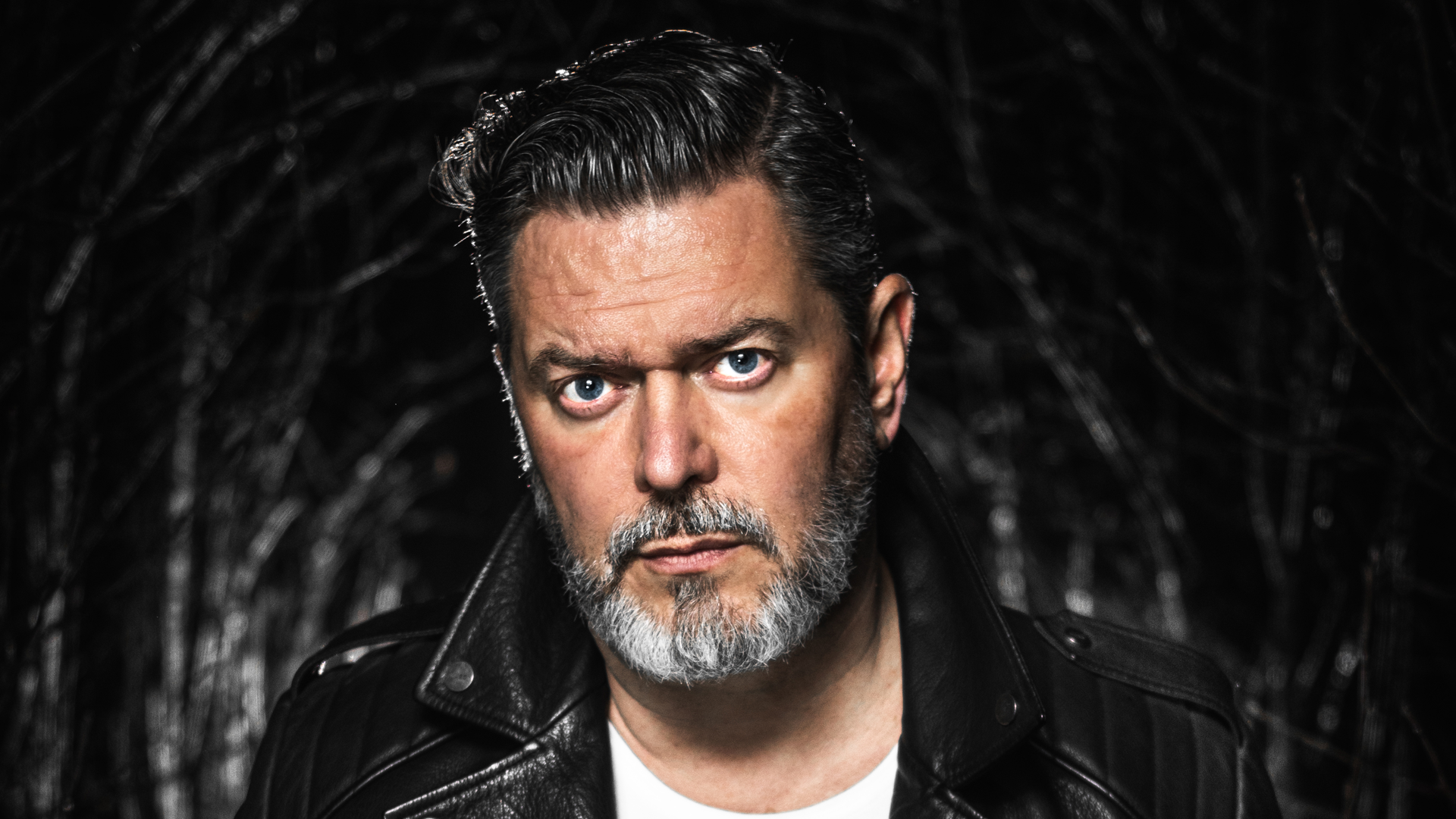
The video game industry has firmly established itself as the preeminent force in modern entertainment, generating annual revenues that dwarf the combined global box office returns of the motion picture industry by a factor of five or six. As gaming has transitioned from a niche hobby into a sophisticated, multi-billion-dollar medium, the artistry driving its production—specifically in music and sound design—has undergone a parallel evolution. At the forefront of this sonic revolution is Finnish composer Petri Alanko, a triple BAFTA-nominated artist whose work with Remedy Entertainment has defined the atmosphere of the "Remedyverse," the interconnected narrative landscape spanning the Max Payne, Alan Wake, and Control franchises.
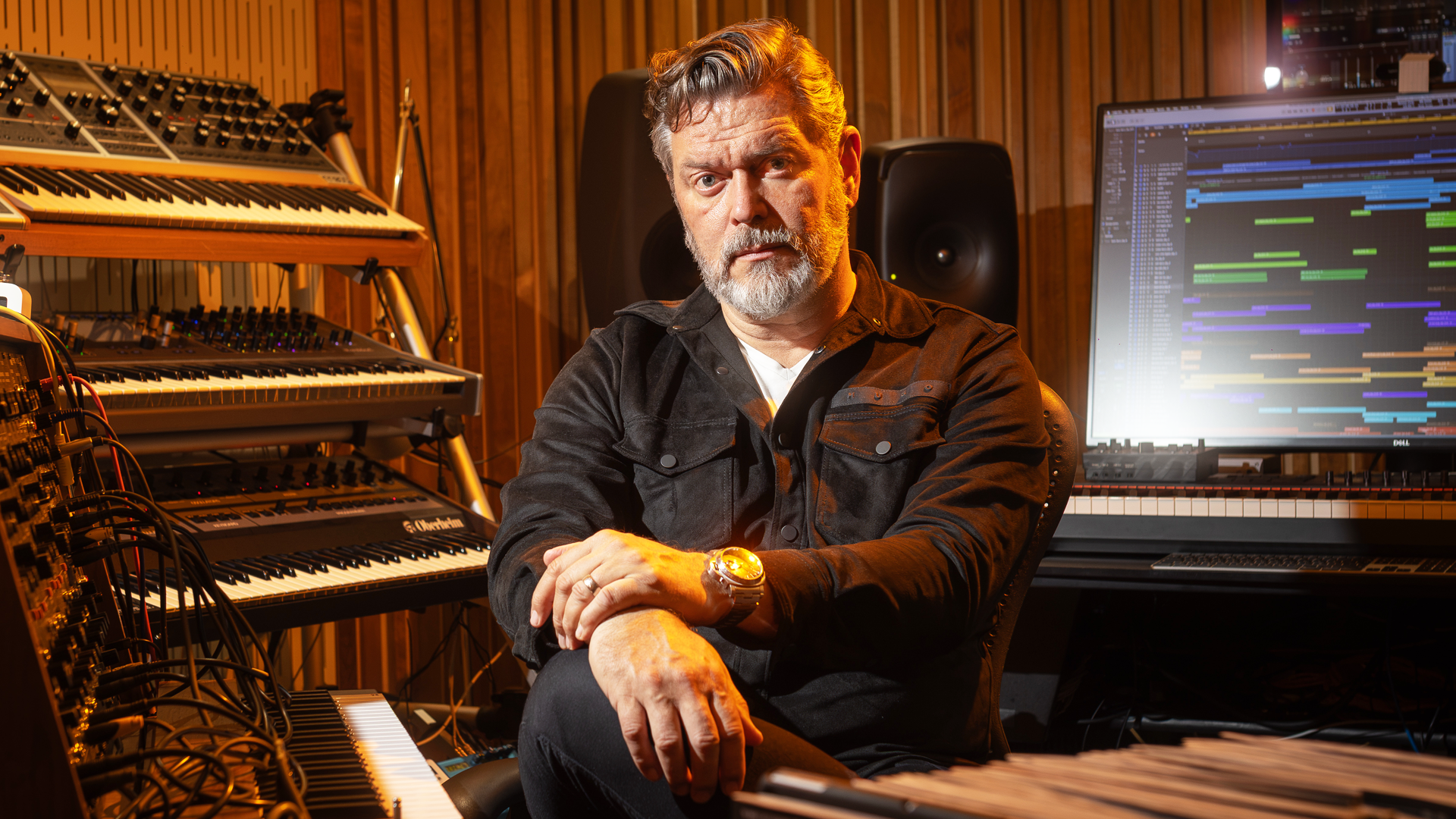
With the release of Control Resonant, the highly anticipated sequel to the 2019 supernatural action title Control, Alanko has once again crafted an expansive, reality-bending score that pushes the boundaries of interactive audio. His approach to this project represents a synthesis of traditional composition, avant-garde sound design, and rigorous technical discipline, reflecting the growing importance of audio as a core narrative engine rather than a mere background accompaniment.
A Chronology of Collaboration and Creative Process
The development of Control Resonant did not occur in a vacuum; it was a staggered process that began in early 2023, even as Alanko was putting the finishing touches on the haunting, critically acclaimed soundtrack for Alan Wake 2. This overlap allowed for a unique cross-pollination of ideas. Alanko notes that the composition process for Remedy projects typically begins with a high-level presentation of the game’s "skeleton"—a proof-of-concept phase where the creative vision is shared with key collaborators.
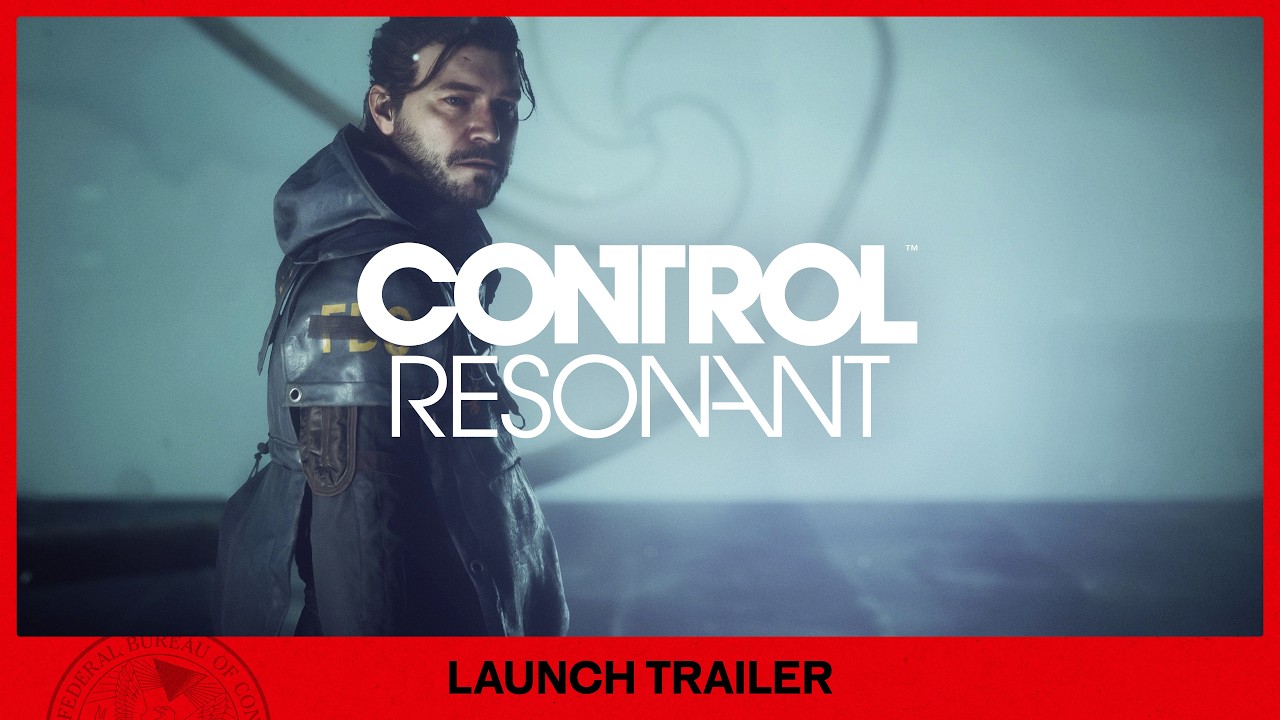
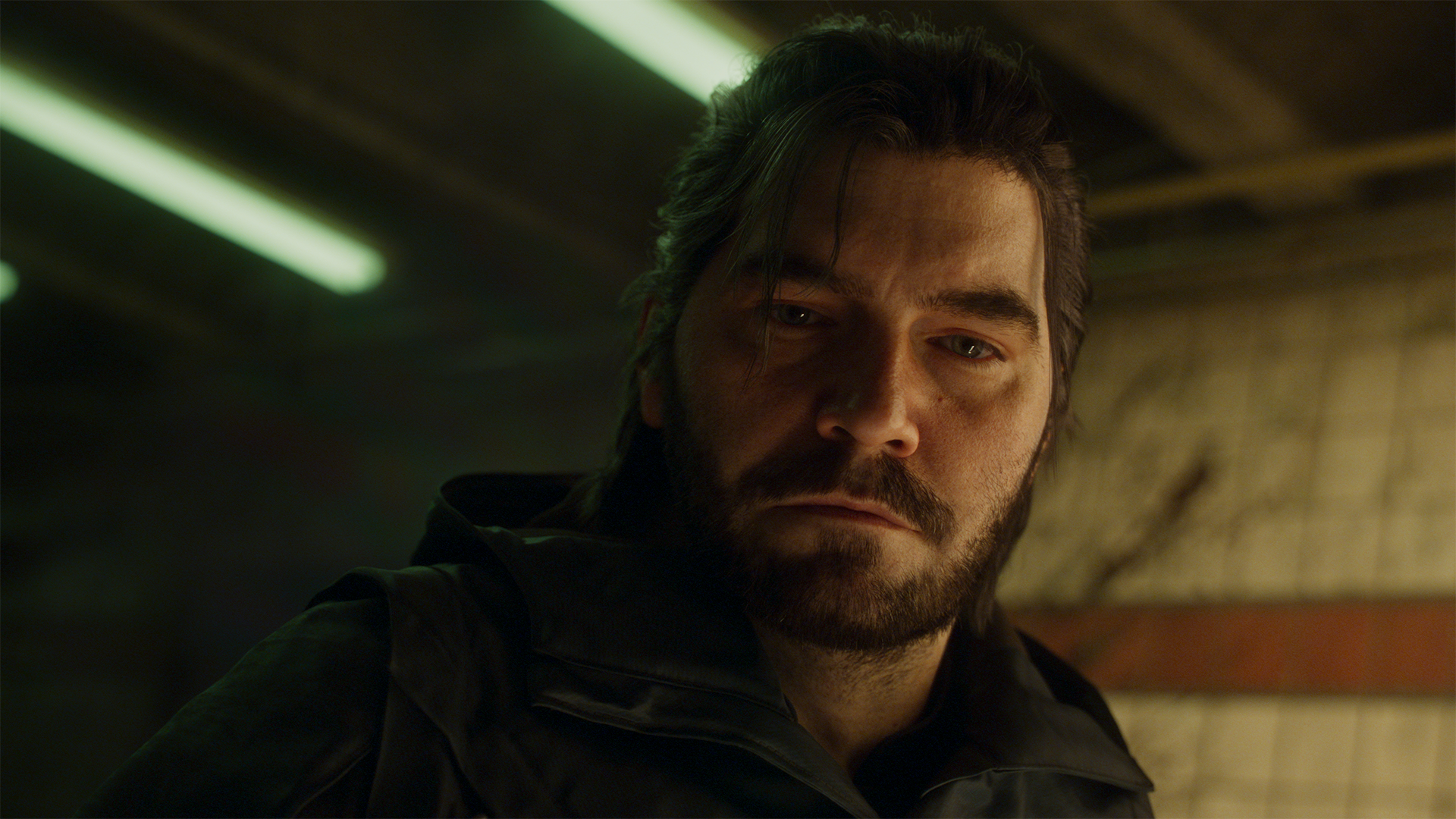
For Control Resonant, the process was deeply influenced by the character of Dylan, portrayed by actor Sean Durrie. Alanko explains that by observing early facial capture footage—often featuring simplistic, white-boxed environments—he was able to map out a narrative arc for the score. Dylan’s history, defined by a loss of identity and a subsequent struggle to rebuild himself, necessitated a musical language that could shift from the void-like "bare minimum" of survival to the high-octane intensity of the game’s combat sequences.
Innovative Sound Design and Technical Methodology
Alanko’s process is characterized by a "no-compromise" attitude toward finding the right sound. This involves an extensive reliance on custom-recorded found sounds, which are then processed through a sophisticated digital and analog chain. For the Control Resonant score, Alanko utilized plastic buckets of various sizes, struck not with traditional wooden drumsticks, but with silicone water pipes. This choice produced a specific acoustic elasticity that, when processed, yielded a unique percussion palette that felt both natural and otherworldly.
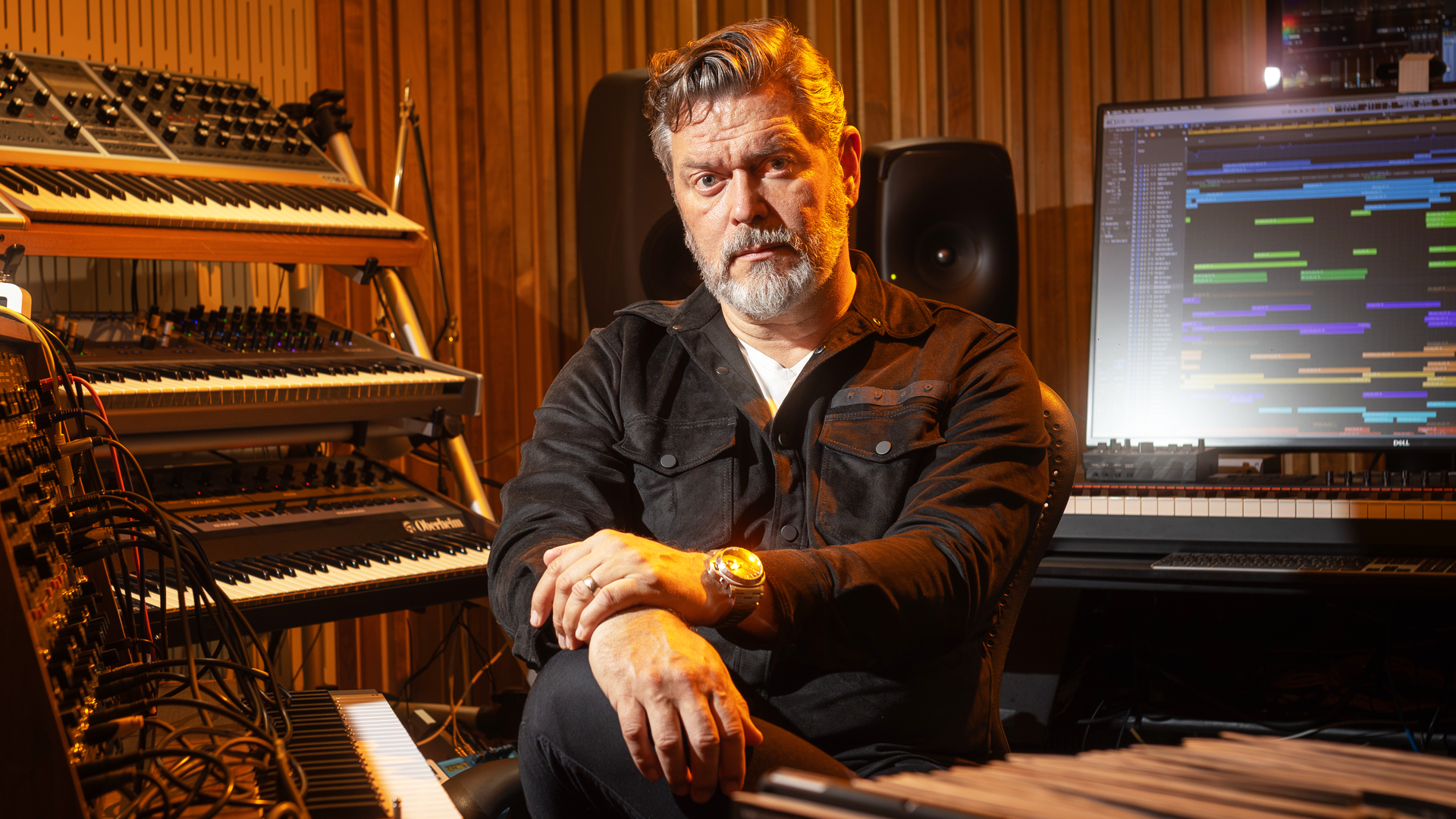
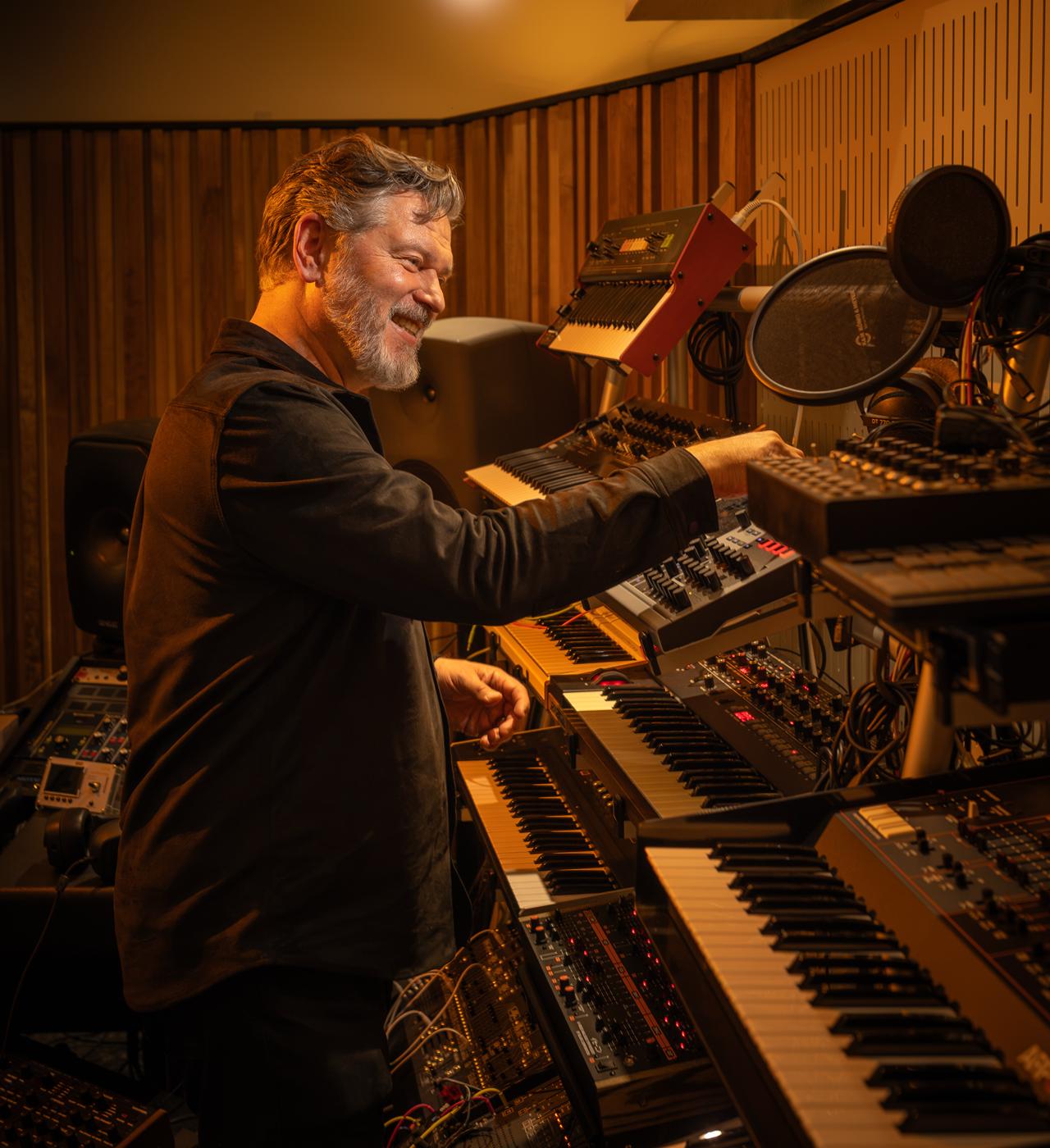
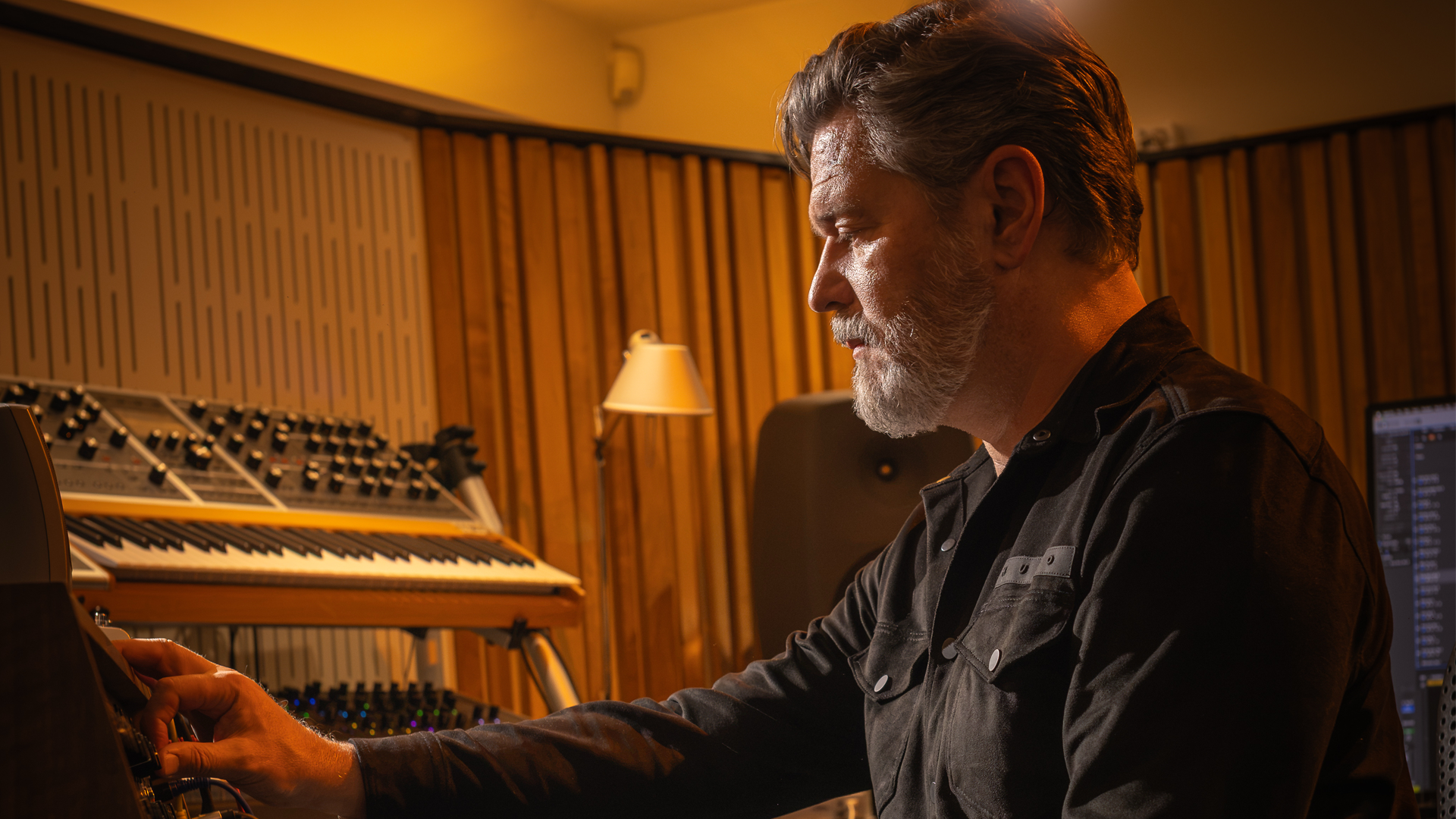
Beyond the physical percussion, Alanko’s studio setup is a testament to his hybrid workflow. He utilizes four Universal Audio Apollo X8 interfaces, a selection of software engines including Kontakt, Reaktor, and FabFilter, and a collection of resurrected 4-track cassette portastudios. The use of vintage tapes, specifically TDK SA-X cassettes, provided a brittle, "demented" texture that helped ground the score’s more synthetic elements.
Alanko’s technical rig also incorporates hardware clones, such as the TTSH (Two Thousand Six Hundred) ARP 2600 clone, which he employs to process his hybrid instruments, such as the "Mega Marvin." This commitment to physical, tangible sound sources—even when they are heavily manipulated—ensures that the music retains a tactile quality that purely virtual instruments often lack.
The Remedyverse: A Subliminal Narrative Thread
The "Remedyverse" is not merely a shared setting; it is a sonic ecosystem. Alanko emphasizes that while Control and Alan Wake have distinct narrative DNA, they share foundational elements such as specific tonal tuning tables and the frequent use of non-harmonic intervals. By maintaining these sonic markers, Alanko creates a sense of continuity that allows players to intuitively understand the interconnectedness of these worlds.
The creative team at Remedy provides Alanko with broad thematic directives, granting him the freedom to experiment. This relationship is built on over two decades of collaboration, fostering a level of trust that allows for unconventional choices—such as the "Sibling Theme," which underwent numerous orchestration rounds before arriving at a minimalist, fragile arrangement that effectively captured the emotional trauma of the protagonists. This "less is more" philosophy is central to Alanko’s success in conveying the intimate human stories embedded within the game’s broader, paranatural scope.
Broader Implications for the Gaming Industry
The complexity of the Control Resonant soundtrack highlights a shift in the gaming industry’s approach to audio. Game music is no longer static; it must be adaptive, responding in real-time to player agency and environmental variables. Alanko’s use of "concept tracks"—lengthy, detailed pieces that encompass the entire emotional and intensity range of a scene—demonstrates the logistical requirements of modern game scoring.
The industry is currently grappling with how to better integrate music engines like Wwise with digital audio workstations (DAWs) like Ableton or Logic. Alanko expresses a desire for a future where these worlds merge, allowing composers to create music directly within the final playback engine. The current, often convoluted process involving multiple intermediaries between the director, the music team, and the composer is an area ripe for optimization. Remedy’s streamlined approach, which minimizes the number of middle-men, serves as a model for efficiency and creative integrity in game development.
Artistic Legacy and Future Directions
Beyond his work in the interactive space, Alanko continues to pursue artistic endeavors under his "Lowland" moniker. His "Classical Trancelations" project, which reimagines electronic dance music classics through orchestral arrangements, has gained a significant following. His upcoming concert in January 2027 at the Helsinki Music House represents an inversion of this concept, where the essence of classical masterpieces will be reinterpreted through the lens of modern production techniques.
The enduring nature of these musical pieces—from the works of Beethoven and Sibelius to contemporary game soundtracks—suggests that music serves as an essential bridge between eras. As Alanko notes, "When you have a hit, you have a hit, no matter what the century was."
The success of the Control Resonant score serves as a case study for the maturation of video game audio. By blending the raw, tactile nature of found-sound recording with the limitless possibilities of modern synthesis, and by grounding the entire production in the deep emotional narratives of the characters, Petri Alanko has proven that the sonic architecture of a game is as critical to its legacy as its graphics or gameplay mechanics. As the industry continues to expand, the role of the composer as a primary storyteller will only become more vital, turning games into not just spaces to play, but environments to experience and feel.