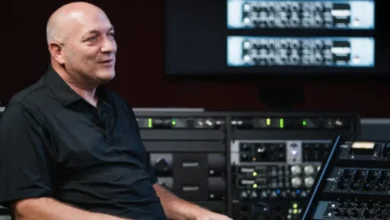
The landscape of modern music production has undergone a profound transformation over the past three decades, shifting heavily toward digital convenience, software-based modeling, and extensive digital signal processing (DSP). However, a counter-movement among veteran studio engineers and recording artists has begun to gain traction, prioritizing workflow efficiency, tactile control, and zero-latency analog pathways. Recent recording sessions and studio workflows highlight a growing reliance on cost-effective, analog amp-in-a-pedal solutions as a viable alternative to complex software suites and expensive boutique tube hardware. This resurgence reflects a broader desire within the industry to eliminate menu-diving, avoid frustrating firmware updates, and restore a direct, highly tactile creative process to guitar tracking.
The Evolution of Direct Recording and Amp Emulation
For decades, tracking electric guitars meant balancing the acoustic physics of a speaker cabinet with the careful placement of high-end microphones in a treated room. When isolation or volume constraints made this impossible, engineers turned to early analog direct-recording devices. Approximately twenty-five years ago, hardware preamps such as the SansAmp GT2 became indispensable studio tools for capturing foundational guitar tones straight into a mixing console or tape machine. These units bypassed the need for a physical amplifier by employing analog circuitry to mimic the harmonic saturation, EQ curves, and cabinet responses of classic American and British stack and combo amplifiers.
As computing power increased, the industry pivoted toward software amp simulations and high-end digital hardware modelers. While these digital solutions offered near-infinite routing options, impulse response loading, and massive preset libraries, they also introduced distinct drawbacks. Many producers and session players report that the sheer volume of choices can paralyze the creative workflow. Staring at a computer screen to adjust virtual microphone angles or navigating multi-layered digital menus often breaks the psychological momentum essential for capturing authentic performances. Furthermore, hardware modelers frequently carry steep price tags that put them out of reach for independent musicians and project studio owners working on tight budgets.
The Case for Tactile, Budget-Friendly Analog Pedals
In response to digital fatigue, a segment of the recording community has re-embraced dedicated analog stompboxes designed to emulate specific amplifier topologies. Modern budget-friendly iterations of classic amp-modeling pedals offer a streamlined alternative that bridges the gap between raw hardware feel and economic accessibility. Operating entirely in the analog domain, these devices require no boot time, feature zero processing latency, and rely exclusively on physical potentiometers for real-time parameter adjustments.
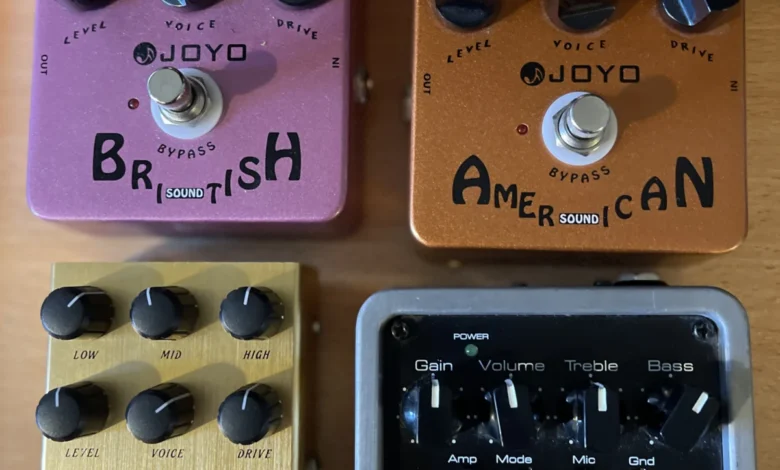
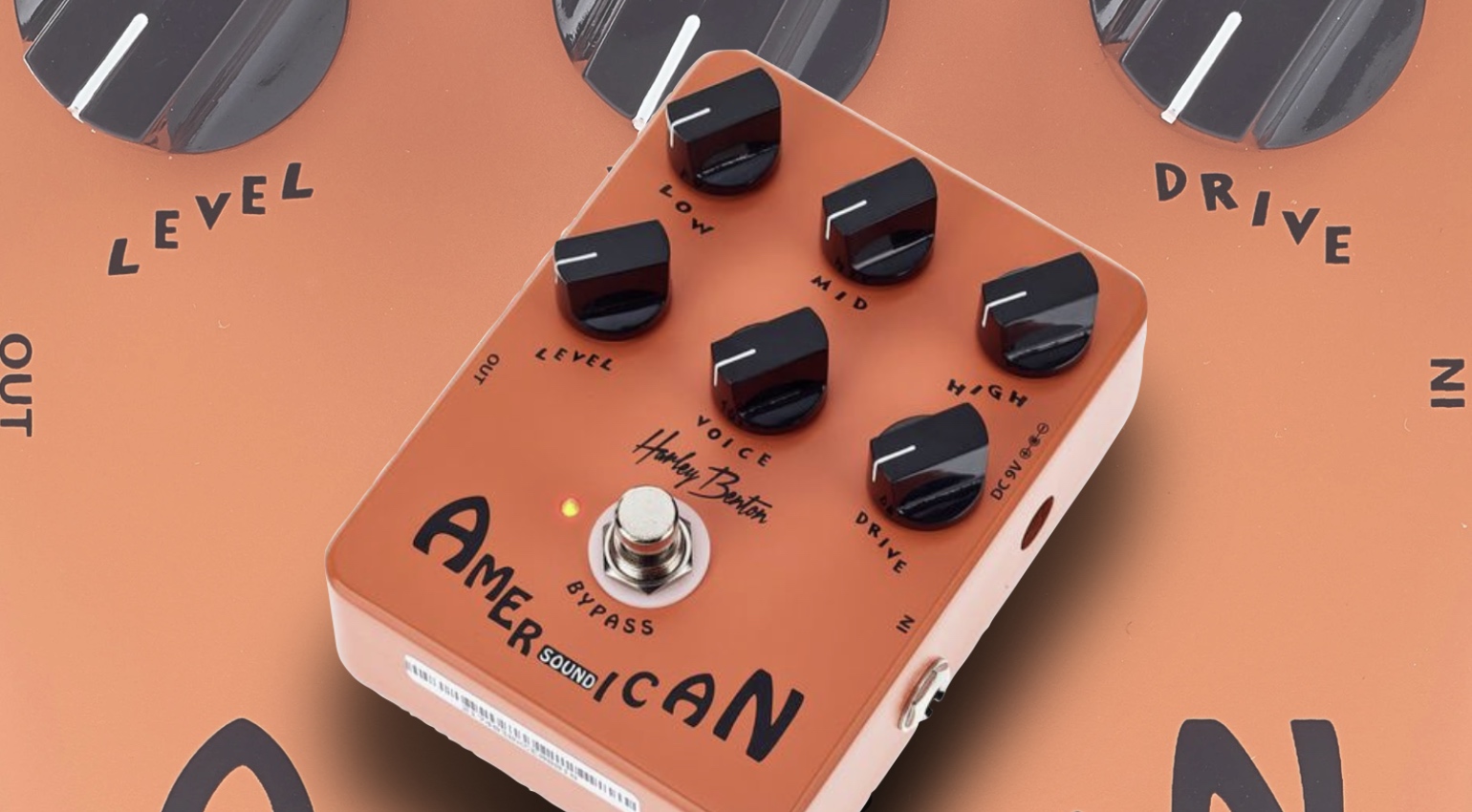
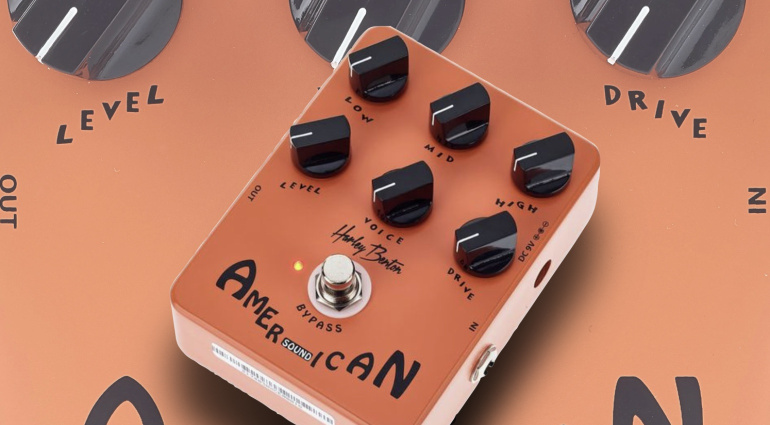
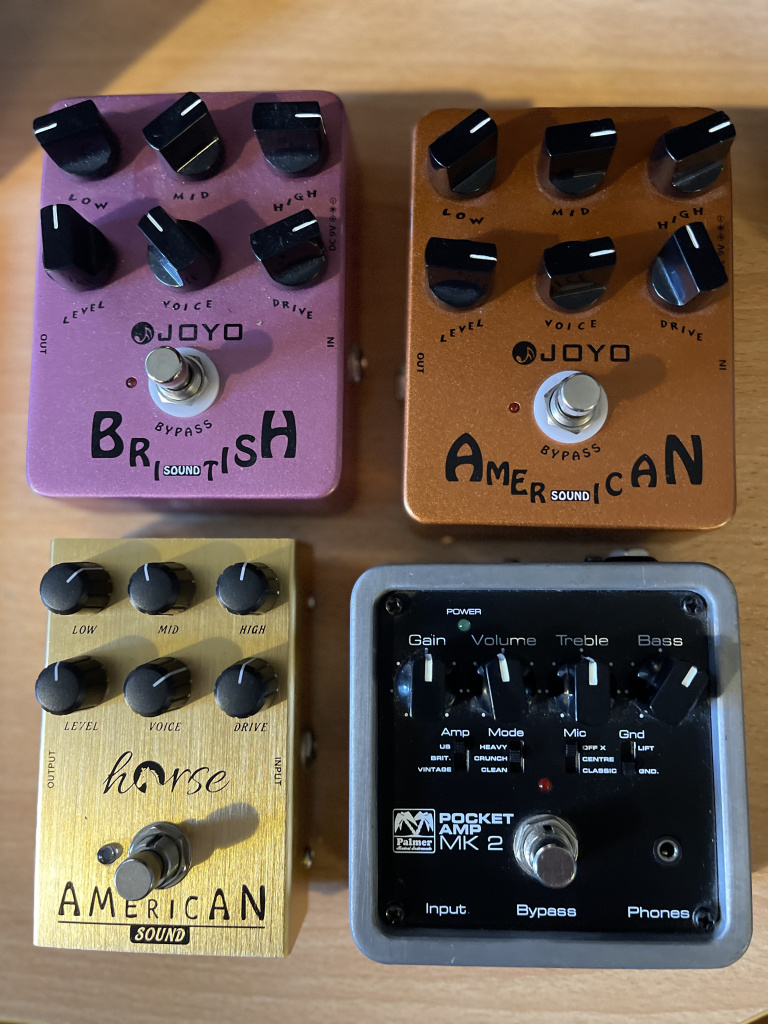
Among the hardware leading this charge are affordable direct-injection solutions that inherit the circuit designs of historical analog pioneers. The Palmer Pocket Amp MK2, for example, serves as a modern staple for engineers seeking flexible, portable tone-shaping. Offering a feature set closely aligned with traditional analog amp simulators, it incorporates essential utilitarian additions such as a ground-lifted XLR direct output, making it exceptionally well-suited for direct integration into mixing consoles and audio interfaces without requiring an intervening direct box. Similarly, units like the Harley Benton American TrueTone and its architectural equivalents—often marketed under brands like Joyo and Horse—replicate the sought-after breakup and dynamic response of mid-century Fender-style amplifiers at a fraction of the cost. These pedals typically utilize robust analog op-amp and diode-clipping configurations to emulate not just clean headroom, but also the dynamic compression and harmonic distortion characteristic of overdriven vacuum tubes.
Technical Analysis: Integrating Analog Preamps into Modern DAW Workflows
From an engineering perspective, utilizing analog amp pedals as direct-recording front ends offers distinct technical advantages within a Digital Audio Workstation (DAW) environment. By committing a core analog tone directly to the audio track during tracking, producers lock in the dynamic interaction between the guitar’s pickups and the preamp’s input stage. This approach mirrors the traditional method of committing a miked amplifier performance to tape, forcing decisive artistic choices early in the production pipeline rather than deferring tone-shaping decisions to the mix phase.
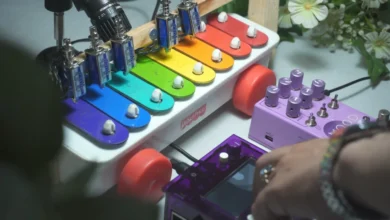
Furthermore, these pedals demonstrate remarkable versatility beyond traditional guitar duties. Studio experiments consistently show that running synthesizers, drum machines, and electronic percussion through budget analog amp simulators introduces desirable harmonic saturation, subtle analog warmth, and controlled low-end compression. This technique allows producers to inject organic grit and vintage character into sterile digital tracks without investing in expensive outboard hardware saturation units.

Industry Implications and Broader Studio Trends
The continued relevance of affordable analog amp pedals underscores a broader consumer and professional trend favoring workflow optimization over feature bloat. While flagship digital modelers will always retain a vital place in arena touring and highly automated pop production environments, the project studio demographic values reliability, ease of use, and low financial risk.
As manufacturing efficiencies in regions such as East Asia continue to lower the production costs of robust analog circuitry, musicians have unprecedented access to professional-grade recording tools that perform reliably under pressure. Whether utilized as primary tone-shaping devices in a modest home studio or kept as reliable backups in a professional gig bag, these budget-friendly analog solutions prove that exceptional guitar recording does not require complex digital interfaces or exorbitant capital investment. By stripping away non-essential features and focusing strictly on tactile, responsive analog tone, these devices secure their place as enduring staples of contemporary music production.