The Enigmatic Legacy of Willis Alan Ramsey: Inside the Enduring Myth of a Texas Songwriting Legend

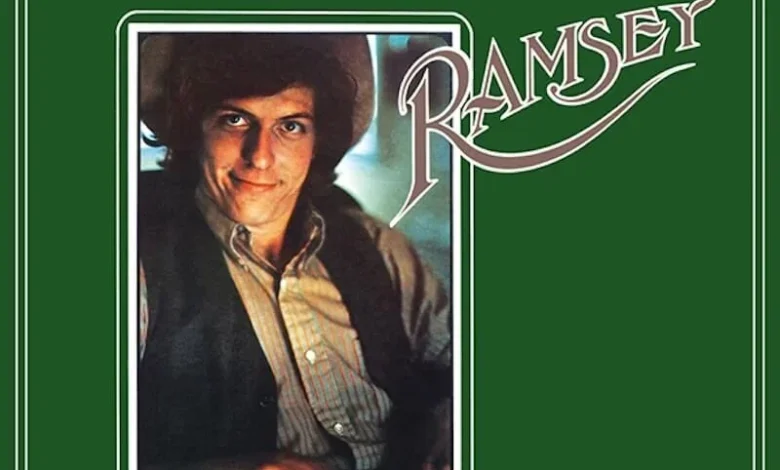
More than half a century after the release of his seminal 1972 self-titled debut album, Willis Alan Ramsey continues to occupy a unique and paradoxical position in American music history. Revered by peers and critics alike as one of the architects of the modern Texas singer-songwriter movement, Ramsey is equally defined by what he did not do: follow up a masterpiece. Despite never releasing a sophomore record, Ramsey’s influence looms large over the Americana, folk, and country landscapes. Now, with a landmark first-ever vinyl reissue of his debut record and a rare string of live performances, the elusive artist has stepped back into the public eye, signaling that his musical journey may not be entirely over.
The Making of a 1970s Masterpiece
To understand the enduring fascination with Willis Alan Ramsey, one must examine the cultural landscape of Austin, Texas, in the early 1970s. Released via Shelter Records—the label founded by Leon Russell and Denny Cordell—Willis Alan Ramsey arrived with little commercial fanfare but instantly captivated the cognoscenti. Recorded in various studios across Nashville, London, and Texas, the album featured an eclectic blend of genres that defied easy categorization. It seamlessly fused blues, country, folk, barrelhouse piano, and swamp-pop into a cohesive statement of rustic brilliance.
The record featured tracks that would go on to achieve legendary status. Most notably, Muskrat Love became a major commercial hit for Captain & Tennille in 1976, while America covered Satin Sheets. Other standout tracks, such as Northeast Texas Women and Geraldine and the Cotton Picker, showcased Ramsey’s gift for vivid storytelling, sharp wit, and deep observational empathy. Unlike many of his contemporaries who churned out albums annually to capitalize on shifting trends, Ramsey crafted a tight, eleven-song collection that felt fully formed, mature, and timeless upon arrival.
A Chronology of Silence and Mythmaking
The timeline of Ramsey’s career is defined by high achievement followed by near-total withdrawal from the traditional music industry machinery.
- 1960s: Emerging from the fertile folk and blues clubs of Austin, Ramsey hones his craft alongside a generation of Texas songwriters who would redefine American roots music.
- 1972: Shelter Records releases Willis Alan Ramsey to critical acclaim. The album establishes him as a prodigious talent with limitless potential.
- Mid-to-late 1970s: Expectations for a follow-up album reach a fever pitch. Ramsey signs deals, enters studios, and records material, but famously scraps projects, citing dissatisfaction with the production or the songs themselves.
- 1980s–1990s: Ramsey retreats from the grueling touring circuit, performing only sporadically. He focuses on songwriting, family life, and business ventures, all while his debut album achieves cult status among successive generations of musicians.
- 2000s–2010s: Periodic rumors of a second album circulate within music industry circles. Ramsey occasionally plays live shows, treating audiences to new compositions that never make it to a recording studio.
- Present Day: The release of the first-ever official vinyl reissue of his debut album brings renewed attention to his catalog, paired with rare live appearances that prove his vocal and instrumental prowess remain intact.
Industry Reactions and Peer Reverence
While the general public may view Ramsey as a one-hit wonder of the critical variety, his standing within the professional songwriting community is nothing short of venerated. Throughout the decades, legendary artists have championed his work, viewing his refusal to play the commercial game as a badge of artistic integrity.
Songwriters often point to Ramsey’s meticulous craftsmanship as a standard to aspire to. In interviews, contemporary Texas troubadours frequently cite Northeast Texas Women as a masterclass in regional character study and rhythmic phrasing. Industry insiders note that Shelter Records executive Denny Cordell placed immense faith in Ramsey, giving him the creative freedom that ultimately allowed the artist to walk away from the recording process when it ceased to align with his exacting standards.
Record label executives involved in the recent vinyl reissue project have emphasized the logistical and legal hurdles required to bring the classic album back to physical shelves in a premium format. Audiophile labels and vintage enthusiasts have praised the reissue for preserving the dynamic range and warm analog production of the original 1972 master tapes.
Data and Market Impact
Though commercial data for cult releases from the early 1970s can be difficult to quantify through modern streaming metrics alone, the enduring footprint of Ramsey’s work is evident in several key areas:
- Streaming Longevity: Tracks like Muskrat Love and Northeast Texas Women continue to accumulate hundreds of thousands of streams annually across platforms like Spotify and Apple Music, sustained primarily by word-of-mouth recommendations among roots music enthusiasts.
- Vinyl Collectibility: Prior to the recent reissue, original pressing vinyl copies of the 1972 Shelter Records LP routinely commanded high prices on the secondary collector market, often selling for multiples of their original retail value.
- Cover Versions: The commercial success of songs penned by Ramsey—most notably Captain & Tennille’s chart-topping rendition of Muskrat Love, which reached number four on the Billboard Hot 100—demonstrates the universal appeal and crossover viability of his songwriting.
Broader Implications for the Singer-Songwriter Tradition
The ongoing narrative surrounding Willis Alan Ramsey touches on a broader philosophical question within the music industry: What is the true measure of an artist’s success? In an era characterized by relentless content creation, algorithmic playlisting, and pressure for constant output, Ramsey’s career stands as a deliberate rejection of modern commercial imperatives.
By refusing to release a rushed follow-up album, Ramsey protected the singular integrity of his debut. In doing so, he transformed himself from a standard pop-chart hopeful into a mythical figure of American music. The decision to remain silent rather than compromise has granted his catalog a rare aura of perfection. Each song on his lone album is scrutinized and celebrated not as part of a sprawling, uneven discography, but as a standalone masterpiece.
Furthermore, Ramsey’s recent return to the live stage and the long-overdue vinyl reissue suggest a fascinating epilogue to his career. Rather than fading entirely into obscurity, he has chosen to reengage with his legacy on his own terms. Whether a second album will finally materialize remains secondary to the fact that Ramsey is actively shaping how his story is told, reminding listeners of the power of patience, uncompromising artistic vision, and the enduring resonance of great American songwriting.