Remembering Philipp Jung: The Visionary Co-Founder of M.A.N.D.Y. and Get Physical Music Leaves a Lasting Legacy on Electronic Music

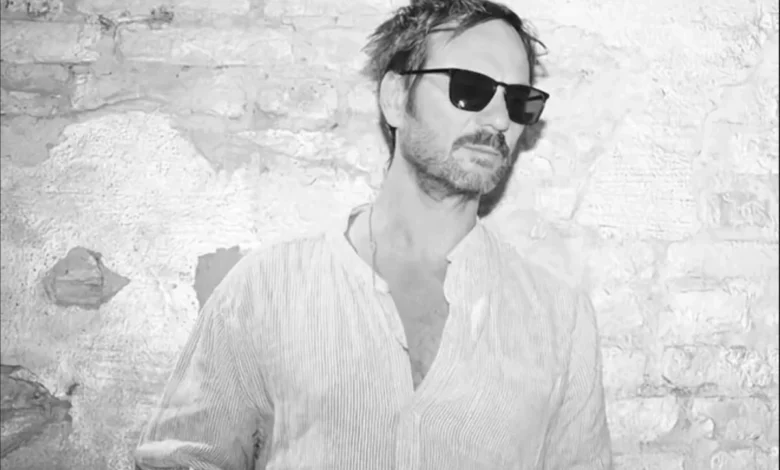
The global electronic music community is mourning the loss of Philipp Jung, the visionary DJ, producer, and cultural architect who co-founded the legendary dance music duo M.A.N.D.Y. and the influential Berlin-based record label Get Physical Music. Jung passed away at the age of 55, leaving behind a monumental body of work that fundamentally reshaped the sonic landscape of underground house and techno throughout the 2000s and beyond.
As half of M.A.N.D.Y. alongside childhood friend Patrick Bodmer, Jung helped pioneer a sophisticated, melodic, and groove-driven alternative to the harsher, industrial techno dominating parts of Europe at the turn of the millennium. His sudden passing has prompted an outpouring of grief, remembrance, and tributes from across the international dance music ecosystem, with peers, collaborators, and institutions celebrating his profound artistic impact, warm temperament, and unwavering dedication to nurturing creative talent.
Main Facts and the Shaping of a Modern Electronic Institution
Philipp Jung’s footprint on electronic music is defined by two primary pillars: his artistry as part of M.A.N.D.Y. and his entrepreneurial acumen as a co-founder and driving force behind Get Physical Music. Established in 2002 in Berlin, Get Physical quickly evolved from an ambitious local boutique label into an international powerhouse. Jung founded the imprint alongside Patrick Bodmer, Thomas Koch (better known as DJ T.), and the members of production outfit Booka Shade (Walter Merziger, Arno Kammermeier, and Peter Hayo).
Under Jung’s curatorial direction, Get Physical became synonymous with high-end, emotionally resonant electronic music. The label provided a home for sophisticated house, minimal techno, and eclectic crossover sounds that bridged the gap between underground credibility and broader dancefloor accessibility. Releases on the imprint routinely set the standard for European club culture during the golden era of minimal house.
Beyond the flagship label, Jung’s curatorial vision expanded through the creation of sister imprints. He helped steer the creative direction of Kindisch, a label dedicated to deeper, more hypnotic, late-night, and experimental sonic explorations. In later years, he spearheaded METAPHYSICAL, an LP-focused imprint designed to explore indie-dance, ambient soundscapes, and non-traditional club structures, proving that his artistic curiosity remained boundless even as his career matured.
Chronology of a Storied Career
Philipp Jung’s journey into the heart of electronic music culture spanned several distinct phases, marked by deep-seated friendships, technological shifts, and a relentless commitment to sonic innovation.
The Formative Years and the Birth of M.A.N.D.Y.
Jung and Patrick Bodmer grew up together in Saarbrücken, Germany, where they immersed themselves in the burgeoning European club culture of the early 1990s. Bonded by a shared passion for eclectic music—ranging from post-punk and disco to early Detroit techno and Chicago house—the pair eventually relocated to Berlin, which was rapidly solidifying its status as the global epicenter of electronic music.
In the early 2000s, Jung and Bodmer officially formed M.A.N.D.Y. (an acronym reflecting their distinct personalities and shared ethos). The duo quickly established a reputation for their exceptional DJ sets, which blended warmth, sensuality, and driving momentum. Their production output soon matched their live reputation. Tracks like “Tonite” and, most notably, their 2005 anthem “Body Language” (a collaboration with Booka Shade), became generational touchstones. “Body Language” in particular transcended underground circles, earning critical acclaim and heavy rotation across international radio stations, fashion runways, and club floors worldwide, cementing the duo’s status as global stars.
Label Building and Global Expansion
Concurrent with their touring success, Jung and his partners launched Get Physical in 2002. The label’s early releases captured the zeitgeist of Berlin’s creative resurgence. Jung played an instrumental role in shaping the label’s identity, bridging the gap between European club culture and North American electronic audiences through strategic licensing, international showcases, and a keen eye for emerging talent.
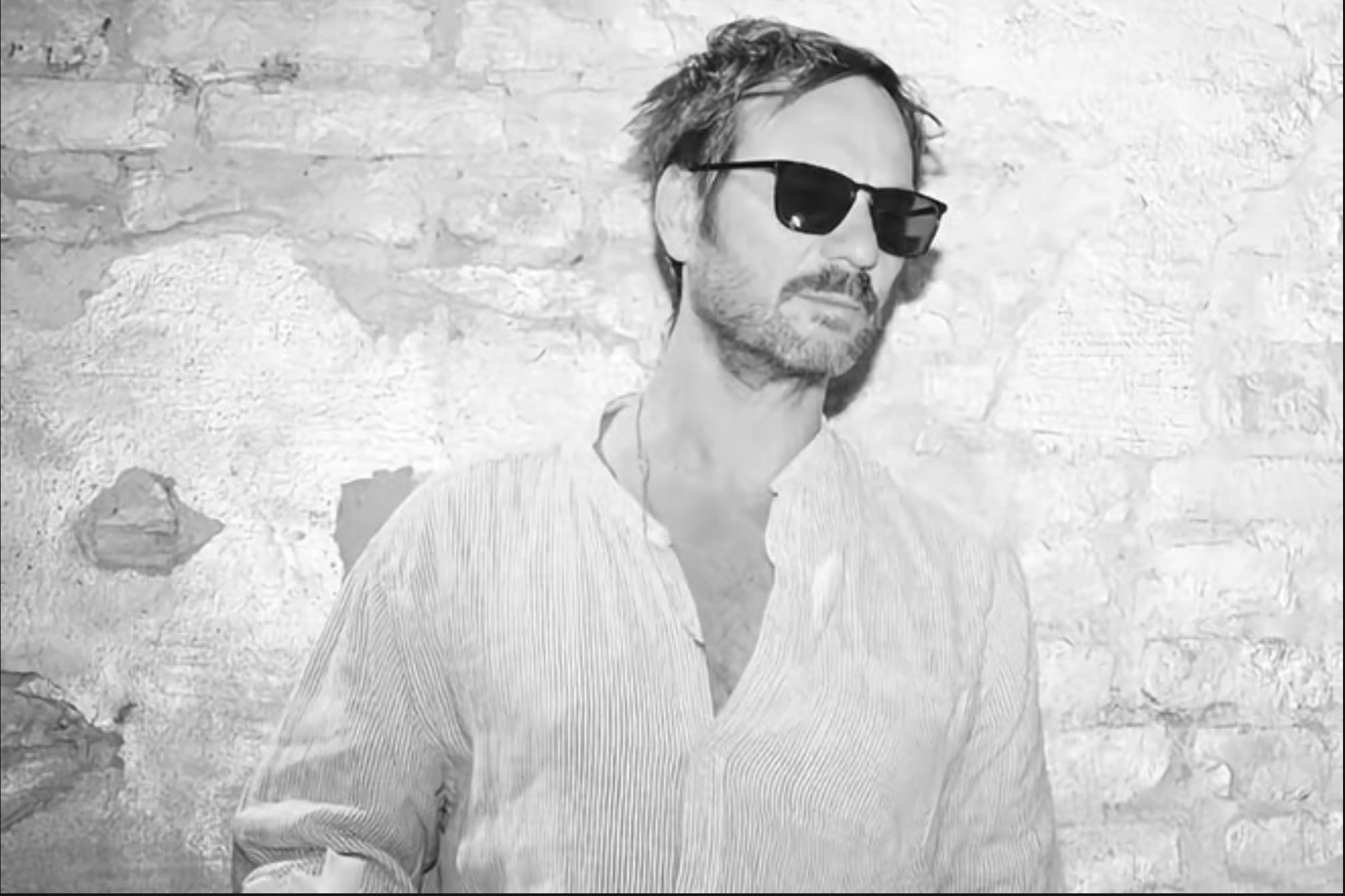
During the height of M.A.N.D.Y.’s touring schedule, Jung logged hundreds of thousands of miles, performing at premier venues and festivals across the globe, from fabric in London to DC10 in Ibiza and the world’s most prominent desert and warehouse stages.
Transition, Health, and Recent Projects
After nearly two decades of relentless international touring, the physical and mental toll of the lifestyle prompted Jung to reevaluate his priorities. Around 2018, he made the conscious decision to step back from the heavy touring schedule associated with M.A.N.D.Y. to focus on his health, his family, and the administrative and creative stewardship of his record labels.
In recent years, Jung divided his time between Berlin and Costa Rica, finding peace and creative rejuvenation in nature. Far from retiring, he channeled his energy into archival and educational projects. He curated retrospective releases such as the Rewind Forward Vol. 1 compilation series, which revisited foundational moments in the Get Physical catalog while introducing classic tracks to a new generation of listeners. He also actively mentored younger producers, remaining a generous and active participant in the global electronic music community.
Supporting Data and Industry Influence
To understand Philipp Jung’s impact, one must look at the quantitative and qualitative footprint of Get Physical Music over the past two decades.
- Catalog Depth: Since its inception in 2002, Get Physical has released hundreds of singles, EPs, and full-length artist albums, serving as a vital career launchpad for numerous electronic music luminaries.
- Global Reach: The label has hosted branded stage takeovers and showcase events at major festivals worldwide, including Sonar, Tomorrowland, and Time Warp.
- Collaborative Ecosystem: The partnership between M.A.N.D.Y., Booka Shade, and DJ T. represented one of the most successful collaborative business models in independent electronic music, demonstrating that cooperative label management could rival major-label distribution networks in terms of global influence.
Official Responses and Tributes
Following the announcement of his passing, the electronic music community flooded digital platforms and trade publications with tributes, remembering Jung not only as an exceptional artist but as a warm, generous, and principled human being.
Long-time creative partners, contemporary DJs, and music journalists noted his humility and sharp intellect. Publications such as Resident Advisor compiled extensive collections of artist statements, highlighting how deeply respected Jung was within the tight-knit global house and techno community. Media outlets, including XLR8R—with which Jung maintained a decades-long friendship and collaborative relationship—expressed profound grief, emphasizing his foundational role in shaping modern electronic music discourse.
Colleagues remembered his infectious laugh, his razor-sharp curatorial ear, and his unwavering loyalty to his friends. Unlike many figures in the music industry driven solely by commercial metrics, Jung maintained an artist-first mentality, frequently using his platform to elevate under-recognized producers and foster a sense of familial community within his labels.
Broader Impact and Implications for the Electronic Music Landscape
The passing of Philipp Jung marks the end of an era for a specific generation of Berlin-based electronic music pioneers who defined the transition from analog-leaning club cultures to the digital era of independent label curation.
Jung’s career offers a blueprint for longevity in an industry frequently characterized by burnout and ephemeral success. By successfully pivoting from a high-intensity global touring schedule to a sustainable, studio- and label-centric existence later in life, he demonstrated how artists can maintain creative relevance across decades without sacrificing personal well-being.
Furthermore, the enduring legacy of Get Physical Music and its sister imprints ensures that Jung’s aesthetic philosophy—one that prioritizes emotional resonance, rhythmic sophistication, and cross-genre experimentation—will continue to influence future generations of producers. As the electronic music community reflects on his contributions, Philipp Jung’s spirit remains woven into the very fabric of global club culture, ensuring that his music, his labels, and his vision will resonate for decades to come.