Brazil consumer protection agency investigates BTS concert screen reductions amid massive fan backlash

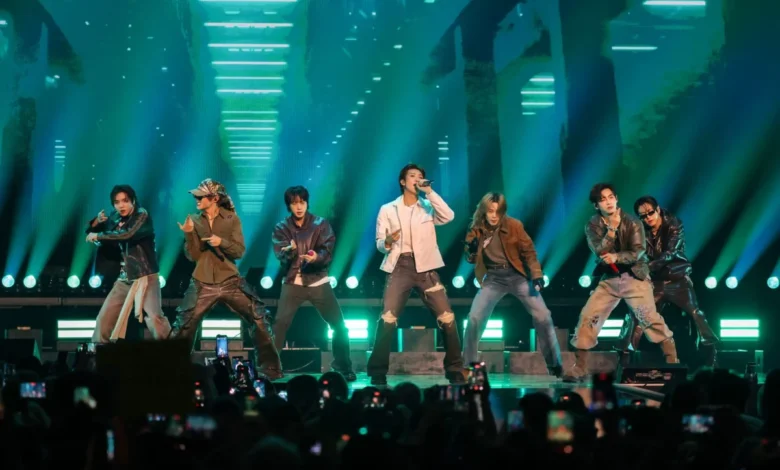
The National Consumer Secretariat (Senacon) of Brazil has officially launched an inquiry into Live Nation Brasil and Ticketmaster Brasil regarding the production quality of the South American leg of BTS’s record-breaking ARIRANG world tour. The intervention follows a wave of formal complaints from the band’s fanbase, known as ARMY, who allege that the concert experience in South America has been compromised by a significant reduction in audiovisual hardware compared to tour dates in other regions.
The regulatory scrutiny centers on the upcoming final shows of the South American leg, scheduled for October 28, 30, and 31 at the Estádio do MorumBIS in São Paulo. These performances mark the culmination of a regional tour that has already passed through Colombia, Peru, Chile, and Argentina. The ARIRANG world tour, which debuted in April 2026, has already established itself as one of the most lucrative concert series in history, having generated over $500 million in gross revenue to date.
Chronology of the Controversy
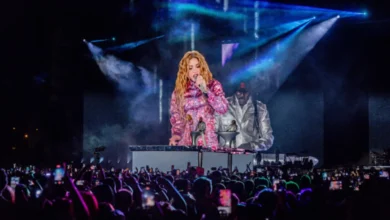
The tension between fans and the tour organizers began shortly after the South American dates commenced. Fans attending earlier shows in the region noted that the stage configuration featured only four main LED screens, a stark contrast to the 12 screens utilized during the North American, European, and Asian legs of the tour.
Social media platforms became hubs for organized protest, with fans sharing side-by-side comparisons of stage layouts from different continents. By mid-October, these grievances moved from digital forums to official channels. On Thursday, October 22, the mounting pressure prompted Senacon to take formal action, demanding that Live Nation and Ticketmaster provide a comprehensive explanation for the discrepancy in production values.
The Regulatory Position
Ricardo Morishita, the National Consumer Secretary, underscored that the investigation is not merely about aesthetic preference but about the fundamental rights of the consumer. In a statement released on Friday, October 23, Morishita emphasized that Brazilian consumer law mandates absolute transparency in the sale of services.

“The problem lies in the way tickets are being sold and the information being provided about the stage setup,” Morishita noted. “Consumers are entitled to receive exactly what was advertised. We are currently evaluating whether the change in stage configuration constitutes a violation of the principle of accurate and clear information, which is a cornerstone of our consumer protection statutes.”
Senacon’s inquiry is multi-faceted. The agency is demanding that the promoters disclose the technical specifications of the audiovisual setup used in Latin America, justify the decision to alter the configuration from the international standard, and clarify whether the reduction in screen count was disclosed to ticket buyers at the point of sale. Specifically, officials are investigating if the modified setup creates “blind spots” or visibility limitations for attendees in the upper tiers or back-row sections of the stadiums, potentially rendering the purchased tickets less valuable than originally promised.
Promoter and Stakeholder Responses
Live Nation Brasil issued a formal response on Monday, October 26, defending its production standards. The company stated that the current stage setup is fully compliant with the event maps and technical documentation released to the public when ticket sales opened in April 2026.
According to the official statement, the production was designed as a 360-degree experience, utilizing a central tower with four integrated LED screens. Live Nation argued that this configuration was necessary due to the unique logistical and scheduling constraints inherent in navigating a massive stadium tour across multiple South American territories. The company maintained that these adjustments were essential to ensure that the tour remained viable and could reach the maximum number of fans across the region, implying that the alternative would have been fewer shows or a complete cancellation of the South American leg.
HYBE, the parent company of Big Hit Music and the creative force behind BTS, has remained largely silent on the matter as of late October. However, the stakes for the organization are high. With the ARIRANG tour driving HYBE’s revenues to record-breaking levels in 2026, the company is under pressure to maintain the reputation of the BTS brand, which is closely tied to the high-production value of its live performances.
Broader Impact and Market Implications
The investigation in Brazil highlights a growing tension in the global live music industry: the conflict between logistical scalability and the expectations of a highly globalized, hyper-connected fanbase. As stadium tours become increasingly complex and expensive, promoters often face the challenge of balancing production costs against ticket affordability in different economic markets.

Industry analysts observe that this case could set a significant precedent for how international tours are marketed in Latin America. If Senacon finds that the promoters failed to provide adequate information, it could lead to fines or, more importantly, a requirement for mandatory disclosures on all future large-scale events in the region.
Furthermore, the long-term relationship between Live Nation and the Estádio do MorumBIS—bolstered by a booking agreement that extends through 2031—means that the outcome of this investigation will be closely watched by venue operators and promoters throughout the Southern Hemisphere. For Live Nation, which has doubled down on its strategy to expand its footprint in Latin America, maintaining the trust of the local concert-going public is critical to its long-term growth strategy.
Analysis: The Evolution of Fan Expectations
The scale of the backlash against the reduced screen count is a testament to the influence of the modern digital fan community. In the past, discrepancies in concert production between regions were often overlooked or unknown to the general public. Today, the ubiquity of high-definition video uploads to social media means that fans in São Paulo can instantly compare their experience to a show in Las Vegas or Seoul.
This creates an environment where “parity of experience” has become an implicit expectation for global tours. When a massive act like BTS tours, fans expect a uniform standard of performance, regardless of geographic location. Any perceived reduction in production quality is quickly interpreted not as a logistical necessity, but as a lack of respect for the local audience.
As the ARIRANG tour prepares to move into its next phase in Asia, the pressure on HYBE and its partners to reconcile these logistical realities with fan expectations will only intensify. The outcome of the Brazilian inquiry will likely serve as a case study for the industry, emphasizing the necessity of radical transparency in marketing. As ticket prices continue to rise globally, the burden of proof rests on organizers to demonstrate that the value provided aligns with the premium prices paid by the fans.
For now, the thousands of fans set to descend upon MorumBIS Stadium remain in a state of uncertainty. While the music and the spectacle of the ARIRANG tour are expected to remain world-class, the debate over the technical infrastructure serves as a reminder that in the era of globalized pop culture, the smallest details of a stage design can carry the weight of a major legal controversy. The conclusion of the Senacon investigation will provide the first definitive answer as to whether these changes were a reasonable logistical compromise or a breach of the contract between one of the world’s biggest acts and its most dedicated supporters.