Celebrating the Life and Legacy of Dylan Thomas Through a Curated Folk Music Mixtape Highlighting Welsh Culture and Heritage

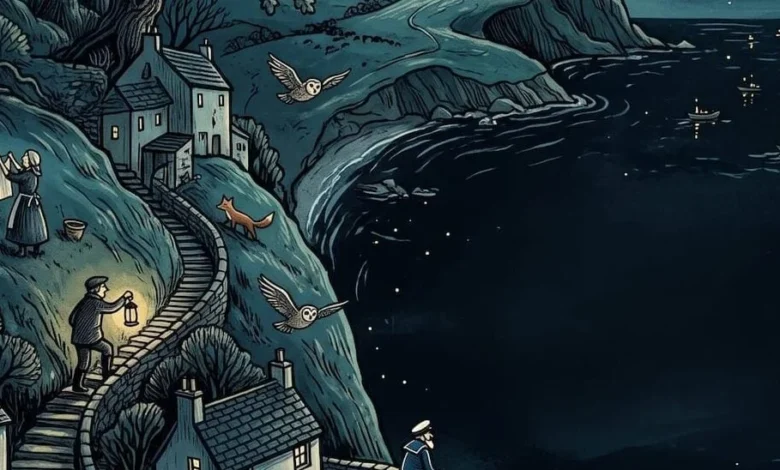
Today marks the birth anniversary of Dylan Thomas, one of the most celebrated and distinct literary figures of the twentieth century. Born on October 27, 1914, in Swansea, Wales, to a middle-class family—his father a schoolteacher and his mother a seamstress—Thomas grew up to become a defining voice in modern poetry and prose. To commemorate his enduring cultural footprint, cultural archivists and music curators are directing public attention back to a specialized audio feature: a thematic mixtape that transports listeners directly to the fictional, sleepy Welsh seaside village of Llareggub, the vivid setting of Thomas’s masterwork radio play, Under Milk Wood.
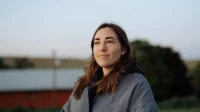
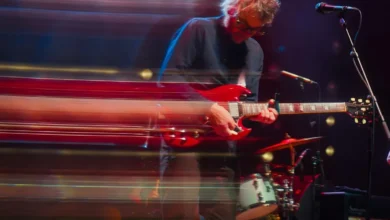
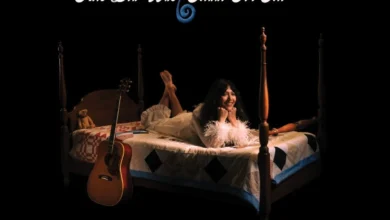
This immersive audio journey begins with the resonant, unmistakable voice of Welsh actor Richard Burton reading the iconic opening lines of Under Milk Wood. From there, the mixtape unfurls a diverse tapestry of traditional and contemporary folk music, weaving together classic recordings and modern interpretations. The playlist features contributions from acclaimed artists such as Nick Drake, Georgia Ruth, Julie Murphy, Huw M, The Gentle Good, Little Arrow, Cate Le Bon, Plu, Michael Chapman, and Lleuwen. Listeners are also treated to a poignant live recording of acoustic guitar virtuosos John Renbourn and Wizz Jones, captured from their Joint Control album shortly before Renbourn’s passing in March 2015.
The Life and Times of Dylan Thomas: A Chronological Overview
Understanding the cultural weight of Dylan Thomas requires examining the timeline of his prolific, albeit turbulent, life and career. Born in the Uplands area of Swansea, Thomas showed an early aptitude for language and literature, publishing poetry in school magazines before leaving formal education at age sixteen to work as a reporter for the South Wales Daily Post.
In 1934, at the age of nineteen, Thomas published his first collection of poetry, 18 Poems, which immediately established him as a major new talent in the British literary scene. This was followed by Twenty-Five Poems in 1936 and The Map of Love in 1939. Despite his growing literary fame, Thomas struggled financially throughout his life, relying on BBC radio broadcasts, journalism, and grants to support his wife, Caitlin Macnamara, and their three children.
The 1940s brought international acclaim, particularly with the publication of Deaths and Entrances in 1946, which included masterpieces such as "Fern Hill" and "And Death Shall Have No Dominion." During World War II, Thomas worked as a scriptwriter for the British government’s Ministry of Information, producing dozens of propaganda and documentary films that further honed his narrative skills.
The culmination of his radio and theatrical writing arrived in 1953 with the completion of Under Milk Wood, commissioned by the BBC. Tragically, Thomas did not live to see the play’s full cultural triumph. During his fourth lecture tour of the United States in late 1953, suffering from severe health issues exacerbated by heavy drinking, Thomas collapsed in New York City. He died on November 9, 1953, at St. Vincent’s Hospital at the age of thirty-nine. His body was returned to Wales, where he was buried in the churchyard at Laugharne, the Carmarthenshire village that served as his spiritual home and the primary inspiration for Llareggub.
The Cultural Significance of Under Milk Wood
Under Milk Wood remains one of the most performed and studied radio dramas in the history of broadcasting. Initially conceived as a "play for voices," it captures the interconnected dreams, secrets, daily routines, and inner thoughts of the quirky inhabitants of a small Welsh maritime village over the course of a single spring day.
The brilliance of the work lies in Thomas’s euphonic command of the English language, infused with the lyrical cadence of the Welsh tongue. His use of portmanteau words, internal rhyme, and vivid sensory imagery transformed mundane rural life into a theatrical epic. When the BBC first broadcast the play in 1954—starring Richard Burton as the First Voice—it revolutionized audio drama, demonstrating that radio could achieve the artistic depth and emotional resonance of classical theater.
By anchoring the newly highlighted folk mixtape in the opening lines of Under Milk Wood, curators have created a seamless bridge between Thomas’s literary landscape and the broader ecosystem of Welsh folk music. The mixtape does not merely use Thomas as a historical footnote; it utilizes his atmospheric creation of Llareggub as a portal to explore contemporary and traditional Welsh identity.
Exploring the Musical Landscape of the Mixtape
The carefully curated tracklist accompanying the Dylan Thomas tribute offers a comprehensive journey through the diverse sounds of Welsh and British folk, bridging generations of acoustic storytelling, melancholy, and rural celebration.
The musical journey opens with Nick Drake’s haunting track "Black Eyed Dog," setting a reflective and introspective tone that mirrors the melancholic undertones often found in Thomas’s poetry. This is followed by Joan Mills and Michael Raven’s interpretation of "Death And The Lady," a traditional folk standard that engages directly with mortality, a central theme in Thomas’s literary works.
Contemporary Welsh artists bring modern textures to the playlist. Julie Murphy contributes "Train (Going West)," capturing the themes of travel and displacement, while Georgia Ruth offers "Madryn," showcasing the delicate, harp-infused indie-folk for which she has garnered international acclaim. The inclusion of Welsh-language tracks—such as Huw M’s tender "Si hwi hwi," Plu’s evocative "Llun ar y Setl," Lleuwen’s spiritual "Lle Wyt Ti Heno Iesu Grist?," and Y Tebot Piws’s "Godro’r Fuwch"—underscores the linguistic diversity and vibrant cultural revival happening within modern Welsh music scenes.
Further enriching the auditory experience are contributions from avant-garde folk and indie artists. Cate Le Bon brings her distinct, art-rock-inflected folk sensibilities with the track "No God," while James McArthur & the Head Gardeners present "Bluest Stone," and The Gentle Good delivers "A Man Made of Moss," a song that echoes the deep, earthy connection to nature that permeated Thomas’s writing from his seaside retreat in Laugharne.
A particularly poignant inclusion is the live recording of "Buckets of Rain" performed by acoustic guitar legends John Renbourn and Wizz Jones. Taken from their collaborative Joint Control album, this recording carries significant historical weight, having been captured shortly before John Renbourn’s sudden death in March 2015. The presence of these master fingerpickers adds a layer of reverence to the mixtape, bridging the worlds of British folk revivalism and timeless acoustic craftsmanship.
Official Responses and Cultural Implications
Cultural preservationists and arts organizations have increasingly emphasized the importance of cross-medium projects that link classic literature with regional music. Representatives from various Welsh cultural bodies have noted that initiatives like the Llareggub Awakens mixtape play a vital role in keeping historic literary figures relevant to younger, digitally native audiences.
"Dylan Thomas belongs to the world, but his roots are unmistakably, stubbornly Welsh," noted a spokesperson for a regional arts heritage group. "By pairing his words—specifically the iconic voice of Richard Burton—with contemporary Welsh folk musicians and international acoustic legends, we are demonstrating that Thomas’s work is not static text locked in a textbook. It is a living, breathing landscape that continues to inspire modern creativity across generations."
From an economic and tourism perspective, celebrations of Dylan Thomas’s birth anniversary continue to drive significant engagement toward literary tourism in Wales. Locations such as the Dylan Thomas Boathouse in Laugharne and the Dylan Thomas Centre in Swansea report steady streams of visitors eager to trace the footsteps of the poet. Cultural analysts suggest that digital audio projects, such as curated mixtapes hosted on platforms like Mixcloud, act as vital digital touchpoints, expanding cultural reach far beyond physical geographic boundaries.
Broader Impact on Folk Music and Literature Integration
The intersection of spoken-word poetry and folk instrumentation is a well-established tradition, but modern curation has elevated these collaborations into immersive digital art forms. By blending the theatrical radio artistry of the 1950s with twenty-first-century indie-folk and traditional Welsh psalmody, the mixtape illustrates the continuous dialogue between the past and the present in Welsh culture.
As global audiences continue to seek authentic, place-based artistic expressions, the pairing of Dylan Thomas’s linguistic genius with the grassroots melodies of artists like Nick Drake, Cate Le Bon, and John Renbourn offers a compelling blueprint for cultural commemoration. It serves as a reminder that the village of Llareggub—much like the poems of Dylan Thomas—is a timeless destination, waiting to be rediscovered with every rotation of a record or click of a play button.
Listeners interested in experiencing the complete auditory journey can stream the full mixtape, titled A Folk Mix: The Village of Llareggub Awakens, directly via Mixcloud, where the historic words of Richard Burton and the enduring music of Wales continue to echo across the digital airwaves.