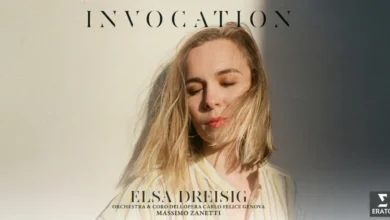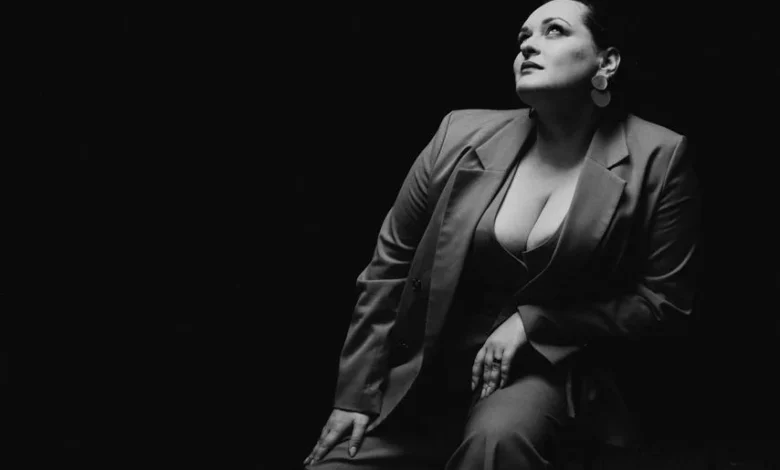
The operatic landscape has faced a notable shift as acclaimed soprano Olga Maslova has officially announced her withdrawal from the upcoming multi-city production of Richard Wagner’s monumental opera, Der Fliegende Holländer (The Flying Dutchman). The artist, who was slated to interpret one of the core dramatic soprano roles in the Italian staging, took to digital platforms to communicate her absence to the public, citing unforeseen health reasons that necessitate a period of recuperation. The cancellation impacts high-profile performances scheduled across prominent cultural institutions in Italy, prompting a swift administrative transition to ensure the continuity of the artistic schedule. As the theatrical management teams move forward, soprano Johanni van Oostrum has been tapped to step into the demanding role. This late-stage casting adjustment has drawn attention from operatic circles, highlighting the inherent volatilities of live theatrical productions and the rigorous physical demands placed upon contemporary interpreters of Wagnerian repertoire.
Immediate Announcement and Social Media Statement
The news of Maslova’s departure broke when the soprano published a direct statement via her official social media channels. Addressing her supporters, the theater administration, and her fellow cast members, Maslova conveyed her regret regarding her inability to fulfill her professional commitments for the production.
"Unfortunately, due to health reasons, I have withdrawn from all performances of Der Fliegende Holländer," Maslova stated in her public announcement. The message emphasized her gratitude toward the community that supports her career, adding, "Thank you to my audience, the theater, and my colleagues for your understanding. I wish everyone wonderful performances, and I look forward to seeing you again soon."
The transparency of the artist’s statement was met with widespread understanding from operagoers and industry peers alike. In the high-stakes environment of international opera, where vocal health is paramount, sudden withdrawals are treated with profound seriousness by both management and artists. Voice preservation, particularly when navigating the dense orchestrations and sweeping vocal lines required by Wagner, demands strict physiological equilibrium. Consequently, Maslova’s decision to step down preemptively prevents potential vocal strain and prioritizes long-term artistic longevity.
Production Timeline and Venue Logistics
The staging of Der Fliegende Holländer involves a collaborative effort between major Italian cultural institutions, specifically the Teatro Comunale di Modena and the Teatro di Piacenza. These historic venues have established a co-production model designed to share resources, unify artistic visions, and bring high-caliber operatic interpretations to wider audiences across the Emilia-Romagna region.
The timeline for the production maps out a rigorous sequence of rehearsals, technical run-throughs, and premiere dates across the participating houses:
- Early Autumn 2026: Final orchestral and staging rehearsals commence, bringing together the principal cast, chorus, and resident orchestras.
- November 6, 2026: The production is scheduled to open its run at the Teatro di Piacenza, marking the official world premiere of this specific staging iteration for the season.
- Mid-November 2026: The company transitions its sets, technical crew, and principal performers from Piacenza to Modena.
- November 20, 2026: The production opens at the Teatro Comunale di Modena, continuing the regional run.
This tightly coordinated schedule leaves little margin for error. When a principal artist withdraws weeks or months before the curtain rises, theater management faces a compressed timeline to secure, rehearse, and integrate a replacement capable of mastering a complex Wagnerian score.
Replacement Casting: Johanni van Oostrum Steps In
In response to Maslova’s departure, the artistic directorate of the co-producing theaters acted decisively to secure a world-class replacement. Acclaimed soprano Johanni van Oostrum has officially been confirmed to assume the role originally assigned to Maslova.
Van Oostrum brings a formidable reputation and extensive international experience to the production of Der Fliegende Holländer. Known for her nuanced interpretations of dramatic and high-lyric repertoire across major European and North American stages, van Oostrum possesses the vocal weight and stamina required to navigate Wagner’s demanding musical landscape. Her familiarity with contemporary operatic staging and her capacity for rapid score assimilation made her an ideal candidate for emergency replacement casting.
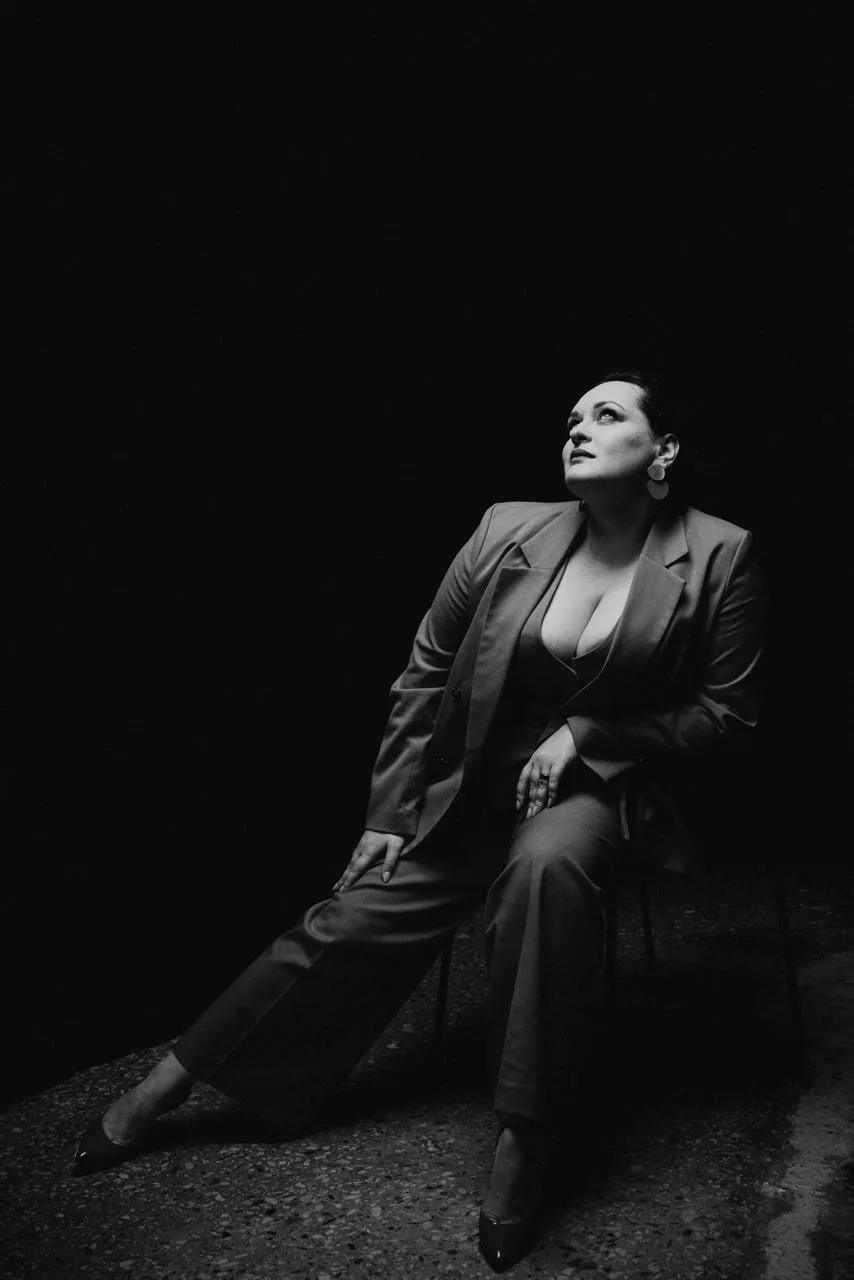
The transition from Maslova to van Oostrum requires adjustments within the rehearsal room, particularly concerning stage blocking, stylistic chemistry with co-stars, and musical alignment with the conductors. However, given van Oostrum’s extensive professional background, the production team anticipates a seamless integration that maintains the artistic integrity and high standards expected by audiences at both the Teatro di Piacenza and the Teatro Comunale di Modena.
Background Context of Der Fliegende Holländer
Richard Wagner’s Der Fliegende Holländer, premiered originally in Dresden in 1843, occupies a pivotal position in the composer’s oeuvre, representing the transition from traditional romantic opera to the mature music dramas that would later redefine the genre. Based on legendary maritime folklore surrounding the doomed captain cursed to sail the seas endlessly until redeemed by faithful love, the opera explores themes of redemption, sacrifice, isolation, and spiritual salvation.
The soprano protagonist—traditionally Senta—carries the emotional and psychological weight of the narrative. Her obsessive fixation on the legend of the Dutchman, coupled with her ultimate act of self-sacrificing devotion, requires an artist capable of conveying profound psychological depth alongside soaring vocal prowess. The role demands a voice that can cut through a massive late-romantic orchestra while sustaining lyrical lines of immense vulnerability.
Productions of Der Fliegende Holländer in Italian houses often present a distinct stylistic challenge. While Italy is historically celebrated for its bel canto and Verismo traditions—characterized by soaring Italianate phrasing and emotive vocal color—Wagnerian opera demands a different vocal placement, linguistic precision, and endurance. Consequently, casting for these roles in Italy frequently relies on international specialists who possess specialized training in German repertoire. The inclusion of artists like Maslova and van Oostrum underscores the globalized nature of modern opera casting, where international talents are routinely imported to meet the rigorous demands of specific stylistic canons.
Economic and Operational Implications for Regional Italian Theaters
The sudden necessity to alter casting for a major production highlights the operational vulnerabilities faced by regional opera houses in contemporary Europe. Cultural institutions such as the Teatro Comunale di Modena and the Teatro di Piacenza operate under strict budgetary frameworks, where ticket sales, governmental subsidies, and private sponsorships must be meticulously balanced against production expenditures.
When a high-profile headliner cancels, theaters must navigate several administrative challenges:
- Contractual Negotiations: Immediate engagement with artist management agencies to secure replacements under tight deadlines, often involving premium compensation rates for emergency availability.
- Public Relations and Ticketing: Managing patron expectations and ensuring that ticket holders are informed of cast changes well in advance of opening night. While major cancellations can occasionally lead to ticket refund requests, the inclusion of an artist of Johanni van Oostrum’s caliber generally mitigates financial fallout by maintaining audience confidence in the artistic quality of the performance.
- Logistical Coordination: Adjusting travel, accommodation, and rehearsal schedules to accommodate the incoming artist without disrupting the broader technical timeline established for the production crew, orchestra, and supporting cast.
Despite these hurdles, the swift resolution achieved by the administration in Modena and Piacenza demonstrates the resilience and professional agility of modern Italian regional opera management. By securing van Oostrum promptly, the theaters have successfully safeguarded the artistic promise of their upcoming Wagnerian presentation.
Future Outlook for Olga Maslova
As Johanni van Oostrum prepares to take over the rigorous rehearsal schedule for Der Fliegende Holländer, industry observers and fans have turned their attention toward Olga Maslova’s recovery timeline. Vocal health is an ongoing concern for all professional singers, and taking preventative measures during periods of physical fatigue is widely recognized as a hallmark of a sustainable, long-term international career.
Maslova has not yet announced a definitive date for her return to the stage, opting instead to focus entirely on her recuperation. Her public message, emphasizing a desire to "see you again soon," suggests an optimistic outlook regarding her future engagements once her health is fully restored. Prominent European opera houses routinely maintain flexible scheduling protocols to accommodate artists returning from medical leave, ensuring that Maslova’s career trajectory will remain unaffected upon her eventual re-entry into the international performance circuit.
Meanwhile, the artistic partnership between the Teatro di Piacenza and the Teatro Comunale di Modena presses forward toward its November premieres. With technical preparations advancing on schedule and a seamless transition in the principal soprano role, the production remains on track to deliver what is anticipated to be a compelling and musically rich interpretation of Wagner’s nautical masterwork.