Refuge NYC Announces PURGATORY A Four-Day Halloween Marathon Featuring Nicole Moudaber Stacey Pullen Jayda G salute and More

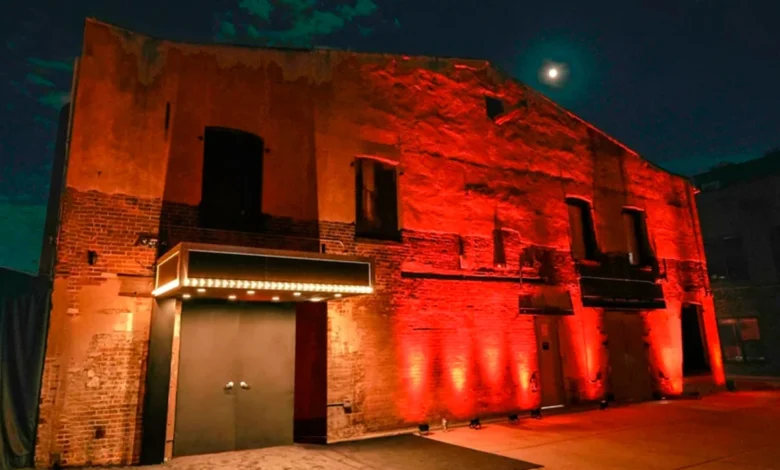
Refuge NYC has officially unveiled the schedule for PURGATORY, an ambitious four-day Halloween marathon set to transform its East Williamsburg venue from October 29 through November 1, 2026. Marking a significant milestone for the 500-capacity space, the event arrives just after the venue celebrates its inaugural year of operation. Designed as a deep-dive into the diverse sounds of modern electronic music, the marathon features a six-part programming series that spans house, techno, UK garage, and disco, utilizing the venue’s hallmark high-fidelity audio environment.
The event stands as a testament to the evolving landscape of Brooklyn’s nightlife, where the emphasis is shifting away from traditional club extravagance toward curated, sound-focused auditory experiences. By eschewing the industry-standard VIP tables and bottle service models, Refuge NYC is doubling down on its commitment to a communal dance floor experience, prioritizing the sonic integrity of its custom four-point REX analogue sound system, which was developed in collaboration with renowned acoustic engineer Al Fierstein.
A Chronological Breakdown of the Marathon
The marathon is structured to guide attendees through a shifting musical journey, starting with high-energy collaborative sets and culminating in a sunrise-to-daytime closing sequence.
On Thursday, October 29, the festivities open with a highly anticipated back-to-back performance featuring salute and Stacey Pullen. This pairing represents a bridge between the high-octane, contemporary energy of the UK garage and house scene and the storied, foundational techno roots represented by Pullen.
Friday, October 30, shifts the focus toward soulful, groove-oriented sounds. The lineup includes Jayda G, Suze Ijó, and Soul Clap. Of particular significance is the appearance of Soul Clap, which is billed as the final performance for the duo of Eli Goldstein and Charles Levine. Having recently announced the conclusion of their 25-year partnership, the pair’s performance at Refuge NYC carries emotional and historical weight for the house music community, signaling the end of a long-standing creative collaboration that has influenced the trajectory of American dance music.
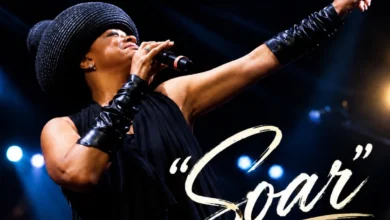
Saturday, October 31, serves as the centerpiece of the marathon. The daytime session will feature a takeover by Victor Calderone alongside Anthony Middleton of Audiofly. This daytime programming is designed to provide an expansive, atmospheric environment, transitioning seamlessly into the night. The Saturday nighttime program is headlined by Nicole Moudaber, a globally recognized figure in the techno scene whose reputation for marathon sets and intense, driving soundscapes aligns with the venue’s commitment to high-fidelity output.
The marathon concludes on Sunday, November 1, with a transition into morning hours. Mira will kick off the sunrise session, an aesthetic choice that plays into the venue’s courtyard-to-main-room layout. The final daytime closing session will be helmed by Serge Devant and Vanjee, providing a grounded, steady conclusion to the four-day event.
Engineering the Sonic Experience
A core component of the PURGATORY event is the reliance on the REX analogue sound system. In an era where many clubs rely on digital processing and standardized line arrays, Refuge NYC has positioned its physical space as a sonic laboratory. The collaboration with Al Fierstein, a veteran of New York City’s audio engineering scene, ensures that the venue’s acoustics are tailored specifically to the room’s architecture.
The lack of VIP sections and bottle service is not merely a stylistic choice; it is a structural decision meant to optimize the distribution of sound. By removing obstructions—such as raised platforms and service stations—the venue allows for a more uniform sound field. This technical focus is intended to appeal to a demographic of electronic music enthusiasts who prioritize audio fidelity and the uninterrupted movement of the crowd over traditional social hierarchies within nightlife spaces.
The Evolution of the Brooklyn Nightlife Model
The launch of PURGATORY occurs during a period of professionalization and refinement for Brooklyn’s nightlife sector. Following the pandemic, the city saw a resurgence of smaller, venue-specific identities. Refuge NYC’s one-year anniversary serves as a benchmark for this new wave of independent venues that operate on a "music-first" philosophy.
Industry analysts note that the move toward extended-duration events—marathons lasting several days—reflects a shift in consumer behavior. Rather than attending a single three-hour set, audiences are increasingly seeking immersive, multi-day experiences that function more like micro-festivals. This model provides promoters with greater logistical efficiency while offering artists more room to experiment with extended set times, a luxury rarely afforded in typical weekend club slots.
The decision to feature the final performance of Soul Clap at this event also highlights the trend of "legacy programming" within the electronic music sphere. As the pioneers of the 1990s and 2000s electronic explosion move into new phases of their careers, independent venues in Brooklyn are becoming the preferred stages for these historic farewells. This lends a layer of cultural prestige to the venue, cementing its status as a destination for artists who wish to perform in an environment that respects the longevity and depth of their catalogues.
Economic and Cultural Implications
The economic impact of a four-day marathon in a 500-capacity venue is significant for the local East Williamsburg economy. By spreading attendance across six distinct sessions, Refuge NYC manages crowd flow while maintaining consistent foot traffic for local businesses. The event also serves as a case study for the sustainability of mid-sized venues. In a real estate market where overhead costs for commercial spaces remain high, the ability to maximize the utility of a venue through multi-day, multi-session programming is a vital survival strategy.
From a cultural perspective, the curation of the PURGATORY lineup—mixing established techno veterans like Nicole Moudaber and Stacey Pullen with the more contemporary, genre-blending sounds of salute and Jayda G—illustrates a conscious effort to bridge the generational divide in electronic music. The programming acknowledges that the current dance music audience is diverse, with tastes that span from the deep, melodic rhythms of the early 2000s to the rapid-fire, polyrhythmic textures of the current UK-influenced underground.
Looking Ahead
As the electronic music community prepares for the late October window, the anticipation surrounding PURGATORY underscores the continued relevance of the Brooklyn club scene on a global scale. With the rise of international travel for music tourism, the specific nature of this lineup suggests that the event is intended to attract not only local residents but also domestic and international visitors who follow these specific artists.
For Refuge NYC, the success of this Halloween marathon will be measured not just by ticket sales, but by the ability to maintain the high standards of audio quality and crowd management that they have established in their first year. The integration of high-profile headline talent into a technically demanding, non-traditional club environment represents a high-stakes effort to define the future of the underground club experience.
As the industry continues to move toward more specialized, boutique event formats, PURGATORY provides a clear view of where the intersection of high-fidelity sound and intentional event design is heading. Whether or not this marathon sets a new standard for Brooklyn’s nightlife remains to be seen, but the intent behind the event—to create a space where the music is the sole protagonist—is clear.
Interested parties and prospective attendees can find additional details regarding the specific set times, ticketing tiers, and venue policies on the official website. As with most events of this scale in New York City, early booking is recommended given the limited 500-capacity nature of the venue, which ensures that the marathon retains an intimate, club-focused atmosphere despite the magnitude of the artists scheduled to perform.