Robert Ames Steps Down from London Contemporary Orchestra After Eighteen Years of Transformative Leadership

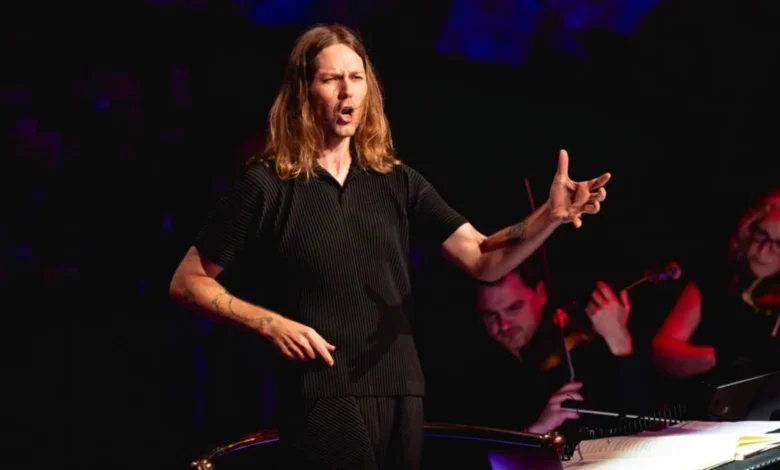
The departure of Robert Ames from the London Contemporary Orchestra (LCO) marks a definitive turning point for one of the United Kingdom’s most innovative musical ensembles. After eighteen years of service as co-artistic director and co-principal conductor—a role he helped define since the orchestra’s inception in 2008—Ames has officially announced his exit. His resignation represents not merely a change in leadership for a specific ensemble, but serves as a catalyst for a broader, industry-wide conversation regarding class accessibility, the sustainability of the arts, and the changing landscape of the professional orchestral musician.
A Legacy of Innovation and Genre-Bending
Founded in 2008, the London Contemporary Orchestra was established with a mission to bridge the gap between rigorous contemporary classical repertoire and the evolving needs of modern performance. Under the stewardship of Ames and his co-founders, the LCO rapidly carved out a reputation for programming that refused to be confined by traditional boundaries.
The early years of the orchestra were characterized by bold, avant-garde programming, featuring works by Mark-Anthony Turnage, Kaija Saariaho, and Iannis Xenakis. However, the LCO’s influence extended far beyond the concert hall. Ames was instrumental in positioning the orchestra as the premier collaborator for high-profile artists in the popular music sphere. The group’s work with Radiohead, among others, demonstrated a pioneering approach to the cross-pollination of genres, proving that a contemporary orchestra could be both a site of intellectual rigor and a commercial powerhouse.
For nearly two decades, Ames functioned as the face of this evolution. His ability to navigate the complex, often bifurcated worlds of classical conservatory training and contemporary recording studio production made him a rare figure in the industry. His departure leaves the LCO at a critical juncture: the organization must now define its future identity while operating in an economic climate vastly different from the one that existed during its founding in the late 2000s.
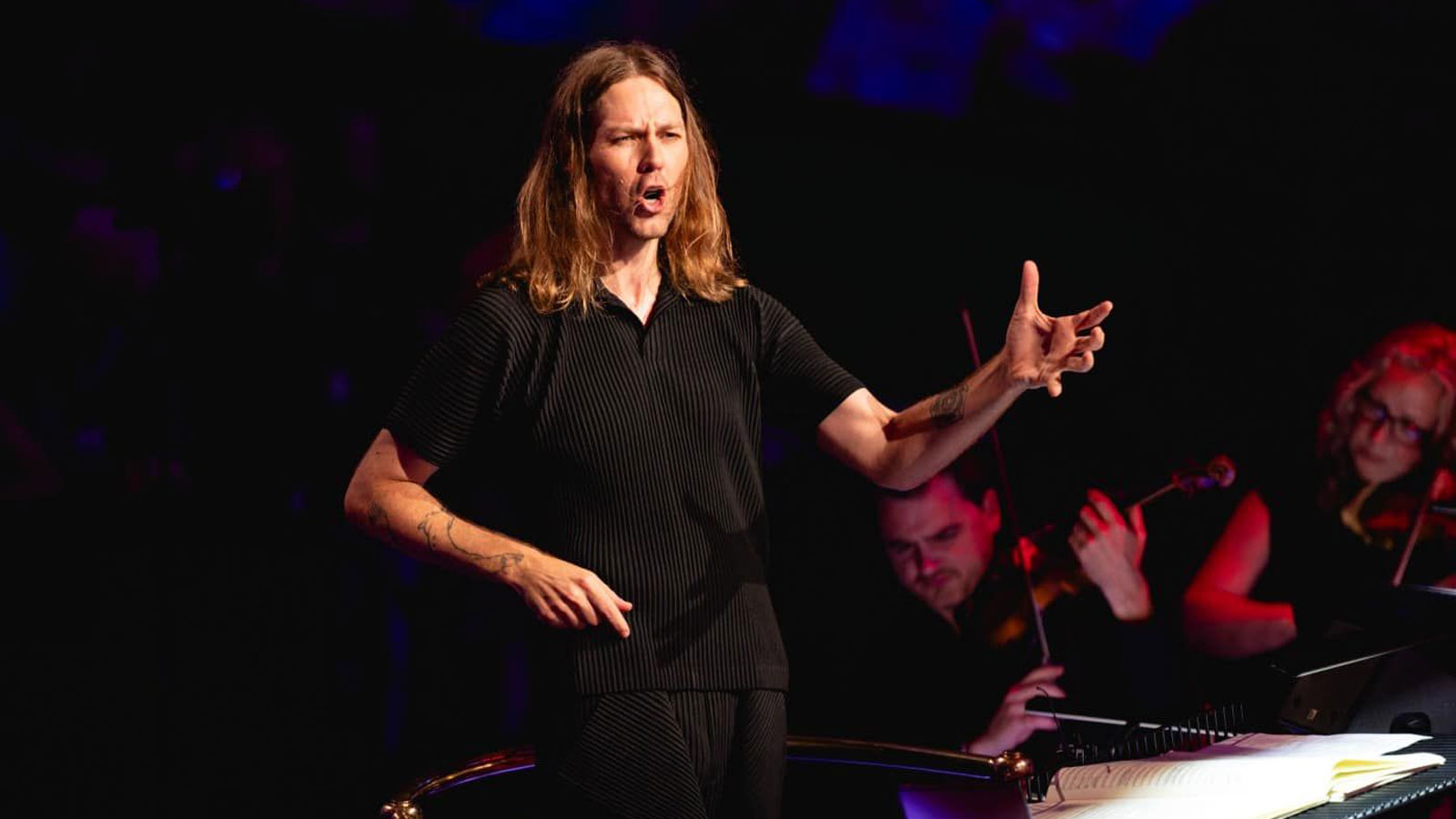
The Guardian Op-Ed and the Catalyst for Debate
The discourse surrounding Ames’s departure reached a new level of intensity following his op-ed published in The Guardian on September 9, 2026. Titled "I co-founded an orchestra 18 years ago. Since then, I’ve seen doors close for working-class musicians," the piece moved away from traditional reflections on artistic success to address the structural inequalities inherent in the British music industry.
Ames’s critique was noted for its departure from his previous public persona. Previously viewed by many in the industry as a quintessential London freelancer—eclectic, industrious, and focused on the artistic demands of the moment—his shift toward public activism signaled a growing frustration with the economic barriers facing young musicians.
In the op-ed, Ames detailed how the cost of living, the reduction in state support for music education, and the increasing reliance on "hustle culture" have created an environment where only those with private financial support can realistically pursue a career in professional music. His observations have resonated widely, prompting discussions across social media and within industry advocacy groups about the "gatekeeping" of the arts.
Chronology of the London Contemporary Orchestra
- 2008: The London Contemporary Orchestra is founded by Robert Ames and collaborators, focusing on contemporary compositions by Turnage, Saariaho, and Xenakis.
- 2010–2015: The LCO gains national recognition for its interdisciplinary approach, collaborating with various experimental electronic and rock musicians.
- 2016–2020: The orchestra cements its reputation as a major commercial force, contributing to film scores and major touring productions, including extensive collaborations with Radiohead.
- 2021–2025: As inflation and funding cuts impact the UK arts sector, the LCO navigates increased financial pressure while maintaining a high volume of touring activity.
- September 2026: Robert Ames announces his departure from the LCO, citing a desire to focus on new projects and addressing the socio-economic barriers facing the next generation of orchestral musicians.
Supporting Data and Industry Context
The concerns raised by Ames are supported by broader data regarding the state of the arts in the United Kingdom. According to reports from the Creative Industries Policy and Evidence Centre, the demographic profile of the creative workforce has remained skewed toward individuals from higher socio-economic backgrounds.
Furthermore, data from the Musicians’ Union suggests that the "gig economy" model, which the LCO—like many contemporary ensembles—relies upon for flexibility, has become increasingly precarious. With the average earnings of freelance musicians struggling to keep pace with the cost of living in London, many talented players are forced to exit the profession in their early 30s. Ames’s move to publicize these issues brings a high-profile voice to a struggle that many rank-and-file musicians have faced in isolation for years.

Official Reactions and Industry Sentiment
While the London Contemporary Orchestra has yet to name a permanent successor to Ames, representatives for the organization have expressed gratitude for his foundational work. Colleagues describe his departure as a "significant loss of institutional memory," but many acknowledge that his advocacy for working-class musicians may have a more lasting impact than his individual conducting credits.
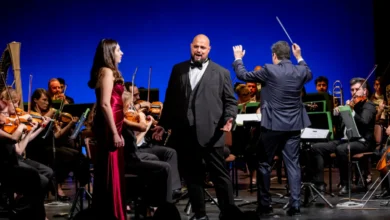
Internationally, Ames remains in high demand. During a recent interview conducted via remote video call, he was seen preparing for a performance with the band Sigur Rós at the Palacio Euskalduna in Bilbao. Having conducted nearly 100 concerts for the group, his career remains firmly rooted in the high-level collaborative work that defined his tenure at the LCO. This ongoing professional activity suggests that while his role as an administrator has concluded, his influence on the international performance circuit will continue.
Implications for the Future of Orchestral Leadership
The departure of a co-founder and artistic director is often a period of instability for an arts organization. However, the LCO’s transition also presents an opportunity to reassess the operational model of contemporary ensembles. If, as Ames suggests, the industry is failing to provide a viable career path for musicians from diverse economic backgrounds, then the next generation of leadership will need to prioritize structural reform alongside artistic programming.
The focus on socio-economic accessibility in the arts is likely to become a central theme in the hiring process for Ames’s successor. Boards and arts organizations are under increasing pressure to demonstrate that their leadership is not only concerned with aesthetic output but also with the social sustainability of their workforce.
Ames’s exit is therefore not merely the conclusion of an eighteen-year chapter for the LCO, but the beginning of a broader inquiry into how orchestral institutions can survive—and thrive—in a society that is becoming increasingly unaffordable for the very artists who sustain it. His transition from an internal leader to an external critic marks a significant shift in his career trajectory, and one that is likely to keep him at the center of the debate on the future of the classical music industry in the years to come.