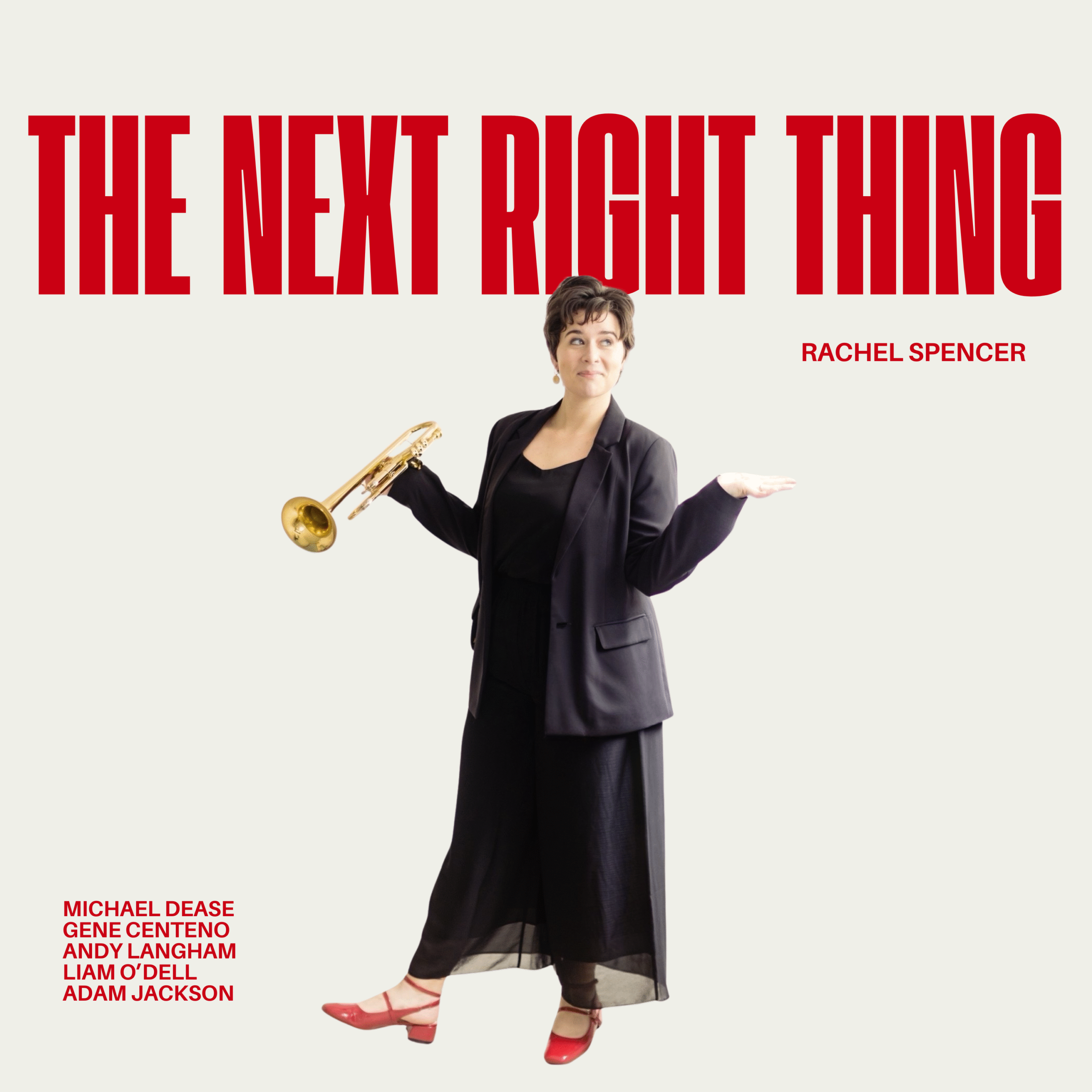
Rachel Spencer Turns Professional Conflict into Artistic Triumph on The Next Right Thing

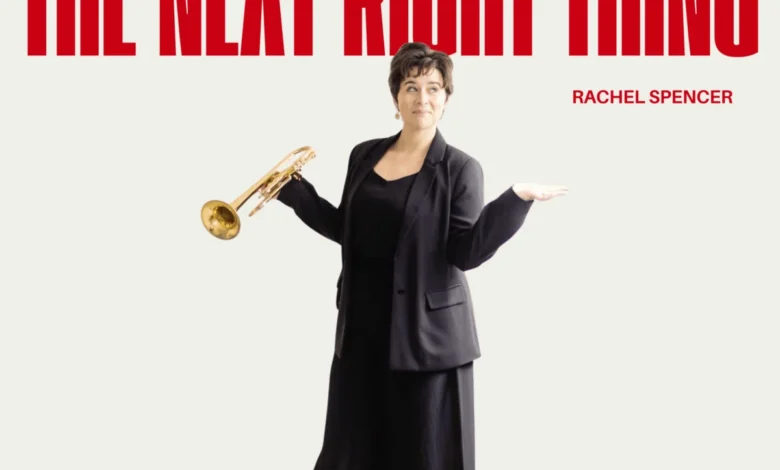
Anger is often viewed as a destructive force, yet in the realm of creative expression, it can serve as a potent catalyst for transformation and structural clarity. For trumpeter and composer Rachel Spencer, a moment of professional adversity became the foundational spark for her debut album, The Next Right Thing. The album’s standout track, “Steamrolling,” serves as a sonic manifesto of this transition, moving from a reaction against external suppression to a proactive, forward-thinking artistic statement. This composition not only anchors the album but also encapsulates the resilience required for an emerging jazz artist to navigate the complexities of the modern industry.
The genesis of The Next Right Thing is rooted in a five-year period of intense musical and academic development. Spanning from the initial global disruptions of the COVID-19 pandemic to the culmination of her Doctor of Musical Arts degree, the project represents a synthesis of rigorous scholarship and raw, improvisational exploration. During this period, Spencer focused her academic research on the life and work of hard-bop icon Blue Mitchell, a figure whose influence is palpable in the structural precision and melodic clarity found throughout her debut record.
The Anatomy of a Composition: From Conflict to Clarity
The track “Steamrolling” originated from a specific professional conflict that Spencer encountered, characterized by a situation in which her personal and professional values were being disregarded by a colleague. Initially written as an outlet for frustration, the music underwent a metamorphosis during the drafting process. As Spencer refined the arrangement, the tone shifted from one of reactive rage to one of defiant determination. The title, which initially evoked the negative experience of being "steamrolled," was reclaimed to signify "full steam ahead." This conceptual pivot provided the narrative arc for the piece, grounding the music in a sense of agency and purposeful momentum.
The resulting soundscape is a masterclass in modern hard-bop, echoing the golden era of Blue Note Records while maintaining a distinctly contemporary edge. The ensemble work is characterized by a "tightness" that underscores the discipline of the players, yet the composition provides ample space for individual expression. In the track’s execution, the rhythm section—comprised of bassist Liam O’Dell, drummer Adam Jackson, and pianist Andy Langham—builds a foundation that is both reactive and driving. This support allows for a series of solos that are combative yet collaborative, with each instrumentalist contributing to the overarching narrative of progress and resilience.
Chronology of Development: The Five-Year Arc
The trajectory of this album is intrinsically linked to the broader context of the jazz landscape between 2020 and 2025. The onset of the pandemic forced a hiatus for many touring musicians, leading to a surge in pedagogical and compositional focus. For Spencer, this period was marked by the following key milestones:
- 2020–2021: The early stages of the pandemic prompted a shift toward internal exploration and academic rigor. Spencer began her doctoral dissertation, focusing heavily on the hard-bop tradition and the specific stylistic contributions of Blue Mitchell.
- 2022: As live performance opportunities began to stabilize, Spencer initiated the composition phase for what would become her debut sextet project. The initial sketches for “Steamrolling” were developed during this window of professional transition.
- 2023: The integration of live ensemble rehearsals allowed for the testing of these arrangements. The sextet format was selected specifically for its capacity to replicate the depth and textural variety of the Blue Note era.
- 2024: The completion of the Doctor of Musical Arts degree provided the necessary closure to finalize the album’s repertoire. The title, The Next Right Thing, was adopted as a guiding principle, derived from a mentor’s advice regarding the management of daunting professional and personal challenges.
- 2025: Official release and critical reception of the debut album, cementing Spencer’s arrival as a significant voice in the post-bop genre.
Technical Analysis and Ensemble Dynamics
The musical success of The Next Right Thing lies in the synergy between the leader and her sidemen. The composition “Steamrolling” serves as the primary case study for this dynamic. Spencer opens the track with a bright, pugnacious trumpet solo that sets a high bar for intensity. This is followed by a sequence of solos that maintain the energy level rather than allowing it to dissipate.
Gene Centeno’s contributions on alto saxophone are particularly notable for their aggressive, articulate phrasing, which mirrors the leader’s intensity. Michael Dease, a prominent voice in the ensemble, offers a solo that highlights his technical virtuosity while adhering to the "squabbling" aesthetic requested by the arrangement. Andy Langham’s piano work acts as the glue for these performances, providing expert comping that anticipates the movements of the soloists. The return of the full ensemble at the track’s climax serves as a thematic reinforcement of the album’s core message: the collective effort required to overcome obstacles and maintain forward momentum.
Broader Implications for the Modern Jazz Industry
The release of The Next Right Thing highlights several trends currently shaping the jazz industry. First, the increase in doctoral-level research among active performers suggests a new era of "scholar-musicians" who are deeply committed to preserving the jazz canon while simultaneously pushing it into new, personalized directions. Spencer’s work on Blue Mitchell is not merely academic; it is a live, breathing component of her contemporary identity.
Furthermore, the album touches on the essential, yet often overlooked, role of mentorship in professional development. The title, The Next Right Thing, reflects a pragmatic approach to career longevity in an industry notoriously difficult to navigate. By centering her work on the philosophy of incremental progress, Spencer aligns herself with a tradition of artists who have used their craft to process the pressures of the industry. This perspective provides a template for younger musicians who may feel overwhelmed by the demands of commercial viability and the necessity of maintaining personal integrity.
Economic and Cultural Context
The economic landscape for independent jazz artists remains challenging. The reliance on digital distribution and the importance of critical reception in niche media outlets like JAZZIZ underscore the need for a strong, coherent artistic narrative. By framing her album through the lens of personal resilience and academic scholarship, Spencer has successfully positioned her work within a specific cultural dialogue.
Data from the past few years indicate that the "hard-bop" revival, characterized by a return to classic ensemble structures, is experiencing a resurgence in popularity among younger audiences. This trend is driven by a desire for "authentic" musical experiences—performances that emphasize acoustic instrumentation, ensemble interplay, and improvisation. The Next Right Thing fits squarely within this demand, providing a polished, high-energy product that satisfies the requirements of traditionalists while offering enough structural innovation to remain relevant in a modern context.
Conclusion: A Foundation for Future Growth
The success of Rachel Spencer’s debut is not accidental. It is the result of a deliberate, five-year cultivation of skill, theory, and emotional processing. By transmuting the anger of a professional slight into the momentum of a hard-driving composition, Spencer has demonstrated the kind of artistic maturity that often takes decades to develop.
As she moves forward in her career, the implications of this album are clear. It establishes her as a composer capable of balancing intellectual rigor with accessible, emotive music. Whether she is leading a sextet through the complex changes of a post-bop original or reflecting on the mentorship that shaped her path, Spencer’s work is characterized by a commitment to the "next right thing"—a philosophy that is as effective in the concert hall as it is in the practice room. For those following the trajectory of modern jazz, her debut is a significant milestone, indicating that the future of the genre is in the hands of artists who are as intellectually curious as they are technically proficient. As the jazz community continues to evolve, the clarity of vision displayed on this record will undoubtedly serve as a hallmark of her professional identity for years to come.