The CD Renaissance: Why Physical Audio Media Is Making a Resurgence in the Streaming Era

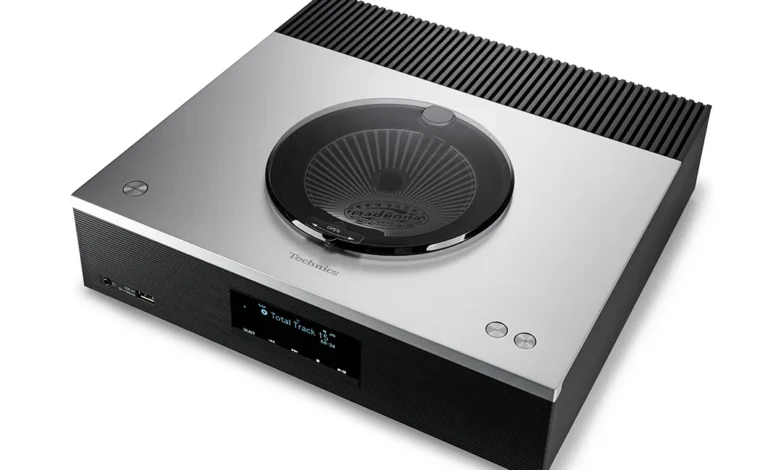
While the global music industry has been dominated by the shift toward high-bandwidth streaming platforms and subscription-based cloud services for over a decade, a counter-movement in consumer behavior is currently underway. The compact disc (CD), once dismissed as a relic of the late 20th century, is experiencing a notable commercial and cultural resurgence. Market analysts and audio equipment manufacturers have observed a steady increase in demand for both new music releases on physical discs and the high-fidelity hardware required to play them. This pivot back to tangible media suggests a desire among listeners for ownership, improved audio quality, and a more tactile engagement with their music libraries.
A Data-Driven Revival
The resurgence of the CD is not merely anecdotal; it is reflected in recent consumer data. According to industry reports, CD sales have seen consecutive years of growth, marking the first time the format has experienced a sustained upward trajectory since its peak decline began in the mid-2000s. Simultaneously, search engine data reveals that interest in CD playback hardware has reached a five-year high, with consumer intent for "CD players" peaking during the final quarter of last year.
This trend mirrors the earlier trajectory of the vinyl revival, which successfully transitioned from a niche hobby for audiophiles into a mainstream cultural phenomenon. However, the CD resurgence presents a distinct dynamic: while vinyl attracts listeners through its aesthetic and ritualistic appeal, the CD is increasingly favored for its technical performance—specifically, the 16-bit/44.1kHz resolution that many enthusiasts argue remains superior to the compressed lossy files often served by standard streaming tiers.
Historical Context: From Innovation to Obsession
To understand the current climate, one must revisit the advent of the format. Developed jointly by Philips and Sony and launched commercially in 1982, the CD represented the first major digital disruption to the audio industry. It promised "perfect sound forever," eliminating the surface noise and degradation associated with vinyl records and cassette tapes.
By the late 1990s, the CD became the dominant global format. However, the emergence of Napster and the subsequent rise of Apple’s iTunes and MP3 players in the early 2000s initiated a decade-long decline in physical sales. The format was largely sidelined as convenience, portability, and "infinite" access via streaming services became the primary drivers of consumption. The current reversal suggests a saturation point in the digital streaming model; as streaming catalogs become increasingly fragmented and subject to licensing changes, consumers are finding security in the permanence of physical media.
The Hardware Ecosystem: Engineering for the Modern Listener
The hardware industry has responded to this shift by refining the technology that was once thought to be on the verge of obsolescence. Modern CD players are no longer simple transport mechanisms; they are complex high-fidelity instruments designed to extract maximum resolution from the polycarbonate discs.
Leading manufacturers have recently updated their product lineups to capitalize on the market shift:
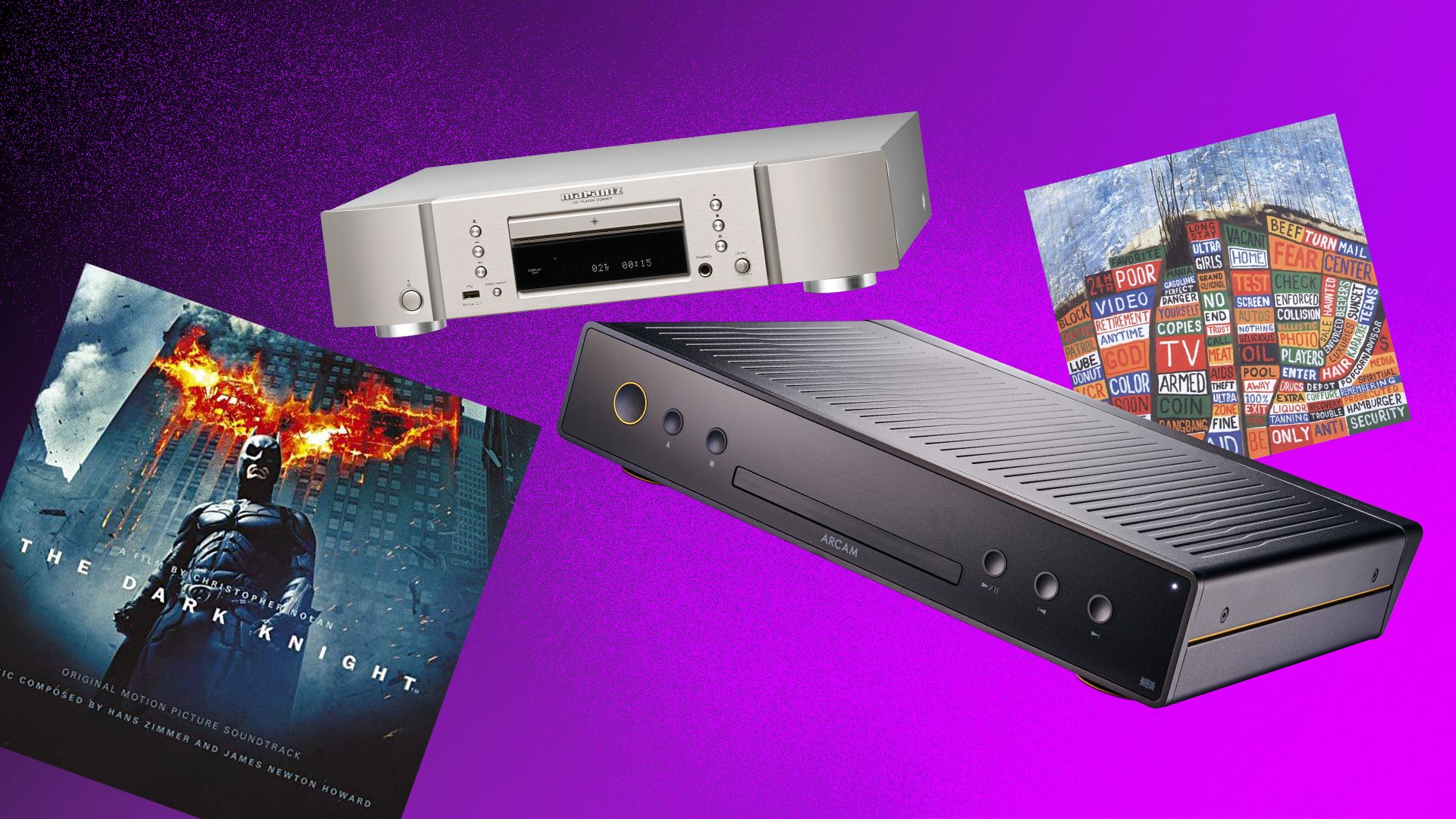
- Marantz CD 70: Recently launched, this unit has garnered attention for its focus on clear, insightful sound reproduction and robust build quality. It serves as a benchmark for current mid-to-high-range performance.
- Arcam CD5: A recipient of multiple "Product of the Year" accolades, the CD5 is frequently cited for its muscular and engaging sound signature, demonstrating that modern internal components—such as sophisticated Digital-to-Analog Converters (DACs)—can significantly improve the sound of discs mastered decades ago.
- Cyrus 40 CD: Representing the premium segment, this player emphasizes rhythmic precision and dynamic control, catering to the "high-end" listener who seeks to bridge the gap between studio-master quality and domestic playback.
- Cambridge Audio CXC: This unit serves as a critical example of specialized engineering. By functioning strictly as a "transport"—meaning it reads the data from the disc and passes it to an external DAC—it allows users to integrate their CD collections into existing high-end digital systems, proving that the CD is no longer an isolated format but a foundational part of a modern hi-fi chain.
Economic and Environmental Implications
The resurgence of the CD also carries implications for the broader music economy. For independent artists, physical media remains one of the most profitable avenues for direct-to-fan sales. Unlike the fractional royalties earned from streaming, which can take months to accumulate, the sale of a physical CD provides immediate, tangible revenue for creators.
Furthermore, the environmental debate surrounding physical media is shifting. While streaming is often marketed as "carbon-free," the immense energy requirements of the server farms and data centers that host billions of songs are non-trivial. Collectors argue that a physical collection is a one-time carbon expenditure, whereas streaming requires constant, repetitive energy consumption for every play.
The Role of Gen Z and Future-Proofing
A significant driver of this trend is the younger demographic, specifically Gen Z. Having grown up in a digital-first environment, this cohort is increasingly turning to physical media as a way to "curate" their music identity. Unlike the transient nature of a playlist, a physical collection represents a permanent, non-algorithmically driven choice.
Industry analysts suggest that the CD is uniquely positioned to benefit from this, as it is cheaper to manufacture and purchase than vinyl, and it occupies less physical space—an important consideration for younger consumers living in urban environments with limited square footage.
Challenges and Outlook
Despite the growth, the industry faces structural hurdles. The supply chain for the raw materials required to manufacture CD players—specifically high-precision lasers and specialized optical drives—has consolidated, making it difficult for smaller boutique firms to enter the market. Additionally, the loss of manufacturing infrastructure for the discs themselves has created occasional bottlenecks, though large-scale replication facilities are currently seeing a resurgence in capacity utilization.
For the casual listener, the barrier to entry remains low. Second-hand markets are currently flooded with high-quality, legacy hardware that can be serviced and restored for a fraction of the cost of new equipment. This accessibility ensures that the format remains viable not just for the affluent audiophile, but for any music fan willing to explore the second-hand market.
Conclusion: A Lasting Legacy
The CD is no longer fighting for survival; it has successfully transitioned into a specialized, enthusiast-driven format that complements, rather than replaces, digital music consumption. As manufacturers continue to innovate in the realm of DAC technology and digital signal processing, the humble disc is proving that it has a long, relevant life ahead of it.
Whether one is a veteran collector with thousands of discs or a new listener just beginning to explore the depth of the format, the current market offers more options than it has in years. As we look toward the future of audio, it is clear that physical media, in its most compact digital form, has secured its place in the modern home, proving that even in a world of instant, ephemeral access, there is still an enduring value in the ability to hold the music in one’s hands.
Related posts: