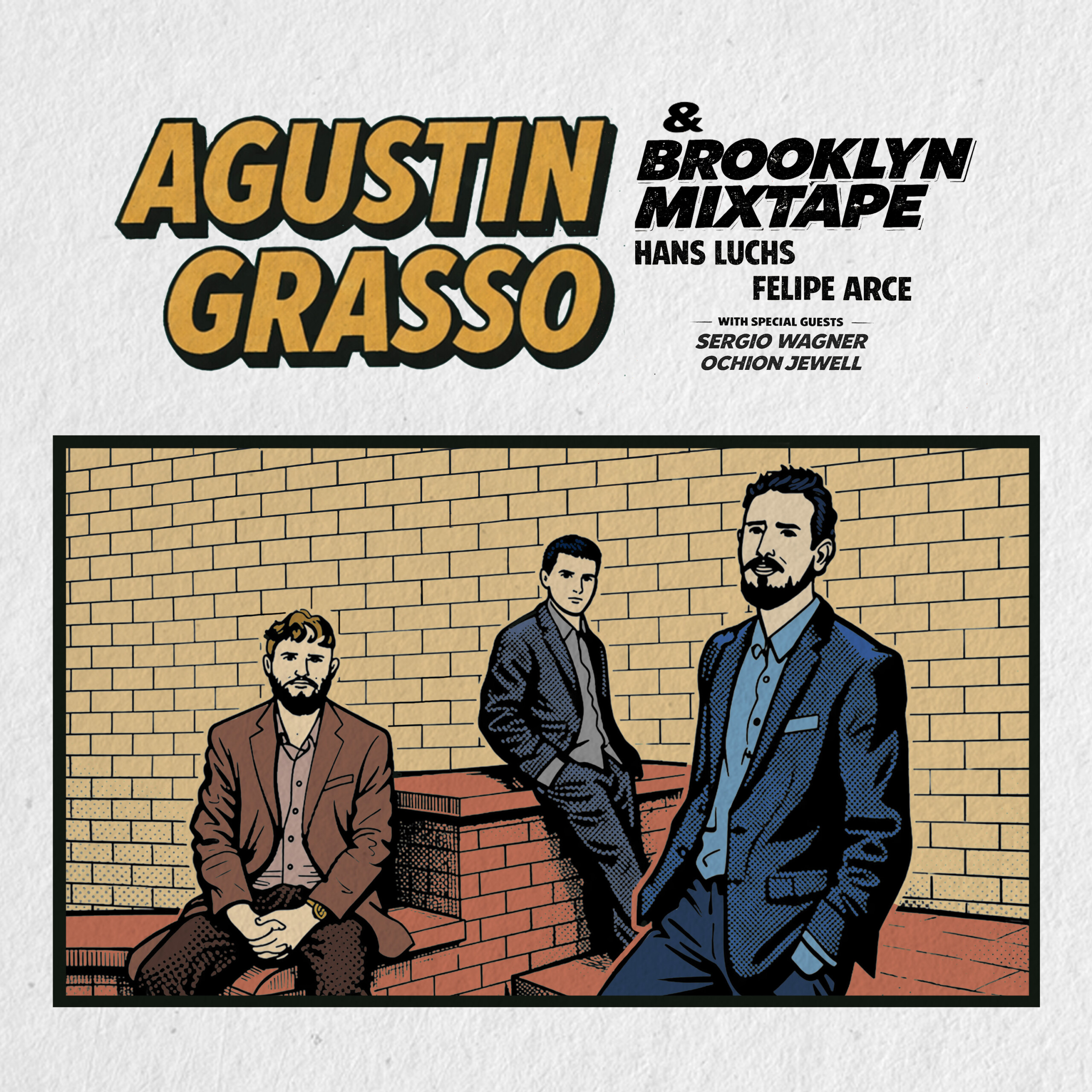
Agustin Grasso & Brooklyn Mixtape “If I Ever Lose My Faith in You” Agustin Grasso & Brooklyn Mixtape (Fresh Sound/New Talent) – JAZZIZ Discovery


The concept of the mixtape—once a staple of personal expression and musical discovery—finds a contemporary vessel in the latest release from drummer and bandleader Agustin Grasso. By assembling a collection of deeply personal arrangements, Grasso has crafted an album that serves as both a retrospective of his influences and a demonstration of his ensemble’s technical prowess. The project, titled Brooklyn Mixtape, functions as a narrative bridge between the classic jazz songbook and the sensibilities of the modern New York jazz scene.
The Anatomy of the Project
At its core, Brooklyn Mixtape is an exercise in curation and arrangement. Grasso, an Argentinian-born musician who has firmly established himself within the competitive Brooklyn jazz circuit, has sought to blend the structural elegance of traditional jazz with the textural nuances of contemporary pop and fusion. The ensemble consists of a core trio featuring guitarist Hans Luchs and bassist Felipe Arce—musicians with whom Grasso shares a long-standing creative rapport.
The tracklist is a deliberate selection of compositions that span decades and genres. By juxtaposing works by jazz luminaries like Kenny Dorham and Billy Strayhorn with pop staples from The Beatles and Sting, the album challenges the listener to find common ground between disparate musical worlds. This approach highlights the universality of melody, regardless of whether it originates in a 1950s bebop club or a 1990s recording studio.
Chronology and Development
The development of Brooklyn Mixtape was not a sudden occurrence but rather the result of years of collaborative performance. Grasso, Luchs, and Arce have spent significant time refining their sound on stages across North America and specifically within the dense jazz ecosystem of New York City. This consistent, real-world experience has allowed the trio to develop a level of intuitive interplay that is rarely captured in debut or early-career recordings.
The recording process involved expanding this core trio for specific arrangements. The inclusion of tenor saxophonist Ochion Jewell on three tracks, including the album’s opener, adds a layer of harmonic depth. Furthermore, the occasional presence of trumpet player Sergio Wagner provides a melodic counterpoint that broadens the sonic palette of the project. These additions are not merely guest spots; they are integral to the specific emotional arcs Grasso envisioned for each piece.
Technical Analysis and Musicality
The album’s opening track, an arrangement of Sting’s “If I Ever Lose My Faith in You,” serves as a microcosm for the record’s overarching aesthetic. The track begins with the angular, distinctive guitar tone of Hans Luchs, which immediately establishes a contemplative atmosphere. As the rhythm section enters, Arce’s brooding bass lines provide a foundational weight that contrasts with the shimmering, lighter textures created by Grasso’s cymbal work.
When Ochion Jewell enters on tenor saxophone, he navigates the familiar melody with a palpable sense of melancholy. The arrangement avoids the temptation of a straight pop cover; instead, it deconstructs the song’s emotional core, allowing Luchs to provide sophisticated comping before transitioning into a solo that prioritizes lyricism over technical flash. The track concludes with a brief, high-intensity collective improvisation that demonstrates the group’s ability to shift gears dynamically. This structural choice—moving from introspection to intensity—is a recurring theme throughout the project.
The Role of Arrangements in Modern Jazz
The significance of Brooklyn Mixtape lies in its approach to arrangement as a form of composition. In the modern era, where musicians are often pressured to produce purely original works, Grasso’s decision to focus on the jazz songbook—with a twist—is a strategic choice. It positions the artist within a lineage of interpreters, from Miles Davis to Bill Evans, who recognized that the value of a song is not fixed but malleable based on the perspective of the performer.
The choice of Steve Swallow’s “Eiderdown” and Kenny Dorham’s “Lotus Blossom” underscores a deep respect for the jazz canon. These are not the most overplayed standards; they are "deep cuts" that require a level of musical literacy to execute effectively. By selecting these pieces, Grasso signals to his peers and listeners that he is interested in the nuances of harmony and phrasing that define the genre’s history.
Supporting Data and Industry Context
The release of Brooklyn Mixtape arrives at a time when the New York jazz scene is undergoing a period of re-evaluation. Data from jazz industry reports indicate that while streaming has democratized access to music, there is a renewed interest in "boutique" or "concept" albums—records that offer a cohesive narrative rather than a disparate collection of singles.
Agustin Grasso’s work fits into this growing market segment. The project benefits from the "working band" dynamic, a factor that industry analysts have identified as a key driver of long-term artistic viability. Groups that perform together regularly, such as the Grasso-Luchs-Arce trio, exhibit a level of rhythmic synchronization and harmonic vocabulary that is difficult to replicate in studio-only sessions. This "locked-in" quality is a primary differentiator for Brooklyn Mixtape compared to more ephemeral projects.
Broader Implications and Artistic Impact
The implications of this album extend beyond the individual success of the musicians involved. It highlights a broader trend among expatriate jazz musicians in New York who are blending the rhythmic and melodic traditions of their home countries with the specific, often experimental, atmosphere of the Brooklyn scene. Grasso’s Argentinian heritage, while not overtly stated in every track, informs the rhythmic elasticity and emotional gravity present in the music.
Furthermore, the album serves as a case study in how to bridge the divide between jazz and popular music. By treating songs like The Beatles’ “Norwegian Wood” with the same intellectual and emotional rigor as a Billy Strayhorn standard, Grasso avoids the "smooth jazz" pitfall of oversimplifying popular melodies. Instead, he treats them as raw material for exploration, thereby inviting a wider audience to engage with complex improvisation without sacrificing the familiarity of the source material.
Future Outlook
As Grasso and his ensemble continue their touring cycle, the reception of Brooklyn Mixtape will likely serve as a benchmark for his future output. The success of this project suggests that there is a sustainable path for bandleaders who prioritize the ensemble experience over individual virtuosity.
The integration of guest players like Jewell and Wagner indicates that the Brooklyn Mixtape project may remain an evolving entity. The flexibility of the ensemble allows for various configurations, which is a vital trait for sustaining a career in the contemporary music industry. For listeners, the album provides a roadmap of the group’s current capabilities and a glimpse into where the trio might head next.
In conclusion, Brooklyn Mixtape is a testament to the enduring power of the curated musical experience. By grounding his work in the traditions of the past while utilizing the collaborative energy of the present, Agustin Grasso has produced a record that feels both timeless and urgent. It is a work that demands attentive listening, rewarding those who take the time to explore the layers of nuance and complex emotion woven into its arrangements. As the jazz landscape continues to shift, records like this serve as essential reminders that the heart of the music remains in the interplay between musicians and the stories they choose to tell through sound.