A Star-Studded Night at Vibrato Grill Jazz Celebrates George Benson and the Jazz Foundation of America

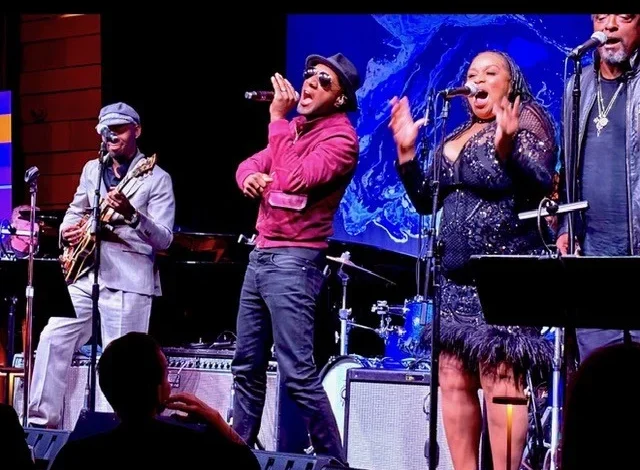
The intimate confines of Los Angeles’ Vibrato Grill Jazz recently became the epicenter of a high-profile tribute to one of music’s most versatile architects, George Benson. The November 1 benefit concert, organized to bolster the vital work of the Jazz Foundation of America (JFA), transcended the typical boundaries of a tribute show by blending a masterclass in musical history with a sobering reminder of the necessity of artist advocacy. Through a curated evening of performances and testimonials, the event underscored the career of a guitarist and vocalist who successfully bridged the gap between bebop, R&B, and pop, while simultaneously highlighting the precarious economic realities facing many of the industry’s most revered figures.
The Mission of the Jazz Foundation of America
The JFA serves a critical function within the music ecosystem, acting as a financial and emotional safety net for veteran jazz, blues, and roots musicians. Founded in 1989, the organization has consistently addressed the lack of retirement security and health coverage that plagues many professional performers. During the opening remarks, JFA Executive Director Joe Petrucelli and President Dr. Daveed Frazier outlined the organization’s mandate: to provide direct, emergency financial assistance for housing, medical bills, and funeral expenses.
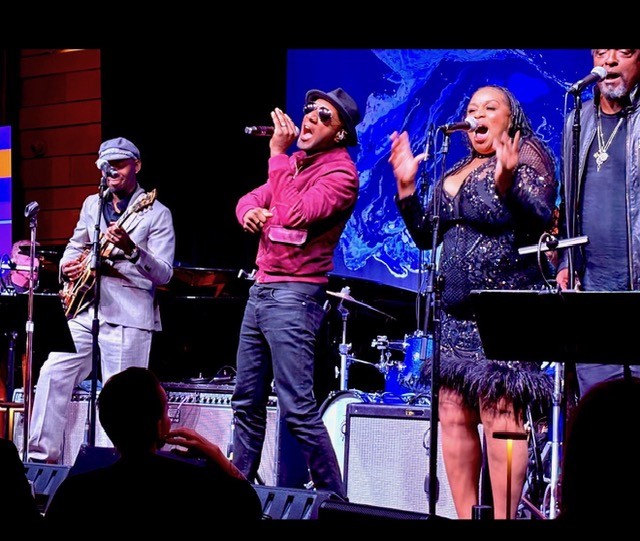
The event’s context was framed by a poignant video montage that served as a roll call of industry giants—including Herbie Hancock, Chaka Khan, Patti Smith, and the late, legendary Quincy Jones—all of whom have supported the JFA’s mission. Dr. Frazier’s address highlighted that the preservation of jazz is not merely about protecting a sound, but about protecting the individuals who create it, noting that the genre remains the bedrock upon which much of contemporary Western music is built.
An Evening of Recognition and Philanthropy
The venue itself, Vibrato Grill Jazz, provided a setting that balanced elegance with the technical requirements of high-caliber performance. Eden Alpert, the venue’s co-owner and daughter of iconic trumpeter Herb Alpert, was honored with the Quincy Jones Love & Peace Humanitarian Award. The award, presented by Martina Jones, acknowledged Alpert’s consistent efforts to provide a stage for legacy artists. In her acceptance, Alpert touched on the societal contract between the audience and the artist, asserting that the public bears a responsibility to ensure that the creators of our cultural soundtrack are provided for, especially when age or illness compromises their ability to perform.
The evening’s philanthropic component included a spirited auction. Items included a signed Ibanez signature guitar—an instrument synonymous with Benson’s clean, fluid picking style—a luxury getaway to the Bahamas, and an original oil painting by bassist Hussain Jiffry. These efforts fed directly into the JFA’s Musicians’ Emergency Fund, which has seen an increased demand in recent years due to the rising costs of living in urban musical hubs like New York and Los Angeles.
Musical Chronology and Artistic Interpretations
The musical program was structured as a retrospective, beginning with the sophisticated, nuanced delivery of Carmen Lundy. Lundy opened with "This is Love," a song composed by Benson. Her performance served as a reminder of Benson’s influence as a songwriter, moving through a relaxed mid-tempo arrangement that allowed her to showcase both vocal agility and scat improvisation. Her subsequent performance of "Moody’s Mood for Love" was a masterclass in jazz vocal dynamics, utilizing the blues-inflected arrangement to push the boundaries of the melody.
Following this, a supergroup dubbed "The Titans of Jazz"—comprised of pianist Patrice Rushen, saxophonist Azar Lawrence, bassist Henry "Skipper" Franklin, and drummer Roy McCurdy—brought a muscular, traditionalist energy to the stage. Their rendition of Nat Adderley’s "Work Song" served as a bridge between the bebop era and the funk-driven jazz-fusion that Benson would later help popularize.
The evening shifted into high gear with performances by Adam Falcon and Isaiah Sharkey. Sharkey’s take on "Breezin’"—the 1976 instrumental track that propelled Benson to global stardom—was executed with surgical precision. By transitioning into "This Masquerade," Sharkey demonstrated the vocal versatility that defined Benson’s mid-70s crossover success. The inclusion of R&B heavyweights Aloe Blacc and Wyclef Jean injected a modern urgency into the set, demonstrating how Benson’s hits like "Give Me the Night" and "Turn Your Love Around" remain staples of the modern dance and soul lexicon.
George Benson: A Legacy of Genre-Defying Innovation
The highlight of the event was the presentation of the Tommy LiPuma Award for Recording Excellence to George Benson. The award served as an opportunity for the legendary artist to reflect on his decades-long career. Benson’s anecdotes about Tommy LiPuma, the famed producer who convinced him to prioritize his singing voice, offered a rare glimpse into the decision-making process behind his most iconic recordings.
Benson’s transition from a jazz purist in the 1960s to a global pop sensation in the 1970s is often analyzed by musicologists as one of the most successful, yet technically demanding, shifts in recording history. By bringing the "jazz touch" to pop radio, Benson influenced a generation of guitarists who sought to emulate his thumb-technique and lyrical improvisation. His commentary on the current state of guitarists, specifically his praise for Isaiah Sharkey, suggests a continued interest in the evolution of the instrument.
The Socio-Economic Implications for Jazz Artists
Beyond the glitz of the performances, the event highlighted a systemic issue: the lack of a standardized social safety net for freelance musicians. The JFA’s data indicates that a significant percentage of professional musicians over the age of 60 live without private pensions or long-term health insurance. By leveraging the star power of artists like Benson and the philanthropic resources of figures like Alpert, the JFA is attempting to fill a void that the traditional music industry has largely ignored.
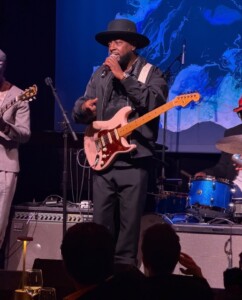
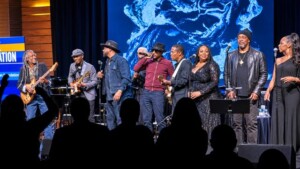
The analysis of the night’s success suggests a shifting tide in how the industry treats its legends. Rather than waiting for crisis-level intervention, the current trend involves proactive, community-based support. The "On Broadway" finale, which brought all participating artists to the stage, served as a symbolic representation of this unity—an industry coming together not just to celebrate the past, but to ensure the sustainability of the future.
Conclusion: Bridging the Past and Future
The Vibrato Grill Jazz benefit proved that the legacy of George Benson is not merely locked in vinyl records or digital streams; it is a living, breathing influence on contemporary performers across genres. By synthesizing the contributions of jazz purists like Carmen Lundy with the modern R&B sensibilities of Aloe Blacc and Wyclef Jean, the organizers successfully illustrated the breadth of Benson’s impact.
As the evening concluded with a communal performance of "On Broadway," the message was clear: the survival of the jazz tradition is inextricably linked to the well-being of its practitioners. The JFA’s work remains a vital component of this endeavor, ensuring that those who have contributed so much to the world’s musical fabric are granted the dignity and support they have earned. In a landscape that often prioritizes the new over the old, this night at Vibrato was a necessary affirmation of the community that keeps the jazz legacy alive, one note and one donation at a time.