MusicRadar Monthly Guitar Gear Roundup October 2026: ft. Kim Gordon with her Jazzmaster, the Zoom Neurig, Gibson HiFi DNA acoustics and more


October 2026 has proven to be an exceptionally dense month for the musical instrument industry, marking a period of significant innovation across both high-end boutique luthiery and digital signal processing. As the industry moves into the final quarter of the year, manufacturers have prioritized a mix of nostalgic revivals and forward-thinking technological integration. From the debut of signature instruments honoring alternative rock icons to the release of sophisticated neural-modelling hardware, the October market reflects a broad effort to capture the attention of both professional touring artists and the rapidly growing home-recording demographic.
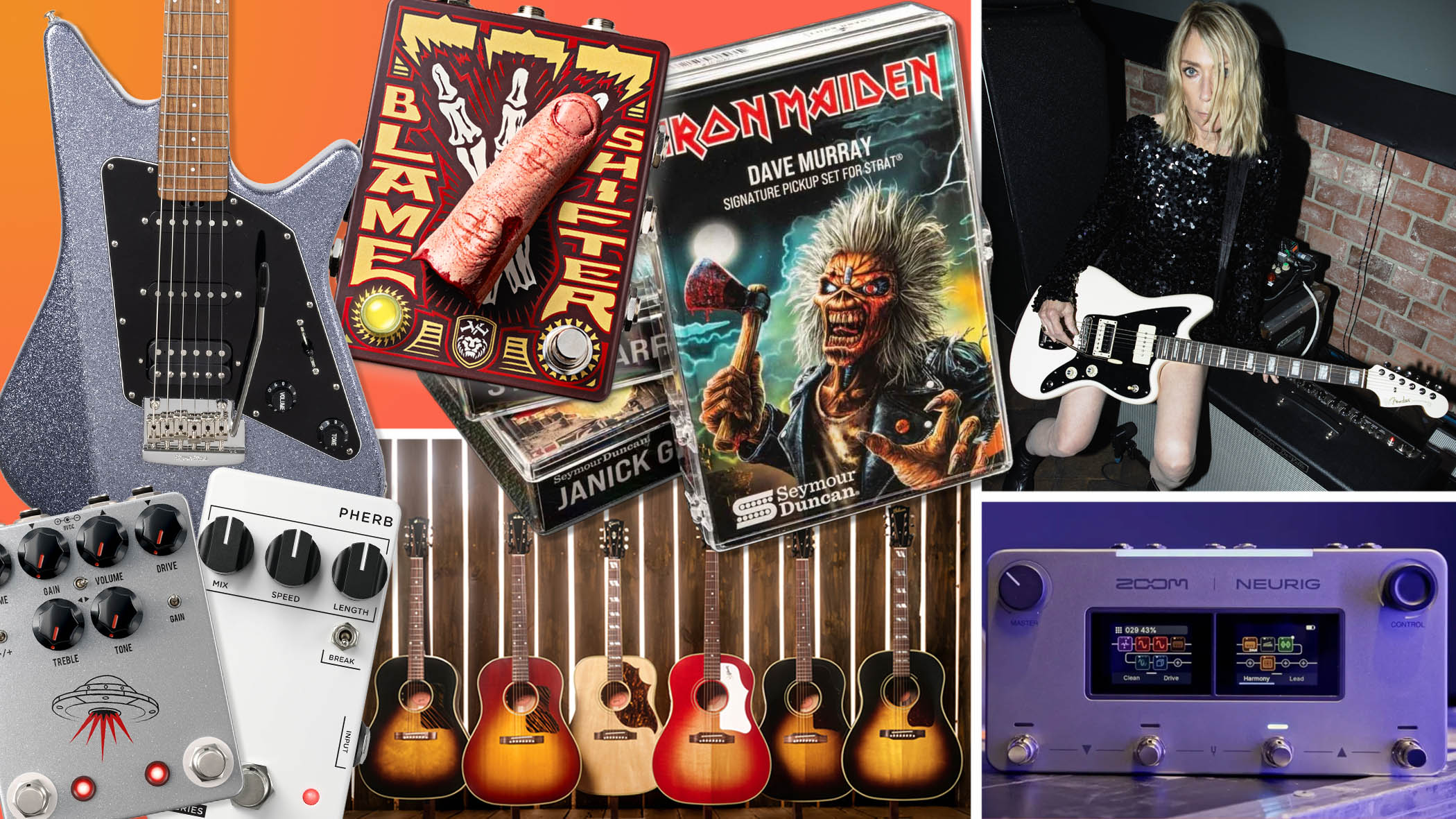
The chronological rollout of gear began early in the month with a focus on high-performance electrics and heavy-metal-oriented hardware. The industry saw a resurgence in interest regarding baritone scales and extended-range capabilities, punctuated by Epiphone’s major overhaul of its Prophecy Series. This refresh, announced mid-month, signaled a strategic shift toward modern metal players, utilizing Fishman Fluence humbuckers to provide tonal versatility that extends beyond traditional passive designs.
Fender, meanwhile, maintained a dominant presence throughout the month, balancing heritage-based signature releases with functional updates to its core catalog. The release of the John 5 signature Phantom Telecaster and the limited-edition Kim Gordon Jazzmaster underscored the brand’s commitment to artists who occupy the more experimental fringes of rock. The Kim Gordon Jazzmaster, in particular, drew attention for its specific Seymour Duncan JB and Fender Alnico V pickup configuration, a setup designed to replicate the raw, high-gain aesthetic associated with the Sonic Youth co-founder.
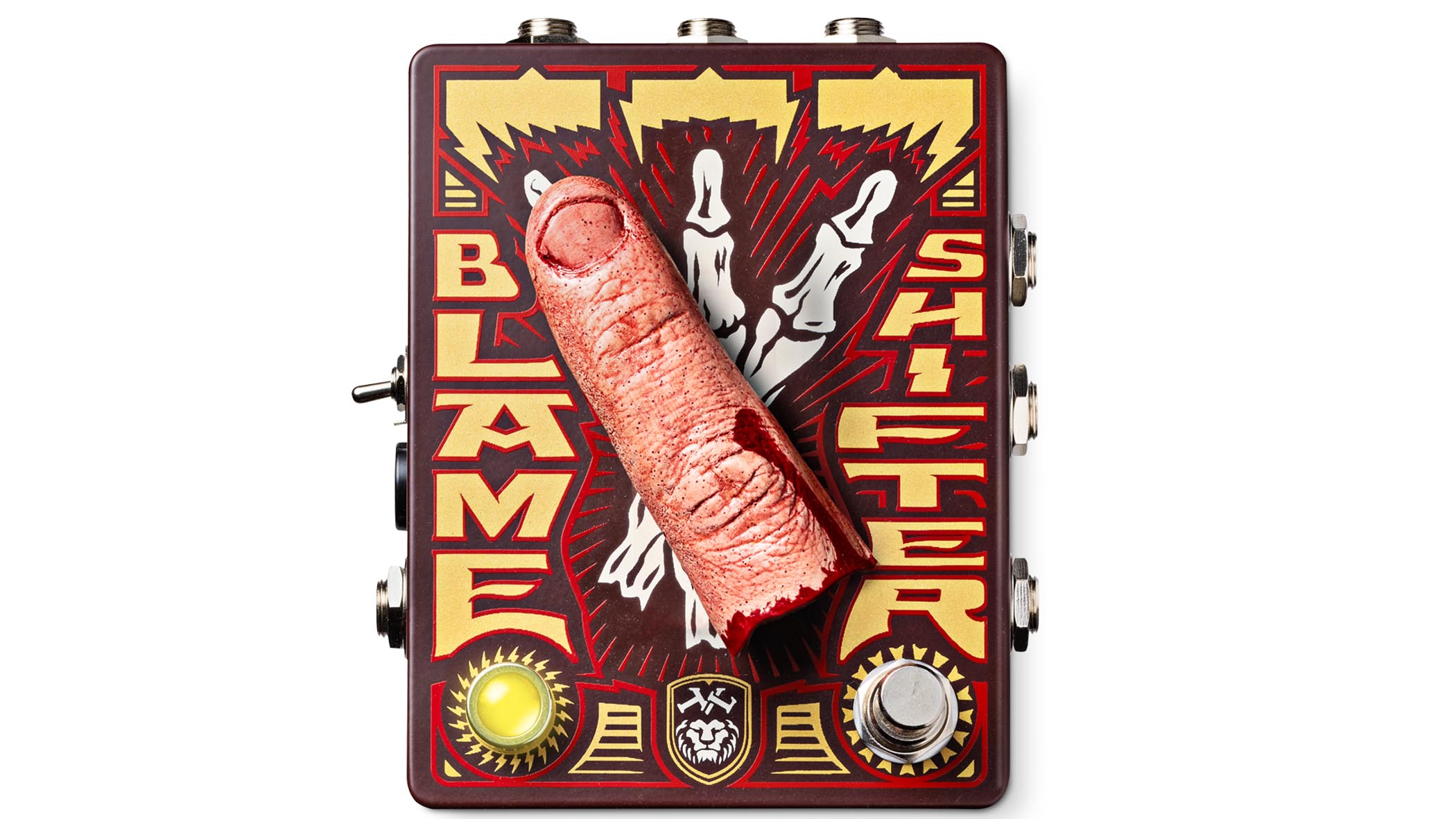
The shift toward boutique, artist-driven stompboxes was equally prominent. The Dr No Effects Blameshifter, developed in collaboration with Queens of the Stone Age guitarist Troy Van Leeuwen, represents a niche but highly specialized segment of the market. While the Blameshifter functions as a sophisticated high-end routing box and buffer, its release as a limited-run capsule collection speaks to the growing trend of collectible gear. Each unit, retailing at $375, is handmade and highlights a decade of partnership between Van Leeuwen and the Dr No workshop, emphasizing that professional-grade signal management is becoming a central concern for touring guitarists with complex pedalboards.
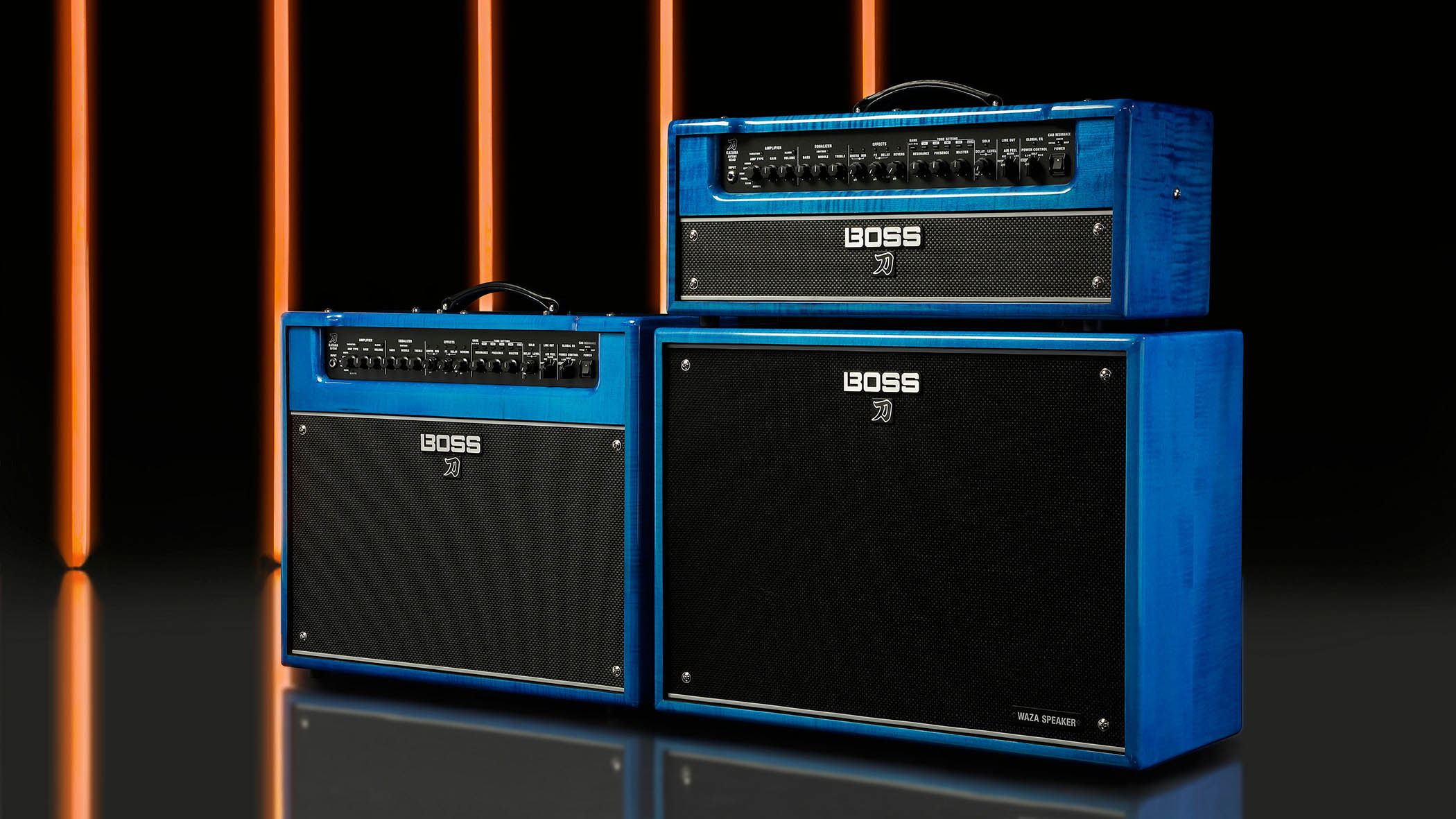
Digital amplification continues to evolve at a breakneck pace, with Boss leading the charge through its 10th-anniversary Gen 3 Katana Artist editions. The integration of figured maple veneers and translucent blue finishes onto the Katana chassis is a deliberate departure from the purely utilitarian aesthetics that have dominated solid-state and digital amps for the last decade. This design shift suggests that manufacturers are increasingly viewing digital gear as high-end furniture rather than just entry-level practice tools. Neural DSP, an industry leader in the plugin space, followed suit with the release of the Morgan Amps Suite X. This free update for existing users demonstrates the industry’s increasing reliance on software-as-a-service (SaaS) models, where the value of a digital purchase is extended through long-term support and feature expansion.

The intersection of acoustic instrument design and high-fidelity amplification also saw a notable development with the rollout of the Gibson Baggs HiFi DNA system. By integrating the LR Baggs pickup technology into the classic Gibson Original Collection—including the J-45 and Southern Jumbo models—Gibson is attempting to solve the long-standing issue of piezo-quack and unnatural tonal reproduction in acoustic-electric guitars. This development is not merely cosmetic; it indicates a broader move toward seamless amplification in traditional builds, allowing players to retain the aesthetic purity of a vintage-style acoustic while benefiting from modern studio-quality output.
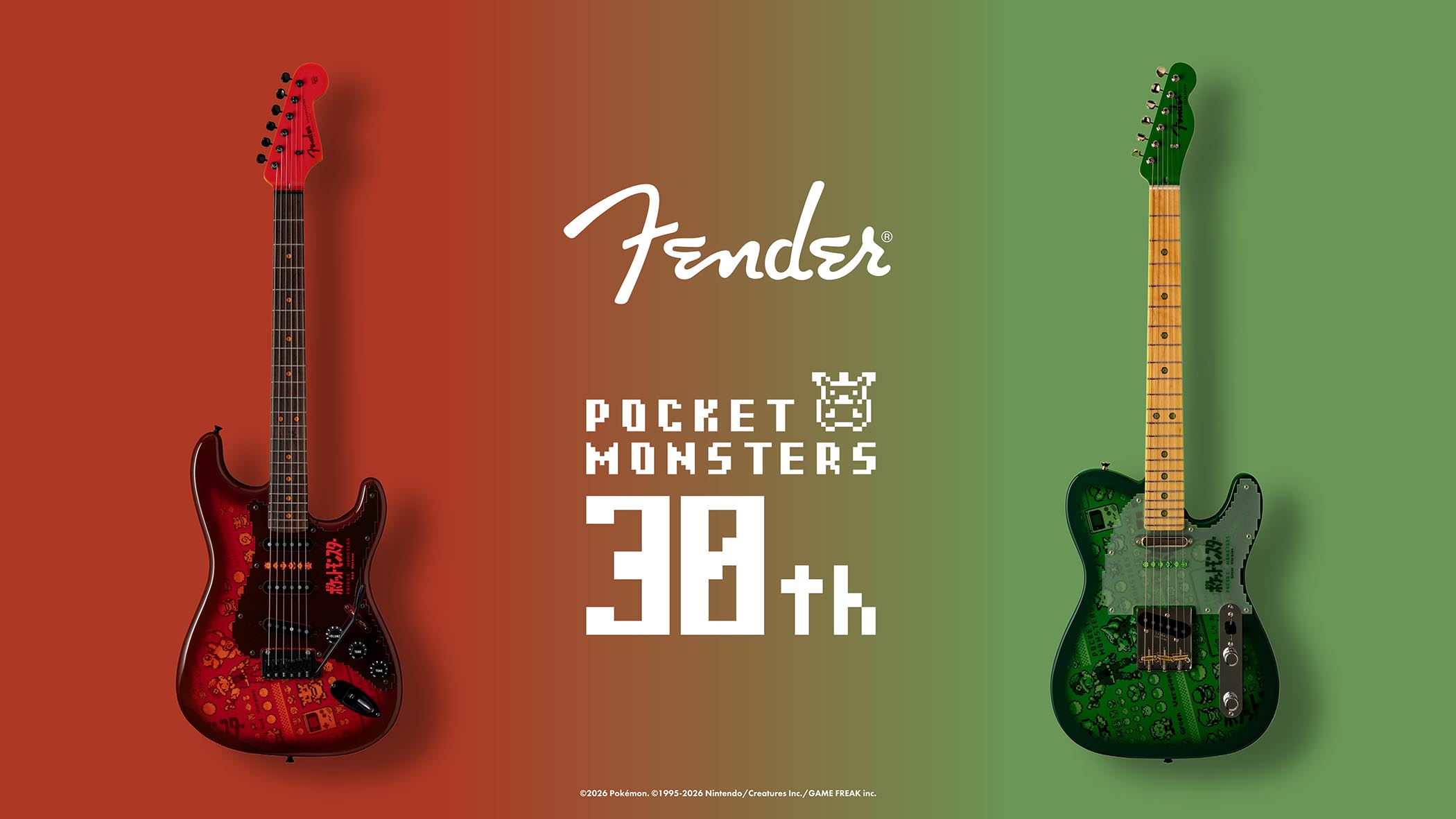
Mid-month, the industry turned its attention to the intersection of pop culture and high-end manufacturing. The Fender x Pokémon Stratocaster and Telecaster, initially restricted to a Japanese lottery, have been confirmed for a broader release in the UK and US markets. While the aesthetic appeal of these instruments is targeted at collectors, the inclusion of an onboard 8-Bit effect—activated via a push-push volume knob—serves as a technical curiosity. This feature allows players to introduce lo-fi, chiptune-style artifacts into their signal chain, bridging the gap between retro video game nostalgia and modern electric guitar synthesis.
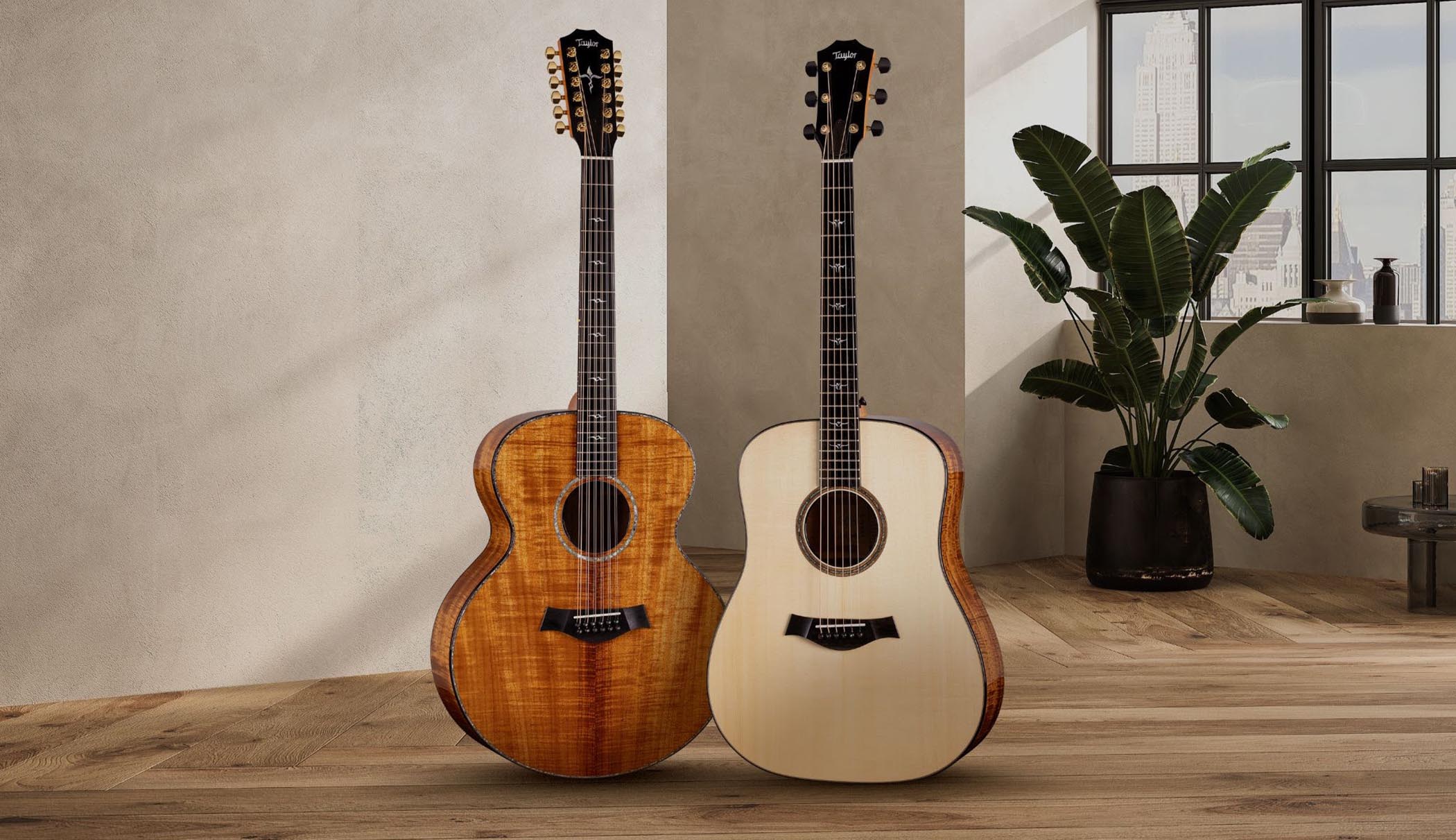
In the realm of high-end acoustic luthiery, Taylor Guitars has utilized its 52nd anniversary to highlight the tonal properties of Hawaiian Koa. The release of the limited Legacy K65e LTD 12-string and the K10 LTD dreadnought underscores the scarcity of premium tonewoods. With only 52 units of each model being produced, Taylor is positioning these instruments as heirloom-grade assets. Andy Powers, Taylor’s chief guitar designer, noted that the integration of Koa into the Legacy Collection is a reflection of the brand’s history, effectively linking the company’s early success with 12-string guitars to its modern manufacturing prowess.
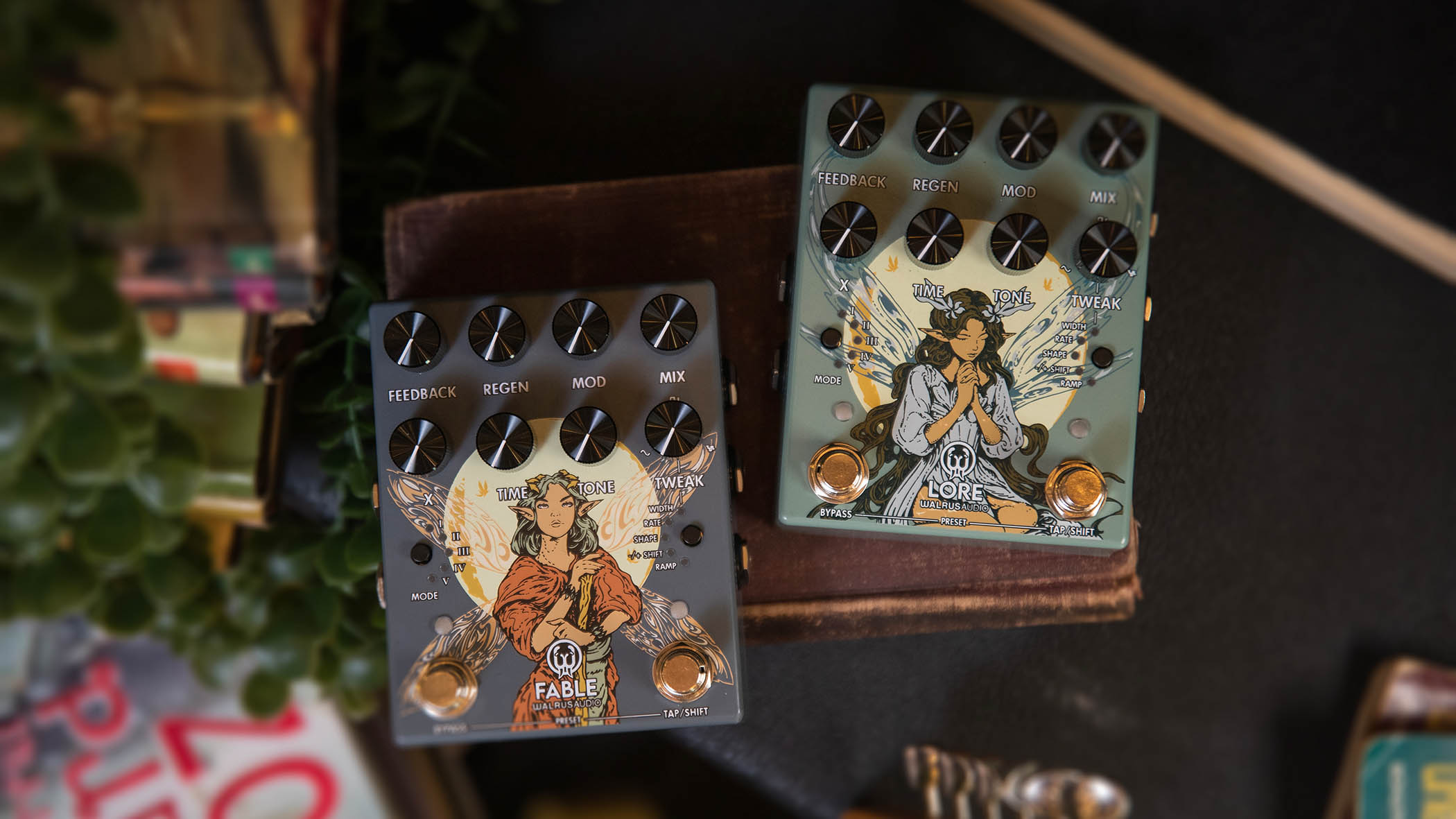
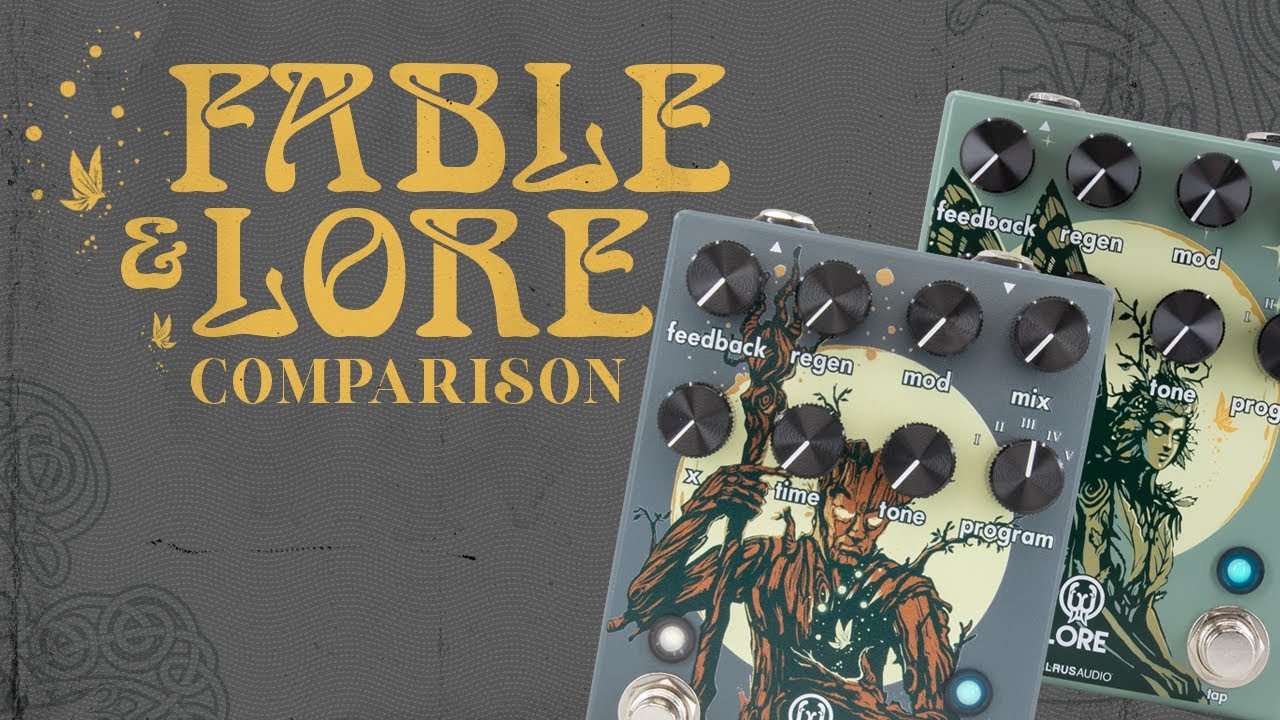
Pedalboard infrastructure and signal management also saw advancements. The Walrus Audio Storybook Series (Lore MK II and Fable MK II) provides a granular, experimental approach to reverb and delay that deviates from traditional industry standards. These pedals are designed for ambient soundscaping, moving away from simple time-based effects toward complex, glitch-oriented textures. Similarly, EarthQuaker Devices released limited-edition Mosfet-modded versions of the Plumes and Blumes, demonstrating that even successful, mass-produced pedals can be revitalized through simple component swaps that significantly alter harmonic saturation and dynamic response.
The mid-month launch of the Behringer Zentara, a re-engineered take on the elusive Klon Centaur circuit, has sparked renewed debate regarding intellectual property and the democratization of boutique tone. Following the resolution of previous legal disputes with Klon designer Bill Finnegan, the Zentara represents a stabilized market for "klone" pedals. At a price point significantly lower than the original boutique units, the Zentara serves as a case study for how mass-market manufacturers are now able to leverage open-source design knowledge to provide professional-grade sounds to budget-conscious players.
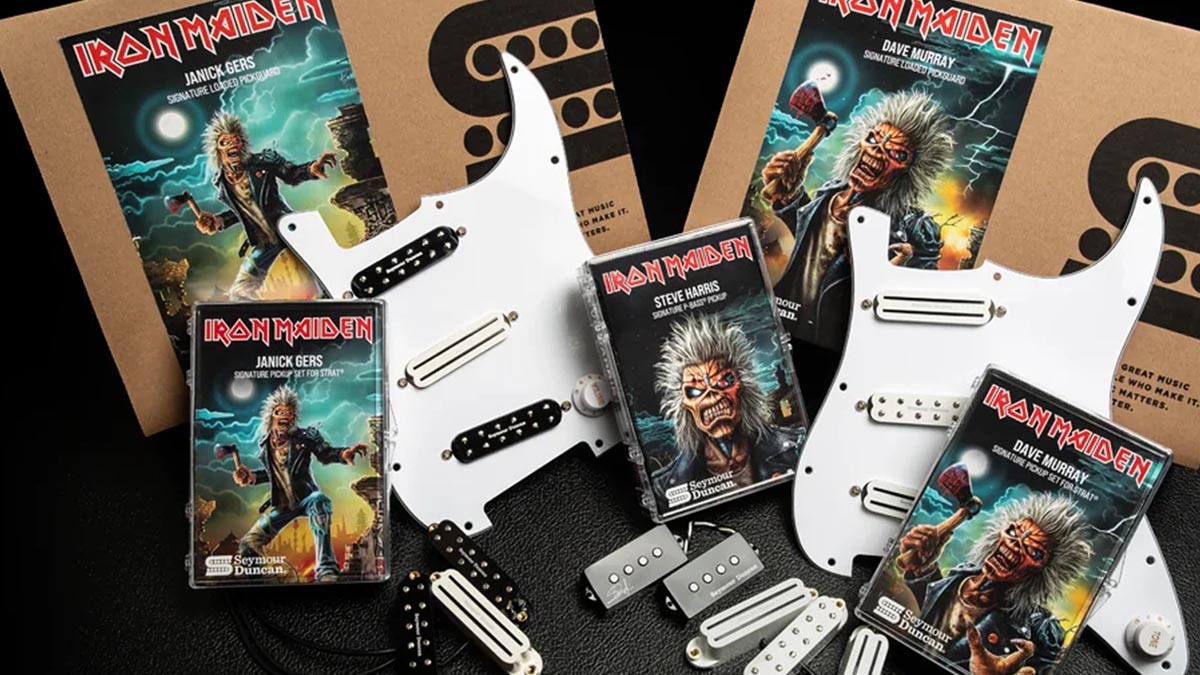
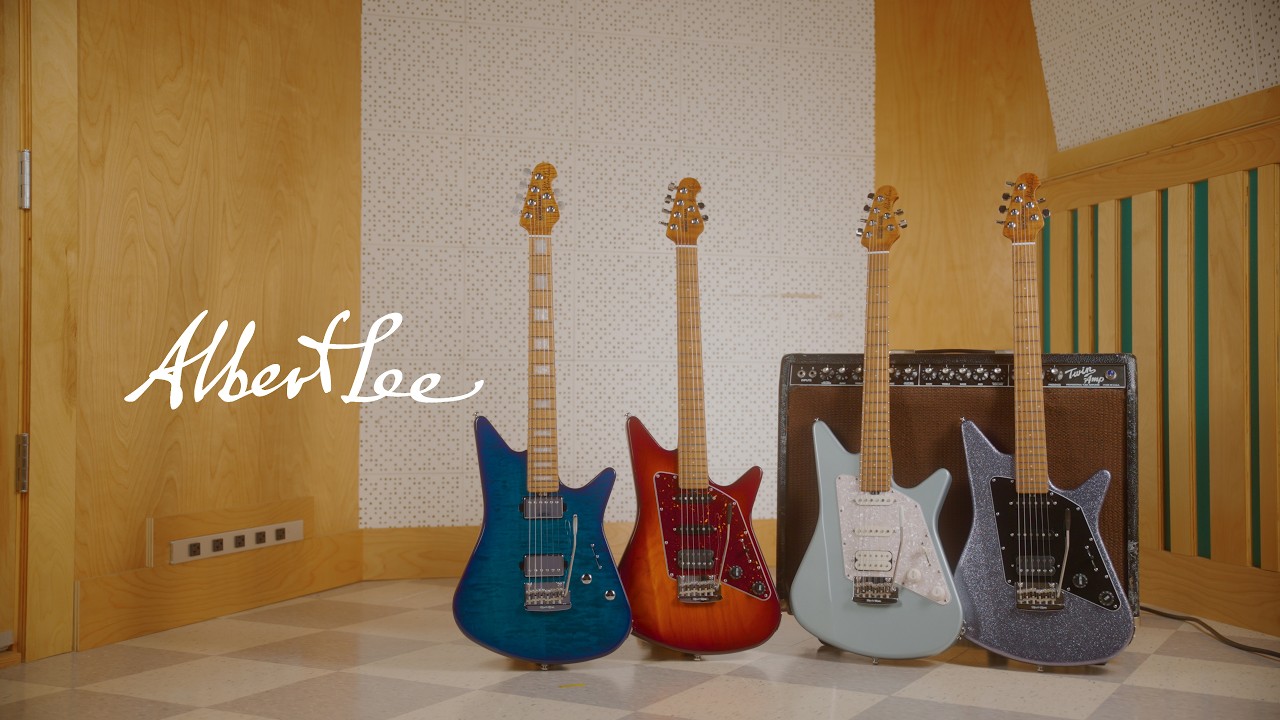
The month concluded with a focus on specialized signature gear, such as the Ernie Ball Music Man Ball Family Reserve (BFR) editions of the John Petrucci Majesty and the Albert Lee collection. The BFR program, which allows for experimental finish options and limited-run wood combinations, remains the pinnacle of the company’s output. The Albert Lee model, in particular, is undergoing a critical re-evaluation by the guitar community, moving from being viewed as a niche retro design to a highly regarded, versatile HSS electric. The inclusion of DiMarzio and Seymour Duncan components in these models highlights the continued reliance on legacy pickup manufacturers even within the most modern, high-end builds.
Finally, the emergence of the Neko Pocket Wireless Guitar Studio on crowdfunding platforms represents the next potential phase of personal recording. By attempting to compress a full studio workflow into a pocket-sized device, the project mirrors the broader industry trend of portability. Whether such hardware can effectively compete with established mobile recording interfaces remains to be seen, but the high level of investor interest suggests a strong market demand for decentralized, "studio-in-a-pocket" solutions.
When assessing the implications of October 2026’s releases, it is clear that the market is bifurcating. On one hand, there is a persistent demand for heritage-inspired, high-end instruments that utilize traditional woods and techniques. On the other, there is an aggressive pursuit of digital innovation, where AI and neural-modelling are becoming the standard for tone reproduction. Manufacturers who can bridge this divide—by offering traditional aesthetic appeal with modern technological utility—are seeing the greatest success. As the year draws to a close, the focus will likely remain on integrating these digital innovations into smaller, more accessible form factors, ensuring that the next generation of gear remains both powerful and portable.